
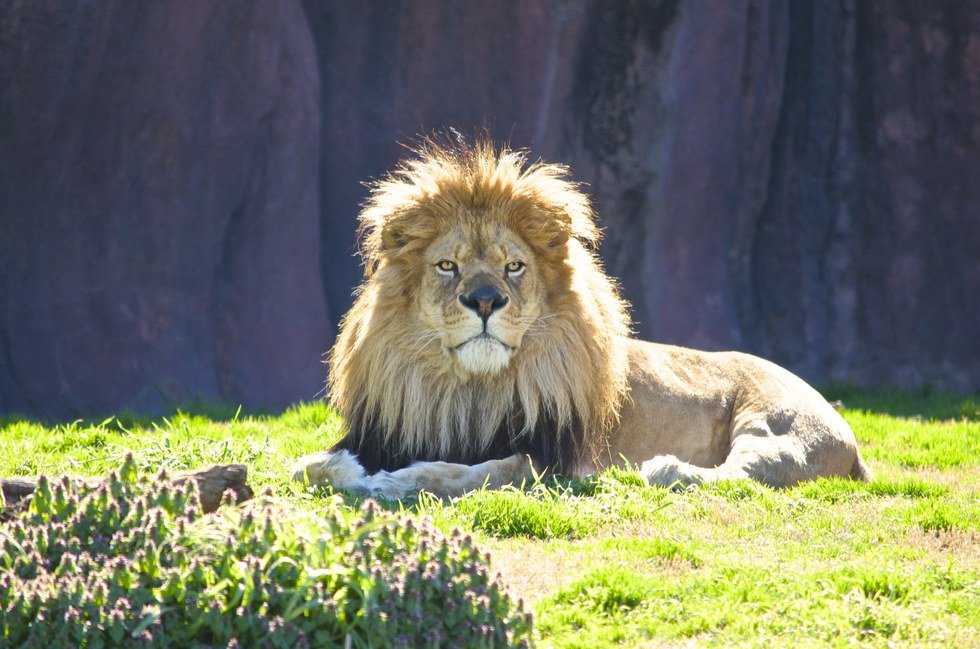
The Philadelphia Zoo was the first zoo to open in the United States. Its gates opened on July 1, 1874. From that point, zoos have been popping up all around the United States and beyond. Zoos house all sorts of species, making them a rather controversial place as to whether or not they are harmful to animals. The question is, are zoos really such a bad place for animals to live? The answer is no, zoos are not totally horrible.
In reality, zoos help with animal conservation and ultimately prevent them from becoming extinct. Zoos are more safe for animals as they are not at risk of becoming hunted or illegally poached. Animals are also being bred which helps to stabilize and boost populations. Zoos often take in animals that are severely hurt or injured in order to save their lives.
Animals that live in zoos are a great way for scientists to easily study the patterns of certain species, such as the way they live, act, and react. For example, the breeding cycles and breeding rates of animals could be analyzed in order to help manage wild populations. The more research that is done will help with major wildlife problems such as the threat of habitat destruction and other severe issues. Also, with the recorded information, new medicines and techniques to aid an animals health have been developed.
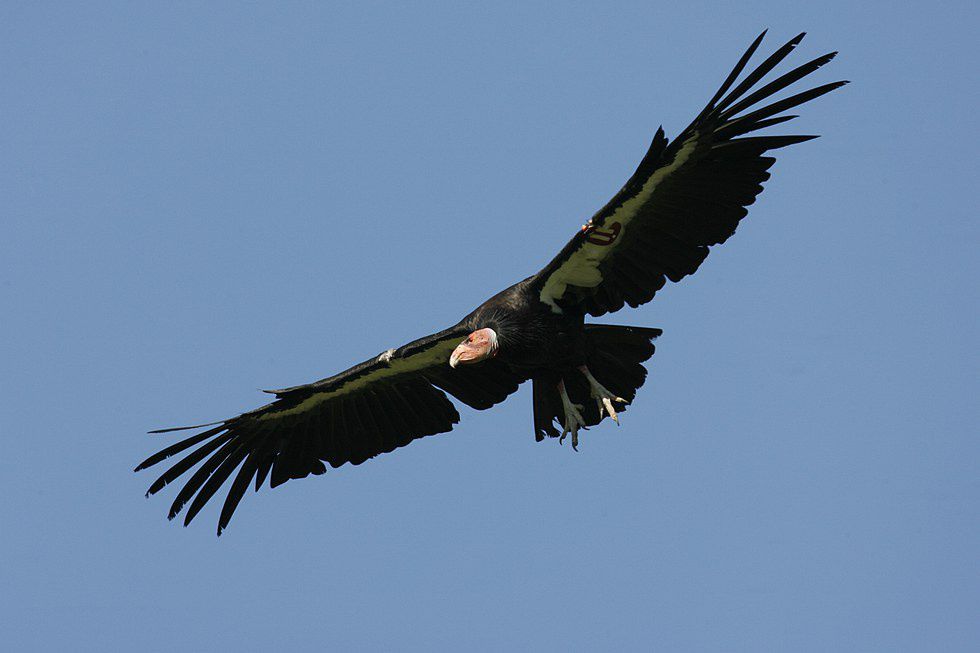
After almost a dozen years of trying to stabilize and strengthen the population of the California Condor, a type of vulture, both the Los Angeles and San Diego Zoos were able to increase its population from less than two dozen birds to approximately 170 birds.
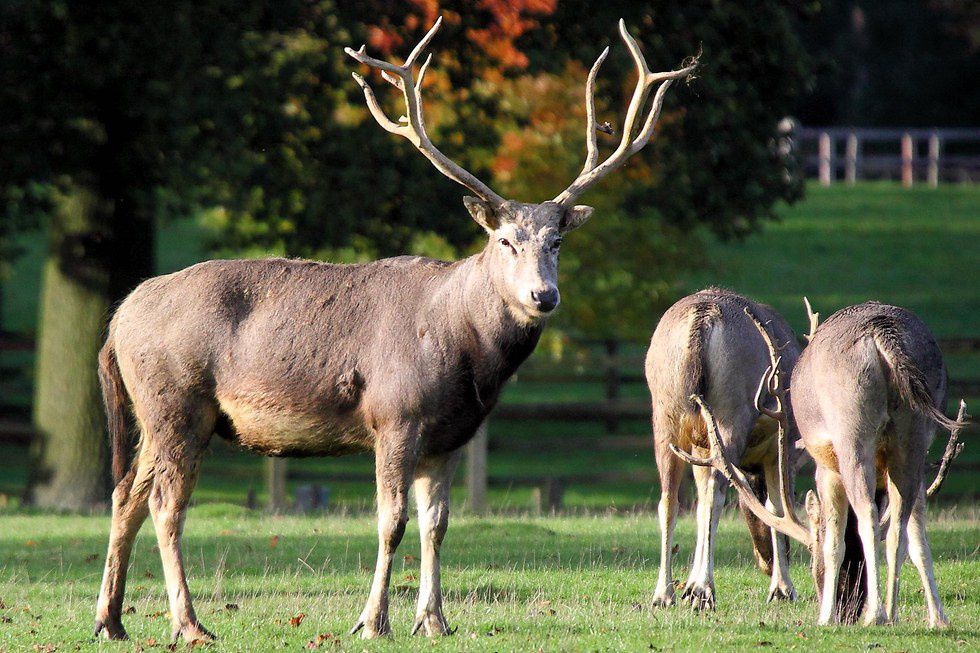
The Pere David’s Deer was also brought back from extinction. This Asian deer failed to exist in the wild. With the collaboration between Chinese and European Zoo programs these deer were placed back into the wild where they are now self sustaining.
Zoos are also very educational not just for kids, but also adults. Families that live in cities are limited to the animals that they see and can interact with, compared to people who live in other parts of the world. People are able to see animals, watch how they live, how they interact with each other, what sounds they make, what they eat, and more. Families are able to hear about the animals from zookeepers and read the informative signs placed in front of each cage. Seeing animals in the flesh makes people have a greater appreciation for nature and wildlife as a whole.
The cages that animals are placed in have also changed significantly in appearance. Animals are no longer forced to live behind steel-bars and on cold cement floors. Zoos have upgraded to having more natural-looking spaces for the animals to roam. Each animal’s space resembles their natural habitat. The food that is fed to each animal is actual food they would hunt in the wild.
It is not just zoos that are receiving such negative comments and feedback, aquariums are also receiving similar hate.
In 2014, the New England Aquarium rehabilitated and released 733 sea turtles. The sea turtles were either endangered or threatened and stranded on the beaches of Cape Cod. On top of that, the aquarium had designed fishing gear that would be less likely to snag on and injure whales.
Over the course of the past 50 years, SeaWorld has rescued over 26,000 ocean animals.
The Association of Zoos and Aquariums is a non-profit organization that is dedicated to the advancement of zoos and aquariums in four areas. Those areas are conservation, education, science, and recreation. The organization represents more than 230 institutions in the United States and overseas. The institutions in which they accredited meet the highest standards in animal care. In addition, the organization donates millions of dollars to help support scientific research, conservation, and educational programs.
A quick list of accredited zoos and aquariums are the Philadelphia Zoo, San Diego Zoo, and SeaWorld in Orlando, San Antonia, and San Diego. Others are the Cincinnati Zoo, Bronx Zoo, Houston Zoo, and the Brandywine Zoo.
Despite the negative opinions about how zoos and aquariums treat their animals, I think it is clear that these facilities do have benefits for animals and are not as bad as they appear. I think zoos and aquariums do care for their animals and are trying to do everything they can to stabilize populations.