
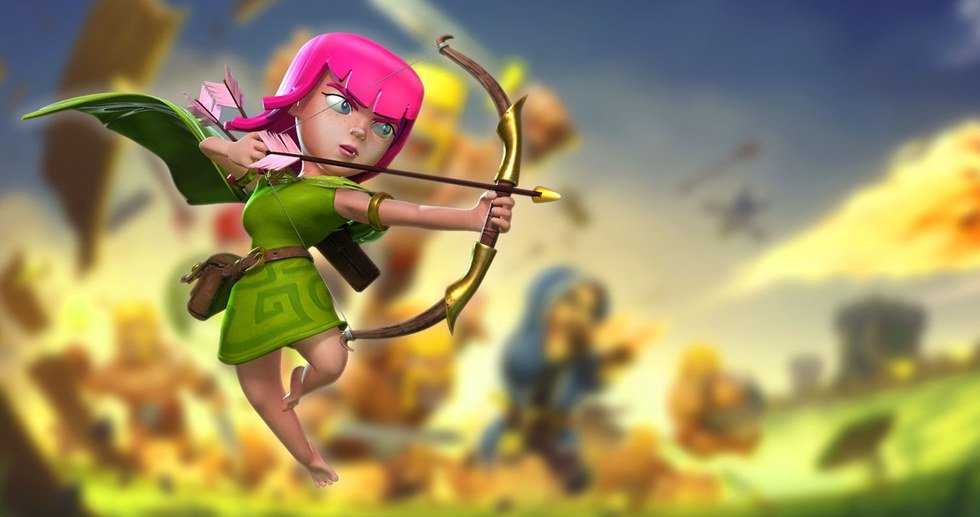
From "Clash of Clans" to the infamous "Flappy Bird," the App Store is full of a wide range of games and apps. Some apps are paid experiences, while others are free with additional paid content inside the game itself. These additional pieces of content are called "microtransactions." They are called this because they are typically small little bonuses within the games. These bonuses may enhance your power, or just give your character a stylish new outfit. The question is: how do these microtransactions effect the App Store environment?
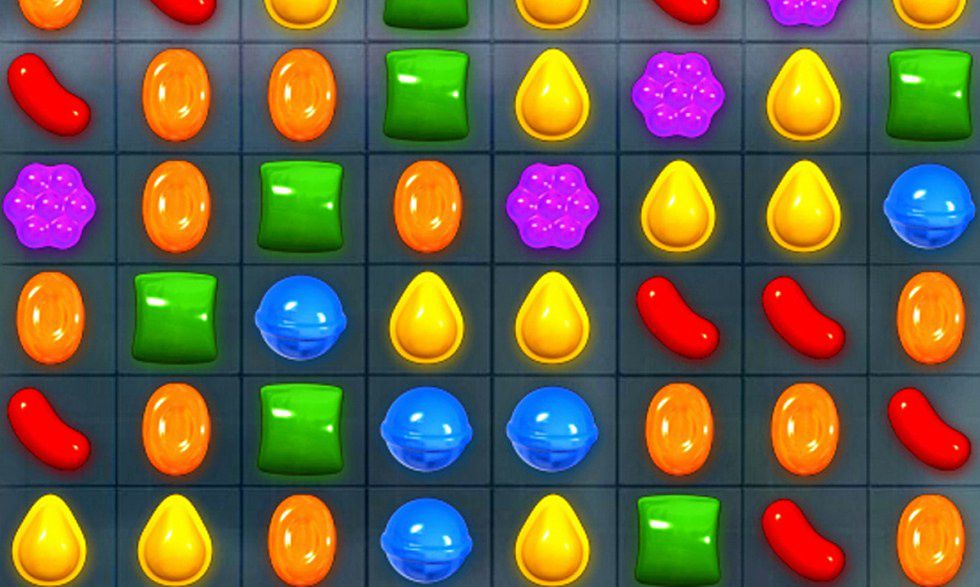
"Candy Crush" is one of the most widely downloaded games on the App Store. The app is free, so literally anyone with an iPhone and a stable connection can download it for some candy matching fun. The developers make money by adding microtransactions into the game.
In Candy Crush, these microtransactions take the form of extra lives and game changing power ups. You lose lives when you fail a level within the game, and you cannot start another level if you have zero lives. Lives regenerate at the slow rate of one life per minute, capping out at five-lives. Essentially this means that if you don't pay for more lives, you must play the game at a slower rate. Making money this way may be an efficient form of business, but it makes the game less of a game and more of a psychological trap to get people to spend money.
An argument in favor of this method is that the developers need to make money, which is absolutely true. However, there are more ethical ways of using microtransactions to make money, which also do not cheapen the game to become a treadmill with a coin slot.
A game that does this well is "Crossy Road." The game is also completely free, and it plays similar to the classic game of "Frogger." You jump across the road, dodging cars and rushing rivers, trying to get as far as you can. Microtransactions in this game take the form of colorful skins for your chicken that you control. However, you can earn these skins through standard gameplay. You collect coins as you jump along the levels, and when you reach 100 you get a spin on the prize machine, which gives you a random skin. If there is a specific skin that you want, however, you have the option of purchasing that one for 99 cents.
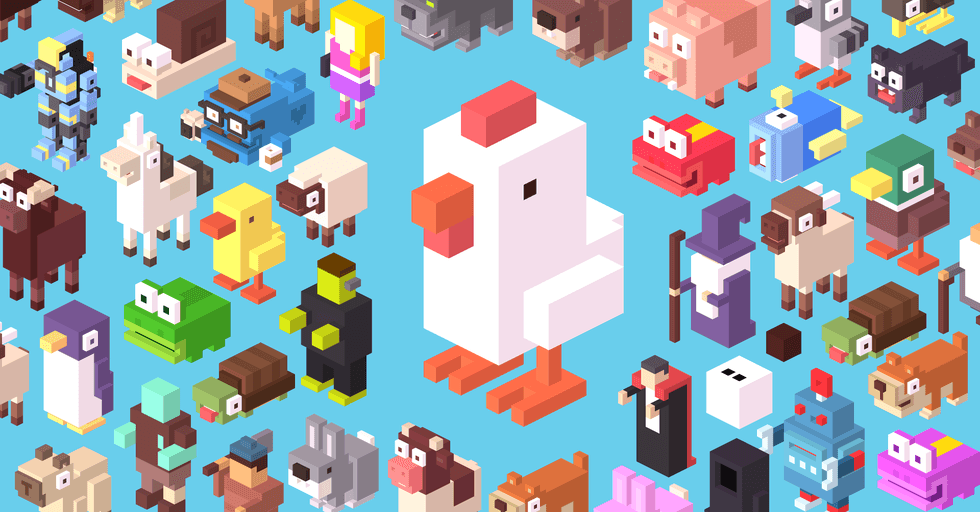
This is a far more ethical way of doing microtransactions because the microtransactions do not impede gameplay if you do not buy them. A person with the default chicken skin has the same high score capability as someone with a skin they purchased for money.
Microtransactions are a valid business model. Like all business models, they can be done ethically or unethically. Examples of both exist on the App Store. It is the role of the consumer to decide which methods they approve of by voting with their wallets.