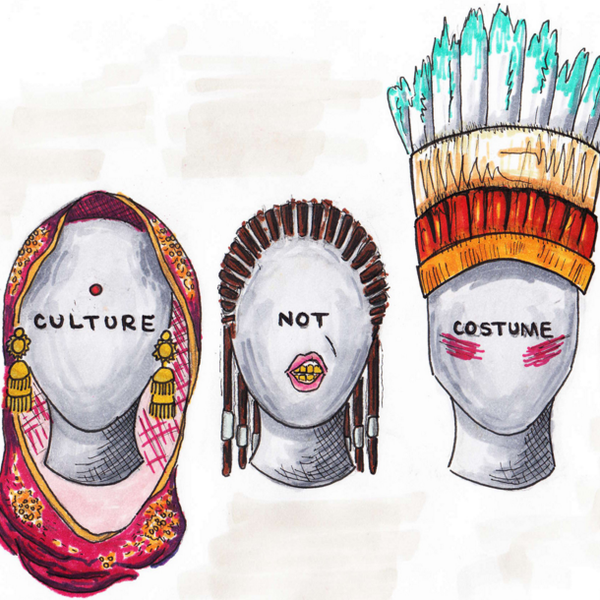
What’s mine is mine. I mean, I consider myself to be a pretty decent human being. I’m nice most of the time. I share when I want to. My culture is something I hold very close to my heart. It has defined me as who I am today. It’s shaped me into the strong, independent, brown woman I’ve evolved to become. It represents the hardships I’ve faced throughout my life. My culture is not an accessory nor is it “exotic”. I understand people find it aesthetically pleasing, I mean I don’t blame them, it’s a rich culture.
You can appropriate my culture, I don’t mind that, but don’t appropriate it for your aesthetics. There’s a very fine line between appreciation and appropriation. The media is having a hard time defining that line. No worries, that’s why I’m here!
Ironically North African, Middle Eastern, and South Asian people have been considered an uncivil group of minorities. I say, “ironically,” because we make up more of the world’s population than the majority of the people who call us minorities. Our way of life has been seen as barbaric and outdated up until late 2013. This is the year we went from being unwanted to being used. Our henna, our bindi, and our clothing began to be portrayed as modern, trendy, and quirky. Thanks, but no thanks.
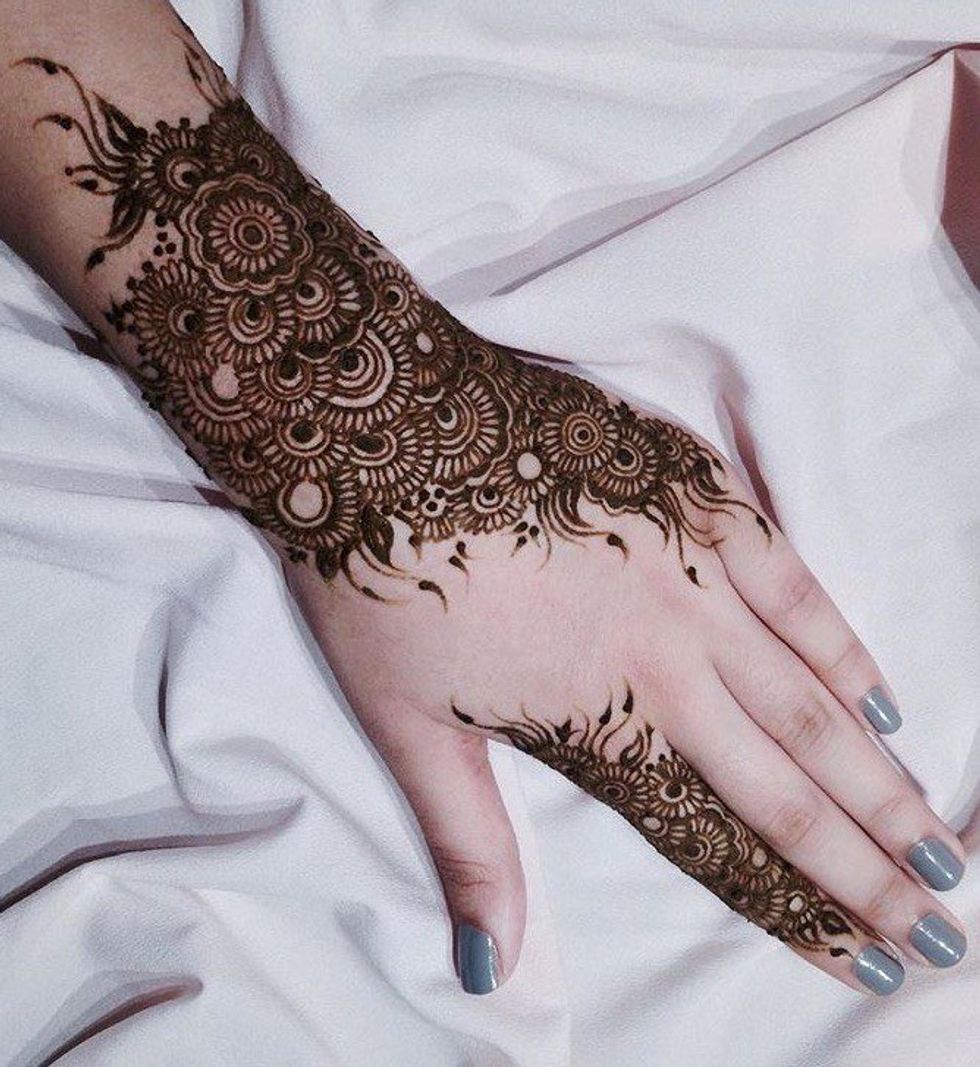
Growing up as a child in Pakistan, I would look forward to my cousins coming over and doing my henna for me. I thought it was the most beautiful thing. Henna has been popular in North Africa, the Middle East, and South Asia for over 5000 years for its cooling effect. Being in a desert climate, henna was used to keep people cool.
I went to Six Flags and saw henna stands that were severely overpriced and offensive. They took cheap henna and wrote Chinese words on people’s skin. Talk about killing two birds with one stone. Not only were they using cheap henna to make a profit, but also taking Chinese words and putting them on their bodies without any consideration for the language and its people. People make fun of Asian people for their thick accents, and then they go and get their language tattooed on themselves, come on now people.
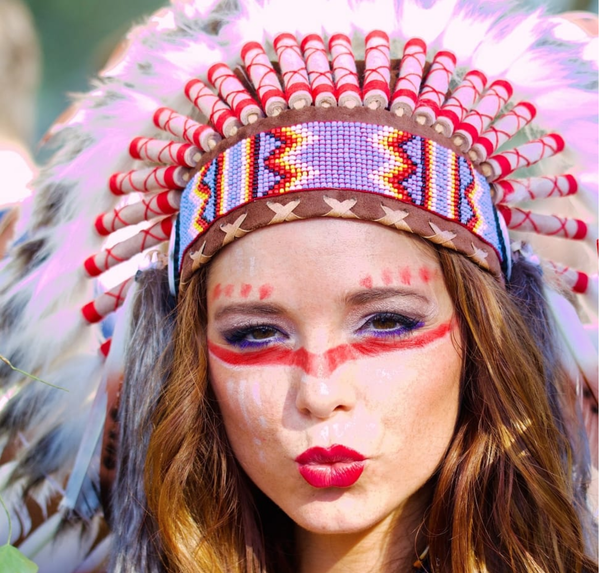
I understand it’s pleasing to look at, a new concept is always exciting, but not when it’s used as decoration. The bindi became popular due to Coachella culture. People started wearing cheap arts and crafts gems to music festivals and started calling them bindis. Ask those people what their “bindi” represents and they’ll have no idea. The bindi is part of many of the south Asian cultures. The bindi represents intelligence. Putting it in the middle of our forehead symbolized the third eye. The third eye is related to seeing things that our eyes can’t. Girls who wear the bindi are also considered very in tune with their inner selves because that’s where the sixth chakra is as well. When the British ruled India from 1858 to 1947, the natives were looked down upon when they would wear their bindis to work or even in their own homes. People had to leave their culture behind to be respected in their own country. Unfortunately, now it’s used as a fashion accessory which causes it to lose its beauty meaning and value. Such a symbolic symbol being reduced to a cheap arts and craft gem.
I wore traditional south Pakistani clothing to school every single day. My classmates were used to it, and I didn’t feel like I didn’t fit. I didn’t experience much racism until I had to move in 4th grade. That’s when I started getting bullied. I remember the kids asking me offensive questions and making unneeded comments.
Eventually, it went from verbal to physical abuse. I had scissors thrown at my face, my hijab was pulled off, and the kids would put glue and gum in my hair. Thinking of all the tormenting I had to go through makes me so upset. I was so sick of it, I convinced my parents to let me go to another school and never wear Pakistani clothes outside the house. What infuriates me is now that modern media says it’s trendy. People started wearing the same clothes that I had taken off because I was sick of crying myself to sleep every night. In 2014 the turban trend started. Models would wear turbans on the runway because it looked “high end”. It went from the runway to being in every blogger's closet. Long flowey shirts with slits on the side are being sold in most stores. Those shirts are worn by my people to allow the wind to blow through them, so they stay modest yet cool in the hot temperatures. Those shirts were taken off because it took too much courage to keep them on.
Our clothing, our henna, our bindis are being taken away from us, getting stripped off their cultural value and being sold to make a profit. Urban outfitters are known for taking things like bindis, degrading them, and selling them. They aren’t even being called bindis anymore. “Stick-on face jems, $5”. It’s not the inflation of the price that bothers me but th lack of respect. Bindis cost about fifty cents but are valued immensely in the Middle East. Urban outfitters make them expensive while degrading their value– a true talent. The 2015 Versace men’s collection is, “inspired by Pakistani men;” however the cheap clothing that our men wear to keep themselves cool while working all day to provide for their family will now become a luxury for them. It’s “Versace” now, designer name, designer price. Our culture went through an attempted culture cleanse, then to Halloween costumes and now it’s “couture”. My culture is not “couture”.
Culture appropriation is very tricky. If a person truly wants to learn more about a culture, they should be fully informed about it. If you wear something from a different culture know what it means, where it came from, and how it came to be. Don’t just put something on because it’s pleasing to the eye. It’s not fair to the people who had to abandon everything to assimilate. Know the culture, understand it, and appreciate it.