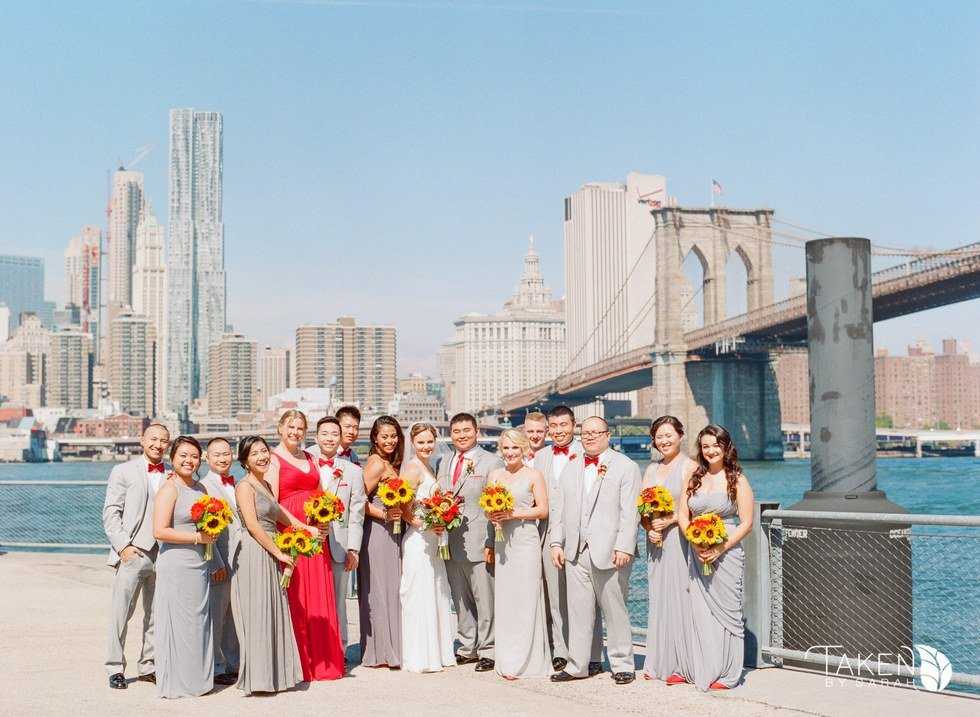
If anyone is going to do something out of the “norm," it’s my family. So, it was to nobody's surprise that my sister’s wedding followed suit. I’ve been to a lot of weddings, but never one quite like this.
My sister got married on September 19, 2015. From the start, we knew it would be a slightly untraditional wedding by some standards. Timmy is Chinese, and while he grew up in the States and is quite “Americanized,” it was very important that his traditions were honored on the wedding day.
I like to think I know a lot about the Chinese culture. I have attended a Chinese church and been surrounded by Chinese friends for many, many years. While I may know quite a bit, I learned that there is definitely a lot that I do not know.
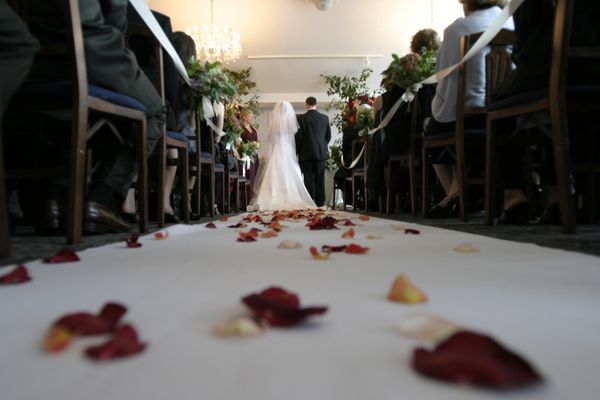
Most Chinese weddings do not have a ceremony per se, but a celebratory banquet similar to what Westerners would call the reception. Therefore, my sisters’ wedding was a big mixture of Western and Chinese traditions, with a Western ceremony at a church, and a Chinese banquet that followed with a tea ceremony in between.
Here are a few Chinese wedding traditions that were incorporated into the wedding:
- According to Chinese belief, there are only a few dates a month that are “good wedding days." Getting married on a specific date is very important because it will either bring good or bad luck to your whole marriage.
- It is traditional to have a tea ceremony before or during the wedding for aunts, uncles, grandparents and other family members to give gifts of jewelry and money to the bride and groom. The bride and groom give cups of tea in exchange for the gifts.
- In the Western world, it is common for the bride to move into the future home of the couple before the wedding. However, to the Chinese, it is important that the bride does not leave from that home to go to the wedding. It is best to leave from the parents’ home, as a symbol of her leaving her parents’ household and joining her husband’s household.
- Similarly, at the reception — or banquet, as it is usually called — there is no head at the table, as customary at a Western wedding. Instead, the bride sits with her husband’s family.
- It is also normal for the bride to change clothes through the course of the night. My sister wore a traditional wedding dress for the ceremony and a Chinese dress for the banquet.
Admittedly, there were moments when we were planning the wedding that I got frustrated that we had to include some of the traditions of Timmy’s family, but now when I look back on the day, they do not seem like such a big deal. In fact, they gave the day a special, unique flavor. I have never seen a wedding that blended two cultures so well. Timmy and Dawn did a fantastic job of honoring both sides of the family.
Personally, I love tradition, and I feel very strongly about keeping tradition, which can make it hard for me to change and be open to new ideas. But, the more I released my expectations and had an open mind for the wedding, the more I was able to not only enjoy the wedding day, but the entire wedding planning experience. Ultimately, I was able to appreciate Timmy’s family’s desires to have their culture's traditions in the wedding.