
Steve Jobs was a brilliant man, and many people agree that the world would not be the same without him. Apparently, neither will Apple. Since his death in 2011, Apple has been slowly backing away from his stubborn ideas and doing the things he swore he'd never do. To everyone's surprise, most of these things have been a hit and profited the company greatly. Here's a look at the times when Steve Jobs said no, but Apple got it right.
Bigger Phones
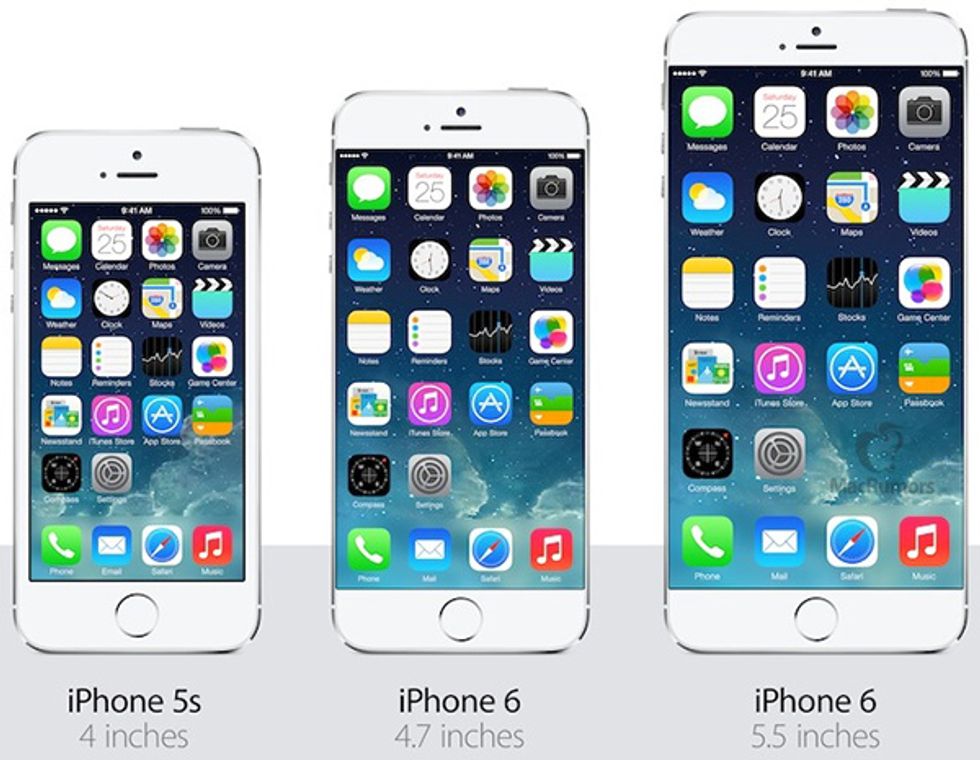
In 2010, Apple was asked if it would consider making a larger phone to improve antenna reliability, Steve said no. In fact, he even called Samsung Galaxy phones "Hummers," and insisted that people wouldn't be able to use bigger devices easily with one hand. However, now that phones are being used for not just for emailing and voice calling but more so for media consumption, there was a cry across the globe for bigger devices. Apple saved the day and created the iPhone 6 and 6 Plus, totally against the disdain of Jobs and to the delight of Apple fans.
Smaller Tablets
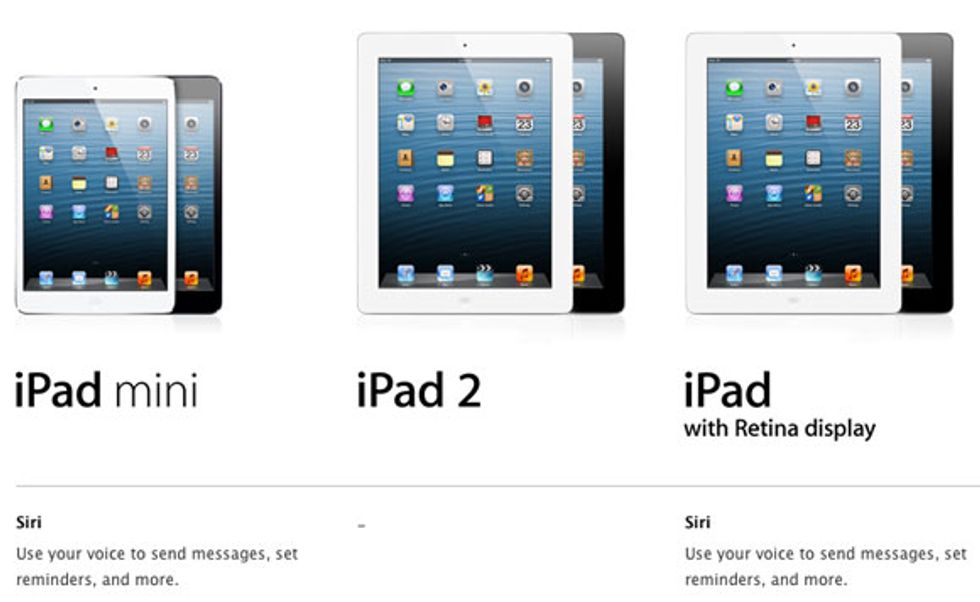
In October of 2010, Steve also discussed his dislike for small tablets. Jobs said that the iPad's 10-inch screen was the "minimum size required to create great tablet apps." He made a point that "there are clear limits of how close you can physically place elements on a touch screen before users cannot reliably tap, flick or pinch them." A year after Jobs died, Apple introduced the iPad mini, which is by far the best-selling iPad that the company has created.
The Stylus
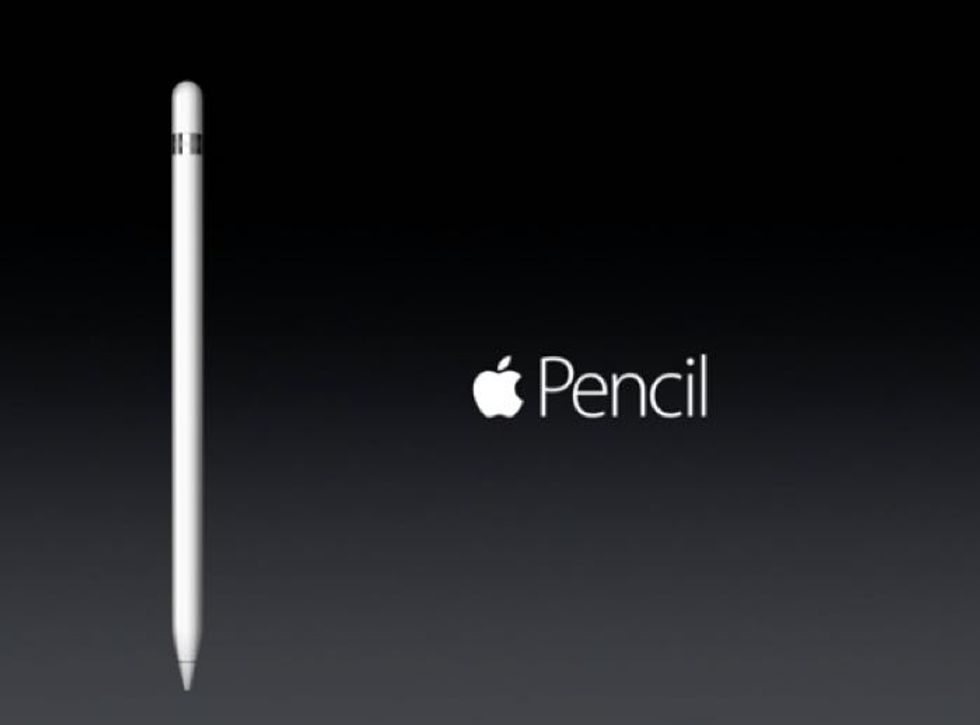
"Who wants a stylus? You have to get them, put them away, you lose them. Yuck! Nobody wants a stylus." This is a quote from one of Steve's famous rants while introducing the iPhone back in 2007. This was in mockery of the Android phones of the time that featured the stylus. Now, the joke's on him. Apple will introduce "The Apple Pencil," a stylus that will come with the iPad Pro when it is introduced in the spring.
Non-Skeuomorphic Interface
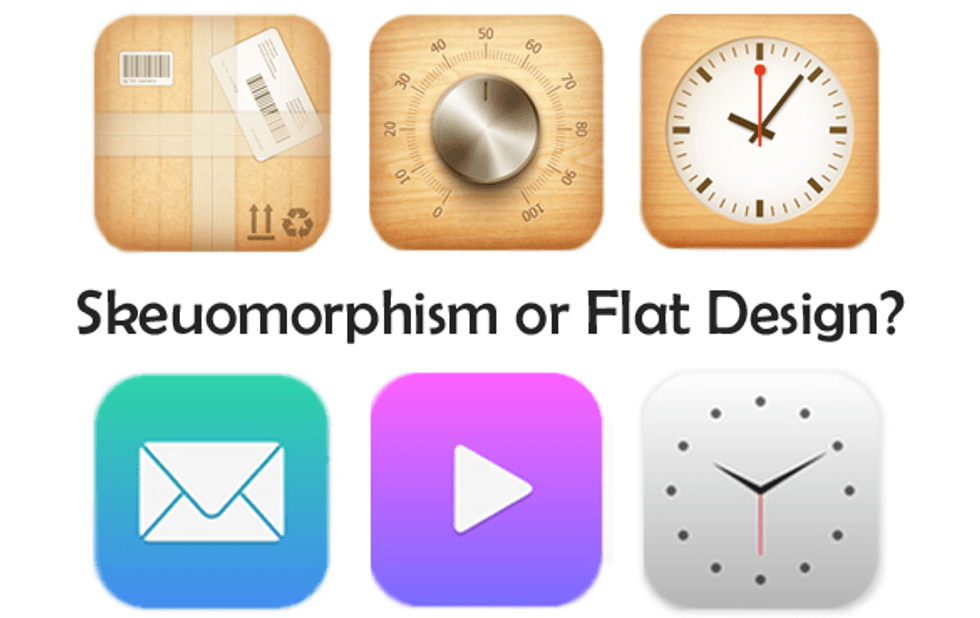
Skeuomorphism is the design concept of making items represented resemble their real-life counterparts. Apple, while under the direction of Steve Jobs, was known for its wide usage of skeuomorphic designs in various applications. The wooden shelves in the bookstore app, the linen background in the mail app, and the legal pad design of the notes app are all things Steve Jobs stood behind. He wanted the iPhone's software to mimic real life. After Jobs died, Apple iOS7 did away with all things realistic and created sleeker, flat applications that looked more colorful on the iPhone.
Apple has even made changes in humanity since Jobs died. Tim Cook, the new CEO of Apple, has branched out with philanthropic and charitable efforts -- something that Jobs never wanted to do. Apple has also bought innovation instead of creating it themselves. We see this with their $3 million Beats by Dre purchase.
Steve Jobs was undeniably a genius, but Apple continues to improve upon his legacy and even prove him wrong not by brilliance alone but by innovation. Apple post-Jobs looks like it's moving forward with the desire for continual change; something Jobs had trouble getting on board with.