On the morning of June 12 at 9 A.M., I was drowsily coming to in my hotel room in Ocean City. My friends and I were heading back home that day and before getting up, I rolled over to grab the remote so I could turn off the television that had been left on all night. Instead of being met with the usual daily weather update, all I see in the headline is “AT LEAST 20 KILLED IN MASS SHOOTING AT ORLANDO NIGHTCLUB” (this of course was only seven hours after the shooting occurred, so estimates were lower).
This type of carnage should have produced some feelings of shock or disbelief within me, but there were none. It was a tragedy and I was upset that it had occurred, but there was absolutely no surprise. The United States, which holds less than 5 percent of the world’s population, owns 35-50 percent of the world’s civilian-held guns, and also has the highest homicide-by-firearm rate among developed nations.
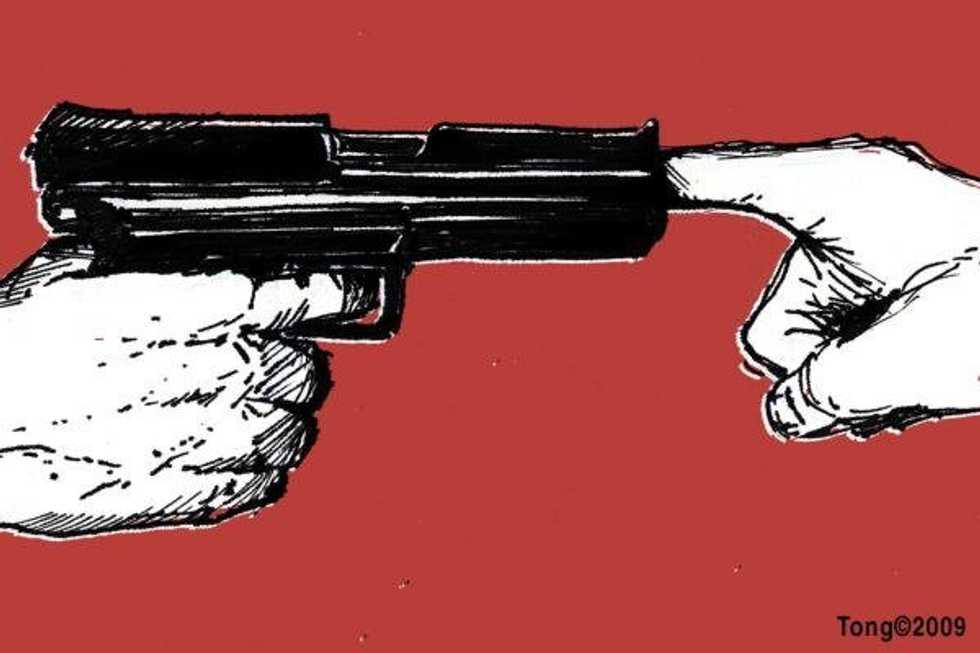
Gun control is a controversial issue in this country, one that keeps Republicans and Democrats deadlocked in opposition with no actual reform being made. Meanwhile, shooting after shooting keeps terrorizing the country. So far in 2016, there have been over 140 mass shootings in the U.S., and we’re barely out of June.
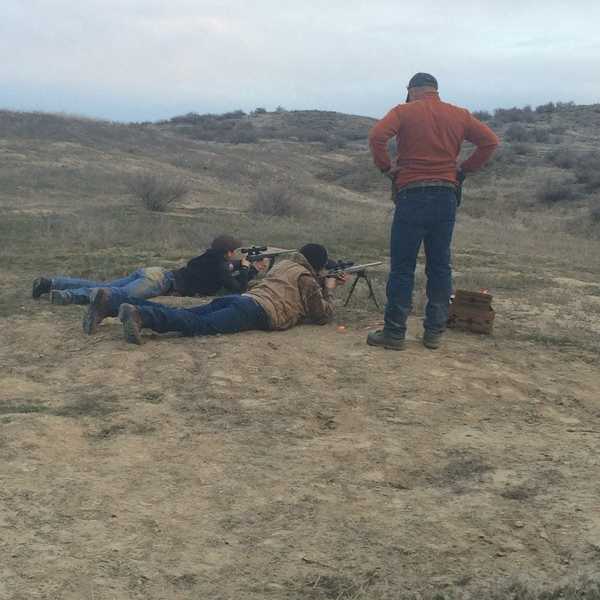
Due to the 2nd Amendment, gun ownership is incredibly important to many Americans. At the thought of gun control, many have scoffed, “Obama better not try to take my guns. It’s unconstitutional!” While yes, I believe the public does have the right to own guns, the restrictions on buying and possessing these weapons need to be tightened immensely.
Let’s take Australia for example. Australia and the United States are pretty similar; we both speak English, are capitalistic, and hold similar cultural values, but we address gun control very differently. In 1996, Australia experienced a mass shooting, known as the Port Arthur massacre, in which 35 people were killed by a gunman using a semi-automatic weapon. Immediately, Australia worked to implement the most comprehensive firearm laws in the world. The United States has seen countless mass shootings like this, and what have we done? Merely tried to implement background checks?
The law that Australia passed immediately following the massacre was the National Firearms Agreement (1996). This law banned automatic and semi-automatic weapons, enforced a 28-day waiting period after someone applies for a firearm license, required individuals to present a “genuine reason” for obtaining a firearm when applying for a license (personal protection did not count), as well as a host of other provisions that restricted the sale and ownership of firearms. They then instituted a temporary gun buyback program for firearms that had now become illegal, which pulled over 600,000 firearms out of circulation.
The result? Australia hasn’t had a mass shooting since and their firearm-related death rate went down considerably. The U.S. experiences 10.54 firearm-related deaths per 100,000 population per year, while Australia experiences 0.93. Unlike what some Americans believe, the problem isn’t that there aren’t enough guns and that people need more to protect themselves, but there’s too many, and I think Australia is the perfect example for the United States to follow.