In Jayson Reynolds and Brendan Kiely’s novel "All American Boys," both a white and black author come together to co-write a novel that toggles between the viewpoint of a white teenager and a black teenage in the modern United States.
The main conflict of the novel centers around an all too familiar story of a white cop taking down a black man (in this case 16 year old Rashad) and beating him senseless for a crime he did not commit. Rashad found himself writhing under officer Paul Galluzzo’s fists after a white lady tripped over him at a convenience store while he was digging in his duffle for his phone, causing the bag of chips in his hands to fly across the floor…the Galluzzo and the store manager believed he was stealing.
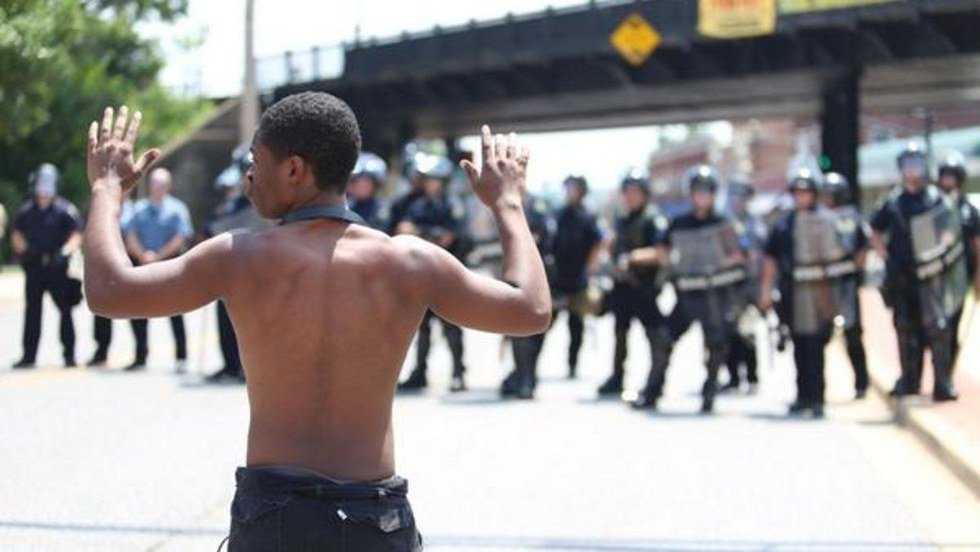
Despite Rashad throwing his hands up he was labeled guilty until proven innocent and was observed by a group of bystanders, including white teenager Quinn, as Galluzzo proceeded to break a few of his ribs and his nose…he was not resisting.
Throughout the novel, the authors invoke the media often to show stories of those who are clearly innocent and are made subject to skepticism based on stereotypes and misconstrued information. They have newscasters interviewing people on their thoughts regarding Rashad with some saying that based on the way he was dressed, tee shirt, jeans, and sneakers they would not be surprised if he did steal from the store. This victim blaming based on their appearance is something that the media jumps on every time a black on white crime reveals itself (i.e Trayvon Martin) but as Rashad says:
“…who doesn’t wear T-shirts? Every kid in my school does. And sneakers, And sweatshirts.”
…what was he supposed to be wearing on a Friday afternoon a three piece suit and penny loafers?
"All American Boys" closes with a peaceful protest by those involved despite the detail that the police are armed with military grade weapons including an army tank, a detail that gives a nod to Reynolds and Kiely’s commentary on the militarization of the police. At these protests both Rashad and Quinn’s story finally meld together as they both lay on the pavement of a street while someone lists the names of those black men who were not so fortunate to live after their encounter with police. In the last chapter Rashad, timid at first about how to take a stand in the black community after the assault came the conclusion that:
“For all the people who came before us, fighting this fight, I was here.”
And Quinn was able to comprehend that both he and Rashad were all American boys, except the system favored people like him over people like Rashad as he expressed:
“All I wanted to do was see the guy I hadn’t seen one week earlier. The guy beneath all the bullshit too many of us see first—especially white guys like me who just haven’t worked hard enough to look behind it all.”