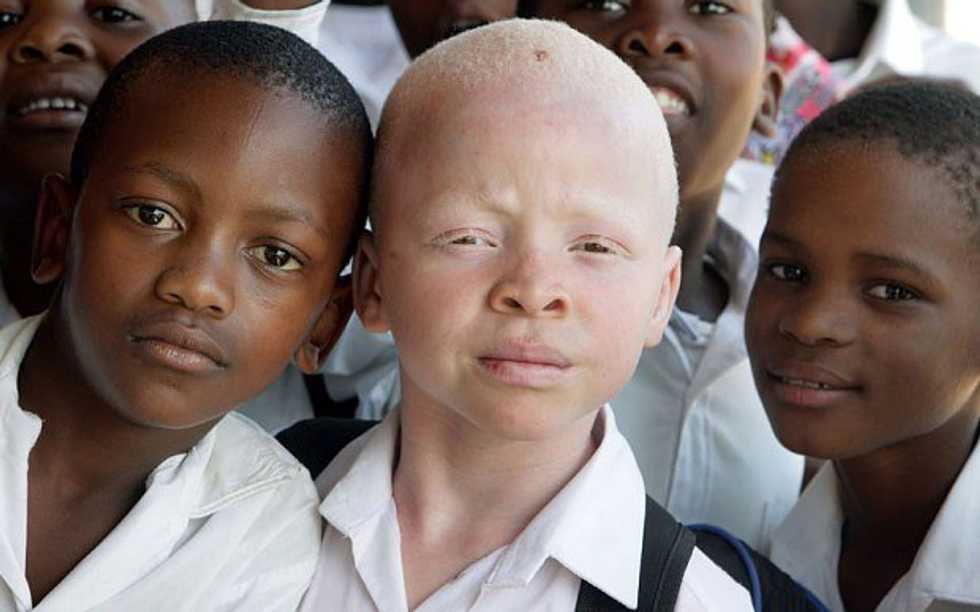
While volunteering in a predominantly black area a few years ago, I noticed a little boy sitting alone working on his homework. This boy looked much different than the rest. His skin and hair were colorless, and his eyes were a faded shade of brown. Looking at the thickness of his little lenses, I could tell he had poor eyesight. But what struck me the most was that his facial features look similar to those of the kids around him. This meant one thing. He was albino.
This vivid memory came back to me while watching an episode of the documentary “Albino Murders” by National Geographic. The episode introduced me to a current problem in Tanzania.
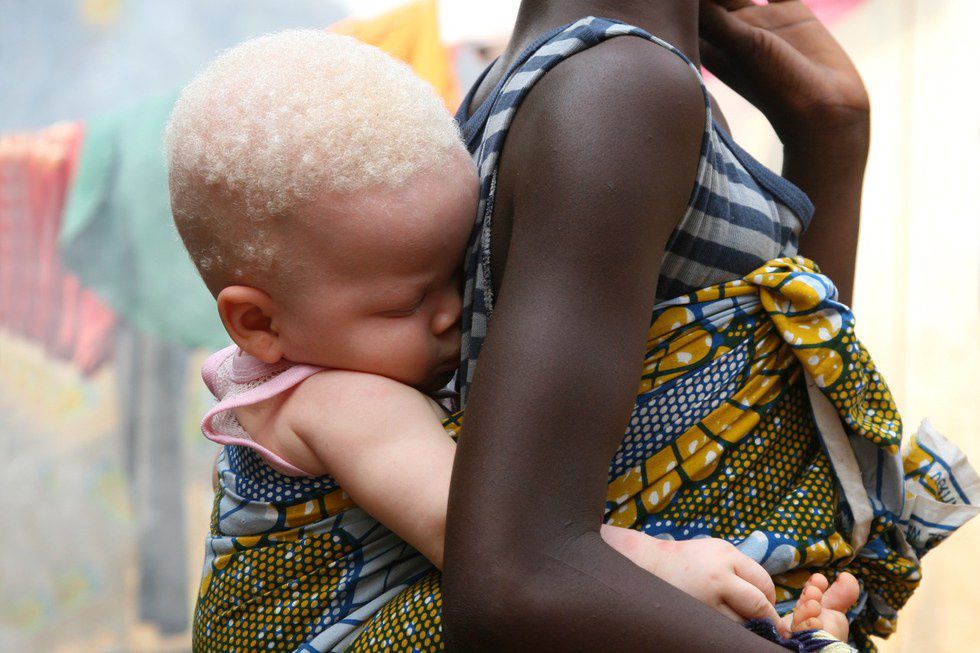
According to BBC News (2015), albinism affects around one in every 1,400 Tanzanians, far higher than average. These albinos live in fear. Not only do they have poor vision and are at high-risk of skin cancer, but they are hunted down like wild animals. They are born in the same way everyone else is, but are considered ghost spirits, “nothingness,” and are thought of as stupid or evil (National Geographic). Their body parts are said to promise riches, bounteous harvest, and election victories. Their bones are even used by witchdoctors as ingredients for their potions.
BBC News (2015) also found that over 70 albino people have been murdered in the last three years. In February of this year, an albino toddler was found dead in Tanzania with all his limbs removed. His arm could sell for as much as $4,000, and his entire body could have been worth up to $75,000 according to the International Federation of Red Cross and Red Crescent Societies.
Because of the high value of albino body parts, parents even sacrifice their child if he or she is albino. They sell the child to witchdoctors in return for money, or act as an accomplice when the child is murdered. “What kind of war are we fighting if parents and family do this? Who can we trust?” says Josephat Torner, albino campaigner and albino himself in Tanzania.
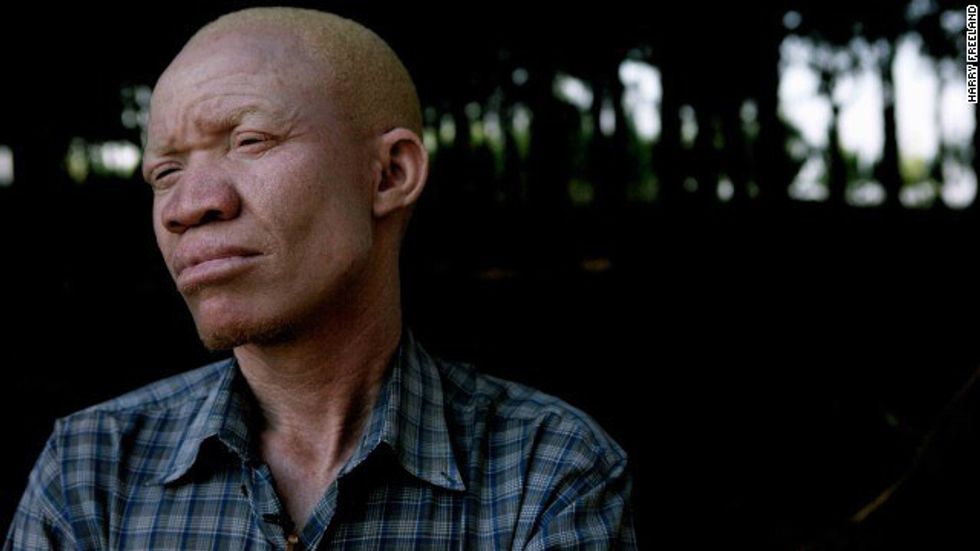
Contrary to the beliefs of many people in Tanzania, people with albinism are far from evil. They are normal human beings, born in the same way those without albinism are. They love their friends and family and have hopes and dreams just like everyone else.
Today, there are organizations with the mission of protecting people with albinism in Tanzania. For example, The Salif Keita Global Foundation founded in 2005 strives for fair treatment and social integration of people with albinism. Salif Keita himself founded the foundation. He was born with albinism, suffered from social isolation as a child, and has been cited as “perhaps the greatest talent Africa has ever produced” (African Success).
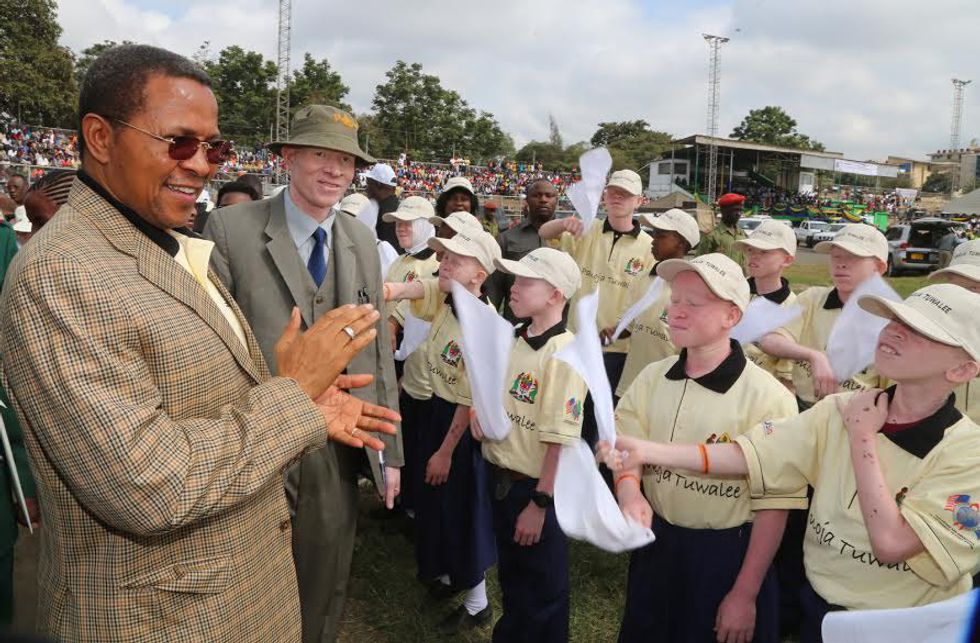
On June 13, 2015, International Albinism Awareness Day was celebrated for the first time ever. This new international holiday, which addresses an important human rights issue, gives me hope that such injustices will soon be left in history.