

Perhaps I'm just a creature of conflict, but one of the things I value most are friends I can disagree with. Don't get me wrong, most of my best friends share the majority of my opinions (and one could argue that's a default setting in human nature), but every disagreement we have ever had has an effect on how I see the situation pertaining to the discussion at hand. Disagreements are, in my opinion, far too often seen as negatives. I, clearly (and funnily enough), disagree with this. Opposing views keep us in check and force us to see other sides of arguments.
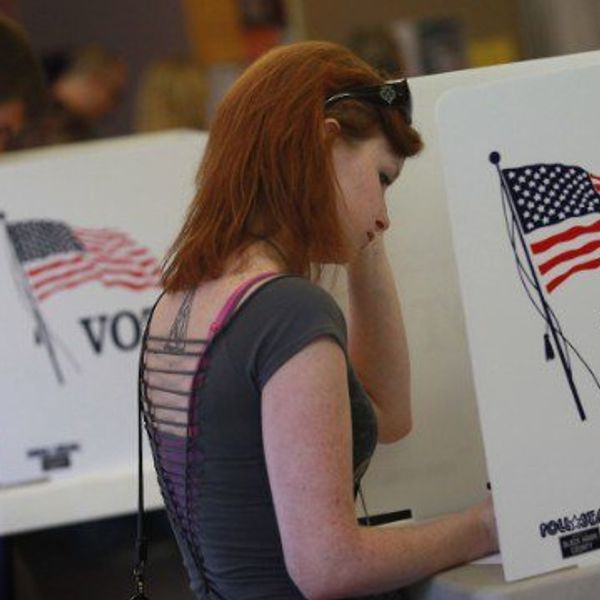
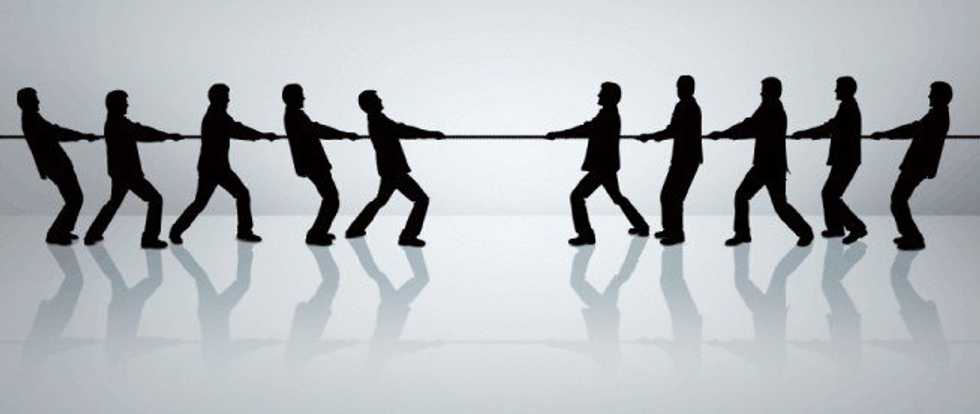
The problem with opposition, however, is that, despite what we like to believe, we, more often than not see two sides to a situation: good and bad which, inherently, progress to right and wrong. This can then grow into a matter of smart and stupid and everyone always thinks they're in the right, otherwise they wouldn't be arguing, would they? This leads to a few dilemmas on both large and small scales. A small scale being someone losing respect for someone else they previously respected due to a difference in opinion and a large-scale being the Republican Party and the Democratic Party, their following and, therefore, their leadership.
Opposing sides are both inevitable and necessary, though, so, we may as well listen to them with an open mind and consider that, perhaps, the person on the other side has a brain of their own and reasons to believe what they do. This is where I get interested in this topic. We are living in an era of connection between people of all types from everywhere. This provides for more than two sides to any single argument due to the an almost immeasurable series of factors. This is insanely exciting to me.
Another issue with disagreements is another extreme. The other side and whoever's on it can be wrong. Opinions are opinions; I'm not disputing that, but opinions come from somewhere and, a lot of the times that somewhere is supported (hopefully), at the very least, one fact. These facts can be wrong or biased or nonexistent depending on the source (or lack thereof).
This doesn't lead to wrong opinions. We all learned in elementary school that there's no such thing, but it does lead to misinformed opinions, which is, admittedly, something that is seen too often today. This is where, I believe, most arguments are rooted. Misinformation in addition to differing backgrounds and viewpoints sends people into a frenzy of disagreement and people calling other people stupid and, of course taking sides. This, again, splits us up into the two aforementioned sides, good and bad, on the two aforementioned scales; large and small. This happens anywhere from breakups to larger arguments like a woman's right to choose.
My point is that arguments can be messy, they almost always are and they almost always never end well. But there is something beautiful in a friendly agreement to disagree. It creates an understand between people, builds bridges, and, contrary to popular belief, strengthens friendships. I am one of the more competitive people and I don't like to lose, but I do like a good run for my money. So, when a good, well informed, opposing argument comes from a person I know to be smart (especially someone smarter than me), I jump at the chance and fight as best I can and, I have to admit, it's some of the most fun I have. What that says about the excitement my life holds, I don't know, but it keeps me going, fuels my interests, and ensures my mind remains open because, sometimes, I lose.
















