
What on Earth just happened in Iowa?
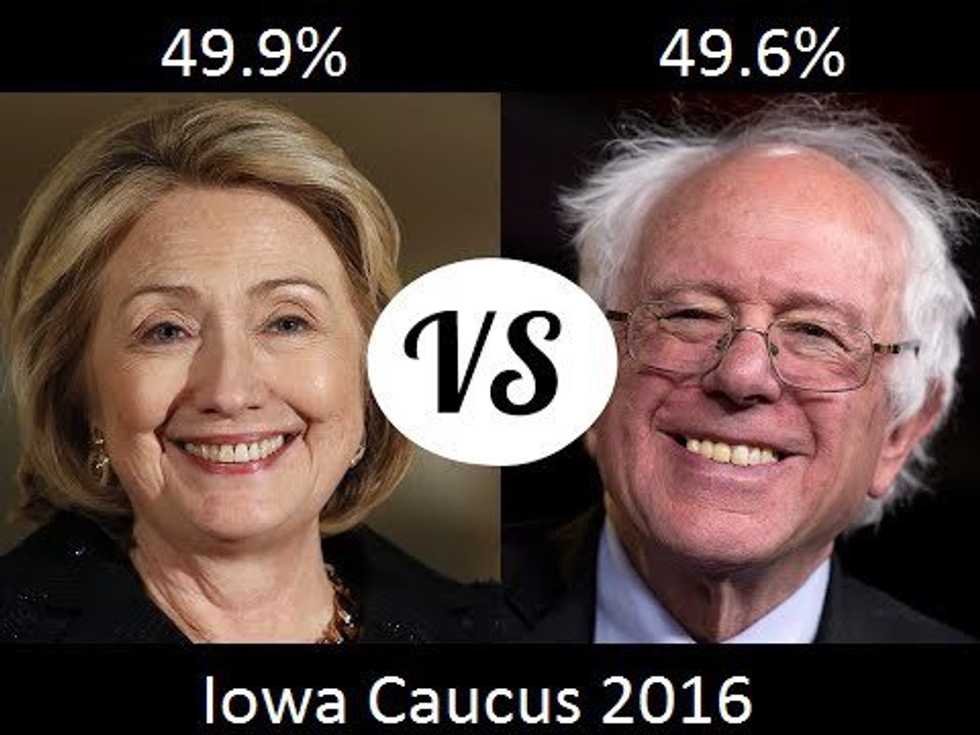
Few, if any, could rightfully claim to have expected the results of the Iowa caucuses. Bernie Sanders and Hillary Clinton split the available delegates nearly in half, with Hillary Clinton winning by only a few tenths of a percentage point. Martin O'Malley, the little known third Democratic contender withdrew before the precincts were even done being counted, as it became increasingly clear that he was not even going to reach one percent.
What, in a few words, caused these results?
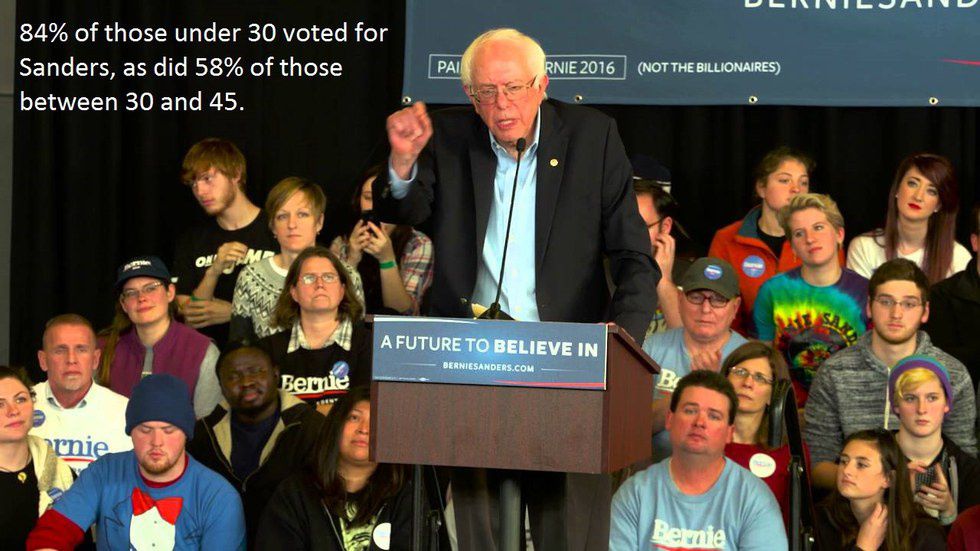
For the Democrats, one of the most important things to look at is not the gender differences, although there were some, but the differences in the age of voters. Under the age of 45, voters went with Sanders. Over the age of 45, voters were more likely to vote for Clinton. Under the age of 30, 84 percent of voters went with Sanders, crushing Hilary Clinton. However, voters under 30 were only 18 percent of the total vote, with voters between the ages of 31 and 44 making up another 19 percent.
Income was also an important factor on the Democrat side. Those with a total family income under $50,000 a year were more likely to vote for Sanders, with those over $50,000 going for Clinton, especially those making over $100,000.
Sanders also led among those who were attending their first caucus, those who normally think of themselves as independent or something else, those who consider themselves very liberal and those who are not married. All of these responses point back to the importance of the age gap; those who are younger are more likely to fit into all of those categories. Nearly half of those 18 to 33 claim to be independents, and in the age group as a whole, 51 percent identify as a Democrat or Democratic-leaning. The average age of marriage has increased to 27 for women and 29 for men, meaning those in the under 30 group are likely to fit into this category.
Of course, candidate qualities also mattered to voters, and strongly. Clinton supporters believed the ability to win in November and having the right experience were the most important qualities. Honesty and trustworthiness were categories important to Sanders supporters. Sanders also led among those who wanted a candidate who cared about people like them.

What does this mean going forward?
It means that the youth turnout is going to matter more than ever. Young voters gave Obama a lead over Clinton in 2008, but youth turnout in Iowa was slightly down from what it was eight years ago. Voters under 45 were only 37 percent of the vote in Iowa and if turnout among younger voters does not increase as the primaries and caucuses continue, it signifies a likelihood that Clinton will win the Democratic nomination. Although Clinton and Sanders were close in Iowa, the Buckeye state has different demographics than most of the country, and some say that even if Sanders continues to do well, perhaps even winning in New Hampshire, he will not be able to muster a victory in many later states.
Turnout is going to be the key factor going forward. 171,000 people voted in the Democratic Iowa Caucuses, down from 220,000 in 2008. Yet turnout among Republicans was up from 2012, from 120,000 to 186,000. Not only did fewer Democrats turn out than Republicans, but they did not manage to surpass or even equal their own numbers from eight years ago.
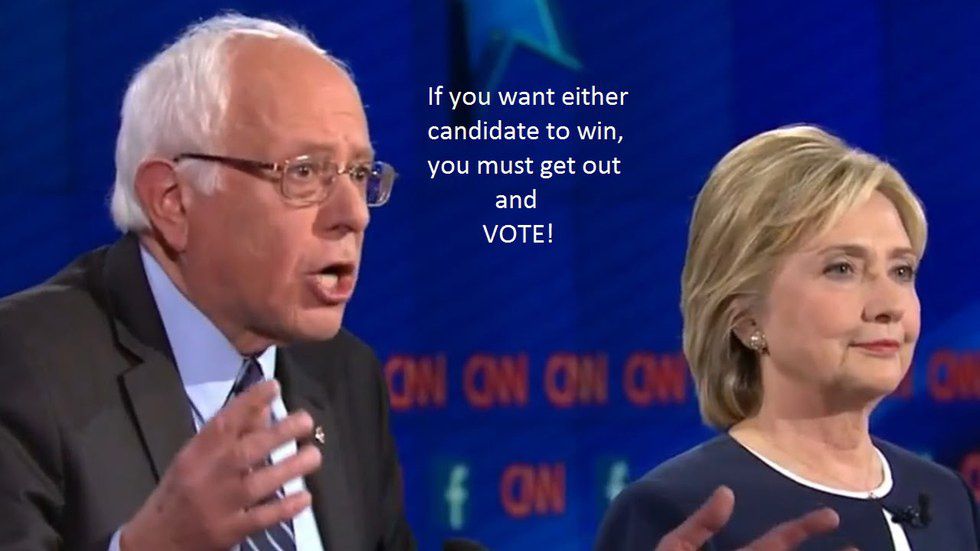
Predicting this election seems ridiculous with all the upsets that have been seen so far, but one thing seems clear: if young Democrats do not turn out for both the primary and the general election, Clinton will easily capture the nomination, but struggle and possibly fail to win against the Republican nominee.
It will all come down to who votes.
Will you?
All statistics are from this NBC poll conducted on the night of the caucus.