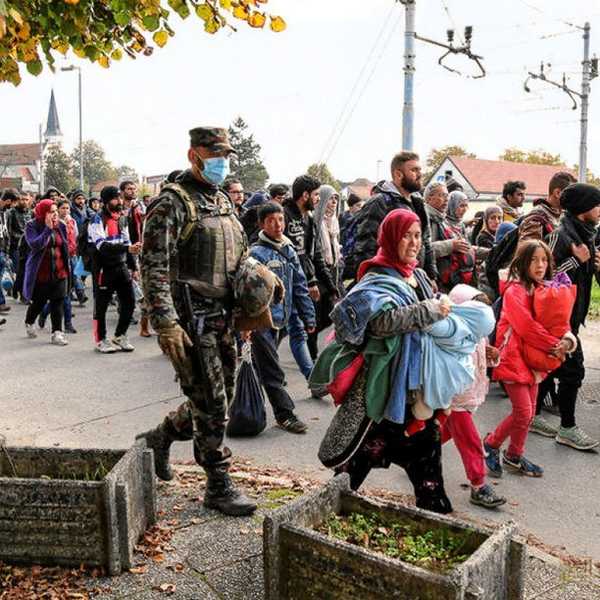
With the ongoing crisis in Syria, millions of people have been uprooted from their lives and forced to flee for their safety. Most have been seeking safety in various European countries, facing dangerous and deadly journeys, only to be turned away or arrested. And, though slightly less dramatic as a story, many of the people immigrating to the United States from Central and South America are fleeing similar unrest in their own countries, making it possible to consider them refugees.
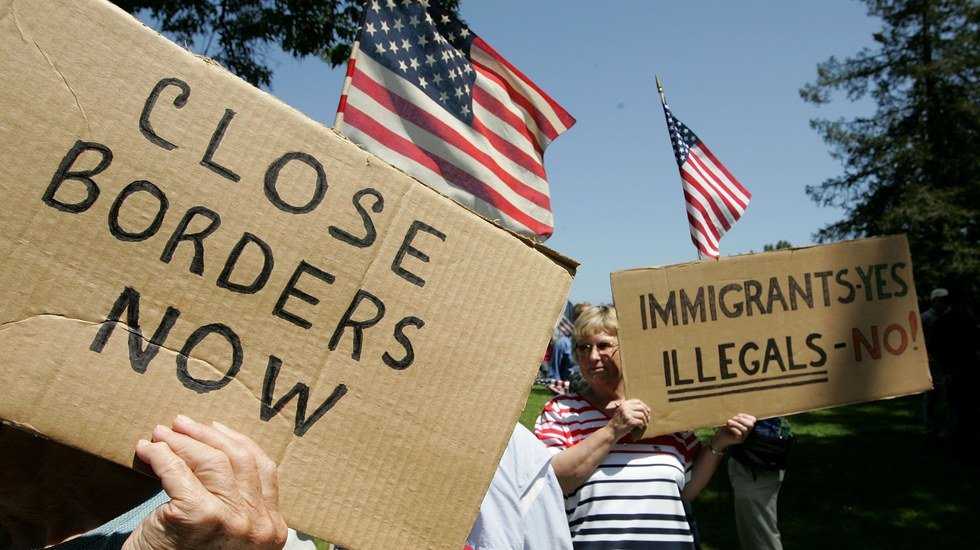
The most crucial common element in both situations is that the countries where people are seeking asylum are turning them away, and some of the citizens of these countries harbor an irrational fear towards refugees.
One of the most common arguments I’ve heard in defense of turning away refugees is that people are worried that members of ISIS are going to sneak in under the guise of being refugees. There are similar fears about the intentions of people immigrating to the United States (again, just ask Donald Trump).
However, if this is the only reason people have for their fear of refugees, it’s completely unfounded and ignores the larger issue at hand. Unfortunately for all of us, if terrorists want to infiltrate a country, they’re going to find a way to do it, and it’s probably not going to be via a rubber dinghy packed with 40 other people. It’s possible, but it’s not very likely. And in categorizing refugees as possible terrorists or criminals, we’re ignoring the 99.99% of them that would probably be fantastic, upstanding citizens.
For those of you that think I’m exaggerating, I’d like you to imagine the kind of people that are willing to leave behind everything they know to travel to a completely unfamiliar place to start a new life. First of all, it should be obvious that the conditions in their home countries are unlivable—otherwise, there’s no way people would be risking their lives just for the chance of a better life. And secondly, it takes some serious courage and grit to travel hundreds of miles with hardly any money or supplies. Once they arrive, people like that aren’t going to risk the newfound freedom they’ve gained by breaking the law.
And finally, though it sounds cheesy, they’re just like us. Or at least, they’re just like our ancestors. For the most part, everyone in America is either an immigrant themselves or descended from them. And the early Americans were exactly like the immigrants and refugees now—they were fleeing unrest or persecution, searching for a better life. Everyone praises them for their bravery, their hard work, and their patriotism; so why are today’s immigrants and refugees different?
In a country founded on the principles of freedom of opportunity, it seems hypocritical to start telling people now that they’re not good enough to come inside.