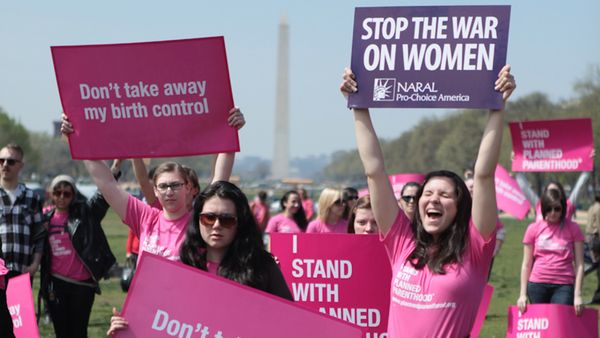
I first visited Planned Parenthood when I was 16. At the time, I was too afraid to ask my mom personal questions about all things woman. (I could make a list here, but I’m sure the ladies reading this know what I’m saying.) From a female advisor, I learned a doctor at the facility could confidentially give me the scoop about the hips I was beginning to develop. However, this wasn’t the last time I paid a visit to Planned Parenthood. Once, I skipped a day of high school to accompany a friend whose period was a week late. Another time, I left soccer practice to escort a girl to the office who wanted to discuss birth control options, a service she couldn’t afford through her primary care doctor. In college, I knew a girl who rode her bike to Planned Parenthood to pick up Plan B, or “the morning after pill” when someone she knew didn’t feel confident about a recent sex partner. I’ve found unanimously girls, specifically those in college, wish to both receive an education and live a responsible sex-positive life. From youth, I’ve supported Planned Parenthood for their positive reproductive rights approach, no matter a person’s age, gender or sexuality.
This past week, the Supreme Court made the biggest move in favor of pro-choice activists since Planned Parenthood v. Casey in 1992. The 1992 ruling established three conditions to a woman’s right to abortion, thereby clarifying the primary Roe v. Wade case in 1973. By law, women were to obtain parental consent, understand informed consent, and undergo a 24-hour waiting period. The revisions made to the Roe case back then were viewed as restricting. For the most part, I support the 1992 rulings; a process for an abortion should be enforced because a carrying a life form is life alerting. Nonetheless, I believe the decision should be left for a woman to make and not a government who is removed from the situation.
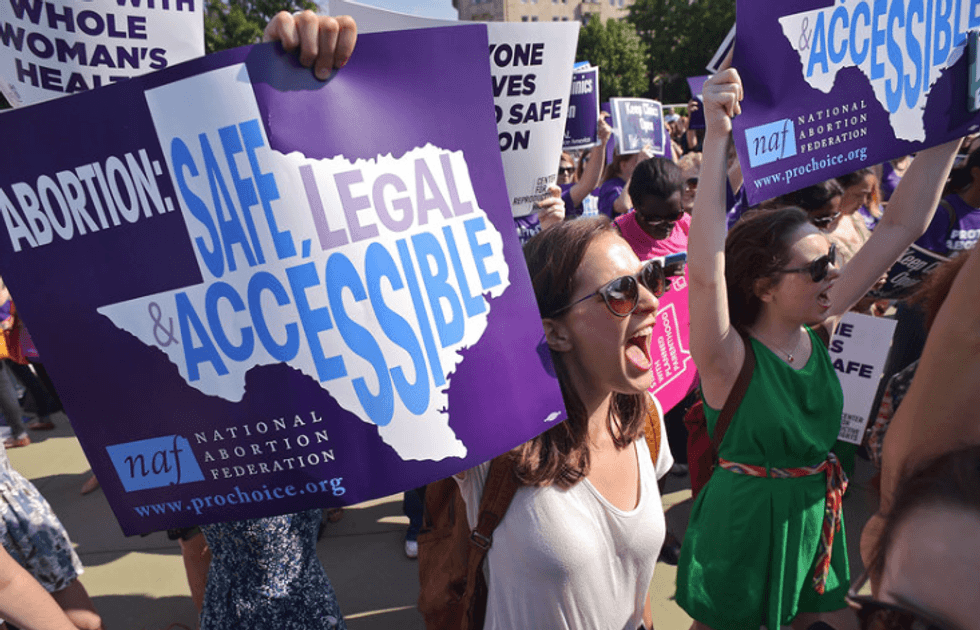
Last week’s 5-3 decision strengthened initial reproductive rights given to women in 1973, a major milestone since states have enacted 300 separate abortion restrictions since 2010. Current laws require doctors to have “admitting privileges,” meaning they must meet standards of nearby surgical centers. It was this procedure that was overturned. Lawmakers claim admitting privileges are in favor of women as they ensure safe medical practices. Yet, the Supreme Court found such processes violated the 1992 prohibition on placing an “undue burden” on the ability to obtain an abortion. This verdict will lead to a sweeping change in abortion clinics nationally as similar restrictions are now deemed unconstitutional.
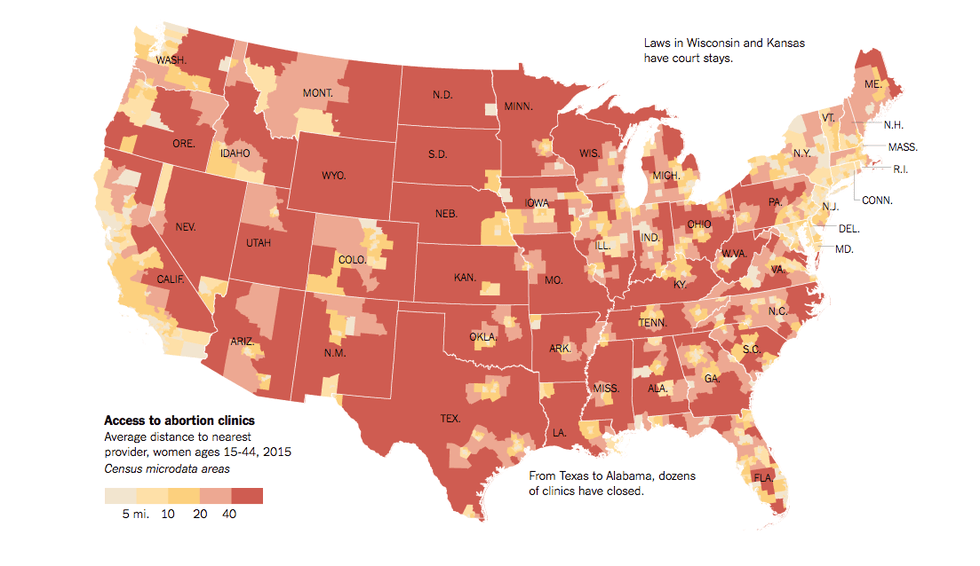
Abortion has always been a controversial topic. As a woman, I have the ability to create a new life form — and I think that is extraordinary. President Obama commented on the issue, saying, “Every woman has a constitutional right to make her own reproductive choices.” While I believe in the moral life of a baby within a womb, I also know every woman has her reasons for wanting or not wanting a lifelong responsibility. I agree with President Obama. I believe in having my own voice about my body because that’s just it. This physical body is mine alone. As a friend once said, “This is my body, and these are my rules.” Last week’s Supreme Court decision is a step in the right direction toward the personal governance of my own body.