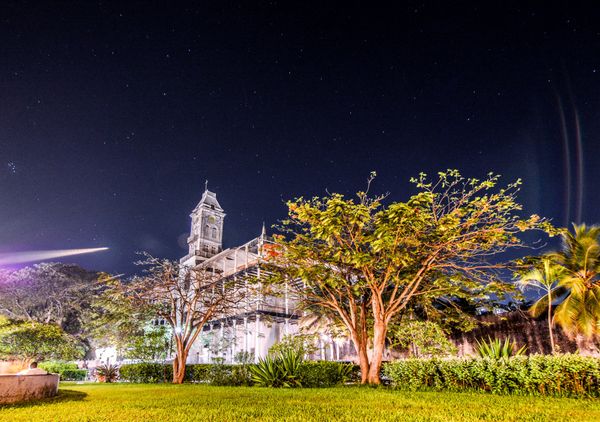

The tourist industry in Egypt has undergone an unfortunate setback since the revolution of 2011, and most people are wondering what there is to do there these days. To be completely honest, there’s still everything to do in Egypt. Egypt is still full of expats and international students who venture through the streets every day. Exploring the greater Cairo area, Lower Egypt, Upper Egypt and the hospitable people are what makes this country such an incredibly adventurous destination for foreigners. Just because the tourists left doesn’t mean that Egypt did.
1. Highly Under-appreciated and Slightly Unkempt: Coptic Cairo
One of my first few days in Cairo, I had the absolute pleasure of exploring Coptic/Old Cairo with this semester’s posse of international students. As a religion major, I was unabashedly star-struck at the religious history. Between the Babylonian Fortress, the Hanging Church and Abu Serga, I almost felt guilty, as we noisily trudged through the homestead of the Copts. It is even traditionally accepted that the family of Jesus sought refuge in one of the churches as they attempted to flee persecution. Whatever your religious or non-religious beliefs are, that’s some pretty remarkable history to see firsthand.
2. Literally Overflowing with History: Egyptian Museum
In the heart of downtown Cairo, Tahrir Square, elegantly sits the Egyptian Museum. It’s easy to find, everyone knows where it is, and you have to see it at least once. However, as this building is so packed full of artifacts, one trip won’t actually quench your thirst for discovery. It would quite literally take days, even weeks, to explore the entire place.
To answer the glaring question, yes, there are lots of mummies. I paid somewhere around 5 USD (with a student discount) to enter the Royal Mummies Room. I hoped I would be more elated, but I sort of ended up feeling bad for the mummies. After all, in their lifetimes, most of them were regarded as nearly divine. I think it’s a slightly cruel fate for them to have to be gazed upon for the rest of eternity.
In general, the museum is a phenomenal, affordable attraction for foreigners. The room designated for King Tutankhamen, which my Egyptian companion was joyously proud of, was something I’ll not soon forget. The entire room is black with hundreds of gold artifacts brilliantly lighting up the space. Tutankhamen may be the main attraction, but the museum offers so much more for the Ancient Egyptian addict.
3. Cliché and Completely Worthwhile: Pyramids of Khufu, Khafre, and Menkaure
I paid 100 LE — only about 10 USD — to go inside the Great Pyramid of Khufu. After all, it is the oldest of the Seven Wonders of the Ancient world, so why not? After entering through a robber’s tunnel, climbing at an incline for about 15 minutes, and becoming increasingly dizzy due to lack of oxygen, we made it into the King’s Chamber. It was hot, dark and unimaginably difficult to breathe. Outside there were hundreds of people sweating in the heat, yelling in Arabic, and selling things for outrageous prices. Was it utterly, completely worth it? Oh yes, it most definitely was worth it. Even if foreigners are charged a significantly higher amount than Egyptians, I recommend the climb 10/10 times.
Elaboration on this complex of Giza would be simple; we’ve all seen the photographs. There’s also the Great Sphinx, the Queen’s Pyramids and countless Egyptian restaurants with a pyramid-side view. However, there’s only so much I can describe from my memory. You should just go there.
4. Slightly Overrated and Grossly Sexy: Ain Sokhna
A little port town on the coast of the Red Sea, Ain Sokhna is a fun place to relax for the weekend or even just a day. We spent one February weekend there soaking up the sun at a resort called the Swiss Inn. To our luck, the beach was not crowded at all due to February still being winter for the Egyptians. There were belly dancers and loud Arabic dance music in the mild evening. Then we partook in kebab and zalabya during the day. I found out why the Red Sea is referred to as red—wow! Overall, Sokhna is a cool, relaxing place that I recommend for short visits at a time. If you manage to avoid the jellyfish and tourist traps, it is a magnificent beach getaway from the desert. The weather is wonderful year round for those of us from the Northern United States.
5. Mesmerizing and Terrifying: Khan al Khalili
The renowned bazaar district of Islamic Cairo is just as seductively beautiful as it is portrayed to be in literature and film. There are hundreds—even thousands—of people searching for what may or may not be screaming deals on authentic Egyptian products. The atmosphere is exhilarating, but it’s also moderately terrifying. If you don’t want to encounter at least 10 million of the 20 million Cairene natives in one setting, do not go out on a Thursday night. My first taste of the Khan was just that; the night before a day of prayer. The weekend here begins on Thursday night, so literally every person, their children, and friends want to go see the souk just as badly as us foreigners do. It’s a must-see in Cairo, but maybe not on a wild Thursday evening.
6. Somewhere Old, Something New(ish): Citadel of Qaitbay
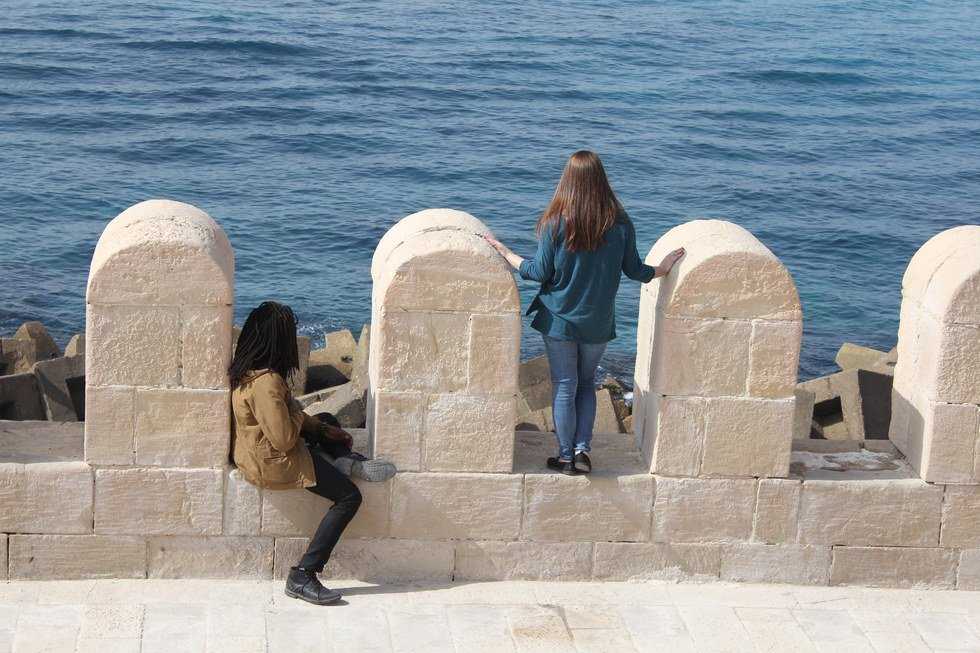
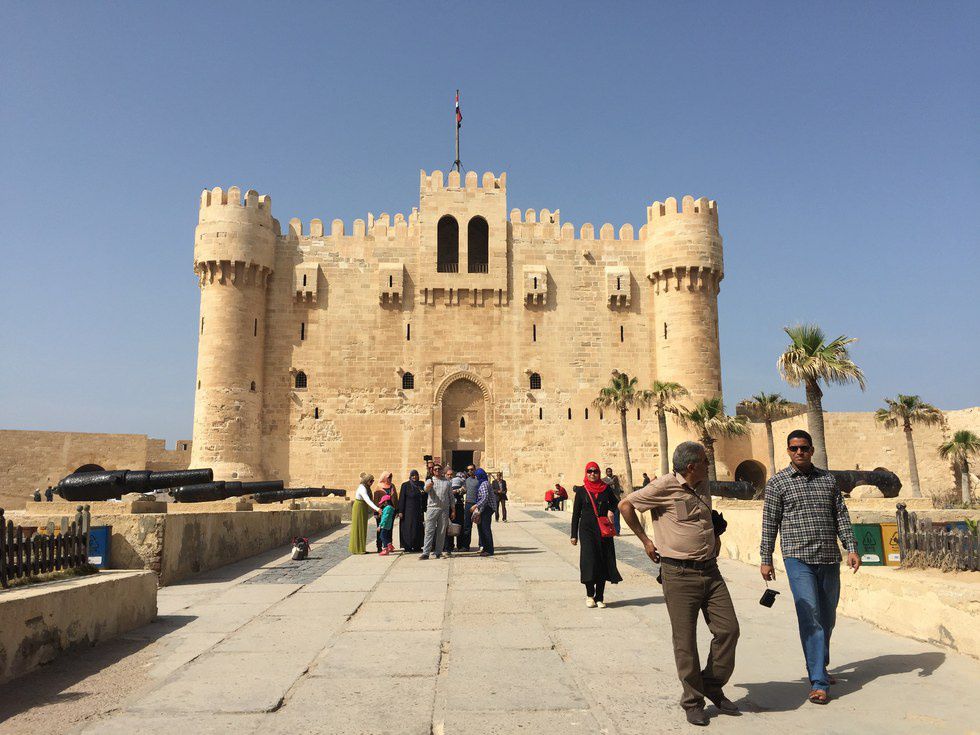
Basking in the beauty of the Mediterranean, I understand why people in this part of the world are said to be able to live so long. Alexandria, in general, is an immense breath of fresh air in contrast to the busy, urban lifestyle that I’ve become accustomed to. The Qaitbay Citadel is yet another location of one of the Seven Wonders of the Ancient World. The modern Citadel that stands now is not the Ancient Wonder; however, much of it was built from some of the remnants of the actual Ancient Wonder — the Lighthouse of Alexandria. The 600-year-old fortress is a playground for photogenic natives and foreigners as they admire the Mediterranean. Then at night, there are plenty of American-style bars to enjoy a cool, crispy Heineken after a long day of photography.
7. 187 Meters of Nile Views: Cairo Tower
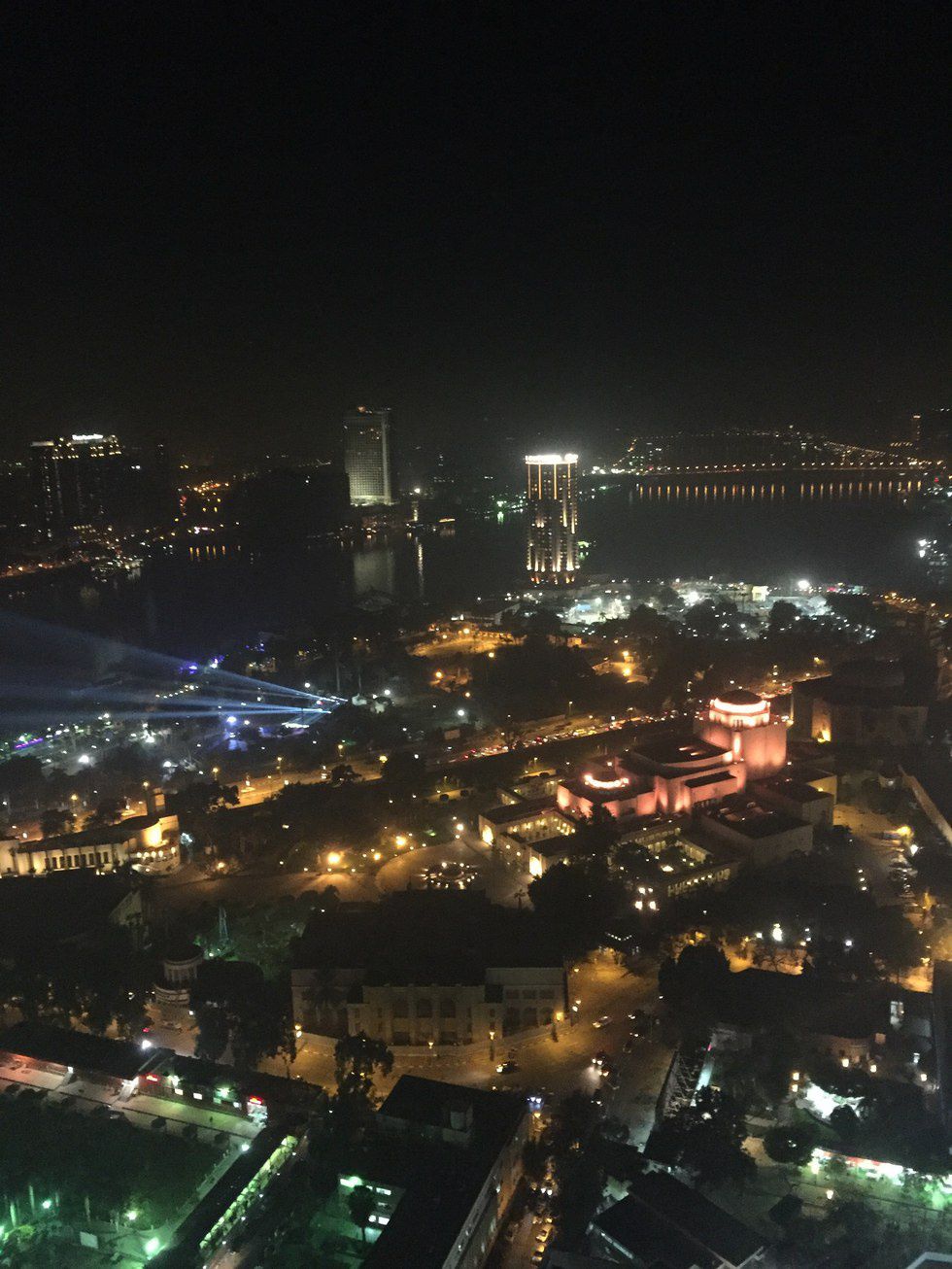
If you don’t know how tall 187 meters is, fear not; I didn’t either. At an astounding 614 feet, the Cairo Tower is the tallest structure in Egypt. It’s a massive, spiral building that was designed to resemble a lotus — an icon of Ancient Egypt. Throughout the warm Egyptian evenings, the tower lights up the Cairo sky from the heart of Zamalek.
We ascended in an elevator for 90 floors into the sky. Then, we had to climb a few sets of stairs in order to breathe in the drifting Nile air. I walked in circles for nearly an hour just attempting to spot each and every piece of Cairo that I could. Before I went up the tower, I was marginally afraid of heights. After that adventure, surrounded by thick black bars, just waiting for someone’s phone to plummet to the ground, I decided that I like the view from the top.
8. Successful Revamp: Biblioteca Alexandria
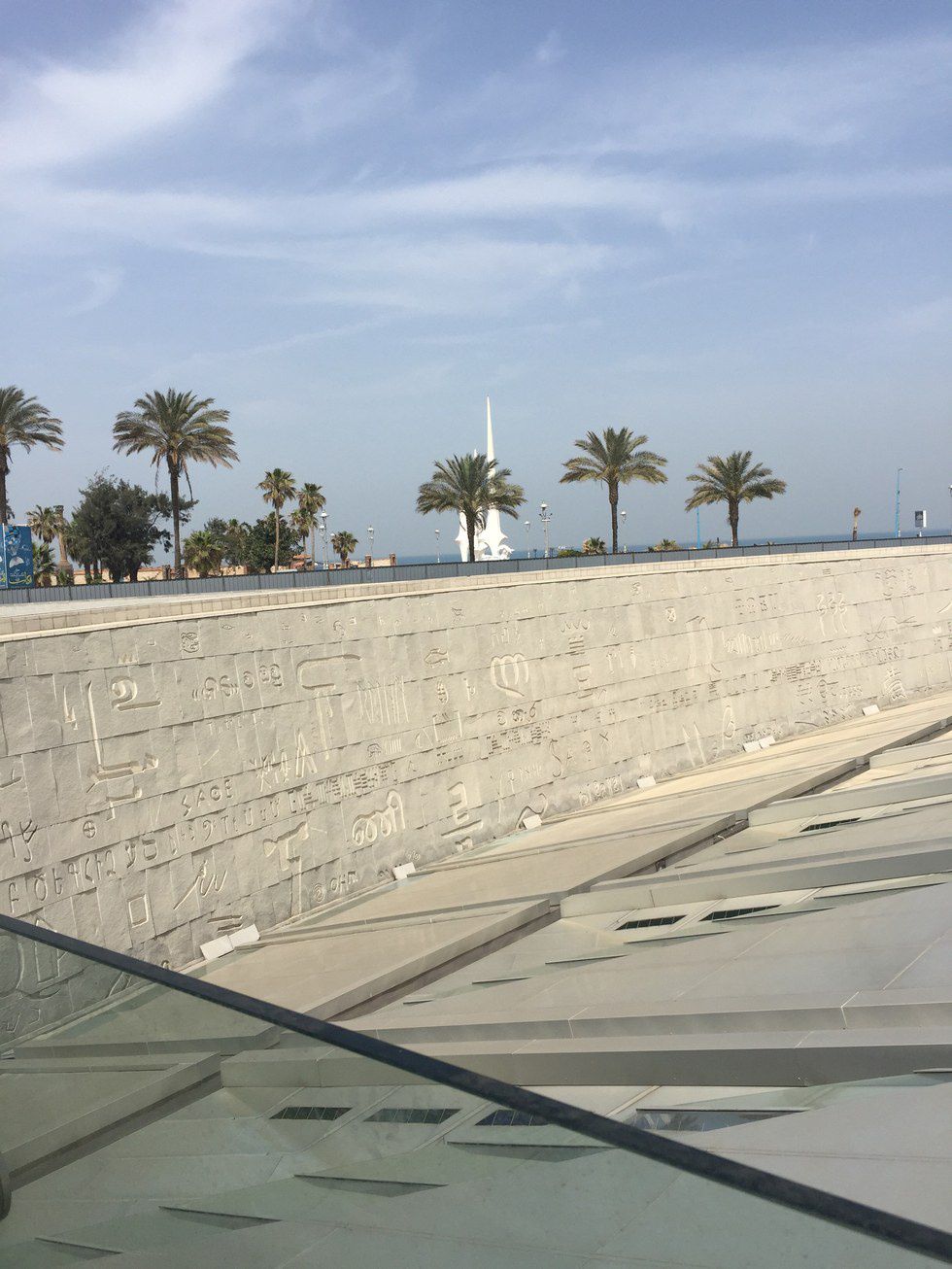
Just as creating movie and book sequels is quite the daunting task, imagine recreating an entirely new infrastructure based off of the most significant library to the ancient world. The Biblioteca in Alexandria was just as dreamlike as I had imagined. The ceiling of the main library area was made up of panels of light that are modeled after the human eye in order to always let in the perfect amount of light for reading. If you’re a literature major, or you just appreciate books, you’ll probably be as taken aback as I was. There are hundreds of art and historical collections, mummies, and even a planetarium; in addition to the overwhelming beauty of the library. If I could spend the rest of my time in Egypt exploring the Biblioteca, I probably (definitely) would.
9. Utterly Spiritual and Secluded: St. Anthony Monastery
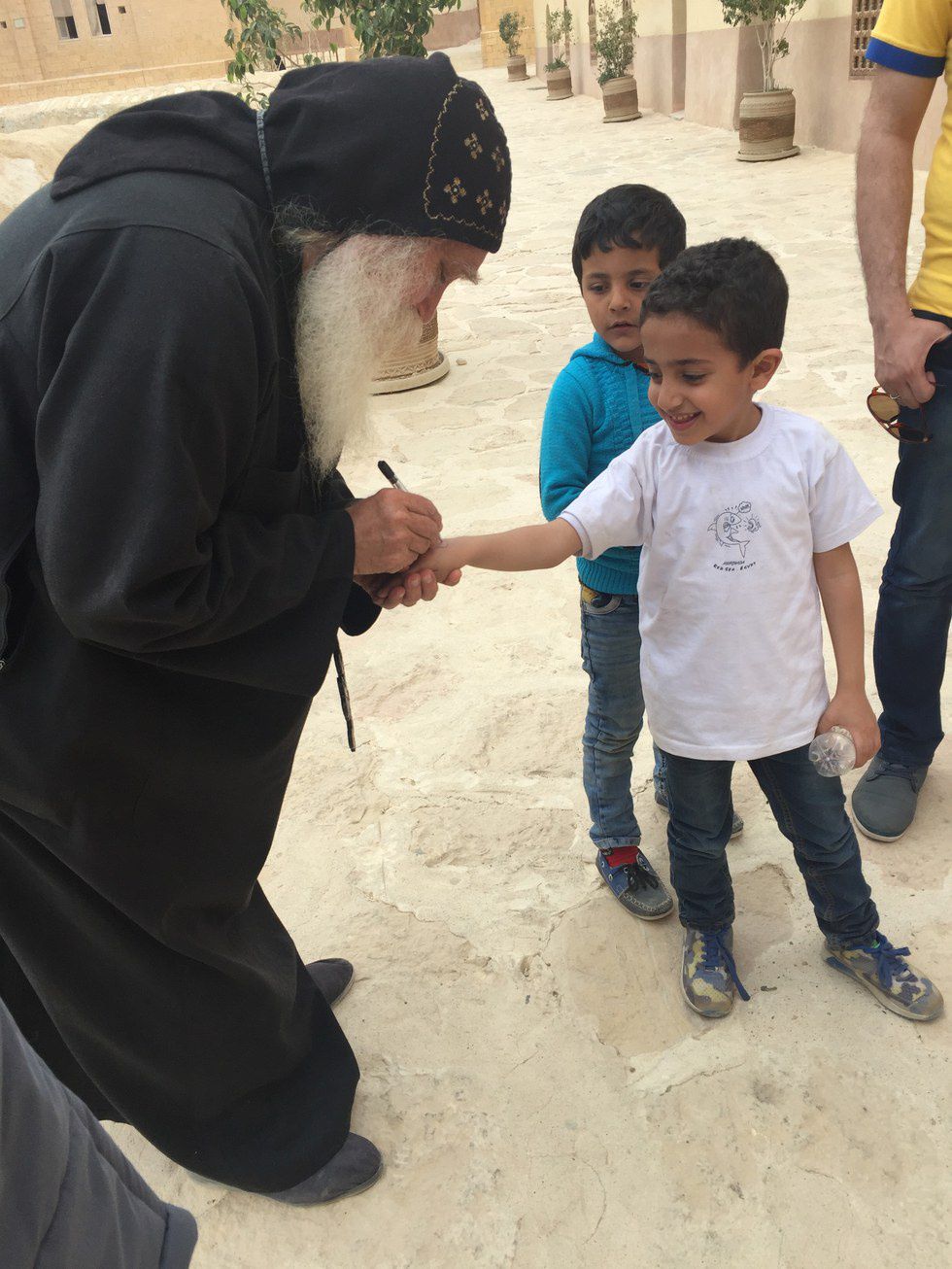
Guarded deep within the mountains of Egypt, I’ve saved my personal favorite for last. The Monastery of Saint Anthony, regarded as one of the first monasteries in the world, was established by the followers of the first Christian monk — Saint Anthony. This trip was so exceptional, in large part, because of our guided tour around the place. Our small group of students was accompanied by Father Ruwais Antony. As we walked around with the comedic, bright Father, I was shocked by the devout following he had. As he joked and laughed as if we were all old friends, a group of people would nearly succumb to tears just to be in the presence of the man who was devoting his afternoon to us. It was as if we were in the presence of the most humble celebrity that is humanly possible.
He explained to us that the monks focus on not only their relationship with God, but their relationship with their nation and the people around them. He brought us in and prayed with us in a church that was over 1,500 years old. He took photos with us and even gave me his card to stay in touch. I was told by a Coptic Christian monk from the Red Sea Mountains of Egypt, that if I ever need anything, I shouldn’t hesitate to get a hold of him. Father Ruwais gives me hope that the world isn’t as scary and pain filled as we all think. Even if it is, there are still truly compassionate, good people like him.