In today's younger generations, more and more people are dismissing the idea of getting into the work force just to have a job and make money. Today, people are throwing this idea to the wind and following their passions, whatever they may be. With this, however, comes a lot of negative social feedback — feedback that is unwarranted and completely unwanted.
As an actor, I find that this social belittlement is rather high, especially when in conversation with a stranger and expressing my career path. I'm very proud of my career and love telling people what I do. However, this negative feedback happens too often, and I have heard similar things from people who majored in music, costume design, visual arts and anything else along a more "nontraditional" line or associated with negative and inaccurate stereotypes.
Although I, of course, recognize that many people have to work towards a career for financial purposes only and understand that being able to pursue my dreams like this is a privilege, that doesn't make it acceptable for people to put another's career choice down. Comments like "So you're signing up to be a waitress?" and "You can't be an actor if you don't go to New York," are not only pathetically stereotyped but also a major slap in the face to people who are being brave in following their passions in their own individual way when it isn't the easiest thing to do, especially financially.
There are many misconceptions about actors and artists that are still floating around and it is time to publicly address them:
1. Art isn't work.
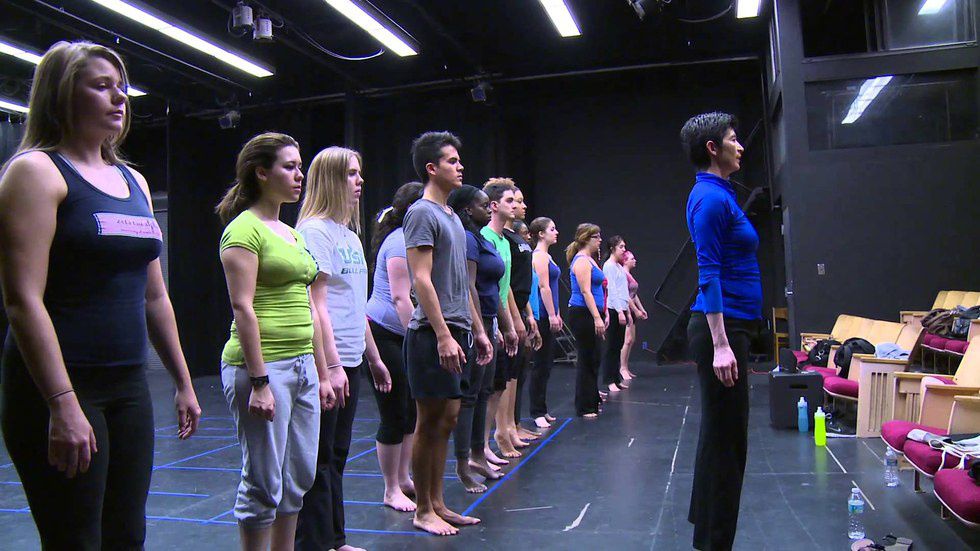
Art is work. In fact, art is hard work that demands a ton of time, focus, energy and training in order to create it and improve, regardless of which type of art one is pursuing. Sure, it may look like all fun and games from the outside, and believe me, often it is, but there is much more to it. If you don't believe me, try working a crappy "part-time" job for 45 hours a week, then run to your show, remember every piece of blocking and text every night for weeks on end, leaving you with a total of 75 hours a week spent working. That doesn't even consider the hours spent during the creation of a piece, outside of the space doing homework on it, and the challenges within that process as well. That's art in the real world, and sure, things could get easier, but generally that's how it starts. I'd also like to point out that majoring in an art is also real work. The classes are often very long and intense, focusing on deconstructing societal masks, heightening our physical awareness, freeing our natural voices and unlearning many unnecessary and subconscious ways of being that are not useful. It usually involves a heavy, detailed workload of practice, writing and memorizing and exceptionally long days. On top of this, many artists aren't just one thing. Many are more than just an actor, director or writer even though those individual crafts alone take a lifetime to "perfect." Many do all kinds of crafts and are constantly working on progressing in several of them at the same time.
2. A successful acting career must involve fame and fortune.
There are too many very skewed ideas floating around about what it means to be a successful artist. To each individual, success means something different based on what that person wants for themselves. If someone wants to become rich and famous and only then will they consider themselves successful, that is fine, but success doesn't have to involve fame, riches or Broadway, no matter how appealing they all sound. In fact, those goals probably aren't the healthiest way for an artist to measure their personal success. For me as an artist, I consider being able to do what I love successful, and if I'm able to be financially stable from doing so, I'll be even happier. If I'm making art that will positively change the world, that's what is most important to me, money and fame or not. Success, like true happiness, for artists can be defined in many different ways; it does not always look like playing a lead role in a feature film.
3. You have to go to New York to be an professional and successful actor.
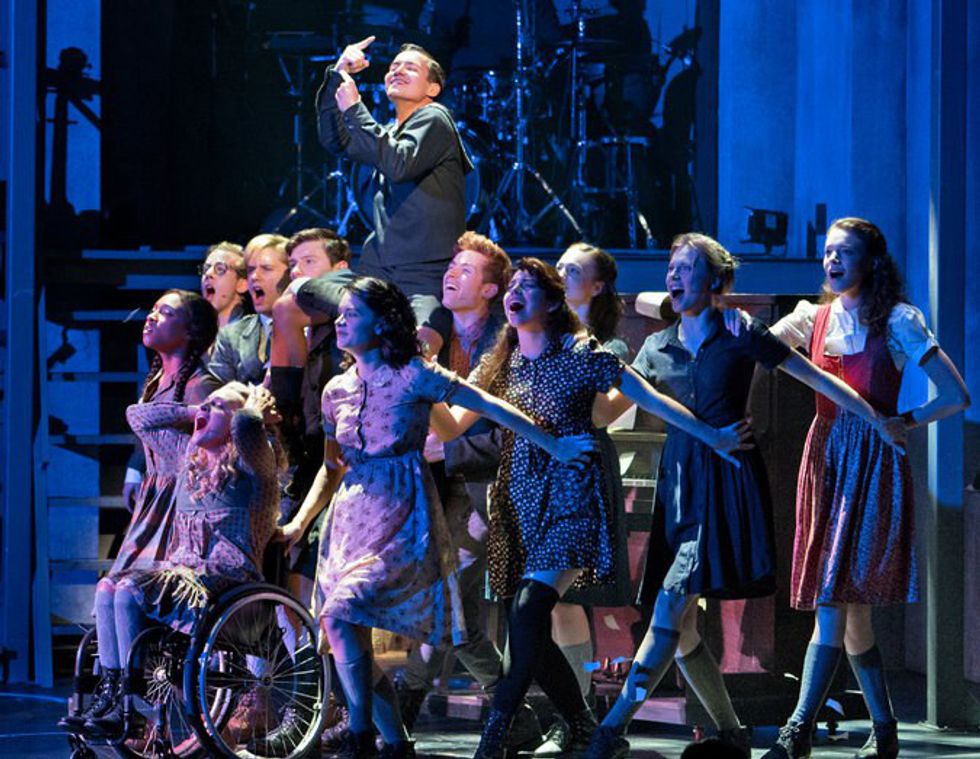
Although New York is a brilliant place to be for an actor, I'd like to point out that there are other places on the planet that have great art scenes besides New York City. I think many people simply are unaware of this fact so to name a few, there's L.A., Chicago, Boston, Atlanta and of course, other countries; all over the world people are constantly creating brilliant, beautiful, touching and raw work. Expressing the human experience isn't limited geographically. In terms of access to things like specific training programs, companies or theaters, sometimes artists need to go elsewhere. Also, some actors might not want to be a small fish in a huge pond when they first begin the auditioning process. That's a hard way to start out, especially if you don't have representation or aren't in a union, and there are other ways to approach building a resume and gaining experience professionally if you don't want to be in New York right away or at all. If an artist decides that New York is good for them, then that is great but just because someone is an artist doesn't mean they automatically have to go to New York. And yes, I've literally been told this by a fellow actor's father who, by the way, is not an actor. I think we'd all appreciate it if those of you not in the field stop trying to give advice about where we should work. Chances are, even in our inexperience, we probably know more about where the work is within our fields and careers which includes areas that are up and coming. If we do decide to go to the Big Apple, it'll be because we want to and feel it is what is best for us, not because some stranger thinks that is what is best.
4. Acting is not a real job.

This is simply untrue. In my line of work, I must apply for a job (submit myself and audition), sometimes do a second round of interviews (callbacks) and then have to work when my boss needs me as agreed upon in a contract (rehearsal and performances). Sure, it's not your average process, and sometimes I have to pretend I'm turning into a zombie in the middle of my piece to get a job (true story), but hey, there are opportunities to be paid to do what I love to do. And just like anyone else, if I don't show up to work, I'll get in big trouble. Of course, unlike a more standard 9-5, generally actors are on contracts that end rather quickly, but this does not mean there aren't 9-5 jobs that involve acting and using those skills, nor does it mean it is impossible for a lesser-known actor to make a living from art alone. You don't have to be famous to make a living off of art. Artists also have to do work outside of their scheduled "work time" to do things like researching, rehearsing, and memorizing lines.
5. Actors are highly emotional.
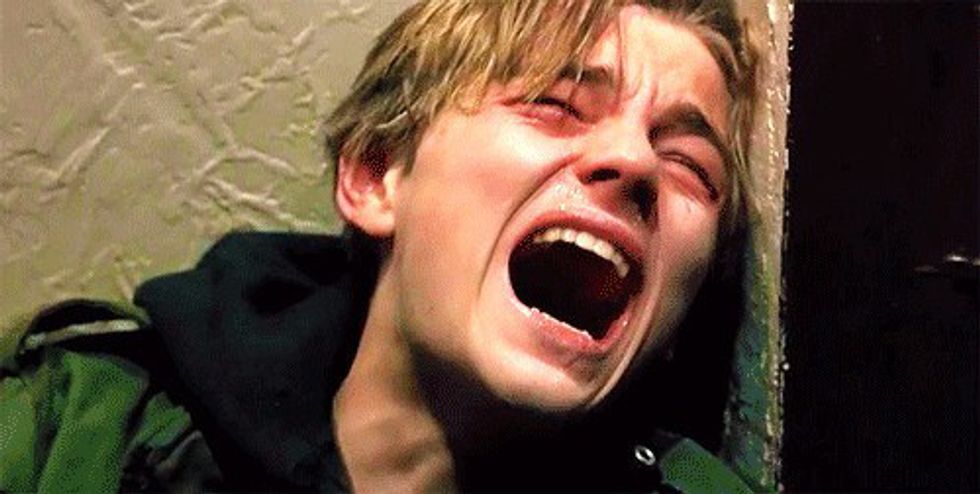
More in relation to the actor, there is an idea that actors are highly emotional humans. And although actors by nature must be highly receptive creatures or learn how to be so, it doesn't mean we are constantly sobbing. We are empathetic and connect with human feelings and experiences. These are positives, not stereotypical negatives.
6. Actors are always loud.
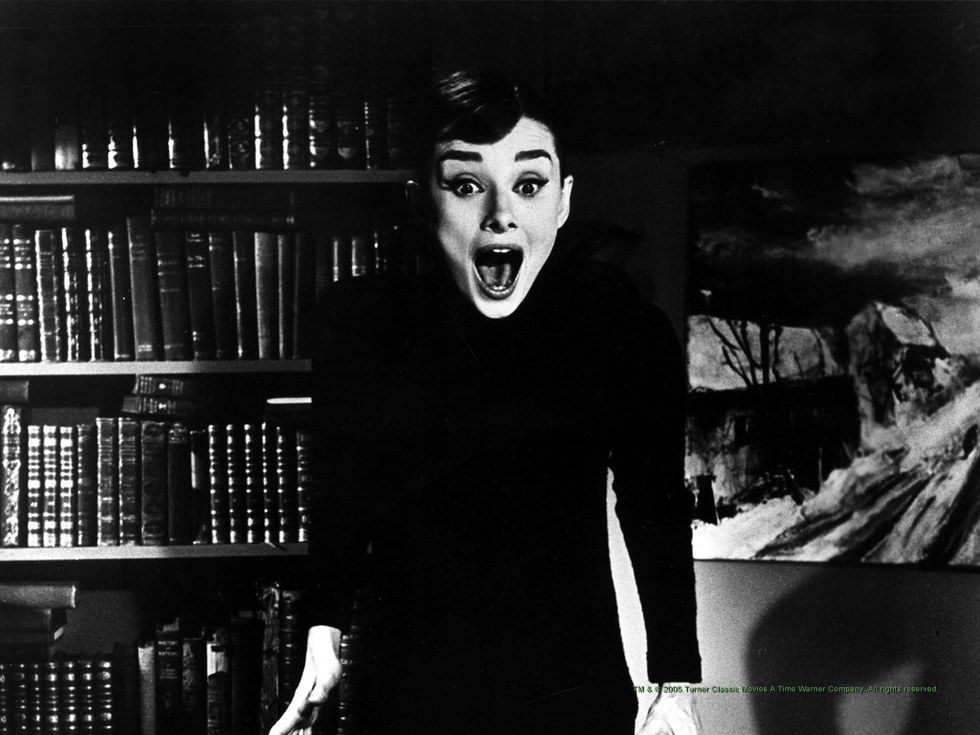
Of course, many actors have the ability to project, especially if they are stage actors, but this doesn't automatically mean every single actor will always be loud. Some actors are actually very quiet and prefer to listen in silence. Ideally, the actor needs to have or find the ability to express the full range of human expression, and some parts of that do happen to be loud. Yes, sometimes actors are loud and filled with energy, but this doesn't mean it is all of the time.
7. Actors are OK with being asked about when they will be moving on to bigger things, get representation, move to the big city.

Every artist is unique, and when an artist is first emerging into the field, say after school and/or training, these questions are constantly hammered at us. This isn't a career that has a straight, simple path to follow. Each person will have their own journey and way of moving through this career; because the experience totally depends on the individual, no path will ever be exactly the same. As artists, we forge our own paths and dare to go where no one has one before.
8. Actors aren't smart enough to have a different career.

Absolutely not. Actors are generally highly intelligent humans who feel so passionately about their art that they let go of many other potential career paths to do this. There are many different kinds of intelligence, some involving things like dance and music. Just because it is harder to measure all of the different kinds, doesn't mean artists aren't smart people. If we didn't need to create art, we probably wouldn't because according to every acting professor ever, it would be easier not to.
Instead of judging it or dismissing artists, try asking them what their goals are and how they plan to use their art to change the world. As President Pelton said at my graduation from Emerson College, artists are "myth-makers" and "truth-tellers." Artists have the ability to hold a mirror up to society and in a more objective way to reveal truths. Artists can inspire social change. Artists can change the world. And if you don't have anything nice to say about it, at least hold your tongue and the attitude-filled look when we tell you what we're doing with our lives because we'd rather pursue what we love than be stuck doing anything else any day.