

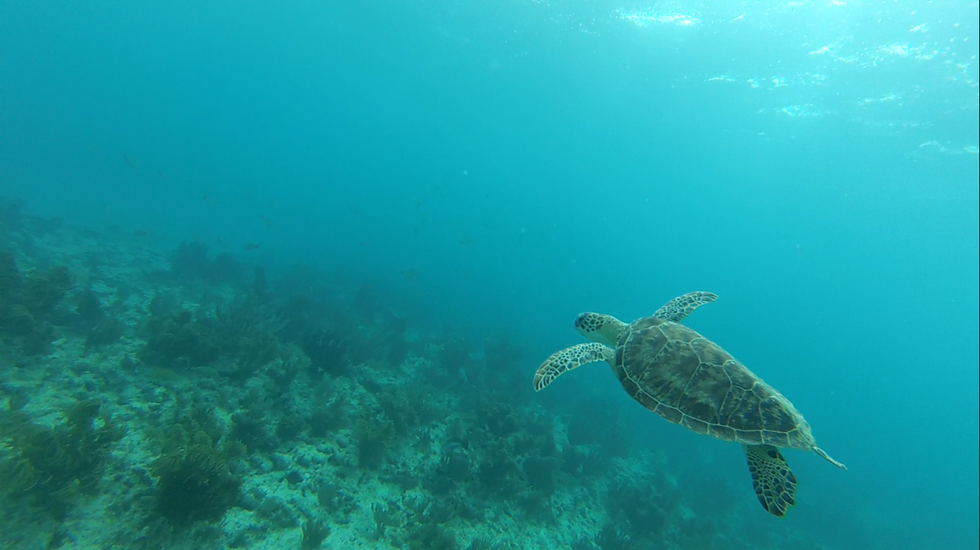
For many of us the ocean rarely crosses our mind unless we are on a vacation. We don’t realize how many of our everyday actions can affect the ocean. Whether we live up north or down south on the coast we can make an impact. Here are seven simple ways that you can contribute to the large effort on ocean conservation.
1. Eat Eco-Friendly Fish
When you’re eating out and order seafood it could be an endangered or threatened species. It could also be overfished and be causing damage to the ocean’s ecosystem. Download the app “Seafood Watch” for your phone: it lets you know what’s safe to eat at specific restaurants.
2. Try Using a Reusable Water Bottle
Plastic water bottles are cheap and convenient. But these water bottles are often found in our oceans affecting the marine life. Plastic doesn’t decompose for 400-600 years, which means it is left in our oceans. Animals mistake this as food and can become sick or even die.
3. Stay Away from Face Wash with Micro-plastics
Micro-plastics are found in most face washes, they are the exfoliating beads within the mixture. These plastics are deadly to small animals, fish, juvenile sea turtles and many more. When you wash your face and wash off into the sink and shower, it goes straight to the ocean. Try to look more carefully at the ingredients for an all-natural face wash.
4. Reduce Global Warming
Wow, yes this is a big task to conquer. You can do small things in a big effort to reduce global warming. The simple steps include using less water, walking more, driving less and reducing your carbon footprint. Global warming is known to the ocean as ocean acidification, killing off coral reefs which are essential to many sea creatures.
5. Never Release Balloons
As much fun as it is to watch your balloon float up into the sky, the sea turtle would disagree. The Leatherback sea turtle eats jellyfish, and balloons in the water look a lot like jellyfish. Eating a balloon can cause these turtles to become very sick and some to the point of death from the toxins.
6. Be Energy Efficient
This means that when you leave your room, turn off the lights. Don’t leave your phone charger or laptop charger plugged in all day and night. It might sound strange, but being energy efficient helps the Arctic marine mammals and fish. The less energy you use the less our climate heats up—then the ice won't melt.
7. Participate in a Cleanup
Trash in the environment can be hazardous to not only marine life, but people too. Help clean up a local beach, park or roadway and pick up litter before it gets into the marine environment. Even trash hundreds of miles from the ocean can eventually float or blow into the ocean. Trash is the second leading cause in marine animal death, behind overfishing.
These seven simple tips can keep our reefs healthy and our ocean clean. So next time you’re on vacation, you will be able to snorkel and see a clean, healthy reef. One small step at a time we are getting closer to saving these marine animals.