

I learned so much while studying and traveling abroad, but I compiled a quick list of some of the most important lessons I have learned to share some of my experiences with everyone!
1. Eat Well
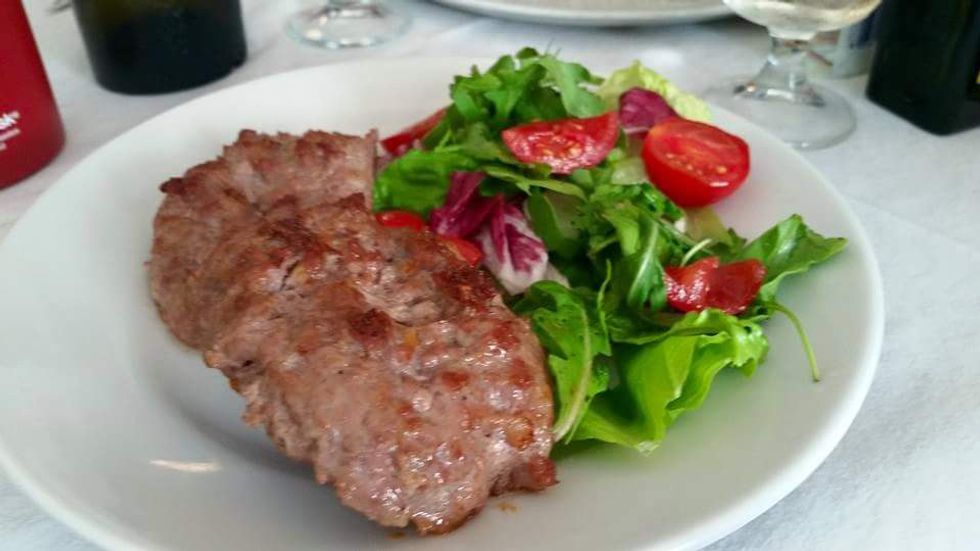
The only reason I eat gluten-free is to avoid nasty rashes from covering my body, but it has helped me gain a better awareness of what I put into my body. For example, I have to be careful about reading the labels of any packaged food I eat, because there could always be traces of wheat in food that I don’t expect there to be. It wasn’t until I went to Italy (and Spain and Korea), however, that I realized how unhealthy the U.S.’s relationship with food is. In the States, we value a cheap price above everything else, and this results in the mass production of foods injected with a ridiculous number of chemicals to keep foods “fresh” for a longer period of time. Not only are some of these chemicals illegal in Europe, they are not really necessary, because vendors will order produce fresh daily. Though I know low food costs are important for many people who cannot afford more expensive options, the fact that we all embrace this model so readily is what I find problematic. We need to move away from mass production, and more toward locally grown food.
2. Trust a Good Paper Map and People Over a GPS
Not only can Google Maps and Siri be wrong, as my friends and I learned the hard way in Spain, they really have nothing on the locals. The locals know the fastest/best way to get from one place to another. I am a very directionally challenged individual, so navigating the curved, chaotic streets of Rome when I first arrived was definitely a challenge. Fortunately, after a week of adjusting to the fact that streets are not labeled at intersections but rather on the wall of buildings, I learned how to get around anywhere using a simple map. Trusting the locals cut down on half the time.
3. Adapt to Your Surroundings
I hate to use this cliché, but really, when in Rome… while most cement streets are relatively clean in Seattle, in Rome, the cobblestone streets are filled with dog poop! You have to make sure to keep your eyes open to avoid any smelly logs. (Again, learned this the hard way…) This applies to many different areas, and one that I find notable is the different cultural standards of nakedness – in Korea, when attending a spa/bathhouse, it is expected for genders to separate and then strip to their birthday suits. In Italy, men wearing speedos is not only perfectly acceptable, it’s the norm. One isn’t required to follow these norms, but if you don’t, be prepared for serious side glances, and “they’re such tourists” scowls.

4. Research is Key
First of all, I might not have applied/gone on this study abroad if it hadn’t been for strong recommendations of friends…but reading into the program I realized it was an excellent opportunity; I wish I had done more research in advance to best prepare myself for the trip. This was especially true when I was packing – I brought way more than I needed! (You’ll always want to bring more stuff back than you can fit.) Also, researching ahead of time can be really useful when you only have a short amount of time to spend in a lovely city or country and want to make the best use of it. My friends and I had only four days in Barcelona, but because we planned everything out ahead of time, we were able to visit all the famous sites and eat at all the best restaurants in the short time we had.
5. Appreciate the Beauty Around You
When I went to Rome, all I could think about at first was how rich it’s history was, and how impressive it’s monuments were. The Tiber, in all its greenness, was simply cool because it was a river in Rome. Which is still true, but I realized how much I take the beautiful PNW for granted. Though the U.S. is still a young country, we have built wonderful, (modern) things, and there are beautiful natural landscapes, too. Even here on the UW campus there are amazing places to soak up. The quad in the springtime is truly breathtaking, and there are spots along the water (if you’re willing to make the trek past Fisheries) that are peaceful and scenic.

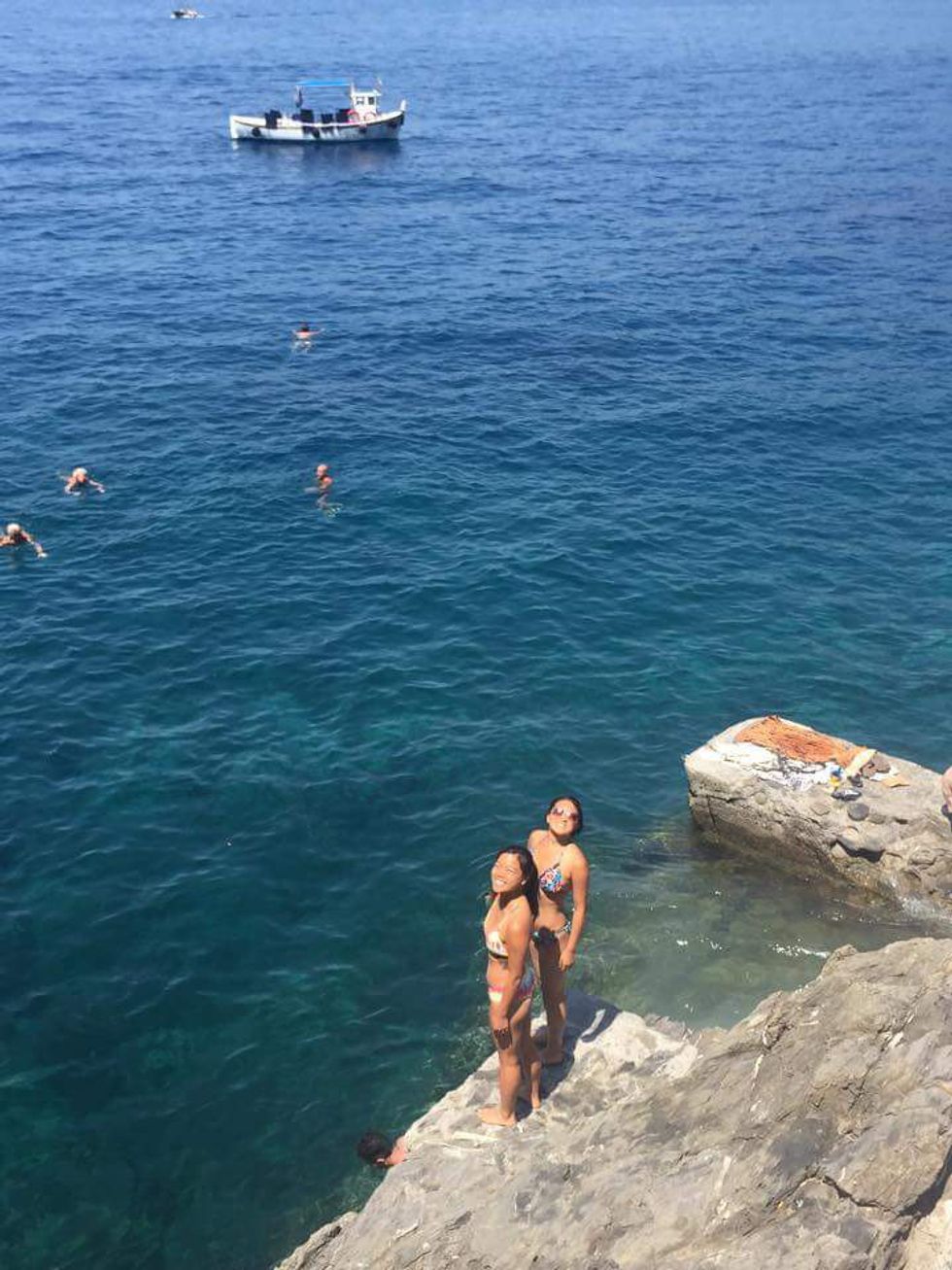
6. Face Your Fears: There is no better time to face your fears than when you’re abroad – you’re already trying something new/ outside your comfort zone, so why not take the small extra step to try something you didn’t think you were capable of? For me, this was cliff diving in Cinque Terre; I have a pretty strong fear of heights, so I was pretty terrified at first, but when I saw both a fifty year old man and a 12 year old boy make the jump, I told myself I could, too! I’m not saying you have to make the scary jump every single time, but when the opportunity to confront one of your fears rises, give it an honest attempt! You’ll be surprised how rewarding it will feel just to try.
7. Learn the True Value of What Things Cost
Not only will this help you get a fair price when bartering for small trinkets and souvenirs, it will stop you from under-paying for items as well. I recently watched the documentary "The True Cost," (you can watch it on Netflix!) which really cemented this idea for me. As mentioned previously, the U.S. has a tendency of focusing on lowering the price, disregarding all other factors. When it comes to cheap clothes, for example, large companies will keep prices down for consumers, but refuse to raise wages for the laborers overseas. When shopping in Italy, I loved buying clothes that were “Made in Italy,” not just because I loved the European style, but also because it supported the struggling Italian economy.
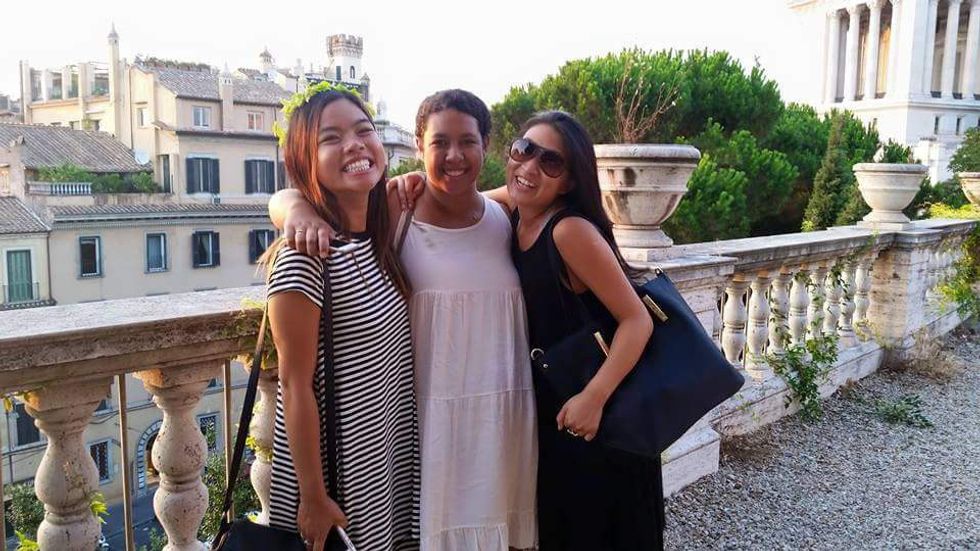
Basically everything I learned abroad I could have learned right here in Washington, but I am glad I finally have a better awareness of my own surroundings. Hopefully after reading this you can be more prepared for living abroad (and at home!) than I was. I highly recommend studying abroad to everyone!