

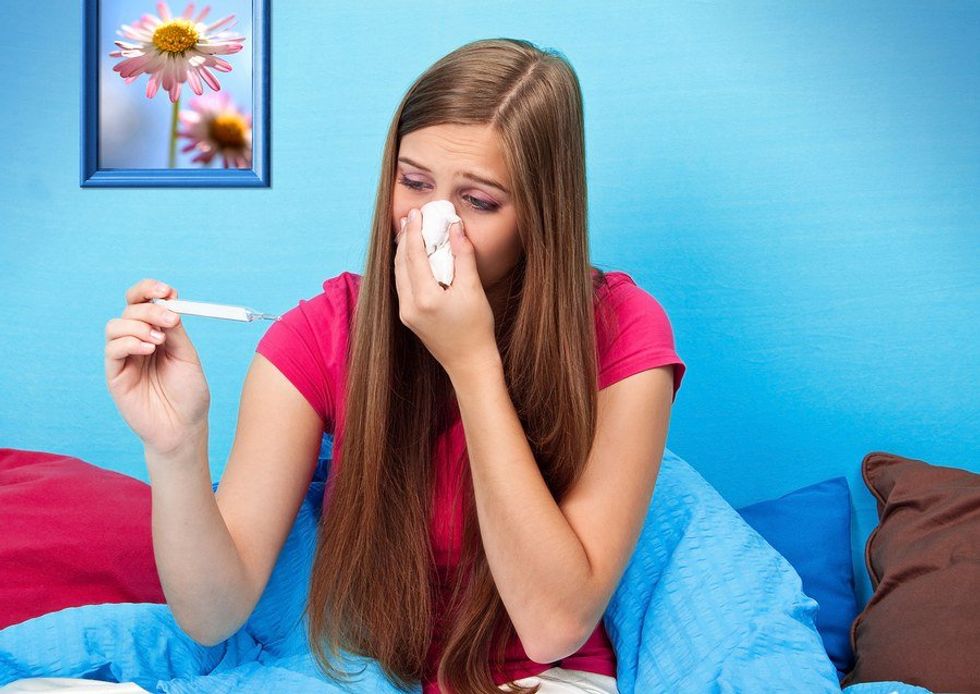
Anyone who lives on a college campus has likely seen illnesses travel around faster than gossip. At Thiel College, a small school where illness is easily shared, we call it “the Thiel Plague.” Everyone is in such close proximity to each other, between classrooms, housing, and the cafeteria, that it is virtually impossible to completely avoid coming in contact with it. However, there are several ways to reduce the risk of catching and further spreading the sickness.
- Practice good hygiene - This one should be a given, but I’ll say it again for those who still don’t know. Washing your hands after being in contact with any public surface reduces the chance of spreading any bacteria or germs already on the surface. Washing your hands after using the restroom is also always a good idea. It doesn’t just stop with hand washing, however. Practicing general good hygiene will keep you healthy as well. Brushing teeth and showering will also assist with keeping the body healthy. Additionally, keeping a clean environment will help keep you healthy by reducing the spread and buildup of germs.
- Eat - College students do maintain a busy schedule, but when scheduling classes, leave yourself some time for food. I’m guilty of forgetting to eat because I get too involved in projects or a social life (and sometimes the thought of a nap is too good to pass up), and often forgetting to eat bites me in the butt later when I have no energy to do homework or go out later in the day. Eating a balanced diet is important too, and while a single serving bag of chips between classes can be a good snack, a whole bag of Sour Cream and Onion chips is not a substitute for a cup of soup or a sandwich. Multivitamins are also a good idea, as they increase the amount of sickness-fighting vitamins.
- Sleep - Again, it is extremely difficult to balance a college schedule, between attending classes, doing homework, eating, socializing, cleaning, and extracurricular activities. However, sleep is vital to the success and survival of the student. It is recommended that students get between seven and nine hours of sleep per night, but even getting more than four or five can keep you from coming down with minor illnesses. Additionally, getting a nap can help to reduce stress, and I don’t know a single student on any campus who doesn’t have any stress. Be able to take time for yourself to nap and relax, even for a few minutes a day. Your body will thank you for taking some time for yourself.
- Stay Mentally Healthy - Besides doing homework, learning new things will keep your mind engaged. Stagnating mentally can put you in a rut, and may seem impossible to get out of. Anything mentally stimulating will keep you feeling refreshed, including (but not limited to) reading or listening to books, documentaries, adult coloring books, and crossword puzzles.
- Socialize - Making time to see people can seem like a hassle, but usually, seeing friends can improve your mood. Quick trips to get food or pick up a movie can be a fast way to improve your mood. Making longer days or nights out of it, such as going to a sporting event or taking a trip to the next town over can give a much needed boost and strengthen relationships, which has been proven to keep people emotionally healthy.
- Drink Water - Alcohol and soda are nice in moderation, but water is a crucial part of our diet and well-being, considering we are sixty to seventy percent water. Tea and alcohol are dehydrating, and dehydration can lead to hospitalization in severe cases. It may not be your drink of choice on a Friday night, but make sure come Saturday morning, you replenish your fluids.
It absolutely can be difficult to maintain a normal schedule in day-to-day college life, as everyone is involved in many different activities. In order to keep up with a busy lifestyle, we all need to make time in our days for our well-being. Your body will thank you for taking care of it, you will feel better, and perform more to your top potential. I wish you the best of luck in avoiding your campus plague.