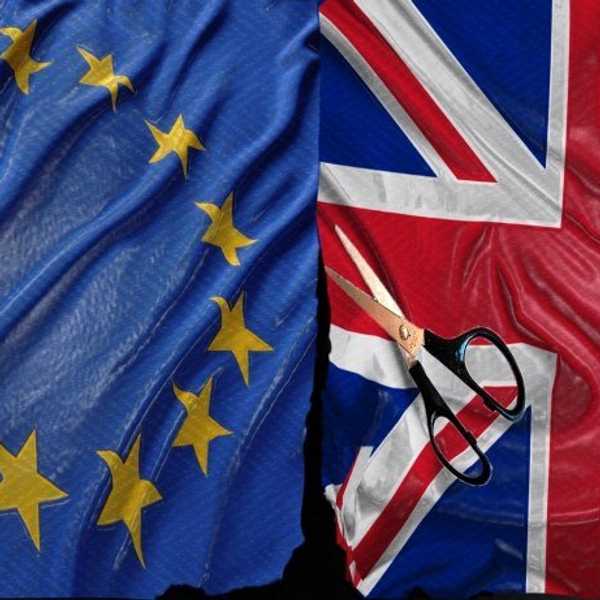
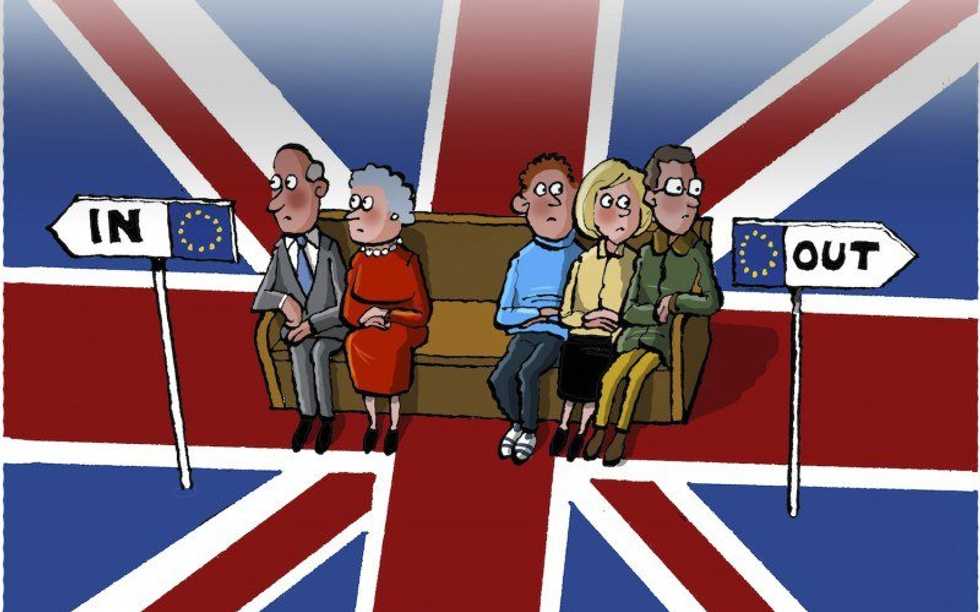
On Thursday June 23, the citizens of the United Kingdom, which includes England, Scotland, Wales, and Northern Ireland, voted to leave the European Union. 51.9%, or 17,410,742 people, voted to exit the EU with only 48.1%, or 16,141,241 people voting to remain.
The European Union is a partnership between 28 European countries, previously including the UK. The partnership was formed after World War II to foster economic growth and cooperation. The Union also allows for an “open border policy,” allowing people and goods to cross the borders of the now 27 countries and has instituted a common currency, the euro, which is used by 19 of the partner countries.
Here’s why it matters that the UK has voted to leave this multinational partnership:
1. It’s never been done before. The agreement that allows for an exit of a member nation has only been in place since 2009, and no nation has yet invoked the agreement. Because the UK is the first to leave, there is a lot of uncertainty as to how the exit will occur. The procedure is unknown except that there is a two year limit to the process, and the consequences are vague.
Brexit is the first of its kind, and the way in which the UK navigates the process will be closely watched.
2. The UK may leave the single market. The single market allows the free movement of goods, people, and services throughout all the nations of the Union as if it were one nation. This single market boosts trade and creates jobs.
Because the UK is leaving the Union, that may entail the UK also leaving the single market. For obvious reasons, this could complicate the European economy. The UK is the second largest economy, next to Germany, and its exit of the single market could have serious repercussions in trade and business.
3. Scotland is pushing for an independence referendum. Scotland has historically desired independence from the UK, and Brexit has motivated the Scottish people to make another push for independence. 62% of Scotland voted to remain, so a vast majority of Scottish citizens want to leave the UK in order to remain in the EU. Scotland will most likely introduce a referendum on independence in the next few months.
4. The economic consequences are vague, unsettling, and unpredictable. Almost immediately following the results of the referendum, the value of the British pound tanked by around 10% in most markets. This will cause inflation, which could damage incomes and cause the loss of jobs. The economic growth of the UK will likely slow as well. There are even some predictions that Brexit could cause a recession.
5. Brexit is indicative of a trend toward protectionism. By voting to leave the EU, the UK has taken a protectionist and nationalist stance on the world stage. Italian politicians are attempting to set up a similar referendum to leave the EU. If Donald Trump wins, the United States may adopt a more isolationist policy as well.
Not only does this point to a trend of withdrawal from an extremely globalized and connected world economy, it also causes uncertainty as to the reliability of international agreements and partnerships. If a major player such as the UK can leave the EU, there may be nothing keeping other nations in the EU, in the Transatlantic Trade and Investment Partnership, in NATO, in OPEC, and any other multinational agreement or partnership. Uncertainty on this level can cause even more economic effects, such as lower corporate investments and weakened trade.
6. There are parallels to the United States presidential election. UK citizens voted to leave the EU largely due to immigration concerns, especially with the recent refugee crisis and the EU’s slow reaction to the situation. Many votes were cast with this single issue in mind, one which can be emotional for many people, and the larger issue of economy and European unity was brushed aside.
A similar situation is unfolding in the United States. Many are supporting Donald Trump because of his emotionally charged statements and inflammatory proposals rather than examining the entire situation and all the consequences of a potential President Trump. How Brexit effects UK society and politics may be indicative of how the US election could affect American society and politics.
We as Americans should pay close attention to the consequences and effects of Brexit as it plays it out in the next few months, perhaps years. We should not only prepare for potential economic effects but also learn from their example and choose to make decisions with the entire situation in mind.