
Imagine if there was no video of Rodney King's beating all over the news in 1991. Do you think the nation would have responded in riots? Imagine if Walter Scott's assassination wouldn't have been caught on camera. Would "Black Lives Matter" still have made the cover of Time magazine? Imagine if all of the "shocking videos" and "disturbing footage" of black people being abused and killed by police was never seen by anyone. Would you still care?
Video of Samuel DuBose, a 43-year-old father of 13, being fatally shot in the head in his car by a now-former University of Cinncinati police officer on July 26 has shocked viewers and furthered a negative stereotype of white police officers. Mr. Dubose was pulled over for not having a tag on the front of his car. There are reports of some struggle through the car window after DuBose failed to produce his driver's license. According to Hamilton County Prosecutor Joe Deters, what followed was an unarmed Sam Dubose being "purposefully killed" by the officer. He went on to say after publicly releasing the video, "It's an absolute tragedy that anyone would behave in this manner. It was senseless. It's just horrible." 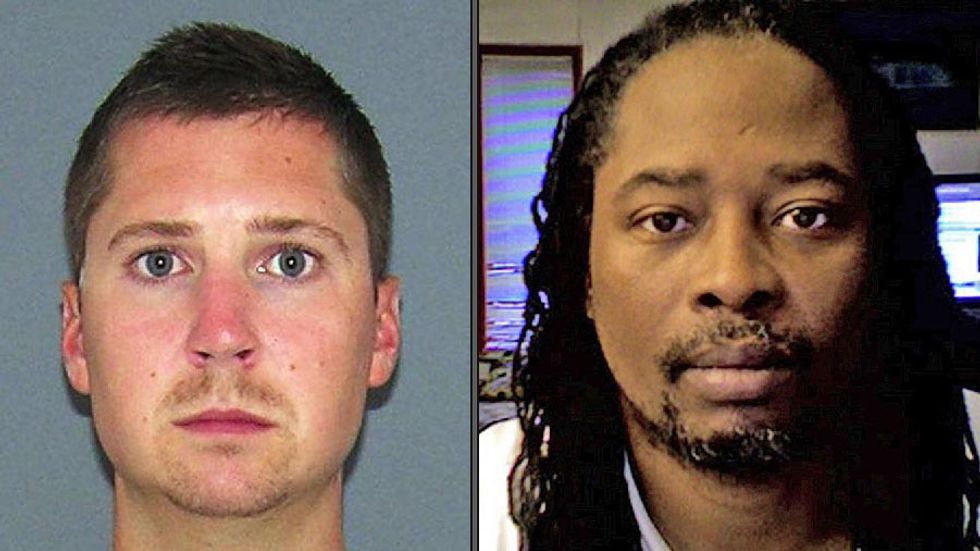
There is controversy on why the body cam video of the shooting isn't exactly matching up with the former officer's account of events. Without the body cam video of the shooting, would that officer's credibility be judged the same way?
Recent videos of the Eric Garner case, the Texas pool-party incident, the Tamir Rice case and countless other incidents involving police have driven citizens to record their encounters with officers of the law. Too often, these videos are the only evidence between a justified killing or a murder.
Just three weeks ago the officer that arrested Sandra Bland, a 28-year-old civil rights advocate who died in jail after a minor traffic violation stop, also had a slightly different version of events than what is shown on both the dash cam video and a video taken by a bystander. Without that footage, how far would the allegations of Sandra Bland being "combative" and "drugged" go to justify her death?
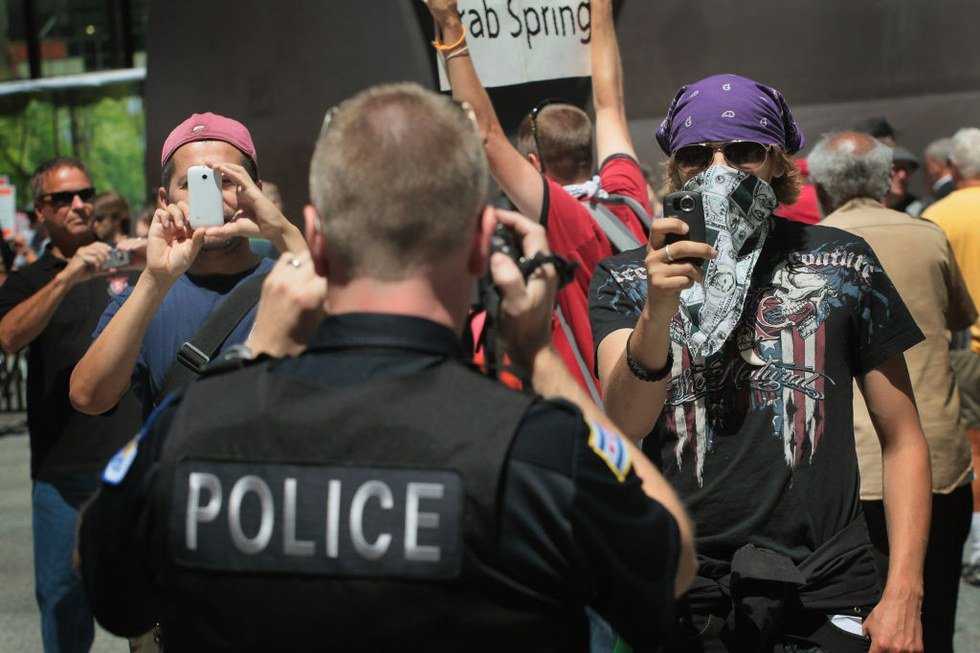
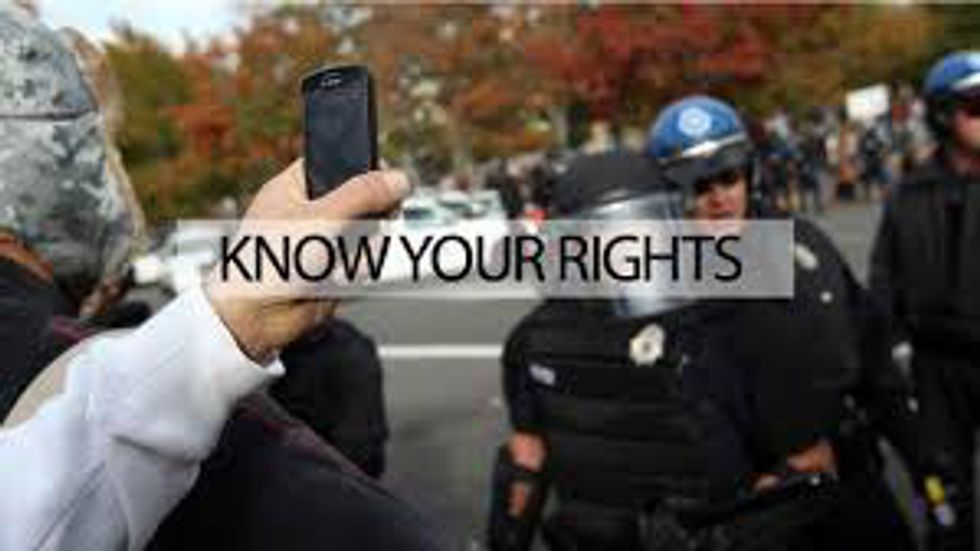
In these tense confrontations we have even seen officers order citizens to stop recording or even break a person's cell phone to prevent being recorded. Let there be no mistake though: Recording the police is a protected First Amendment activity. Here are some tips on how to do it:
1. Know Your State Law
The laws on recording police officers vary depending on what state you are in. According to the Reporter's Recording Guide, 12 states — California, Connecticut, Florida, Illinois, Maryland, Massachusetts, Michigan, Montana, Nevada, New Hampshire, Pennsylvania, and Washington — require the consent of all parties for you to record a conversation. The other 38 states allow you to record police as long as you don’t physically interfere with their work. This may not stop police from detaining, abusing or even arresting you, but you will not be breaking any law by recording them openly. This will prevent you from having your phone confiscated.
2. Protect Your Rights and Your Phone
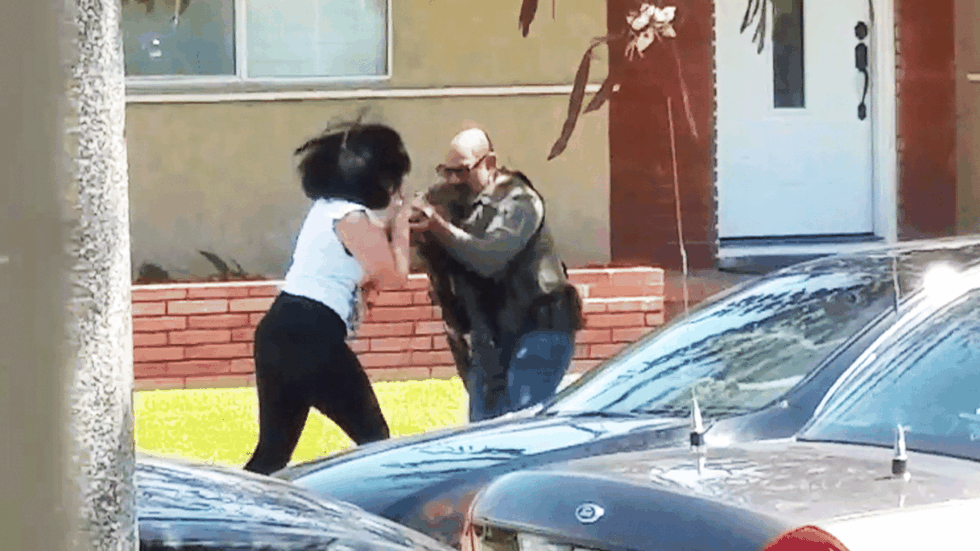
The best way to stand your ground when dealing with the police is by being clear at all times that you are not breaking any laws. You may be required to follow their instructions to "stay back." Try not to refuse instructions, but vocalize that you are staying within your rights by not interfering with their job.
Although the police are allowed to confiscate your device, you are not required to give them the passcode to your phone or consent to any sort of search. The Electronic Frontier Foundation states your constitutional protection against unreasonable search and seizure. This protects you from police being able to just rummage through your files without a warrant, except when (a) you consent to the search or (b) give them probable cause that there's incriminating evidence in immediate danger of being deleted from the device.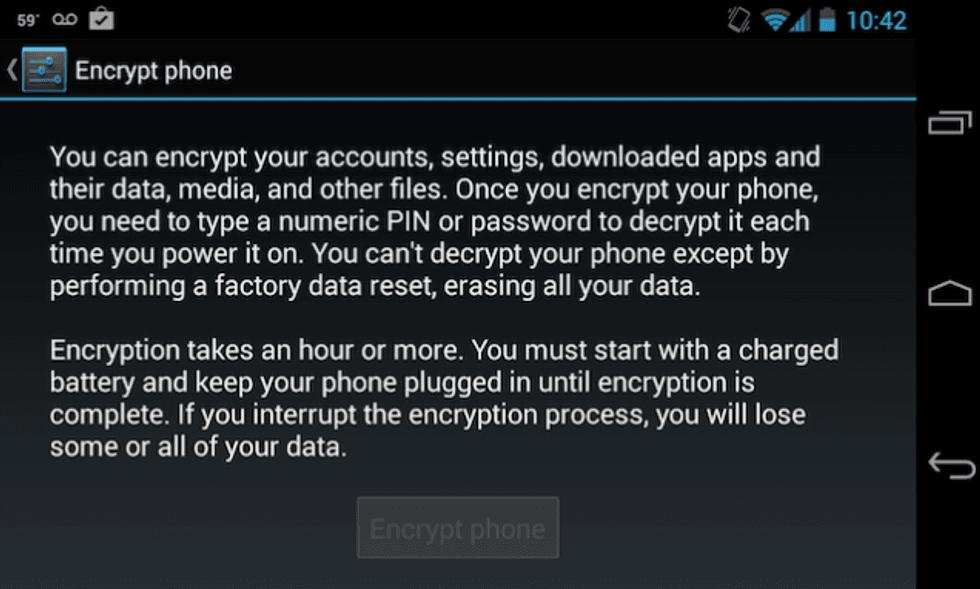
Another way to protect your files is through a process called encryption. To encrypt is conceal data by converting it into a code. Luckily, our smartphones have this capability. If you have an Android, go to Settings > General > Passcode, enable the passcode option, turn off Simple Passcode, and turn on Erase Data. For iPhones, go to Settings > Touch ID & Passcode > Select a Passcode and then scroll to the bottom of the list. You should then see a message that says “Data protection enabled,” which indicates that the device's encryption is now tied to your passcode.
3. Share Your Video A.S.A.P.
If you manage to get away with a good video, the next step is to share it. You can upload it to Youtube, share it on social media, or send it out to your friends, but under no circumstances should you share your video with the police; they can use your video to bring charges against you. A Massachusetts woman who videotaped a cop beating a motorist with a flashlight posted the video to the Internet. Afterwards, one of the cops caught at the scene filed criminal wiretapping charges against her. (As usual, the charges against her were later dropped.) The safest legal option is to anonymously upload it to the internet.
4. Use These Helpful Apps
People are starting to realize how powerful social media and technology can be when aiding police confrontations. This technology has now made it easier than ever before to share information and news. Here are a couple apps that have been developed to do just that.
You can try Bambuser, a free app that broadcasts low-latency live video and audio to the web or social media using 3G or WiFi. Another free app that you can use is PocketJustice. This app is for anyone who wants a basic understanding of their rights without memorizing the Bill of Rights or the Constitution. The app offers searchable transcripts of over 100 Supreme Court cases, as well as some audio of the oral arguments that can be a great tool to use when faced with crooked cops. Some other useful apps that can help you when recording the police are Ustream, Veetle and Justin.TV. All these apps allow you to broadcast your video straight to the internet in real time.
















