


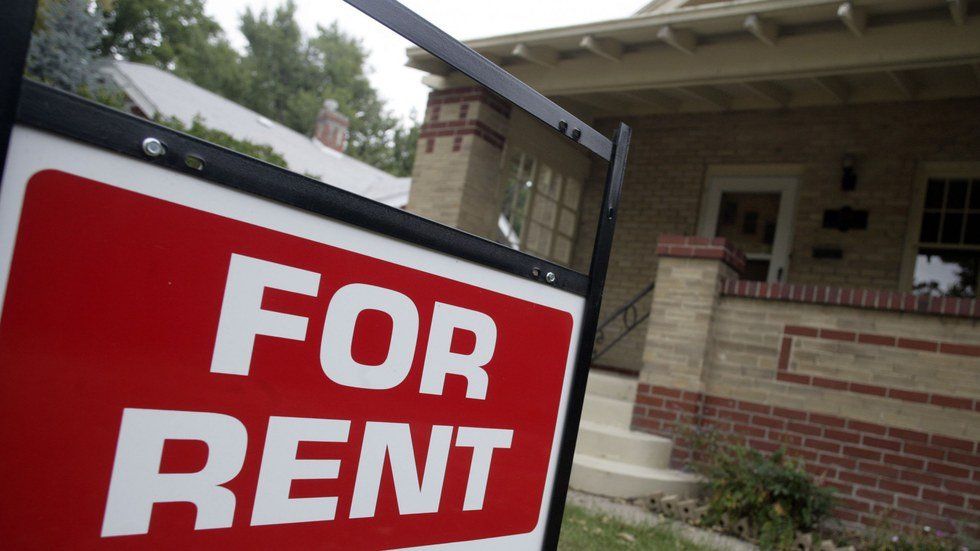
Admittedly, finding your first place to live on your own is an intimidating process. Realty agencies, somehow knowing you need a home, load your email inbox with available properties. A Google search results in a local map of potential places; some too expensive and others on the brink of condemnation. If you're on a college campus, every landlord in the zip code looms about rental expos, grinning their cheeky smiles behind a table of pens and small printed leases. Craigslist? Good luck.
Fast forward to the day you move out of a rental property. Without knowing what the hell happened, your security deposit is gone. Getting screwed by your first landlord happens far too often to young individuals, which is why I've developed the following tips from experiences of my own and horror stories of fellow student renters.
1. Read your lease.
I don't just mean give it a quick skim; read the damn thing word for word! Too often, first time renters are so excited to get a house, that they'll sign on to the first remotely appealing property or price tag. Make sure you understand each agreement and restriction. If your landlord uses intentionally confusing language, ask questions. This isn't Apple; don't agree to conditions you don't understand.
2. Take your time signing.
Once you express interest in a house, the property owner might start pressuring you to sign. They'll tell you you have until the end of the week to decide, or they'll indicate multiple people want to sign. Ignore the pressure; think rationally. Is the price fair? Is the house in reasonable condition? Is the lease fair?
If you're signing a lease with roommates, think about that decision. There's a difference between good friends and good roommates. Do the people you're about to sign with fit the bill for both?
3. Document the condition of your house.
On the first day of your lease, go thoroughly inspect your house before moving in your things. Landlords are required to give you a check-in form, which you have to return to them in seven days. Usually, these check-in sheets are intentionally vague, only asking for limited detail. Go beyond what the check-in sheet asks. Search your house for every crack, carpet stain, scratch, and blatant pre-existing damage there is. Record this in both writing and attach pictures. Furthermore, have the landlord sign off on these pictures an and acknowledge that these damages existed before you moved in.
The more detailed you are with the check-in sheet, the less landlords can deduct from a security deposit for false damages.
4. Use excellent communication skills.
Although landlords have existed since the earliest stages of civilization, they continue to defy evolution and remain terrible communicators. They'll either contact you on short notice or neglect contacting you all together about maintenance requests or visitations. Regardless, take initiative and be clear and concise with all of your written and verbal exchanges. When they ignore your requests, continuously contact them until you receive the response you're entitled.
5. Know your rights.
In Wisconsin, there's a long series of landlord tenant laws, which any renter should become familiar with. When deciding on where your future home will be, make sure you aren't signing away your tenant rights.
If you're looking to rent, use all the resources at your disposal, such as parents and older friends, to know what to expect from renting a house. Also, check out this reliable online guide at Nolo.com that spell out landlord tenant laws in plain language.

















