
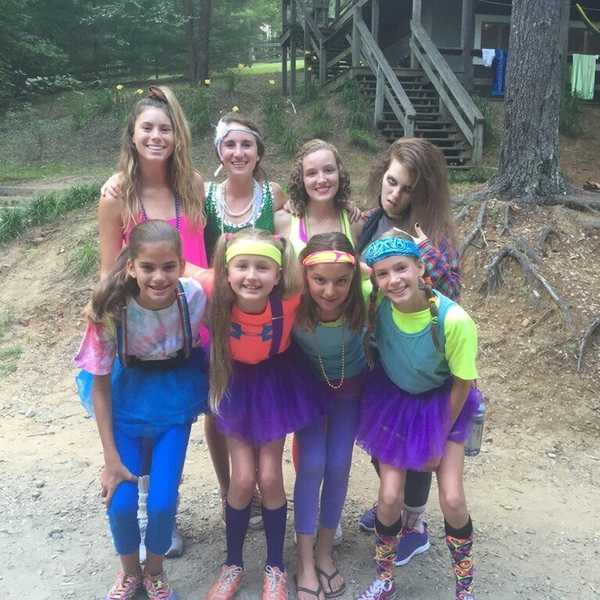
Disney claims to be the happiest place on earth. I firmly believe anyone who agrees with this statement never had the opportunity to go to summer camp. From May to August, more than 14 million kids across the United States spend part of their summer at a day camp, a sleep away camp or both. For the past 10 summers, I have happily been included in this statistic as a camper and as a counselor.
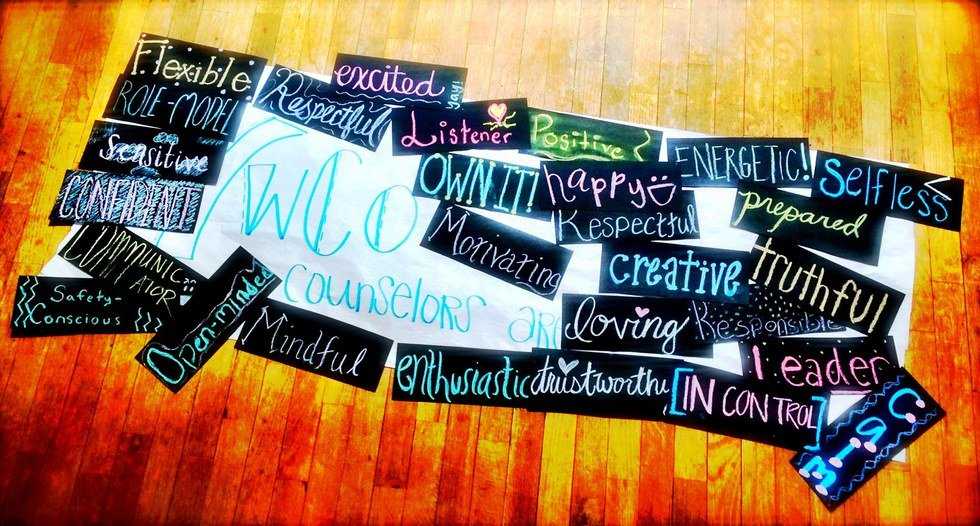
Working as a camp counselor is an extremely tiring and rewarding job, but I would not trade it for the world. The memories of pure joy and happiness that I formed as a camper are the reason I returned as a counselor to replicate my experience for countless other children. Camp may sound like all fun and games, but in reality there are months of preparation and planning in the off season to make camp the happiest place on earth. Without further ado, here are the skills I learned planning and facilitating camp that will benefit me for years to come.
1. How to Improvise
The most important skill for a camp counselor is the ability to think on your feet. Despite all of the planning that occurs beforehand, not everything goes according to schedule. The weather forecast may be dead wrong, a field trip location may close unexpectedly or a first aid situation may arise out of the blue. You cannot control every factor of the day, but you can certainly control your reaction. Remember, there are dozens of young, impressionable eyes watching your every move throughout the day. Camp is not the time to entertain a nasty attitude or use foul language when issues appear. Take a deep breath, find the next best alternative and roll with the punches.
2. How to Communicate
Within the first 15 minutes of camp on a Monday morning, each counselor must effectively convince a group of skeptical, nervous parents that their team of mostly high school and/or college age young adults are mature, responsible and capable of providing a safe, enriching environment for their child. Interacting with the parents requires a different vocabulary and tone than interacting with your campers. It is vital to understand the difference in communicating with each audience and execute it properly. Most importantly, remember never to yell and to just use your adult voice — this will earn you more respect in the long run and be more effective.
3. How to Read Body Language
Understanding where each camper is at emotionally and physically is the key to making their camp experience memorable. In order to get this information, a dialogue with each child needs to begin on day one. Open and close each activity and each day of camp with a check-in. It can be as simple as asking, "What did you have for breakfast?" Unfortunately, not every child is forthcoming with their words, so you will have to look to their body language for clues. Low energy or a cranky attitude typically means a child is hungry or lacking in rest. Verbal or physical outbursts may be a cry for attention. Take a moment to ask your camper the reason for their behavior and formulate a plan to improve it. When you adopt this habit, you can officially tell your campers you have eyes in the back of your head.
4. How to Facilitate
My first summer working as a camp counselor, I encountered the acronym "READ" at training. When it is broken down, READ stands for responsibility, expectations, awareness and directions. In simpler terms, READ is the protocol for the before, the during, and the aftermath of an activity or a program. The presentation and preparation of a program requires time management, public speaking, and last-minute tweaks with every execution. Personally, this was the biggest transition from the role of a camper to the role of a counselor. Until I was a counselor, I couldn't truly appreciate all of the hard the work and effort that goes in the simplest of tasks. The camp magic truly relies on the counselor's ability to fuse activities seamlessly.
5. How to Take Initiative
This is the differentiating factor between a mediocre summer camp and an enriching summer camp. Once an activity is up and running smoothly, it is extremely tempting to lay back and take a break on your phone or let your mind wander for a couple minutes. As long as the campers are behaving, no harm done. Right? Wrong! Every minute at camp is valuable. If you are not facilitating an activity at that very moment, there are dozens of things you could be doing instead! Begin preparing the next craft, organize materials from the last activity or go interact with the campers. Learning to take initiative in any situation is a trademark of a dedicated, motivated individual.
Every summer I come home from camp, I bring forever friendships, priceless memories and life lessons that will stick with me for years to come.