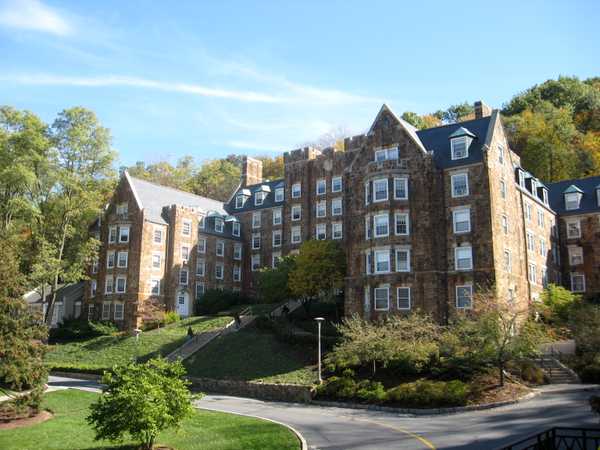

When you start considering colleges, the options may seem endless. I looked at smaller colleges, bigger universities, all with different locations and focuses. The one that stood out to me the most was located in Chicago's busy South Loop, basically downtown. There is no doubt that Columbia is 100 perent an art school; the range of creative majors here is far too long to list. There are things about art school that are very different from a more traditional technical or even liberal arts college. These are the reasons I love attending an urban, art college.
1. Acceptance is based on talent.

A lot of people joke that art schools, like Columbia, "accept everyone" because they don't have standardized test scores that students must meet to be accepted. However, some art schools have very demanding criteria of their own for students to meet. And even if their entrance criteria isn't rigorous creatively, the coursework up to graduation is no less demanding than a more traditional school. There's also the fact that although art-focused schools don't necessarily seek high test-takers, they can still acknowledge and reward students with merit based scholarships for high high school GPAs and ACT/SAT scores.
At art school, the most important thing a student needs to get in is the passion and potential to create amazing work. Abilities like taking excellent pictures, designing cutting edge styles and writing and performing great music are highly respected. Art schools are looking to find students with creative talents and teach them how to be successful with those talents. These schools understand that creativity and ambition and passion don't always correlate with perfect grades or good test-taking.
2. Other Students Understand.

There are a lot of career uncertainties and stresses art students have that other students studying to become nurses, accountants, or teachers just won't understand. Other art students get it. Buying expensive supplies and equipment, making contacts, self-publishing, self-promoting and all that other fun stuff? Yeah, it isn't apart of the traditional college experience. Most students' academic careers in college go like this: buy books and other school supplies, go to class, then study and write papers.
At art school, there aren't even exams half, or more than half, the time. At least not in the traditional, multiple choice kind of way. Students are stressing over final projects that, if done well, will most likely end up in their portfolio. Students are sketching, filming, practicing, writing, and taking and editing photos. The creative processes seem never ending, and everyone gets that everybody else is in the middle of their own project. They don't think twice about comments like "I'm not done editing all my shots yet" or "I'm doing my rewrite now" or "I'm filming Wednesday night." These things are common and at art school, completely normal. For this reason, students are very supportive of each other, showing up to student concerts and recitals, readings, and exhibits.
3. Collaboration is emphasized.

Once you work together with another student, you both expand your portfolios. You can say you created a film, while the actor can say they've been in your film. This is resume building at art school. Not to mention, making one contact leads to others; this is called networking. While networking, you learn the best way to present yourself and your work to attract new collaborators. This is one of the most important things art schools teach their students.
4. Teachers are professionals in their field.

I can't speak for all professors, but I know that it's common for many to be primarily professors. They may write papers or books, but there's a difference between being a psychology professor and writing a book on your theory and being a creative writing professor who is also a published author.
At art school, we learn from working professionals who have already made our passions their careers. As a writing major at Columbia, I have done nothing but learn from actual writers about the art of writing in my major classes. This has lead to serious insight not only into my art form, but it has lead to so many resources and encouragements that I can use to build my career. Much like having friends and peers who don't look at you funny because of your creative work, it means everything to have teachers who also encourage your passions rather than tell you that your dreams are crazy. They get it because they've literally been where you are, aspiring to be successful in their chosen method of expression.
5. Culture is everywhere
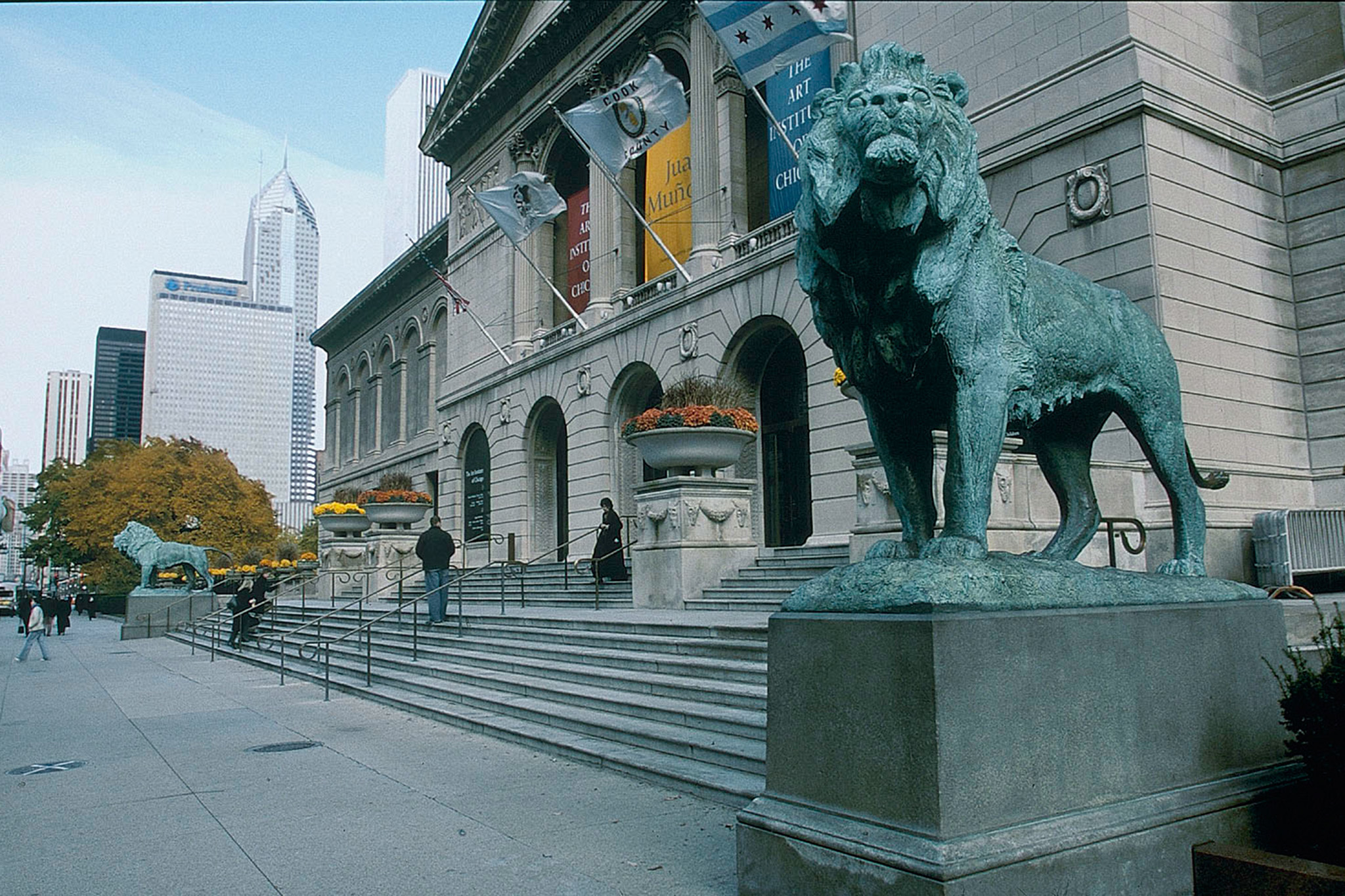
But for an art school, the city is the best possible example of creativity. There is art everywhere, you literally just have to look around. There are so many museums, exhibits, concerts, reading series, the list goes on and on. The city provides endless resources for gaining knowledge of any creative discipline. You can see classic examples and up and coming examples and use them both as inspiration for the work that you want to do. You can also physically see different places for your own work out there in the world. The city shows you what there is and what there isn't, and therefore what you should add to make the world a little better.
What it comes down to is this: art school is not a joke. The students here take their creative work very seriously, regardless of past grades or school experiences. Art students understand the immense pressure of bringing new ideas into the world and they support each other's efforts to do so. They even learn how to create these new masterpieces together, and they learn from people who have already done and are still doing what they dream of doing. To me, the perfect setting for all of this creativity is an immense and diverse city like Chicago, where hope springs eternal for the ambitious art student because of successful artists and art pieces everywhere.