It has come again. The conversation you swear you have had thousands of times. You just told someone you're a music therapy major. You start to see the wheels turn in their head. You can almost predict what is going to be said. You're about to be asked the same questions you get every time you tell someone you're a music therapy major.

I know music therapy isn't the most popular profession out there and I know lots of people still don't know much about it. But, it really is time the world knew what music therapy is. So, here are five frequently asked questions all music therapy majors get that we want you to know and understand.
1. "What is music therapy?"
This is by far the most commonly asked question all music therapy majors and music therapists have to answer. According to the American Music Therapy Association's website, music therapy is "the clinical and evidence-based use of music interventions to accomplish individualized goals within a therapeutic relationship by a credentialed professional who has completed an approved music therapy program." If you don't understand that, it's okay. The easiest way for me to put it is that music therapy is a way to promote wellness through musical interventions. Whether its social wellness, mental wellness, physical wellness, or basically any other wellness you can think of, musical interventions can be used to improve the wellness. Hence, music therapy.
2. "What kind of job will you have?"
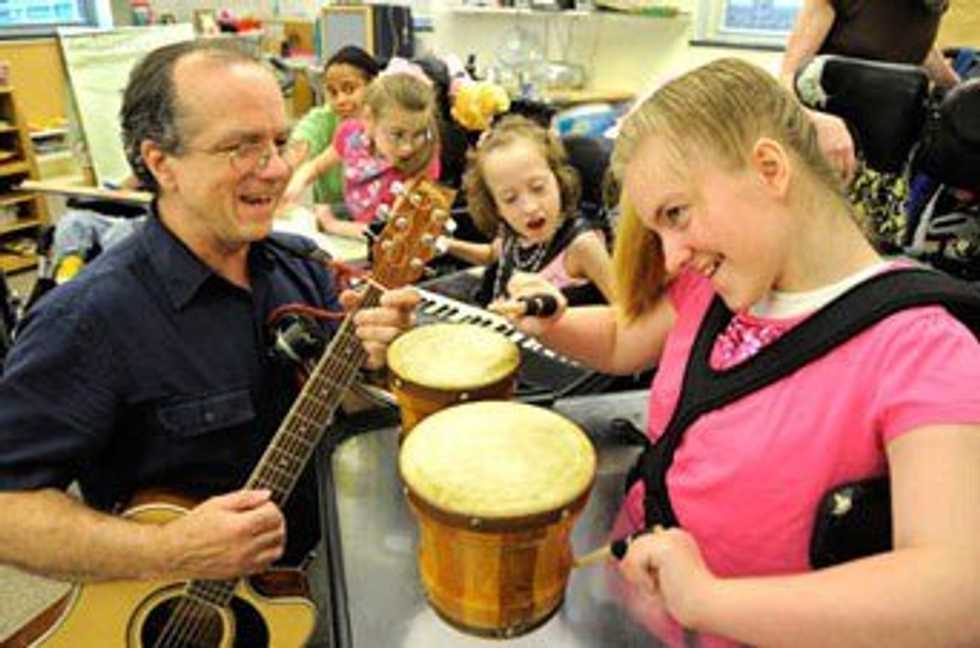
Almost every time I am asked what music therapy is, this question follows. There are various opportunities to be a music therapist in the job world. Most people assume music therapists work in the medical field, but this isn't entirely true. Personally, I want to work for a school district and be a music therapist for the special learners within that district. Music therapists can also work in rehab centers, foster care, nursing homes, and other places where music therapy is considered needed. Many music therapists also decide to go the private practice route and either work out of their homes or start their own music therapy center. There are plenty of ways to practice music therapy.
3. "So, you're a psychology major?"
Let's get one thing straight: My degree plan requires me to take 9 hours of psychology courses and 52-55 hours of music courses (not including music therapy courses). So no, I am not a psychology major. Although music therapy sounds like it would require a lot of psychology, it is very much so a music degree.
4. "You're like a music teacher?"
No. No I am not like a music teacher. Honestly, the initial reason I began looking into music therapy is because I knew I wanted to make a living off of music, but I didn't want to be a music teacher. Sure, people participating in music therapy might be learning more about music. And sure, maybe taking a music class could be considered therapeutic to some people. But, music education does not require the same interventions music therapy does. Music therapy is using music to promote wellness while music education is only teaching the music.
5. "Do you just play music to make people feel good?"
I mean yes...but no. Music therapy is not just a bunch of hippies in a drum circle. I mean ultimately music therapists want their clients to feel good, but it's not limited to that goal. Music therapy can be used to help someone rehabilitate from a stroke. It can be used to help a child face a cancer diagnosis. It can be used to help an elder in a nursing home not feel isolated. Music therapy does so much more than make people feel good...it ignites change in a person!
I hope this article helped you understand a little more about music therapy! It is a topic near and dear to my heart (I mean, it is my major) and I truly believe people should be aware of its success in the world today. If you want to learn more, please go visit musictherapy.org. Now, go off and spread the wonderful knowledge of music therapy!