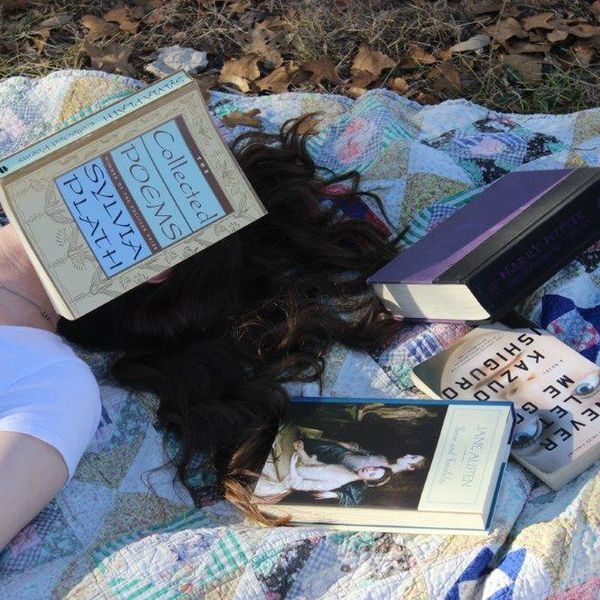

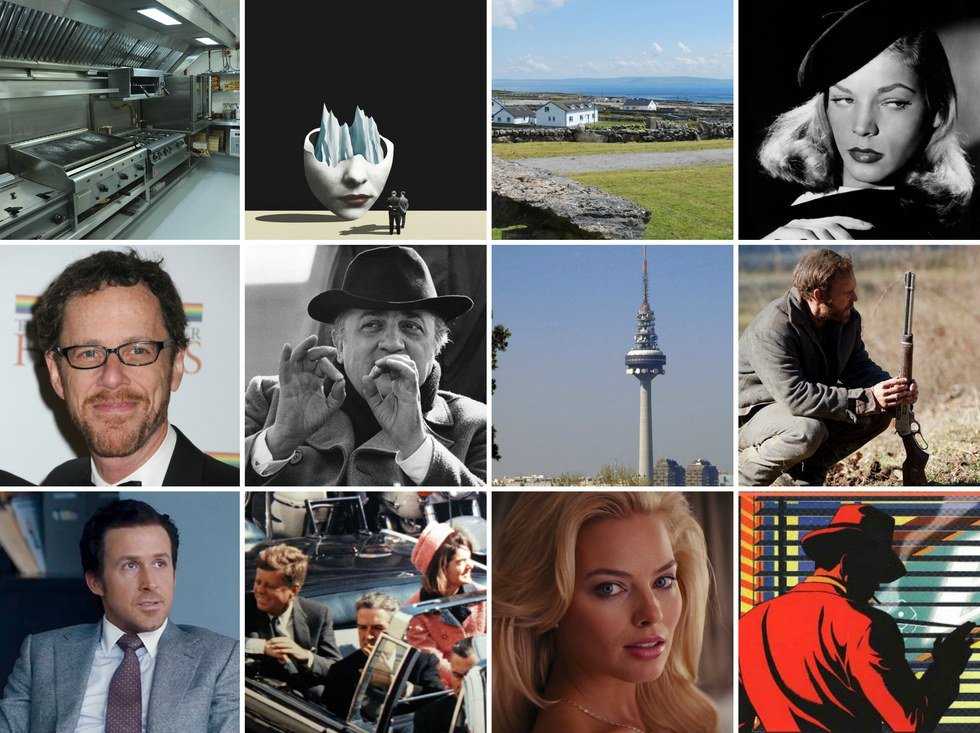
What was my 2015 New Year's Resolution has now become a personal habit. Every month, I read at least one book. What constitutes a book is left for me to decide, but obviously, a short story or Facebook article doesn't count. I did decide this year that plays counted. The order of when I read each book is demonstrated in the cover photo above. I only read 12 books this year, and here is a ranking from worst to best with accompanying mini reviews for each.
12. "Zero K" by Don DeLillo
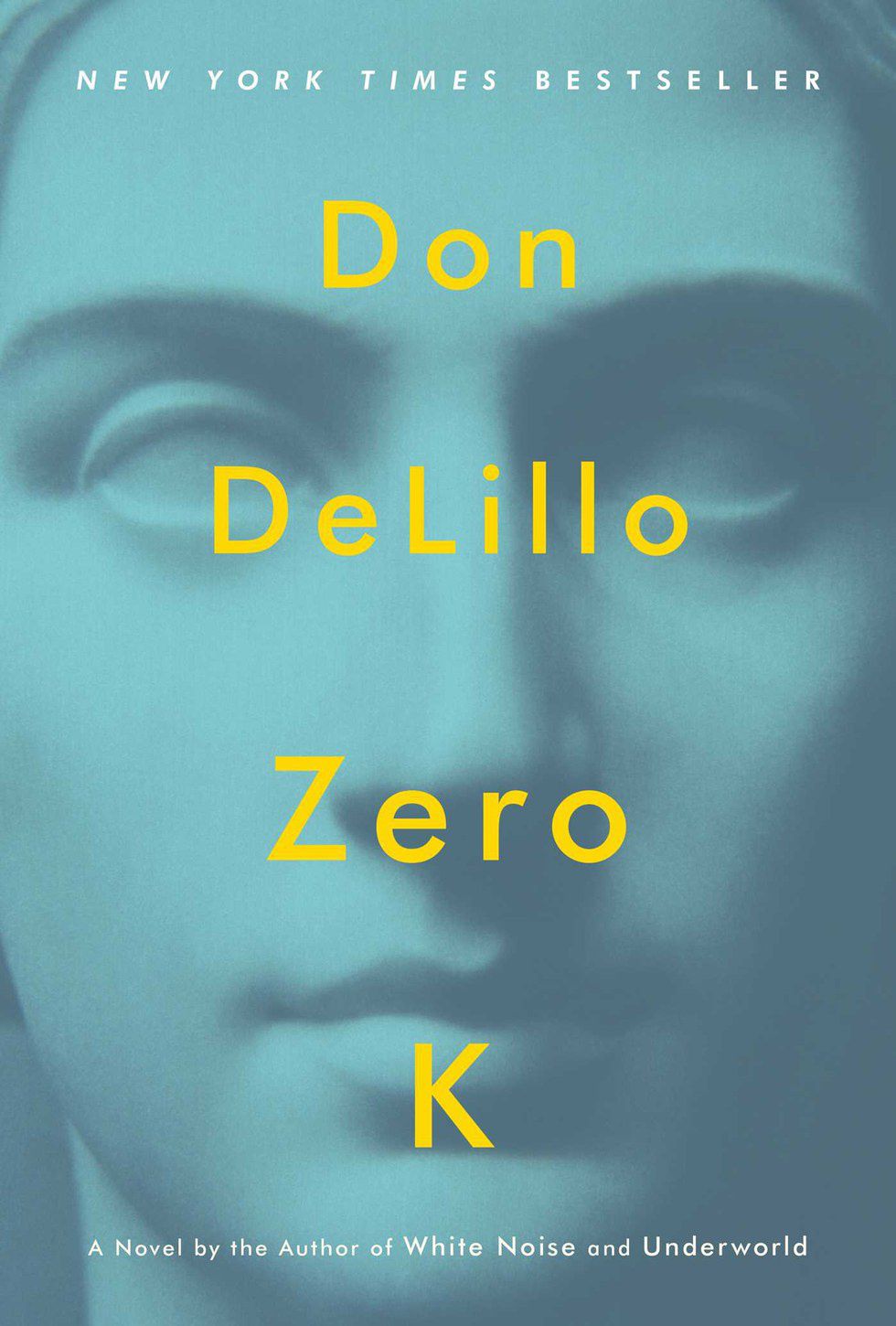 (Audiobook read by Thomas Sadoski, fiction)
This work is the only book on the list I actively disliked. In telling the story of a near future and a son grappling with the idea his father is going into cryogenic stasis for, at best, questionable reasons, sounds more fascinating on paper than it does... well, executed on paper. DeLillo's writing style is so self-consciously showy and pretentious that it becomes grinding and irritating, a 20th century White Male Genius flexing his creative writing chops without gripping or entertaining the reader on any emotional level. Not that I need super-realistic dialogue, but I have my limits when it comes to philosophical literature.
11. "Errant in Iberia" by Ben Curtis
(Actual book, non-fiction)
In the first-person account of a British expat living in Madrid, I certainly found it relatable but not worth much more. It's not bad or anything, but it's little more than a better-than-average travel diary. It's nothing that goes for the fences.
10. "11/22/63" by Stephen King
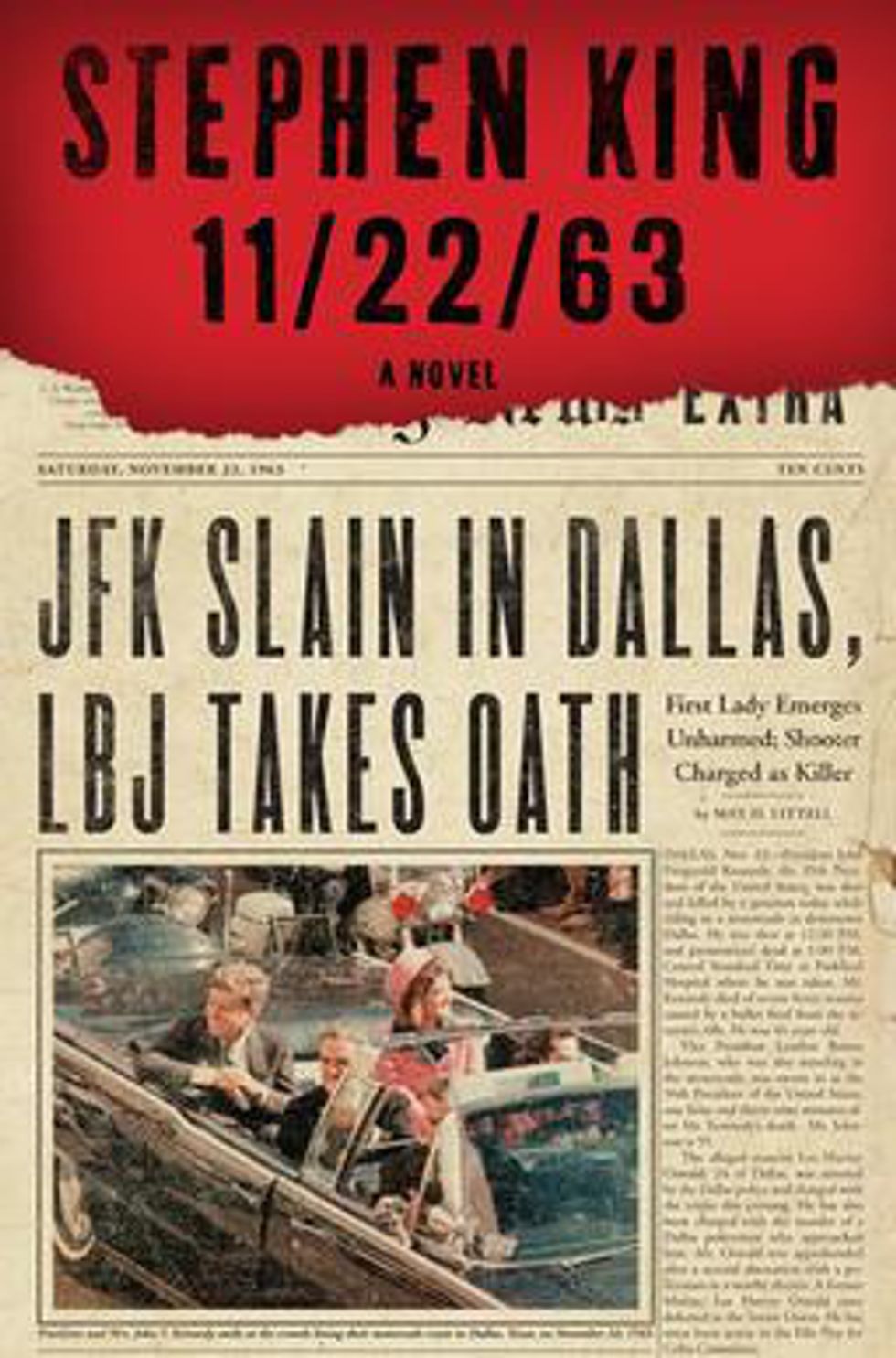
(Actual book, not recommended considering its weight, fiction)
The longest book I read by quite some margin this year, King's work about a time traveler from 2011 who ventures to stop the assassination of JFK pulls every trick it can to keep the reader turning the pages. Even as transparently as King does the convenient chapter breaks and mini cliffhangers and three act story structure — all obvious pageturner hooks — I can't deny I kept wanting to read it. Although some of the dialogue is a little hokey, the romance is a bit off, it's too long, and the nature of the story lends itself to a limited number of outcomes, it's still a damn fun read.
9. "The Wolf of Wall Street" by Jordan Belfort
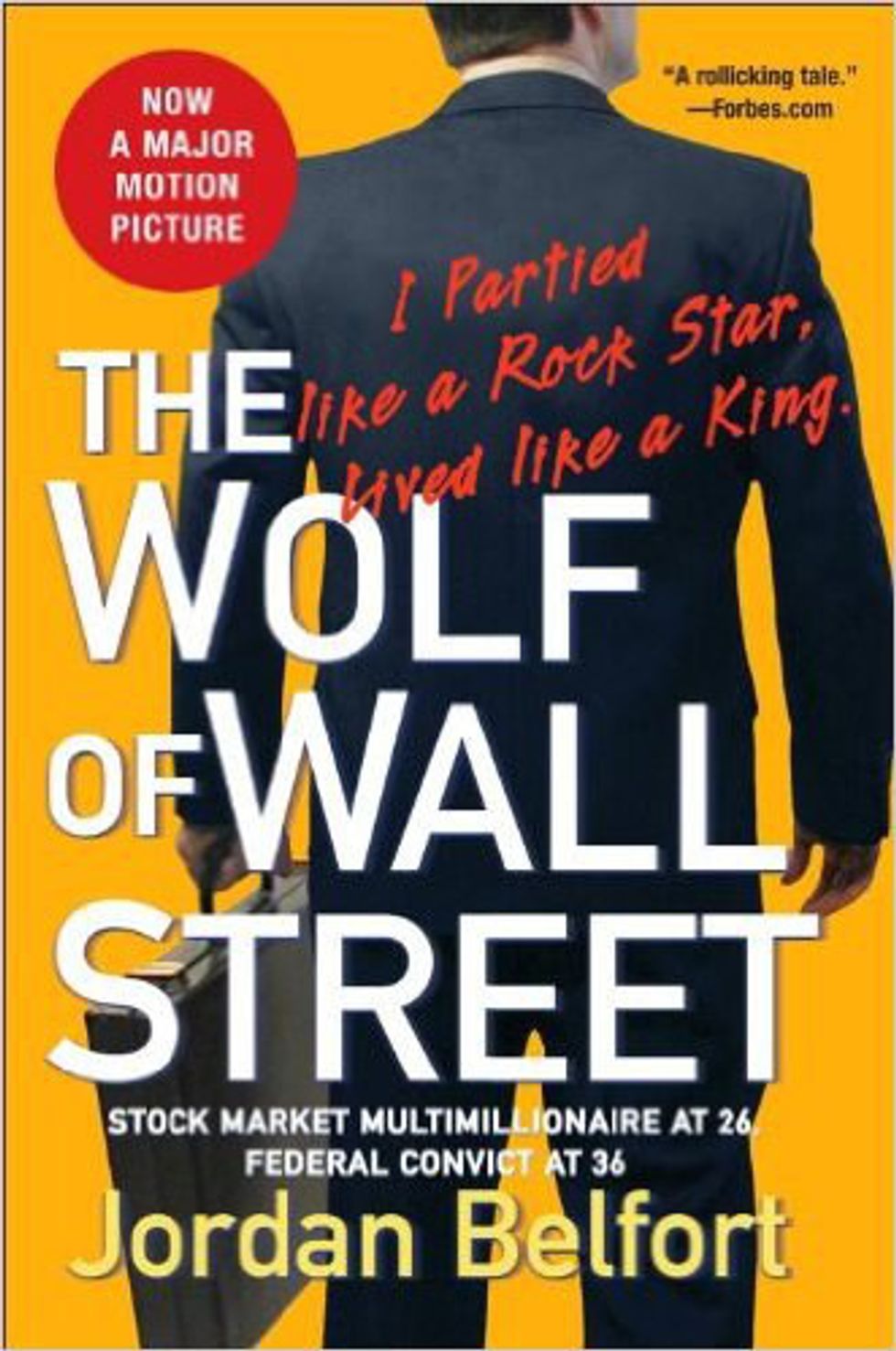
(Kindle eBook, non-fiction)
It doesn't reach the masterful heights of Scorsese's adaptation (how could it?), but it's still a riveting read. Corrupt stockbroker Jordan Belfort narrates his life of excess with surprising clarity and dark, twisted sense of humor. It reads as even more graphic than the film (his drug addiction is much sadder in the book) and while a lot of people will doubt the veracity of his claims — I assume that Belfort may be exaggerating the facts — what he relates, I'm sure, is 100% the truth as he experienced it.
8. "Fellini On Fellini" by Federico Fellini (editor unclear)
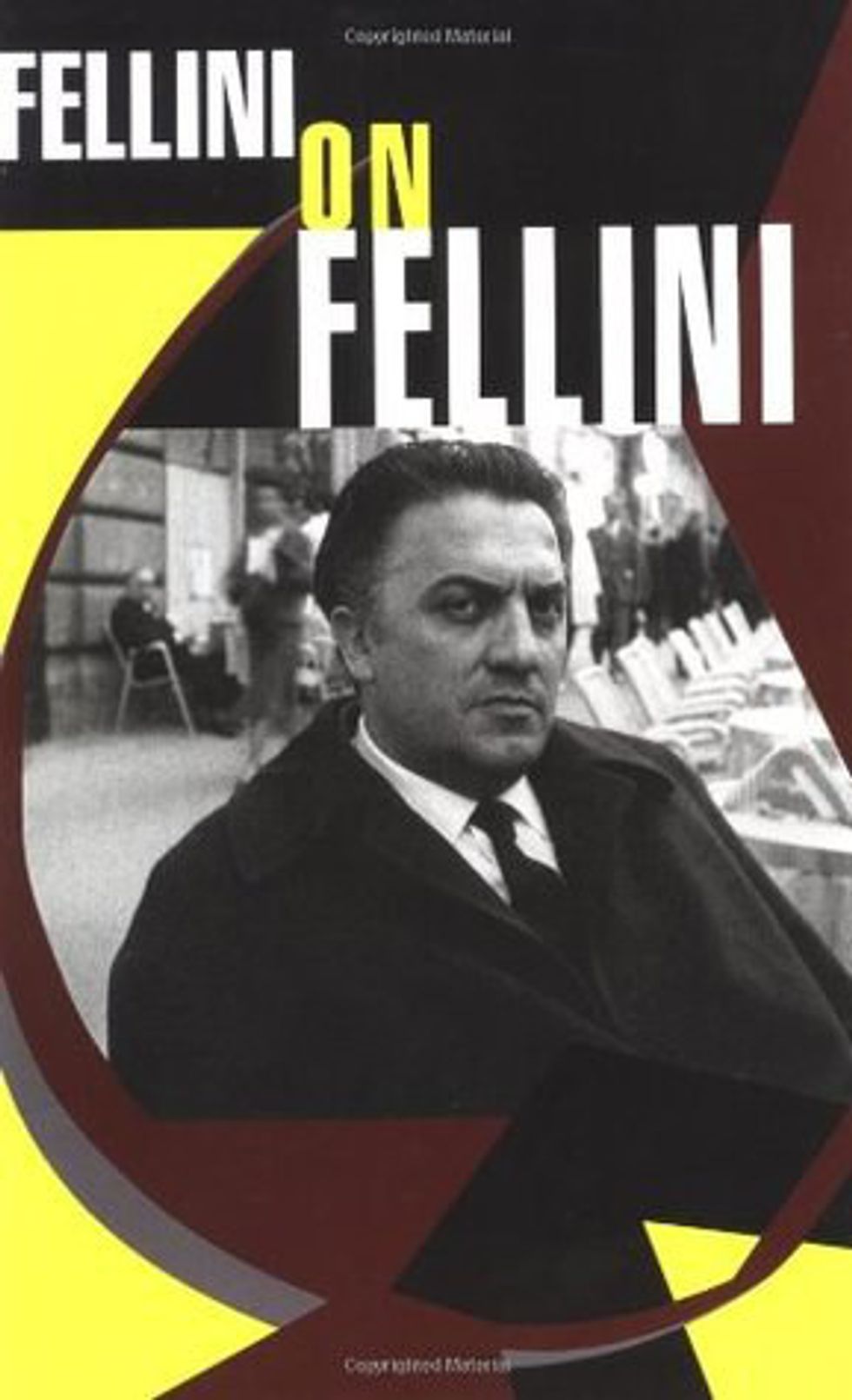
(Actual book, non-fiction)
Italian filmmaker Federico Fellini, in this collection of interviews and essays spanning his life's work, wasn't the most candid personality. There's nothing particularly juicy, but maybe that's the point. His films never shied away from raw self-expression, and this book is a valuable companion to them as we get to humanize those films' author. It won't serve much to people who haven't seen his films, but it's a great read for those who have.
7. "Heat" by Bill Buford
(Actual book, non-fiction)
Journalist Bill Buford, merely out of curiosity and a sense of adventure, recounts his journey from working in Mario Batali's Babbo kitchen to becoming one of the most prominent food experts writing today. I felt it dragged a bit once he explored food in Tuscany, but Buford is an excellent writer focusing on an endlessly fascinating topic: the inner workings of the restaurant world.
6. "Child of God" by Cormac McCarthy
(Kindle eBook, fiction)
It's one of McCarthy's shorter books but also one of his most fascinating and accessible works. It's the story of a man in mid 20th-century Tennessee who regresses into a primal and depraved state that begins with petty crime and ends with unspeakable actions to corpses. It's stomach-churning and unsettling, so in other words, a good bedtime story.
5. "Farewell, My Lovely" by Raymond Chandler
(Kindle eBook, fiction)
I'm a sucker for the cynical hero, and Philip Marlowe is the ultimate model for the archetype. A bitter private detective in mid twentieth century Los Angeles, the pages crackle. It's the second book featuring the Marlowe character I read this year and while it's more forgettable than the other book, I still highly recommend "Farewell" for fans of the crime genre.
4. "The Big Short" by Michael Lewis
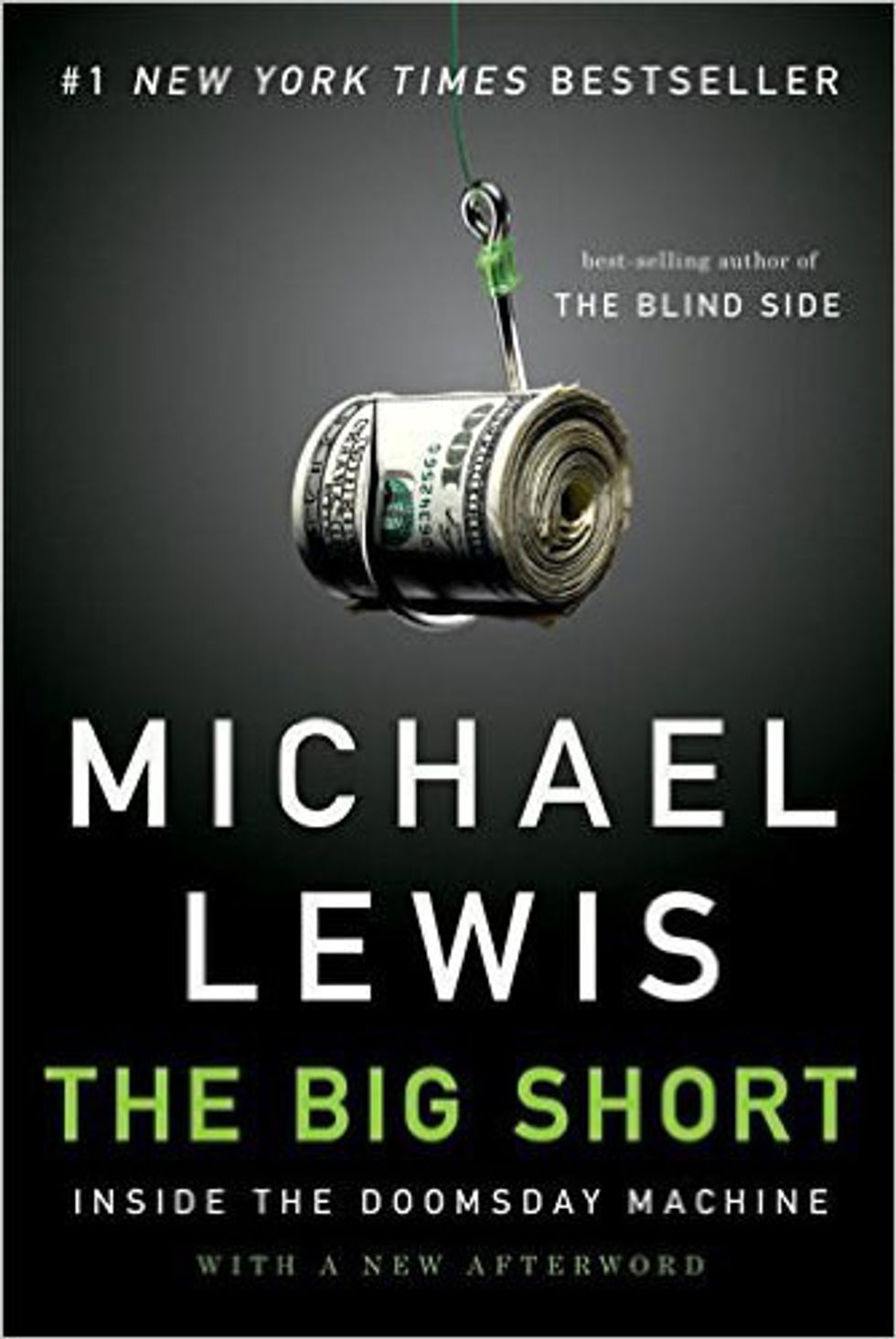
(Kindle eBook, non-fiction)
Considering the sheer complexity of the systems it describes, I actually recommend watching the movie for people who aren't well-versed in Wall Street lingo. As someone who saw the film first, this reads like an illuminating companion piece that explains in even further detail how criminally idiotic and idiotically criminal the architects of the 2008 crash were. It's the book that made me the most actively angry this year whilst reading it.
3. "Gates of Eden" by Ethan Coen

(Actual book, fiction)
Probably the most joyous read I had this year, each story of this collection of short stories reads like a deleted Coen Brothers project that couldn't be adapted into a feature film. Think FARGO or BARTON FINK except with more interior monologues and shorter runtimes. Some stories are better than others, but that comes with the territory.
2. "The Cripple of Inishmaan" by Martin McDonagh
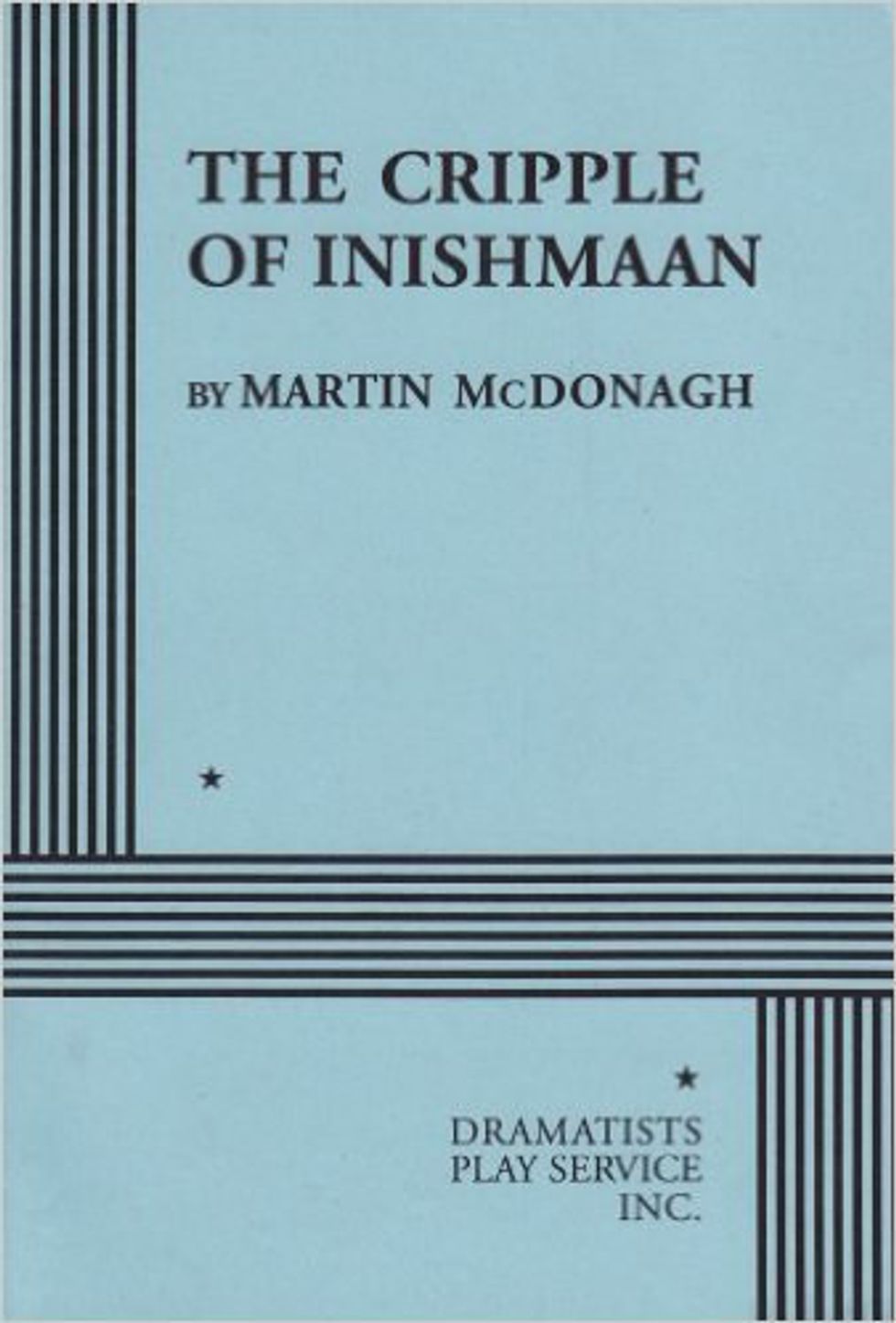
(Play)
Hilarious, heartbreaking, and bleak; in other words, classic Martin McDonagh, more popularly known as the man behind IN BRUGES and SEVEN PSYCHOPATHS. In the background is the filming of the 1930s documentary MAN OF ARAN in nearby Inishmore as the small-town folk of Inishmaan live quiet lives of desperation in the foreground. What could be saccharine or overly morbid turns out to be sharp and perfectly structured. How the guy can completely adjust pacing from writing plays to writing movies is beyond me.
1. "The Big Sleep" by Raymond Chandler
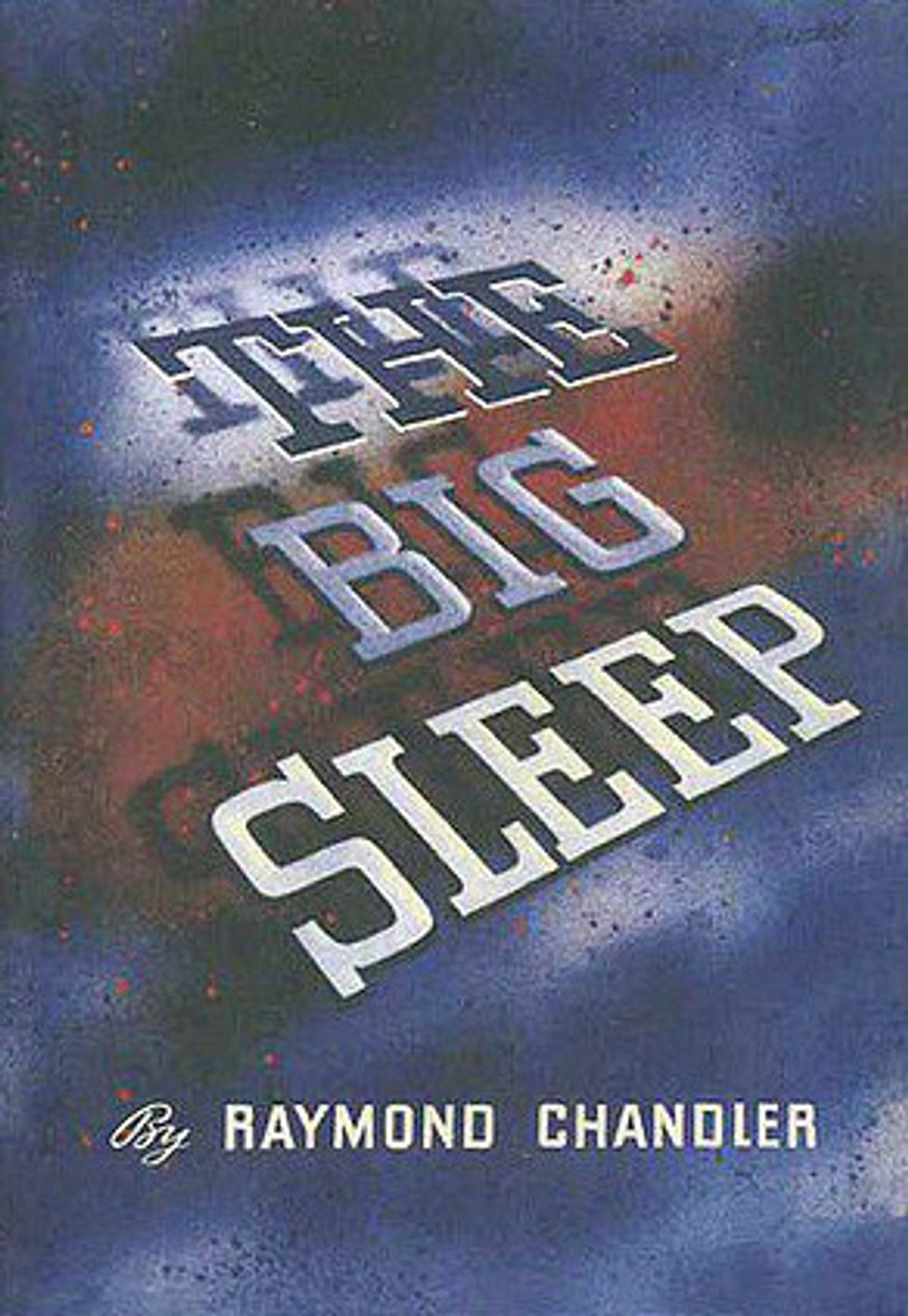
(Kindle eBook, fiction)
Despite the fact I liked Chandler's THE LONG GOODBYE more (which only ranked second in my 2015 list), THE BIG SLEEP creates a universe you don't want to leave. Not that it creates a paradise: being an alcoholic private detective in 1939 Los Angeles isn't exactly a rollicking time. But reading it through the filter of fiction, with its absurdly cool dialogue and rich sense of environment, is a deeply rewarding experience. I didn't have any idea what exactly was going on, but the mood was so greatly executed that it didn't matter. It's Chandler's universe, and I'm just happy to take a peek.