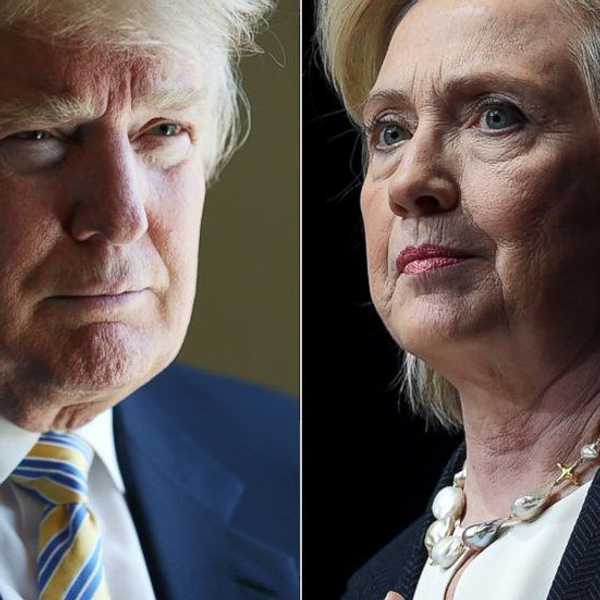
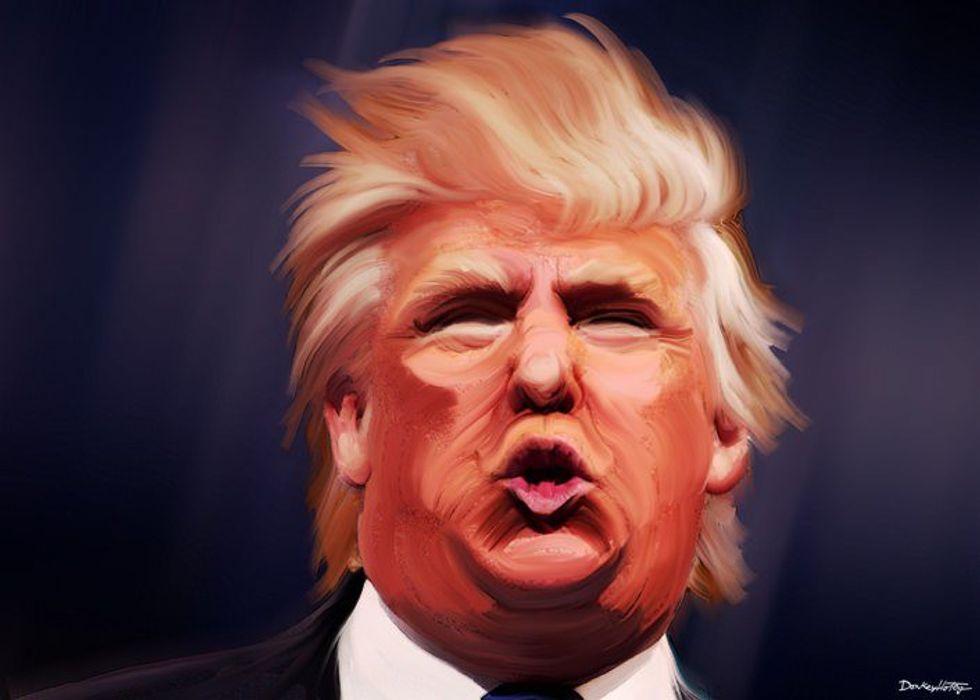
Donald Trump is leading the 2016 Republican pack of candidates for president. His lead stalls on Feb. 2, 2016 when he lost the Iowa Caucus by 4 percent to Ted Cruz. But despite his defeat, Trump still leads nationally with 36.0 percent; Ted Cruz 18.2 percent; Marco Rubio 13.8 percent; and Ben Carson 8.1 percent. Is the result of the Iowa Caucus a roadblock that causes Trump’s campaign to slowly retreat until it fades away or will he overcome his loss?
After his defeat in the Iowa Caucus, Trump is campaigning very hard in New Hampshire. Winning that state primary scheduled for Feb. 9, 2016 would favorably bolster his base and public opinion. He definitely needs such a win to regain confidence in his quest for the White House. His campaign will not easily retreat if he happens to lose again in New Hampshire. His national political support is too strong for that to happen. But what if Ted Cruz or someone else wins New Hampshire while Trump is still nationally high in the polls? More likely, that would mean that Trump is still winning despite his alleged second defeat.
Trump and the Republican Party don’t see eye to eye. The Republican Party finds itself in a state of stupefaction and the rest of the nation split between 36 percent for and 64 percent abstained or against. It appears that people are looking for a candidate who is categorical and resolute, but someone who is out of the political mainstream who is able to solve the complex problems that the United States and the world are confronting. Trump seems to fit, in the eyes of his supporters, the profile of such a candidate. His political strengths are based on issues regular politicians circumvent but that he flatly denounces and openly embraces. Those issues are immigration, economy, Isis and dealing with world rogue nations.
Trump’s biggest hurdle is the Republican establishment itself. He is an estranged member of the Republican Party. He is funding his own political campaign; he becomes at times very controversial on issues having to do with Muslims, immigration and foreign policies, etc. The question is will Trump and the Republican Party mend fences if he turns out to be the Republican nominee? If not, would he run as an independent presidential candidate? The future will tell.
At this point, no one can predict the outcome of the New Hampshire primary. In the meantime, Trump has softened his political tone, and hence he looks very presidential. The Iowa Caucus loss has not slowed him down a bit. He is still ahead in the polls with a significant advantage of point percentage over his political rivals. At this point, Cruz and any other candidate are likely to emerge as a possible winner in New Hampshire.
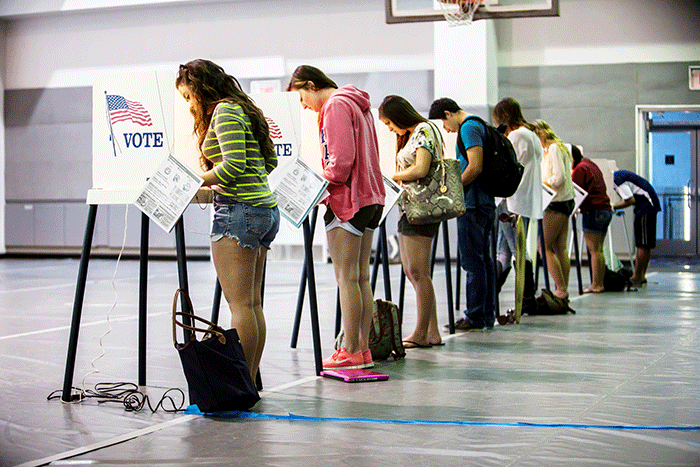
Until the next primary election day, voters need to keep their fingers crossed. The result of the Iowa Caucus may not be a significant setback for Trump after all. But New Hampshire's primary is likely to make or break Trump’s presidential campaign. For it has been customary that, since 1972, the Iowa caucuses have had a 43 percent success rate at predicting which Democratic candidate for president and a 50 percent success rate at predicting which Republican candidate for president will win the nomination of their respective party.