


Every year there is a week where libraries across the nation bring to our attention a certain collection of books: the ones that have been banned by our society. Many people see the posts and advertisements and video blogs for Banned Book Week, but do they really understand why this is such an important issue in our society today?
Many banned books are censored on the grounds that they pull certain societal norms and issues into the light, and this tends to make people uncomfortable. Parents, religious denominations and individual groups object to the book being in their library and thus the author’s rights and the reader’s ability to choose any book are threatened, because of one group’s objections to the content.
The difference between a banned and challenged book is that a banned book has been taken out of a school’s curriculum or a public library’s collection. A challenged book is one that is currently be discussed or fought against. When a book is banned or challenged, it does not have to be nation-wide, it may b89e within a state, county or school-system.
However, banning or challenging books takes the opportunity away from the reader to experience the book for themselves and however they may interpret book's themes and elements. No one should be able to decide what a person may read just because it offends their own beliefs and societal views.
I'll let you determine for yourselves whether any of these commonly banned or challenged books should remain so:
1. To Kill a Mockingbird by Harper Lee (1960)
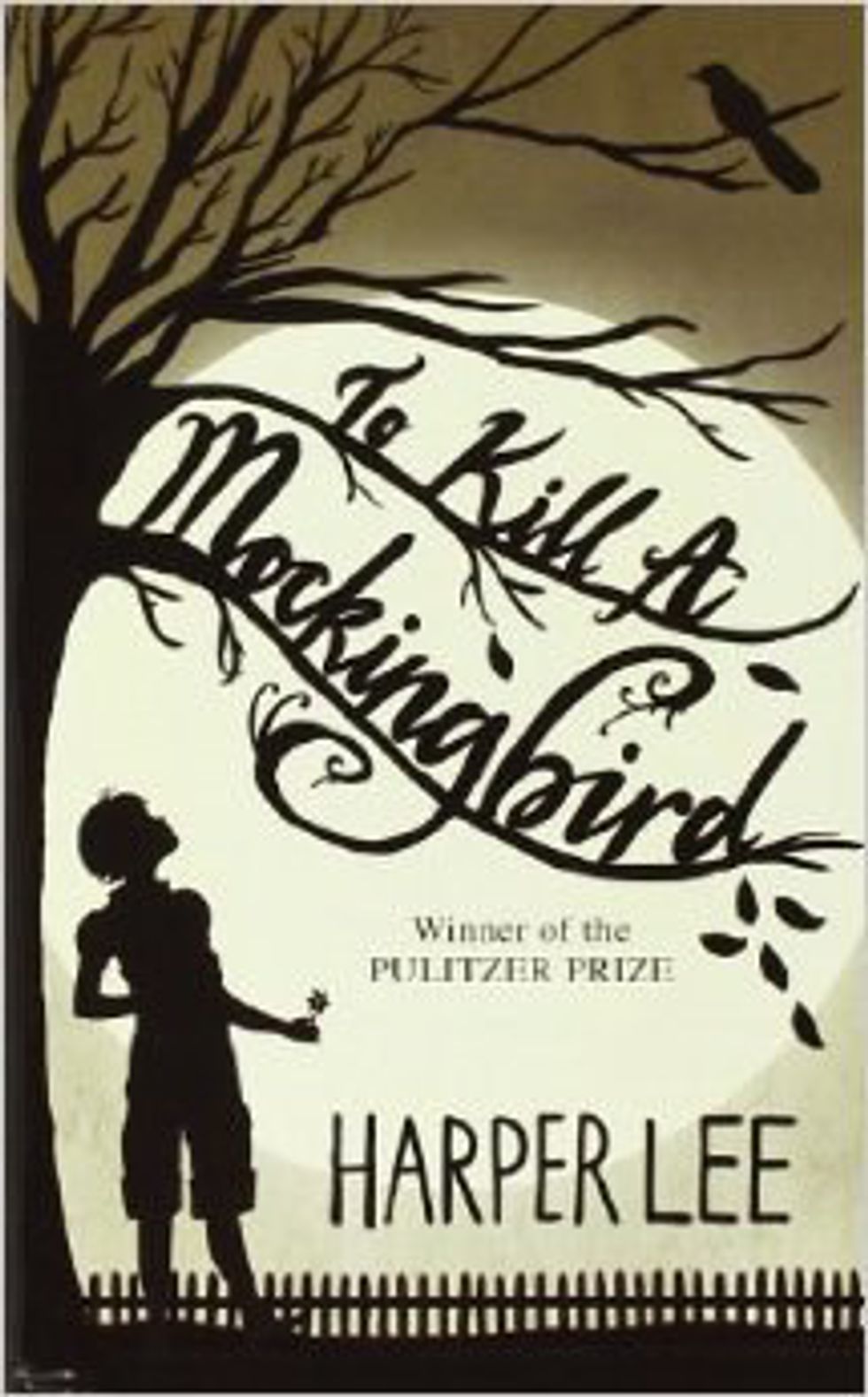
The story of the Finch family and the one of the most famous literary trials to ever be written. Told from the point of view of Scout Finch, who watches her father take on the case of a poor black man in the 1930s. Banned on the grounds that it promotes a degrading, profane and that it is a racist work.
2. The Harry Potter series by J.K Rowling (1997-2007)
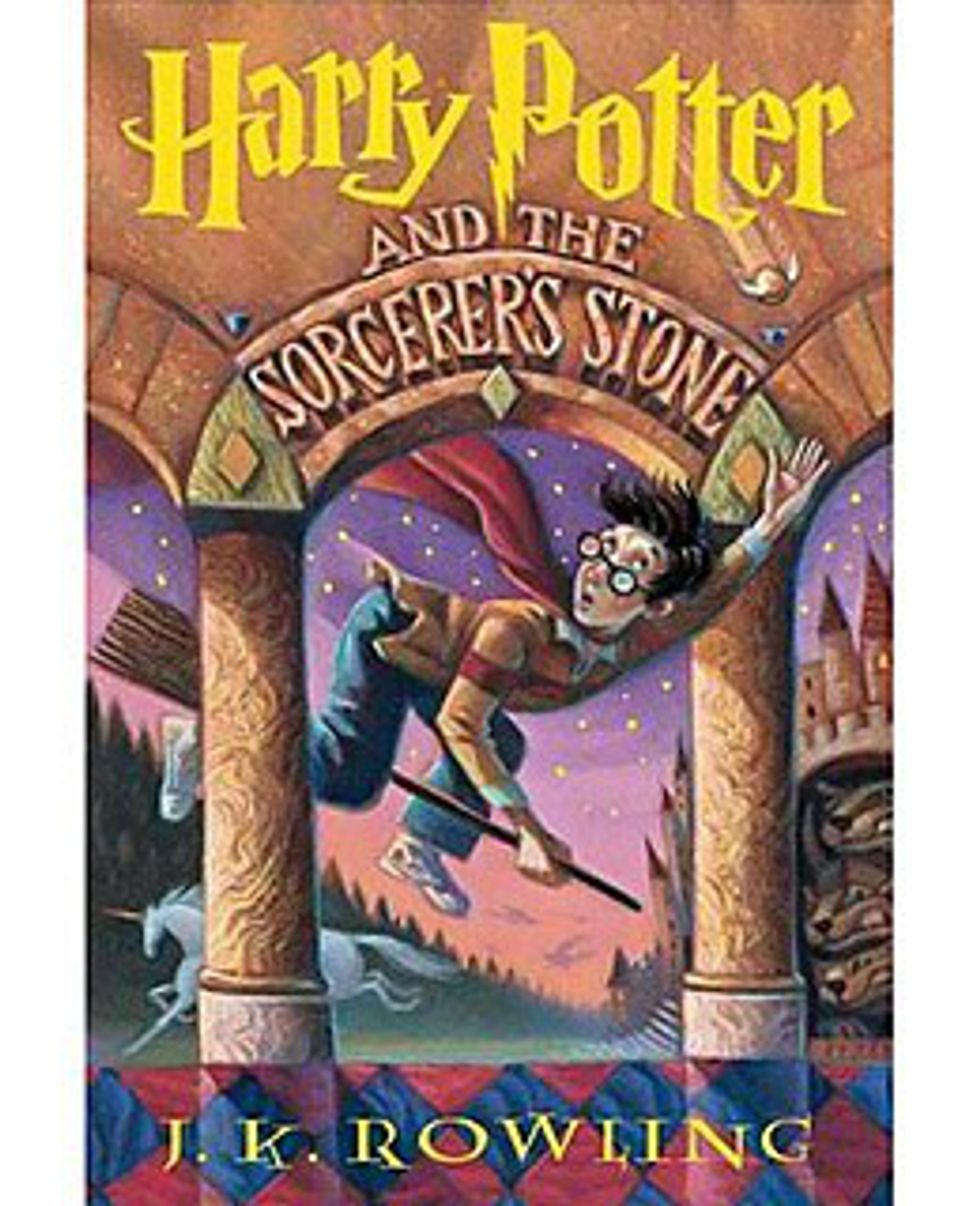
A series of books about a young man who finds out that he is a wizard. He attends a magical school, named Hogwarts, and faces terrors of Lord Voldemort and his Death Eaters. Banned because of the occult/witchcraft topics and violence.
3. The Adventures of Huckleberry Fin by Mark Twain (1884)
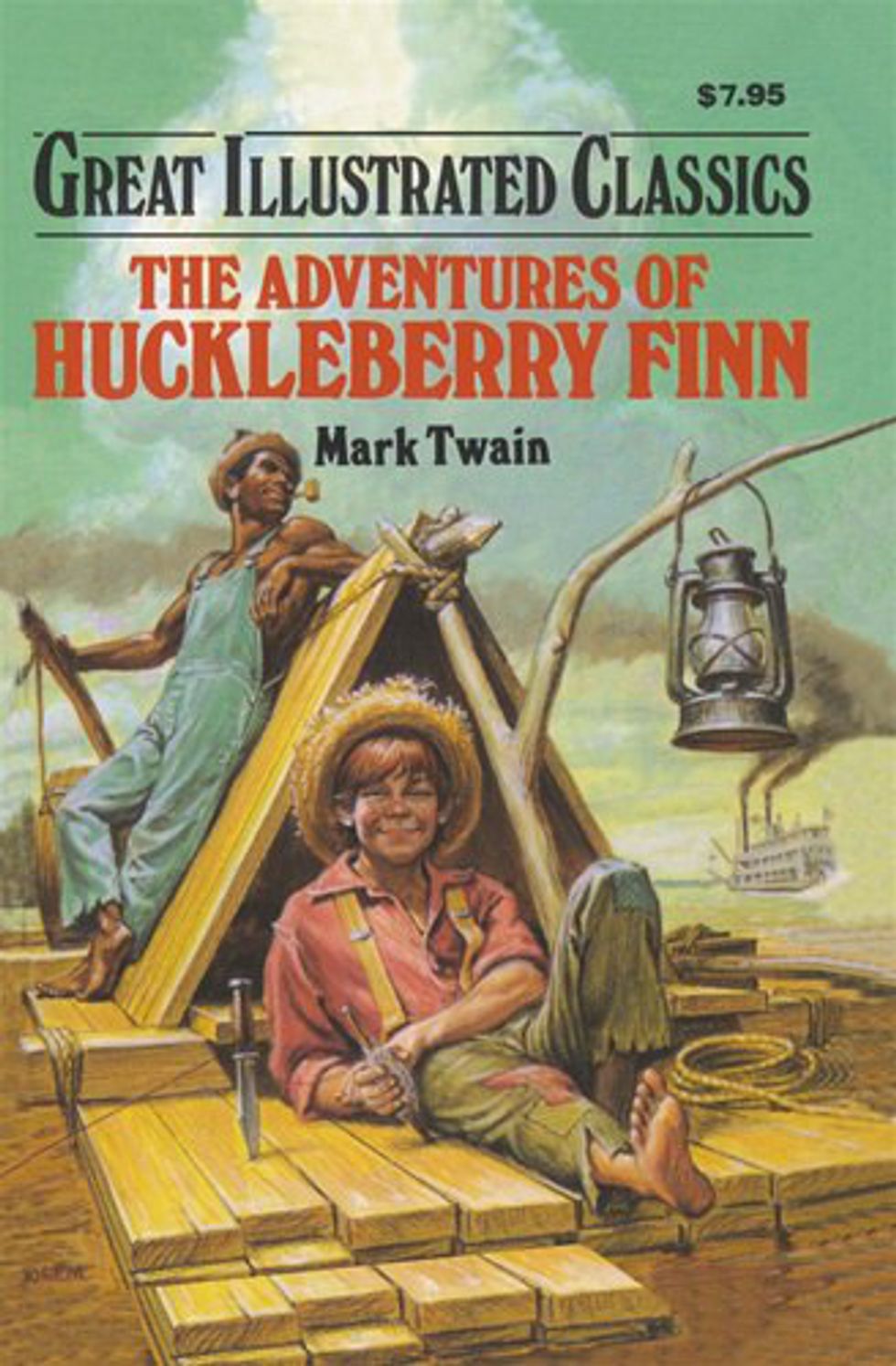
The story of a Huck Finn, a young boy who runs away from his father and sails on a boat down the Mississippi with an African-American man. Banned because of its use of the N-word and racist elements.
4. And Tango Makes Three by Peter Parnell and Justin Richardson (2005)
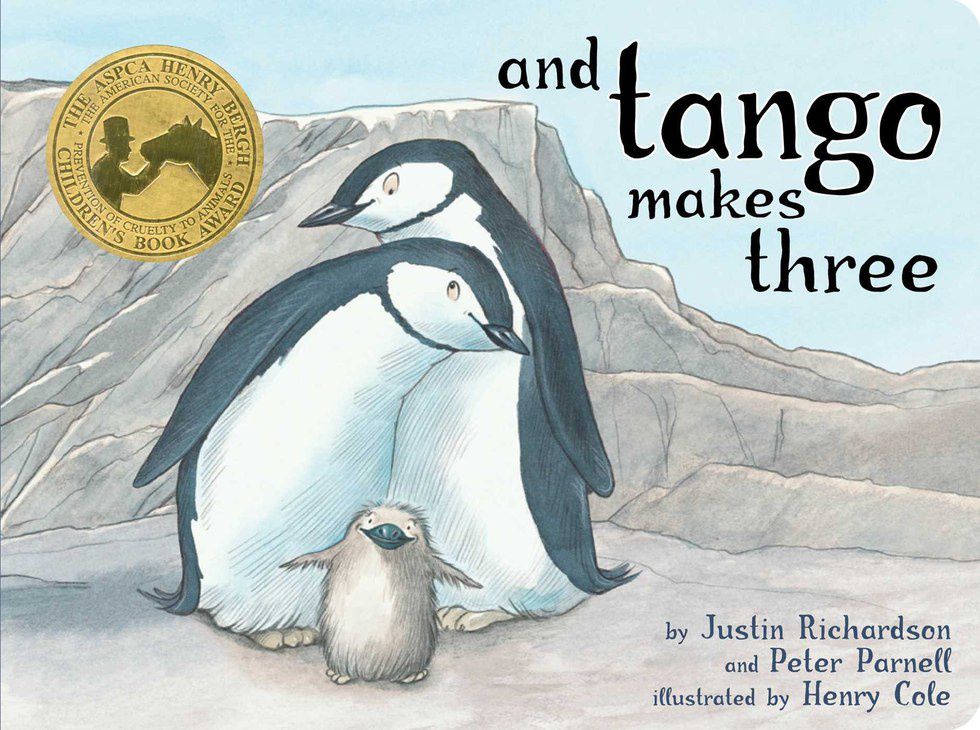
An illustrated children’s book about two same-sex penguins in the Central Park zoo who adopt an unclaimed egg. Banned because it challenged the views of homosexuality and what truly makes up a family. It was also questioned for age-appropriateness.
5. Looking for Alaska by John Green (2005)
About a young man named Miles, who starts over at a boarding school and meets a girl named Alaska. They share many experiences together. Challenged because of its sexually explicit scenes and is not considered age-appropriate.
6. The Kite Runner by Khaled Hosseini (2003)
Tells the story of a young man named Amir from the Wazir Akbur Khan district of Kabul. It follows his life and depicts the rise and fall of governments and also the rise of the Taliban. It has been challenged since its publication for graphic images, male rape and vulgar language.
7. The Hunger Games by Suzanne Collins (2008-2010)
The story of Katniss Everdeen, who lives in a dystopian society when children are sent to an arena and killed on live-television. Challenged because of violence, graphic themes, anti-ethnicity and insensitivity.
8. The Color Purple by Alice Walker (1982)
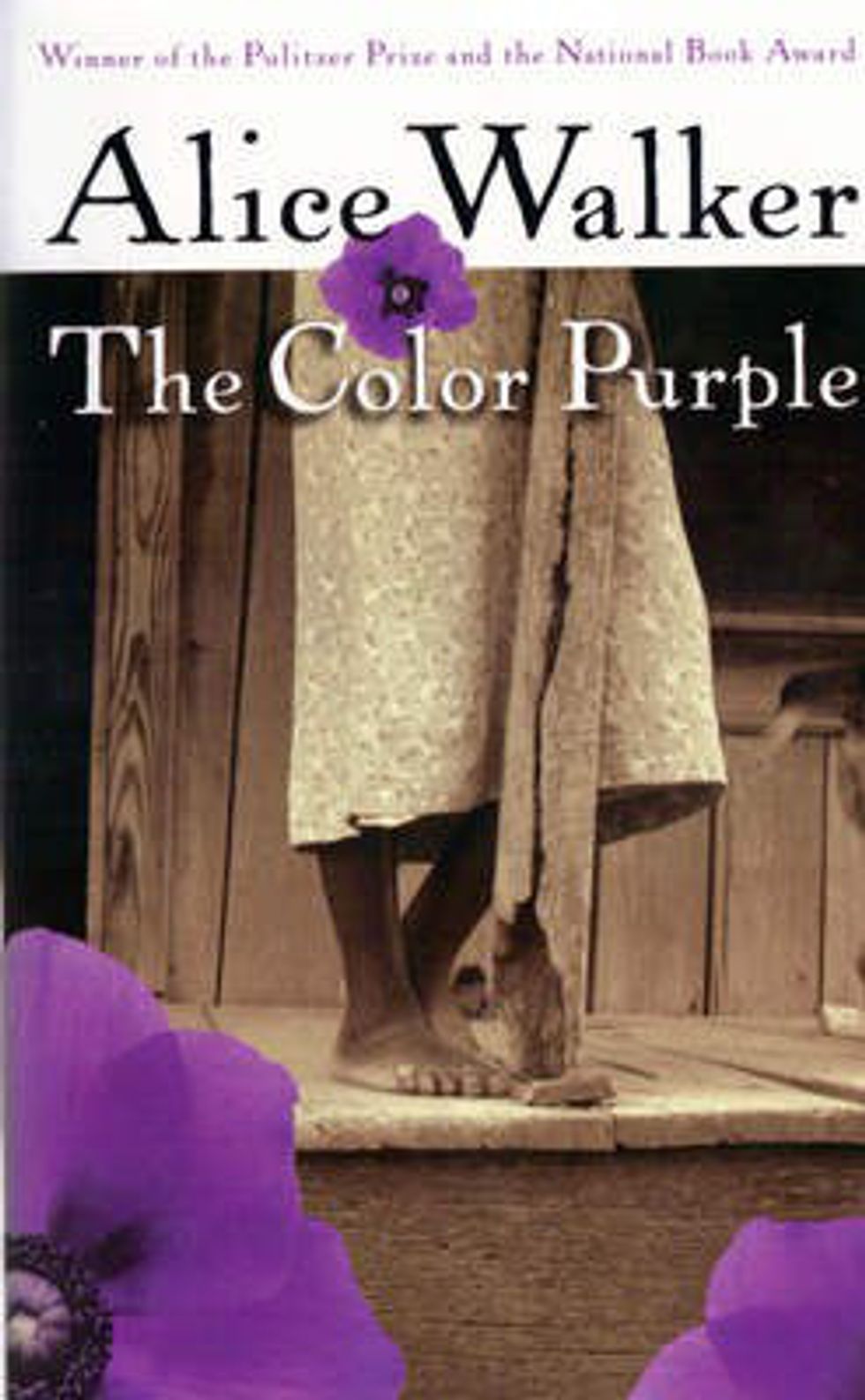
The story of a young African-American woman who faces abuse, racism and other hard topics as she grows up in rural Georgia. Challenged for its obscenity, racism, discussion of tough topics such as physical abuse and racial discrimination.
9. Brave New World by Aldous Huxley (1931)
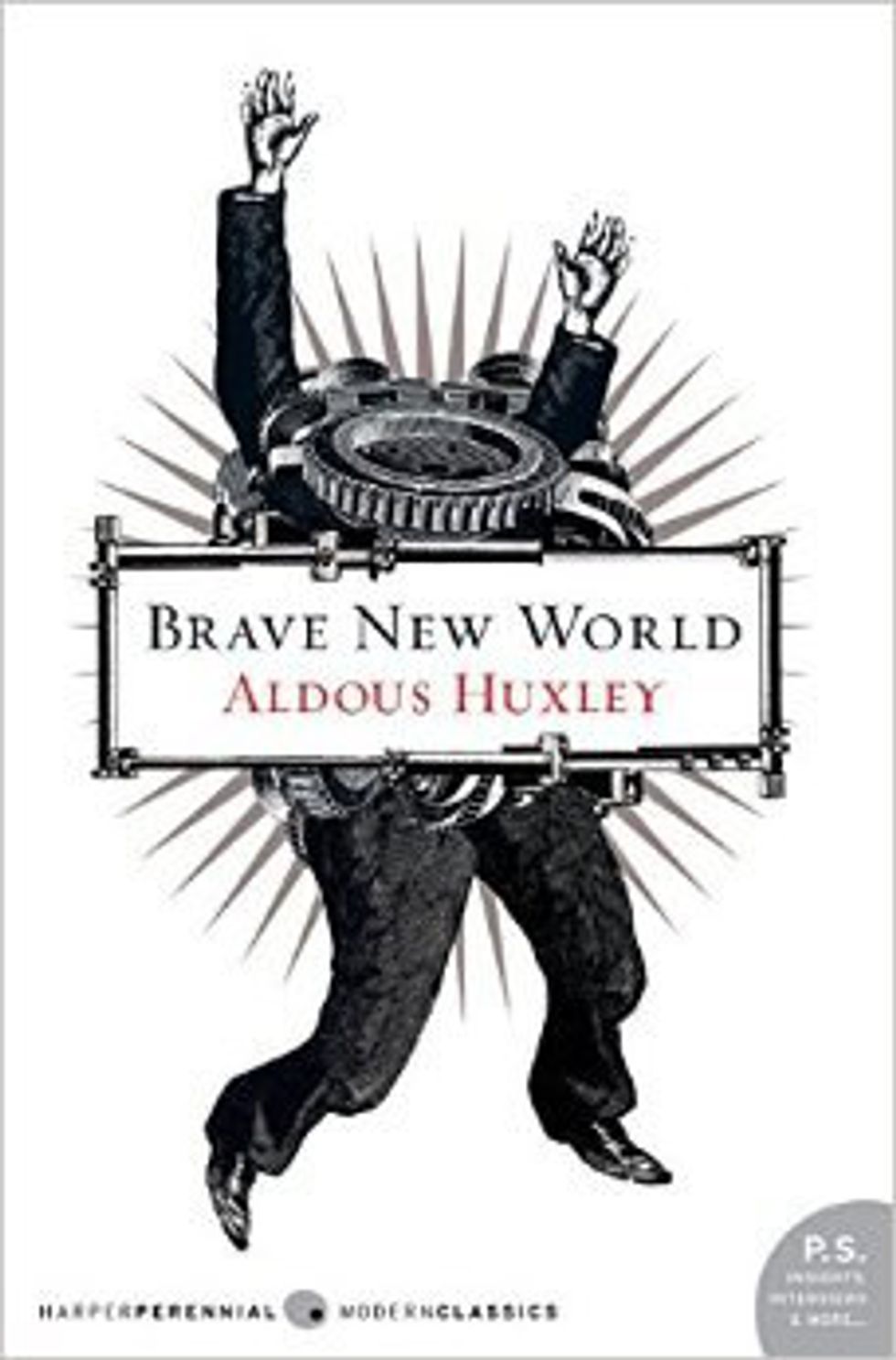
A story about a “utopian” society where children are born in laboratories and taught how to sense things through movies called “Feelies”. Insensitivity, language, sexually explicit scenes and racism.
10. Bridge to Terabithia by Katherine Paterson (1977)

Two kids become friends and create an imaginary world in the forest near their houses. They use their forest as a sanctuary from their daily lives. Occult themes, violence and language.
11. The Perks of Being a Wallflower by Stephen Chbasky (1999)
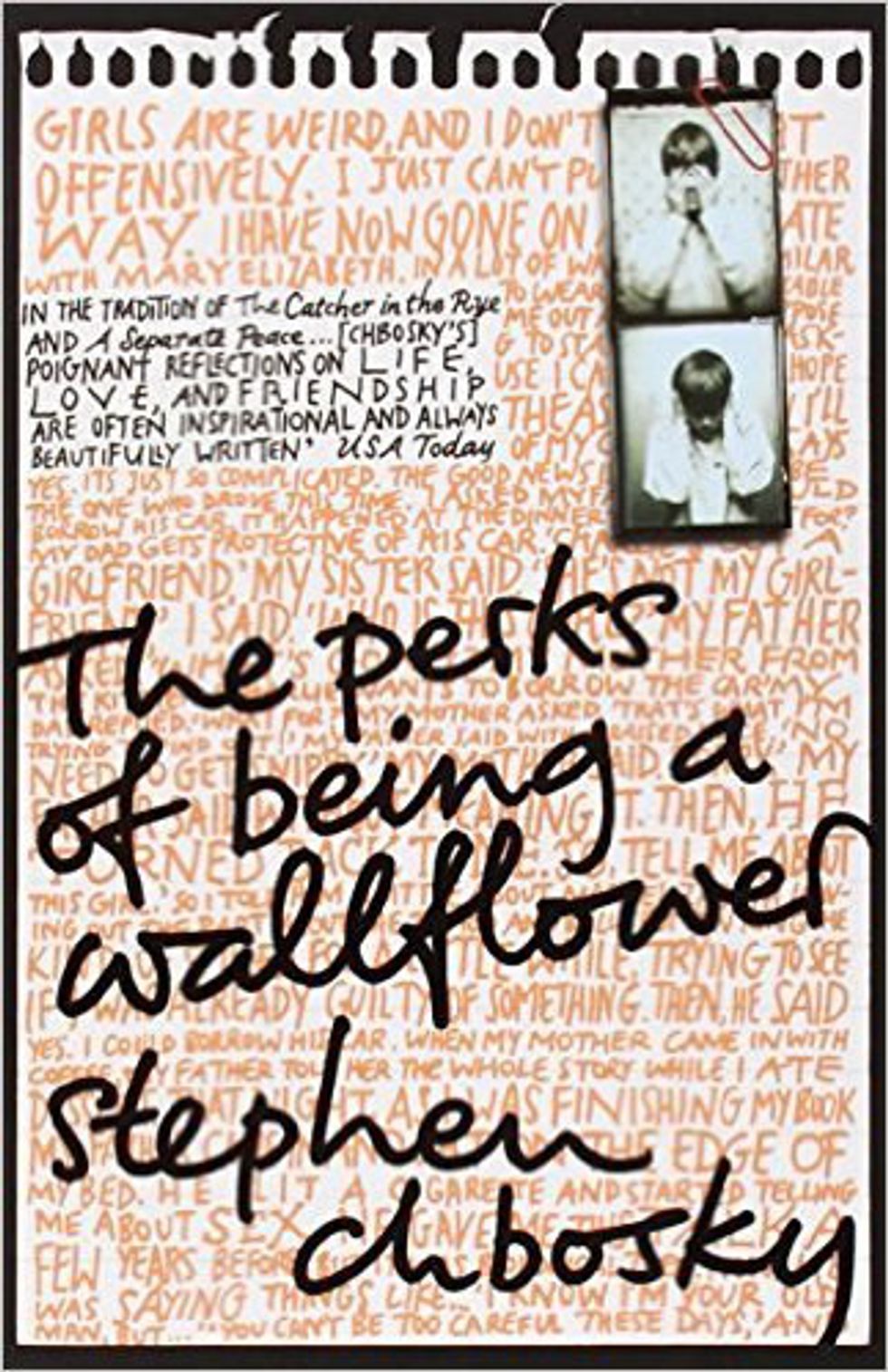
An anti-social teenager becomes friends with two outcasts and through this relationship he learns how to not be a wallflower. Homosexuality, language, sexually explicit scenes and discussion of depression and suicide.
12. One Flew Over the Cuckoo's Nest by Ken Kesey (1962)
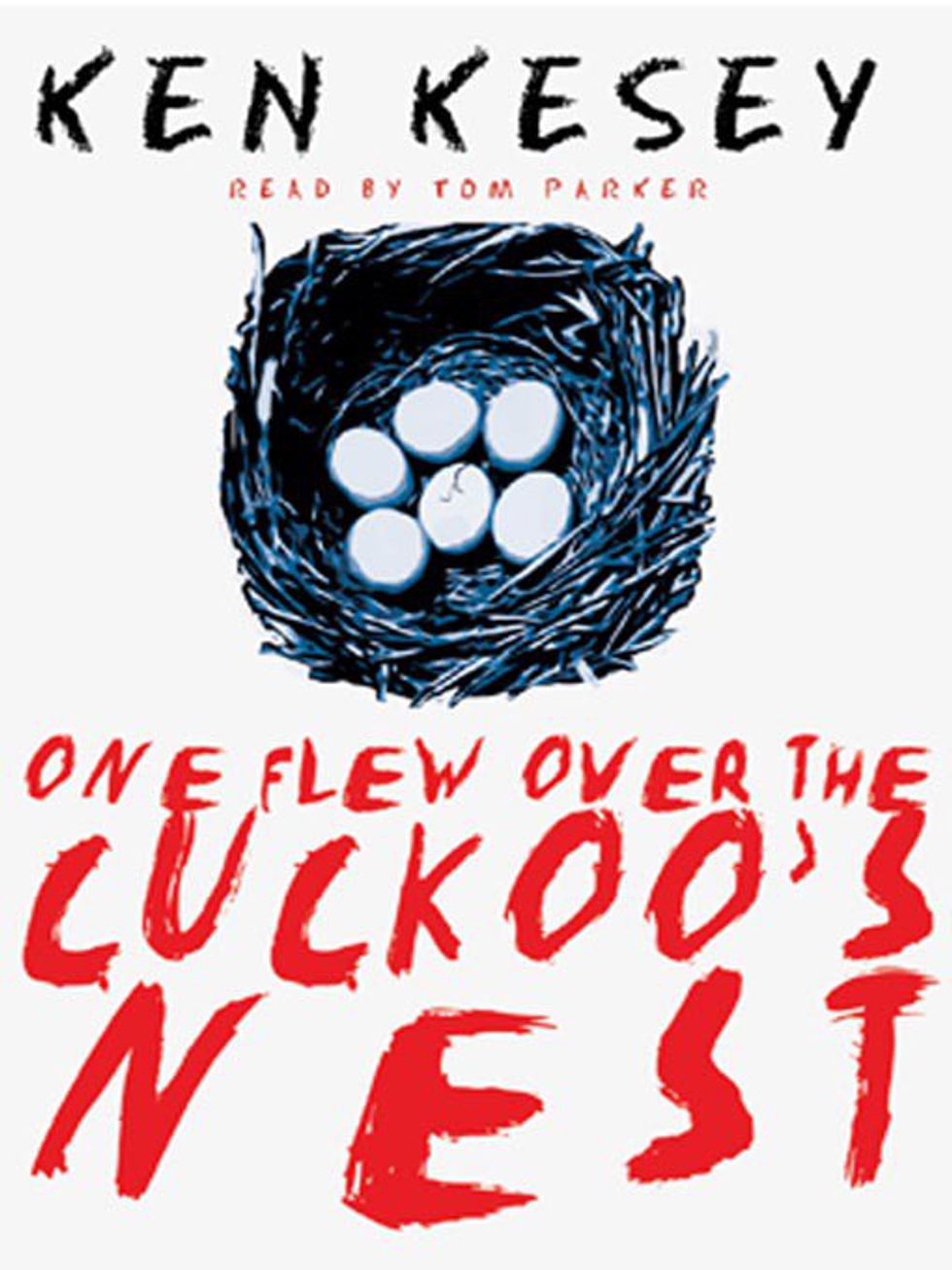
Narrated by a patient in an mental asylum in the 1960s, One Flew talks about the treatment of mental illnesses, the government and other mature themes such as what it means to be a man. Banned for those mature themes and ideas, depiction of mental illnesses, not considered age-appropriate.
13. A Time to Kill by John Grisham (1989)
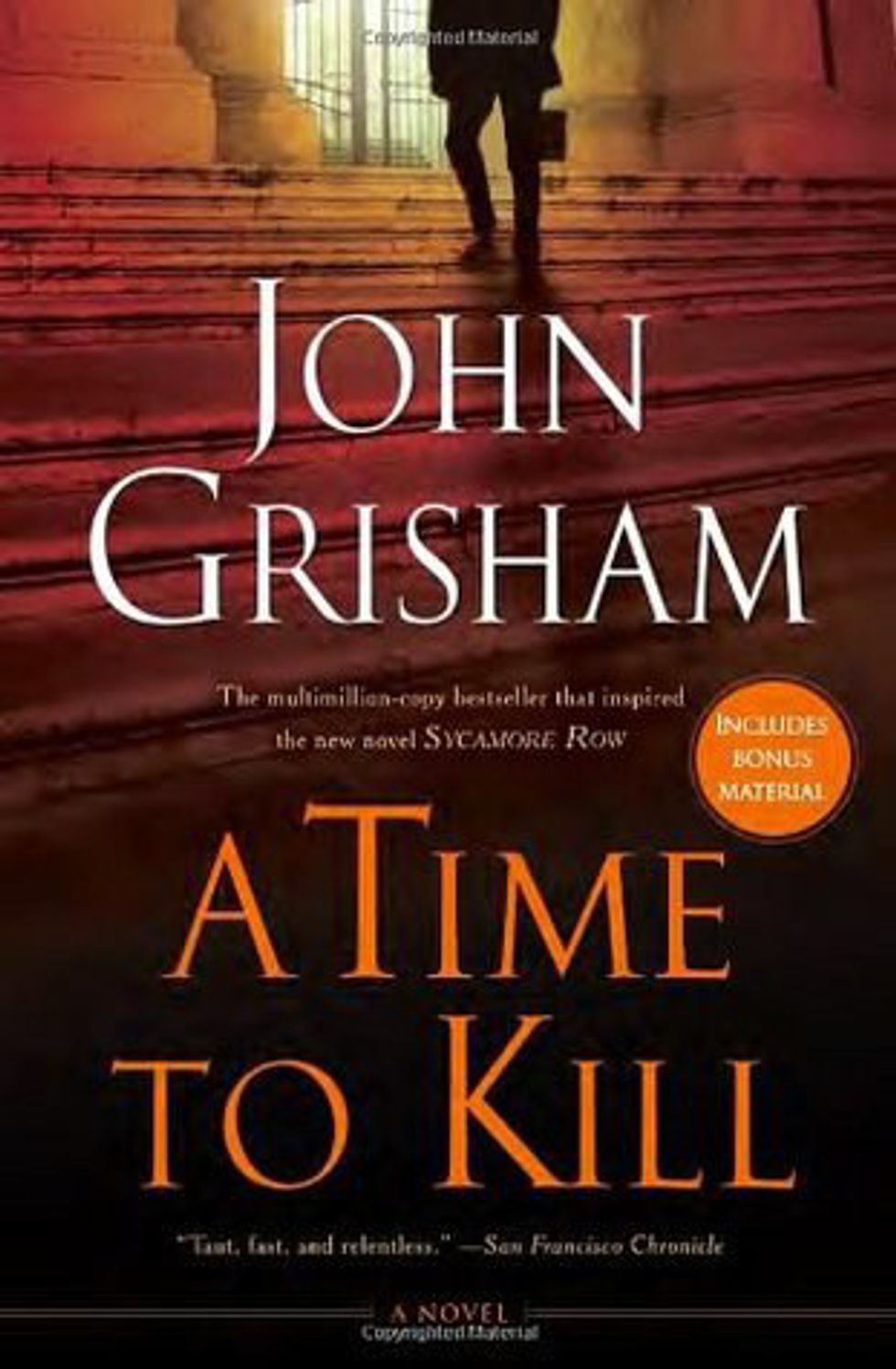
Set in Clanton, Mississippi in the 1980s, the story follows three people who take on the case of a black man who murdered the men who raped his eleven-year-old daughter. It also deals with the problems ensuing with the KKK during the case. Banned for graphic rape and murder scenes, and racism.
14. The Outsiders by S.E Hinton (1967)
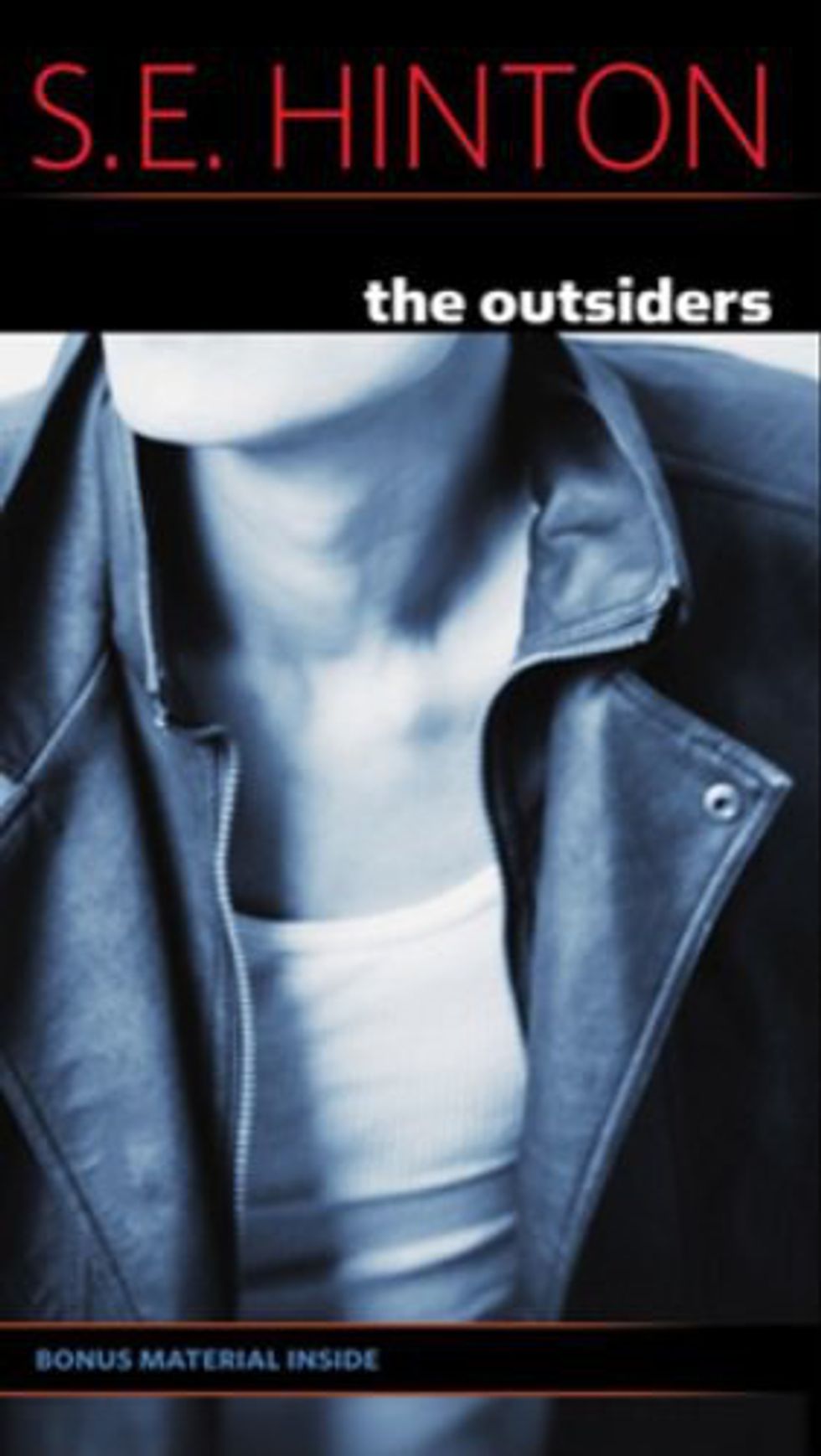
Follows the story of a group of Greasers as they battle the Socs and their socio-economic classes. A depiction of lower-class teenage boys and the issues they faced. Banned for controversial and “ungodly” themes such as drugs, violence and sex.
15. Native Son by Richard Wright (1940)
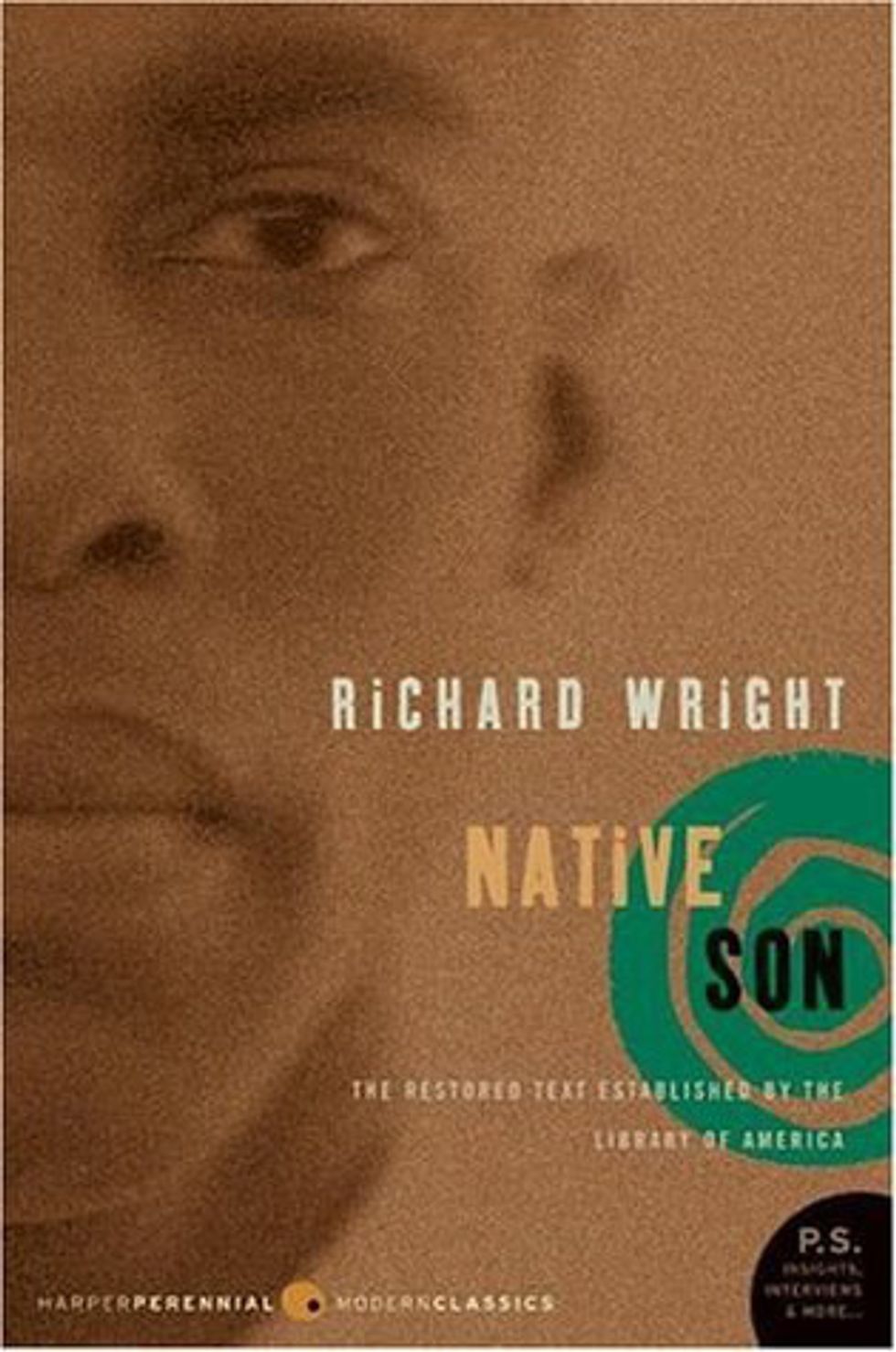
A story of a poor black man in South Side Chicago. He starts working as a chauffeur for a rich, white family and many issues ensue, including murder and racism. Banned because of it’s violent and sexually graphic themes.















