Music, like many other art forms, is amazing because it transcends time and can connect with people all over the world, regardless of language or culture. While music from any era can be listened to thanks to iTunes and YouTube, there are some songs that have inspired other artists so much that they decided to cover the songs and add their own twists to them. Covering older songs, or even current songs, can drive the popularity of original versions of the covered songs up and make people aware of the older and new artists and introduce fans of either artist to new music. Sometimes, covers end up blasting past the popularity of the original songs, thus helping the original artist gain a little popularity. After listening to a ton of covers this past week, I've found 13 covered songs that definitely deserve some attention for being great homages to the originals while maintaining their own beautiful and new identities.
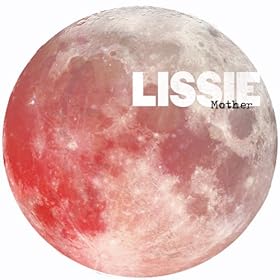
"Mother" by Lissie, 2014 (originally recorded by Danzig, 1988)
The haunting guitar at the beginning of Lissie's cover sets a far different mood from the original metal recording by Danzig. Elizabeth Maurus, whose stage name is Lissie, has a raw and edgy voice that slowly moves from hushed tones and melodic shouts. Glenn Danzig, the vocalist on the initial recording, does something similar from the verses to the choruses, but Lissie's gradual change definitely points to a build-up of rage in the song. As the song reaches it's peak in Lissie's recording, the loud guitar and bass help drive the tempo and edge of the song through the roof until it's end. Both songs end up being hard hits, but Lissie's indie-esqe style recording attracts a new audience who might've never been interested in the harder and older sounds of Danzig. As a fan of both Lissie and Danzig, finding this cover in Lissie's catalog definitely made my heart happy.
"I Will Always Love You" by Whitney Houston, 1990 (originally recorded by Dolly Parton and Vince Gill, 1974)
Most people are completely unaware of "I Will Always Love You" by music queen Whitney Houston being a cover of a Dolly Parton song, and because of this, I'll give you a little bit of a background into the awesomeness of both versions of the song. My friend introduced me to a movie called "The Best Little Whorehouse in Texas" that starred Dolly Parton, and being someone who thinks the world of Dolly, I was interested in learning more about it. My friend then revealed to me that "I Will Always Love You" was in the movie, and I immediately thought, "Oh cool! Dolly covered Whitney! How awesome is that?" Much to my surprise, my friend revealed to me the date of Dolly's recording and said it was older than Whitney's. TL;DR, Whitney covered Dolly and my mind was blown! Dolly's version is in the country genre while we all know of Whitney's powerful performance from the film "The Bodyguard." If you decide to listen to Dolly's version, you'll realize it definitely has the power to stand on it's own due to Dolly's unique voice and Vince Gill's distinct guitar. Thanks to Whitney's cover in the early '90s, the song regained popularity, and a new pop audience was introduced to the amazing and moving lyrics of the song.

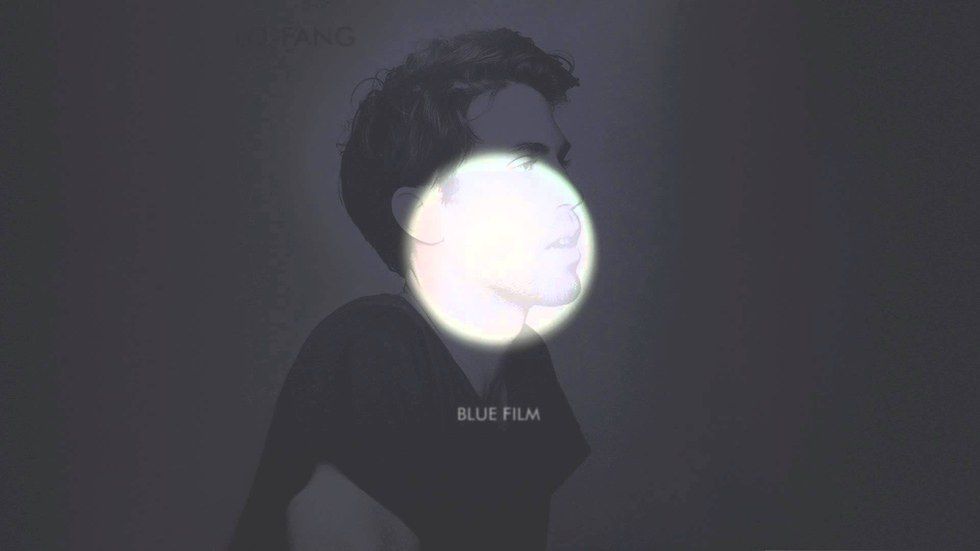
"You're the One That I Want" by Lo-Fang, 2014 (originally recorded by the Grease Motion Picture Cast, 1978)
Unless you've lived under a rock or haven't seen a middle or high school put on the play at least once in your life, you know the song "You're the One That I Want" from the movie and play Grease. The original version features bad boy Danny and good girl turned fox Sandy singing to each other in a wild and musical manner. Lo-Fang took the song and turned it into an underrated, indie masterpiece in 2014. The song has a completely independent sound from the original recording, and you'll have to hear it with your own ears to believe the complexity and beauty of it. The cover is far more intricate and romantic than the original, and I can't get enough of it. While the cover is far different from the original, it definitely raised awareness of the song and it's origins. But seriously, you need to listen to the cover as soon as possible. It'll melt your heart instantly.
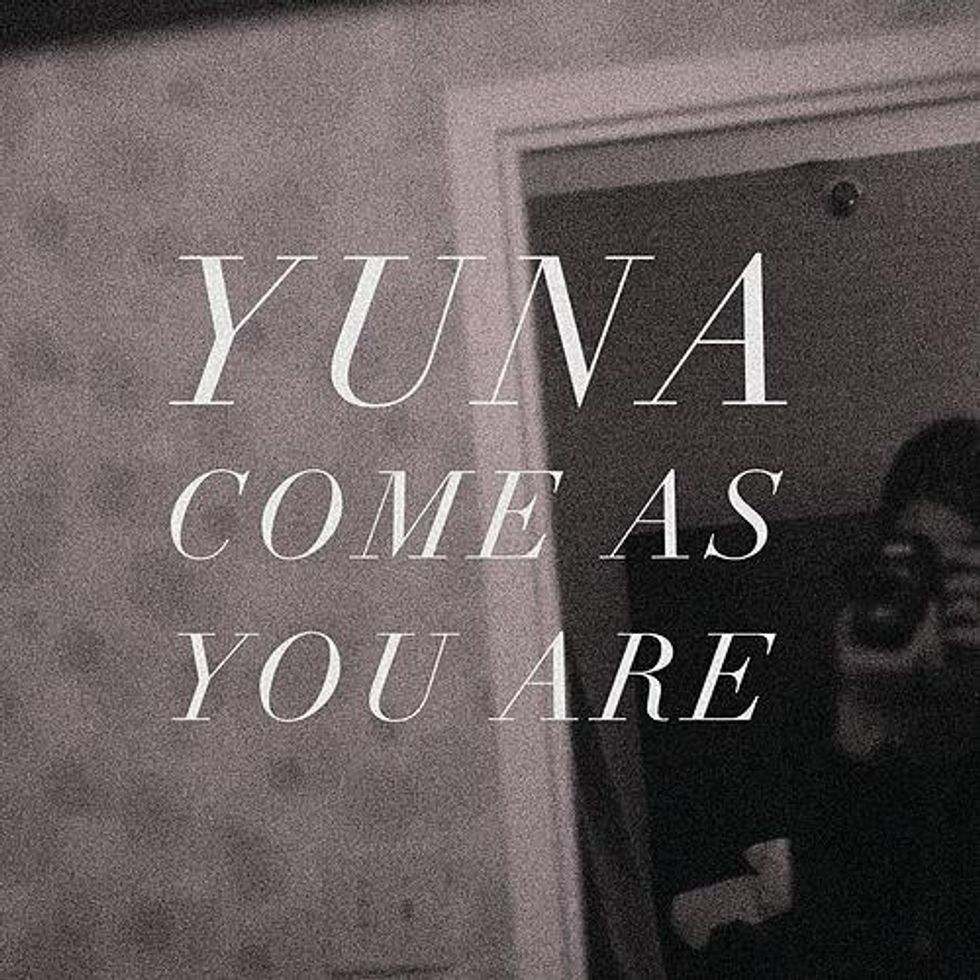
"Come As You Are" by Yuna, 2011 (originally recorded by Nirvana, 1991)
Most people are familiar with the classic grunge version of "Come As You Are" by Nirvana from the early '90s. The version from Yuna in 2011 gives the song an air of simplicity, considering the only instrumentation at the beginning is a piano and a drum track and it slowly builds up by adding bass, guitar and background vocals. Yuna's version definitely has a softer, more indie sound, and it provides a nice contrast to the original version.
"Stressed Out" by Our Last Night, 2016 (originally recorded by Twenty One Pilots, 2015)
The song "Stressed Out" has dominated the radio waves of America since it's release in 2015, and while our ears are completely over hearing the tune, this cover adds some life to the long-overdue party. Our Last Night's post-hardcore cover of "Stressed Out" takes away some of the pop aspects of the original recording, and Our Last Night's cover attracts fans of heavier genres, thus possibly leading those fans to the music of Twenty One Pilots.

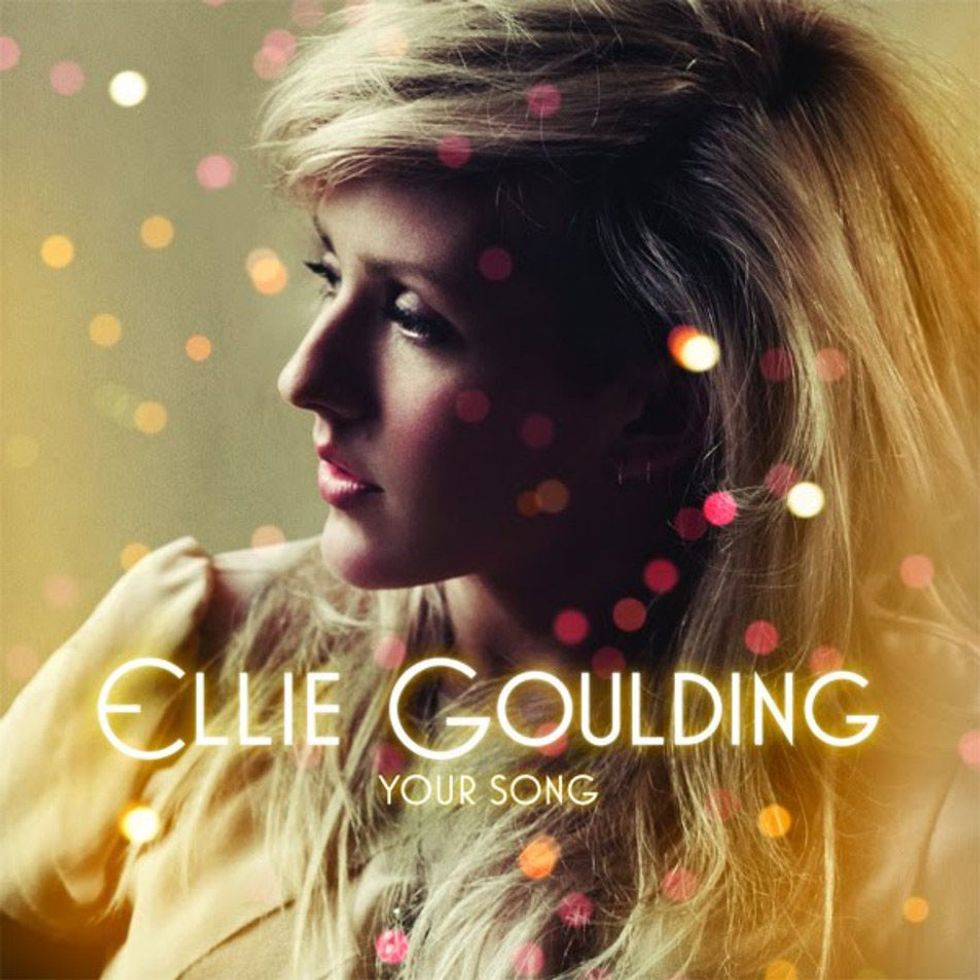
"Your Song" by Ellie Goulding, 2010 (originally recorded by Elton John, 1970)
The classic song covered by pop goddess, Ellie Goulding, is just as charming and haunting as the original version. The modern sound and unique tambre of Goulding's voice adds a uniqueness to her cover of one of Elton John's most recognizable tunes. Both versions are absolutely beautiful and can stand alone in their own rights.
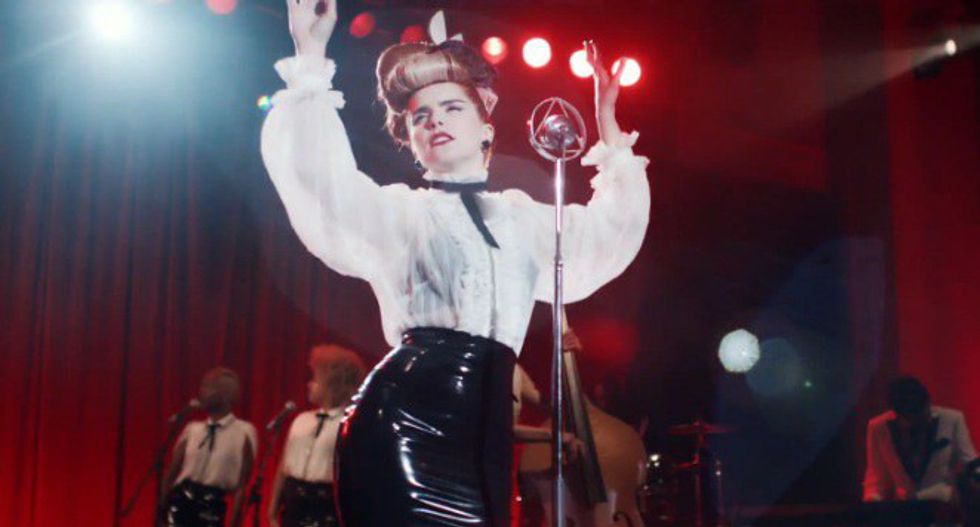
"Never Tear Us Apart" by Paloma Faith, 2012 (originally recorded by INXS, 1987)
INXS rocked the world in 1987 with this moving ballad about a love unbreakable, and British pop sensation Paloma Faith's cover of the Australian band's earth-shattering hit is both soulful and bluesy. The original recording with Michael Hutchence, lead singer of the group until his death in the late 1990s, the vocals sound sultry and almost like he's whispering to someone. Faith's raspy yet polished voice makes her sound like she's lived the story in the song before and she's warning whomever she's singing to, letting them know she's unafraid of what's to come. As an INXS fan, listening to her version caused me to look more into Faith's music, and I became a big fan of her's! Many INXS fans get really picky and judgmental when it comes to covering the band's music, and I feel like many other INXS fans can agree with me about this cover being exceptional.
"Ramble On" by Great White, 1999 (originally recorded by Led Zeppelin, 1969)
Great White, a popular hair metal band in the 1980s and 1990s, and Led Zeppelin, one of the original metal bands of the late 1960s and early 1970s, are not two bands one would typically group together in any genre category other than the diverse and broad header of "metal," but one interesting similarity of the two groups is the oddly similar sounds of their vocalists. Robert Plant, front man of Led Zeppelin's, deep, gravely, and sultry voice sounds like the older brother of Jack Russel, lead singer of Great White's, voice that happens to be slightly higher pitched than Plant's. Great White did an entire tribute album of Led Zeppelin songs in the late 1990s, most of the songs being live covers, and the similarities between the two singers' voices is uncanny. Both Zeppelin and Great White's versions are able to stand alone, but the total homage paid to Zeppelin in Great White's cover of "Ramble On" is beautiful.

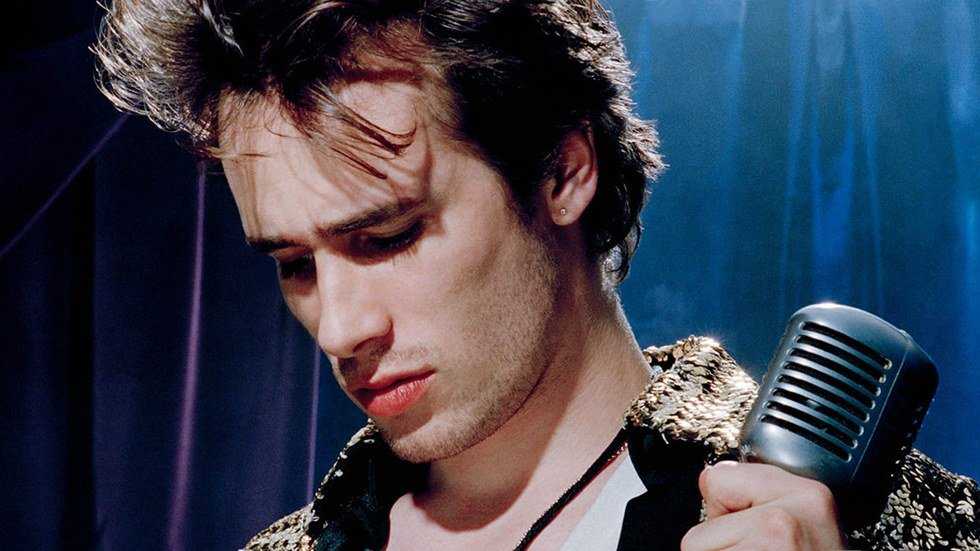
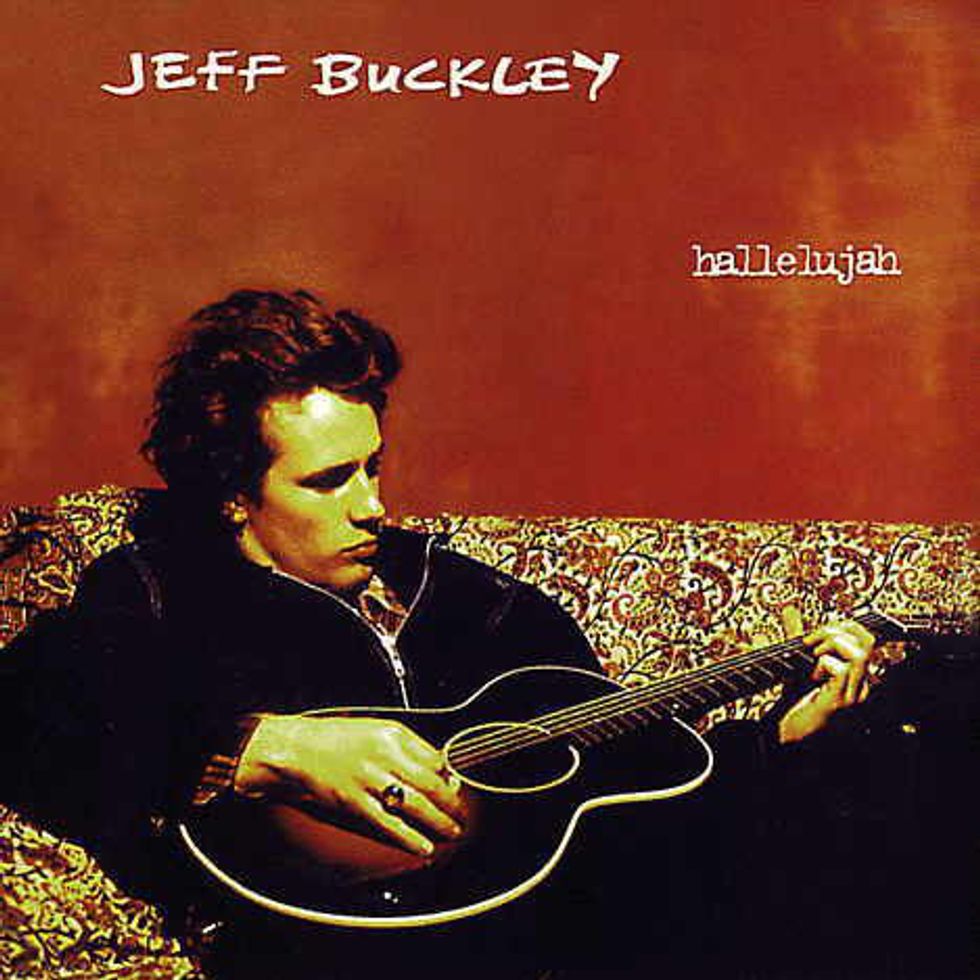
"Hallelujah" by Jeff Buckley, 1994 (originally recorded by Leonard Cohen in 1975)
Be it at a talent show or church choir performance, everyone and their mothers have heard a cover of Leonard Cohen's masterpiece titled "Hallelujah." While most covers are mediocre, at best, Jeff Buckley's haunting and gorgeous cover is probably a top, if not the best, recording of the song. Like most of Buckley's music, the guitar and voice are the main centerpieces, if you will, of the cover. The melodic and moving music of the song paired with the heart-wrenching and glorious lyrics penned by Cohen are enough to make someone cry if they listen to it with their full attention. Cohen's version is a classic and is revered in its own regards, but Buckely's rock version contains a different musicality and emotion that one will not find in the original.
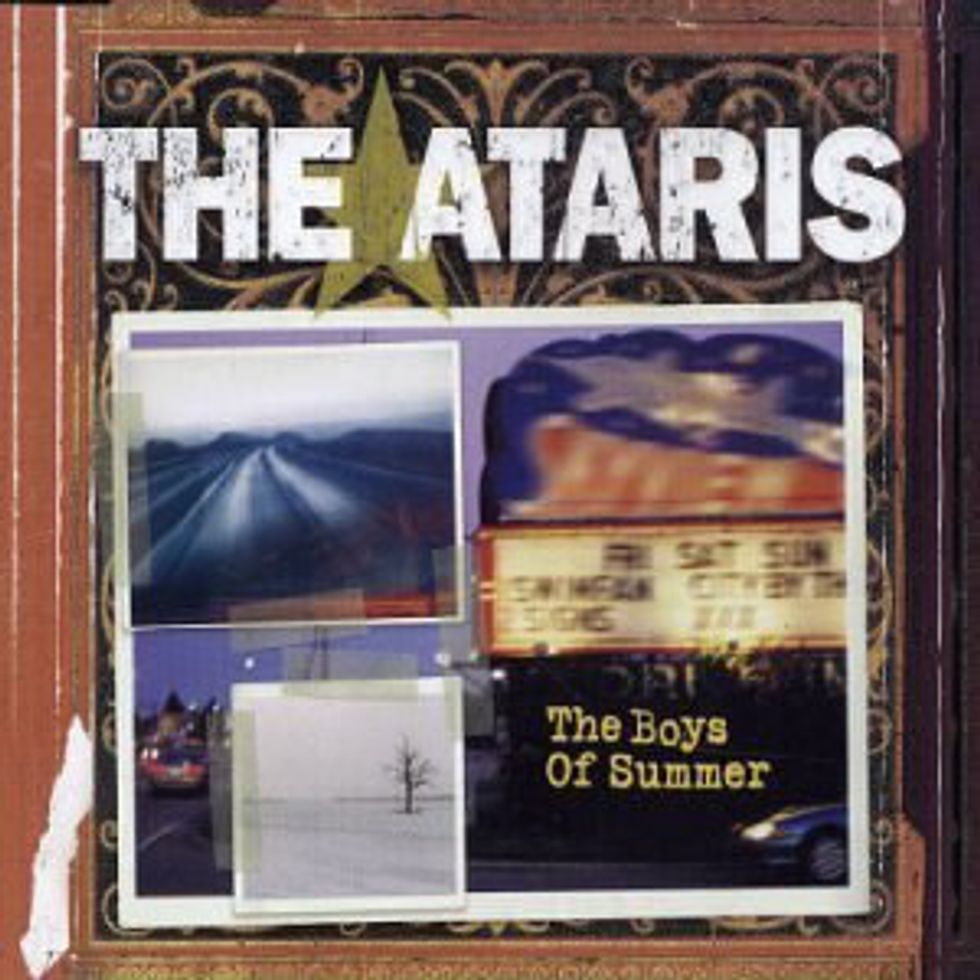
"Boys of Summer" by The Ataris, 2003 (originally recorded by Don Henley, 1984)
"Boys of Summer" by Don Henley was extremely popular upon its release in the 1980s, and I was completely unaware of a cover existing until last summer. I was listening to a local radio station, not really paying attention to what was on, and as I was at a red light, I started to pick up on some of the lyrics of the tune playing on the radio, and I realized "Boys of Summer" was playing, but it was definitely not Don Henley singing. The version I was hearing sounded like it was literally the son of the original song by Don Henley! The pop-punk sound of the Ataris gave the song a meaning to a new generation of listeners upon its release in 2003, and the cover definitely attracted younger audiences to the music of Don Henley.
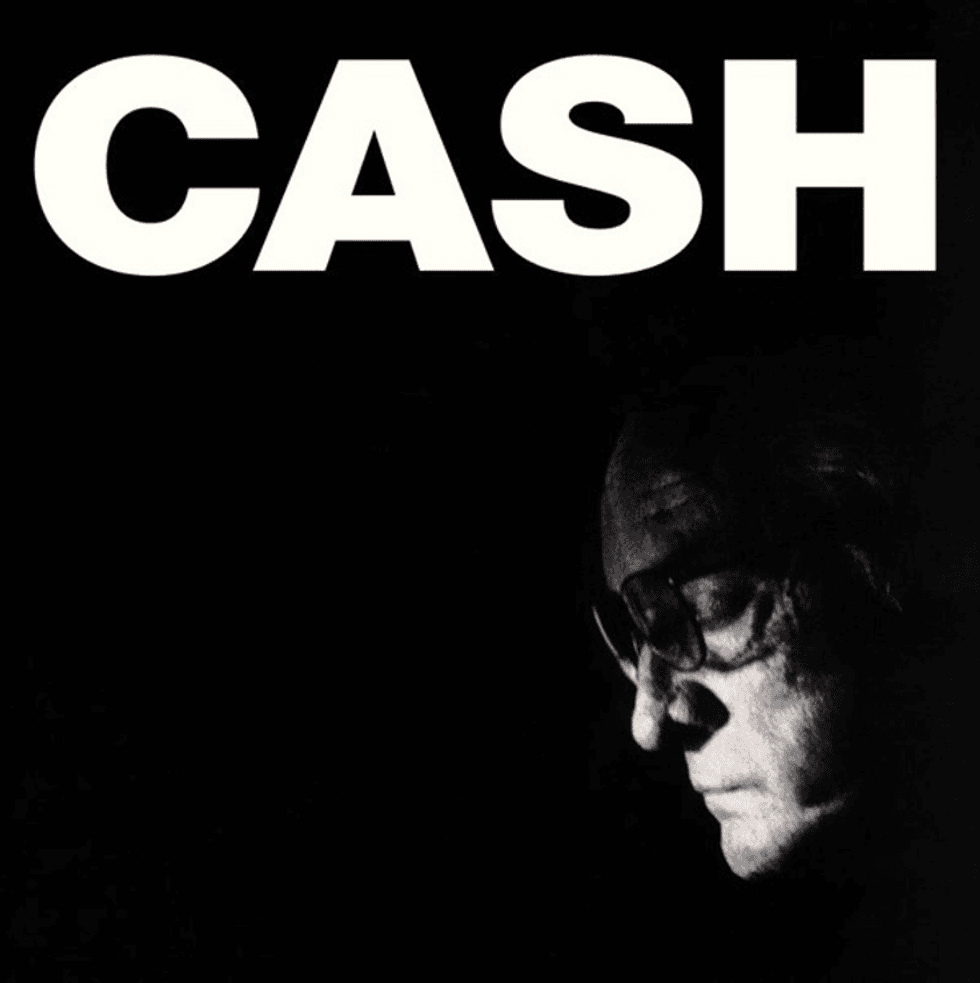
"Hurt" by Johnny Cash, 2002 (originally recorded by Nine Inch Nails, 1994)
Johnny Cash's version of "Hurt" is absolutely heartbreaking. The original recording by Nine Inch Nails features Trent Reznor, lead singer, on vocals, singing in a whisper-esque tone. The ominous noise in the background adds a dimension of uncertainty and wariness to NIN's version while Johnny Cash's sounds like he's singing from a round, drawn-out and lived experience. Cash is known as being a man in country music who did not live an easy life, and this can be heard in his cover and seen in the music video for his cover. Both versions are phenomenal, but Cash's cover almost makes me cry each time I hear it.
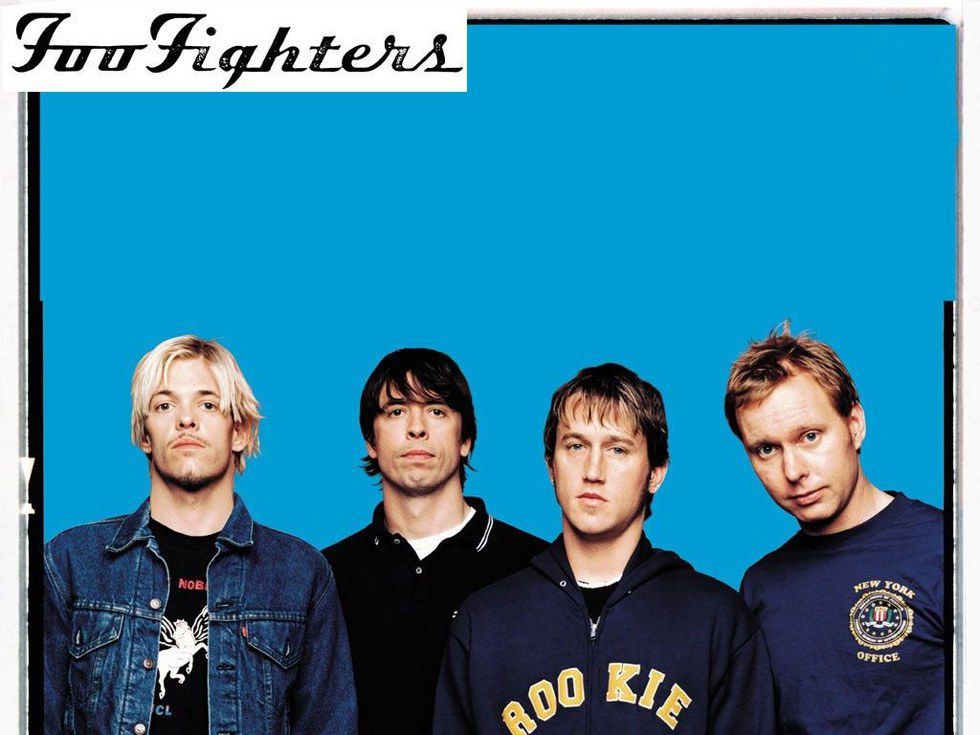
"Baker Street" by Foo Fighters, 1997 (originally recorded by Gerry Rafferty, 1978)
Gerry Raffery's recording of "Baker Street" opens with an iconic orchestral introduction and goes into one of the best saxophone solos in rock music. The classic '70s tune is in stark contrast to the dark and powerful cover by the Foo Fighters in 1997. Distorted and loud electric guitars open the Foo Fighters' version in true post-grunge style, and while the cover has a very different overall instrumentation, the two versions sound very similar.
"Blinded by the Light" by Manfred Mann's Earth Band, 1976 (originally recorded by Bruce Springsteen, 1973)
The infamous "did he say douche?" song, "Blinded by the Light" by Manfred Mann's Earth Band, is a favorite of classic rock radio stations everywhere. The iconic tune has rubbed off on me, too, but when I found out this version was a cover, my world was rocked. Up until two weeks ago, I had no idea this was a cover of a Bruce Springsteen song from the early '70s. I listened to the original with my dad and it sounded nothing like the wildly popular cover. Give the original a listen and see which style of the song you prefer.

Do you know of any covers that deserve a little extra time in the limelight? Let us know in the comments below!