

Whether you're a horror fan or not, everyone can appreciate a good scare. From well-known, blood-curdling classics to lesser known, frightening short stories, this list is just a teaser to get you excited for next Halloween.
1. "Frankenstein" by Mary Shelley (1818)
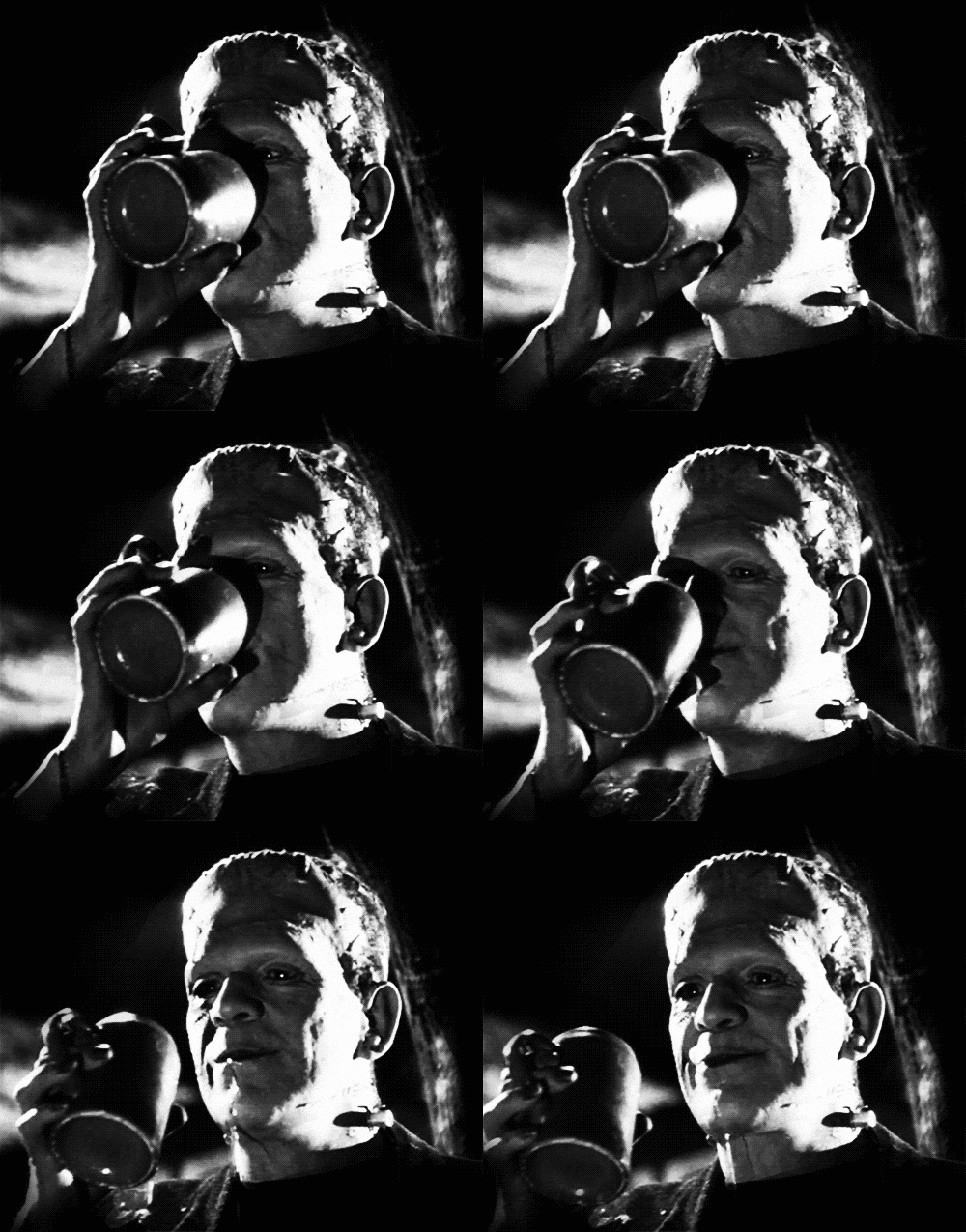
If you think you know the "Frankenstein" story, but you haven't read Mary Shelley's novel, then you only know half of it. The idea started as a challenge to house guests of Lord Byron's villa to create the most haunting story and ended with Shelley becoming one of the most influential horror story authors of all time. Her story introduces a young scientist, Victor Frankenstein, and his malformed creation—a reanimated corpse. Yet, with all the grotesqueness and deformity of the monster, it retains an element of humanness that some would say is the most haunting aspect of the entire story.
2. "The Shining" by Stephen King (1977)
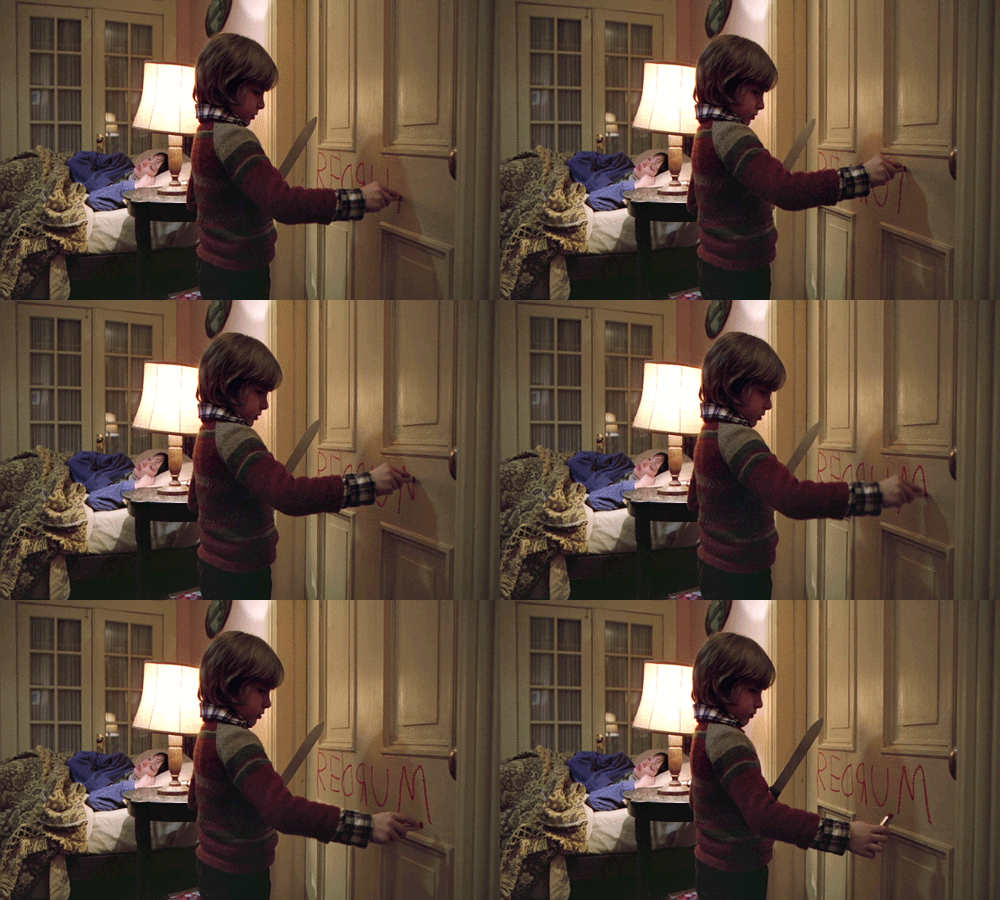
How could this be a complete list without one of the many disturbing works of Stephen King? Published in 1977, the book was then later adapted into a cult-classic film in 1980. "The Shining" follows the Torrance family as Jack, the father, gets a job as the caretaker for the Overlook Hotel during its off season. Separation from the outside world is everything but peaceful as the Torrance family uncovers the evil in the hotel, leading the father to utter insanity. Redrum isn't the only surprise in this novel.
3. "A Good Man is Hard to Find" / "Wise Blood" by Flannery O'Connor (1955/1952)
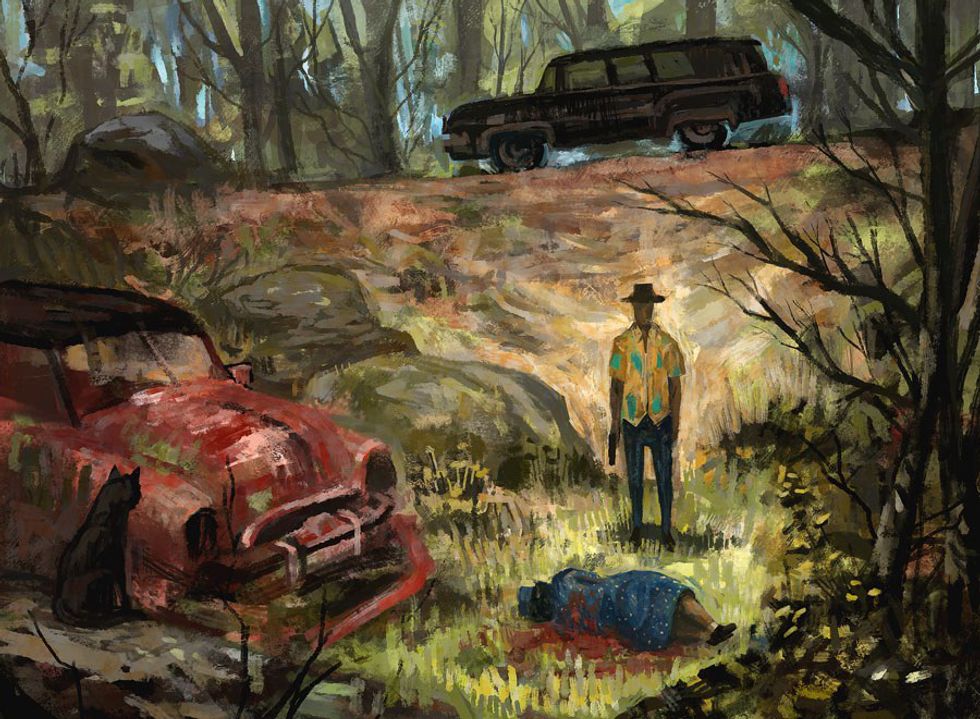
These two stories are included as one, not because they can't stand on their own, but because Flannery O'Connor's stories can be seen as one body of work with similar themes, elements and characters. "A Good Man is Hard to Find" follows a family of six making their way to Florida for vacation, only to be held hostage by a serial killer, while "Wise Blood" introduces a young war veteran and his attempt to find salvation only to be led sickly astray. Rather than portraying supernatural horror, O'Connor chooses to portray the dark capabilities of humanity and twisted religion, which, one could argue, is the more terrifying.
4. "The Haunting of Hill House" by Shirley Jackson (1959)
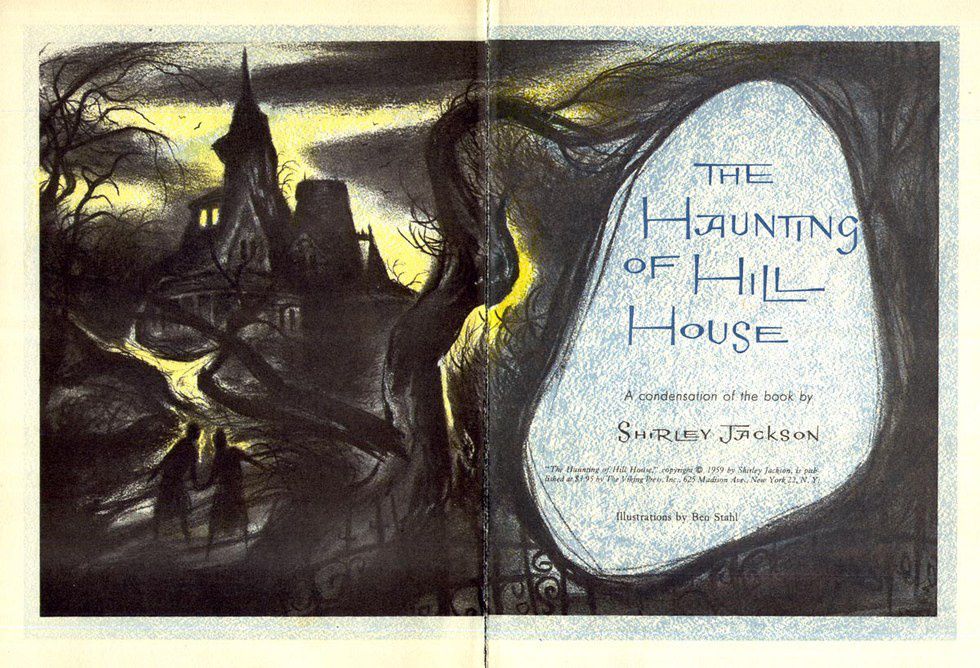 Considered to be one of the best haunted house stories written, Shirley Jackson relies more on flamboyant characters and psychological terror, rather than actual horror. The story revolves around the old Hill House and four characters who dare to live there for the summer. To make matters worse, one character is already mentally ill and the author does her best to keep the details of the supernatural events vague, so the reader's imagination can do all the work.
5. "The Amityville Horror" by Jay Ansen (1977)
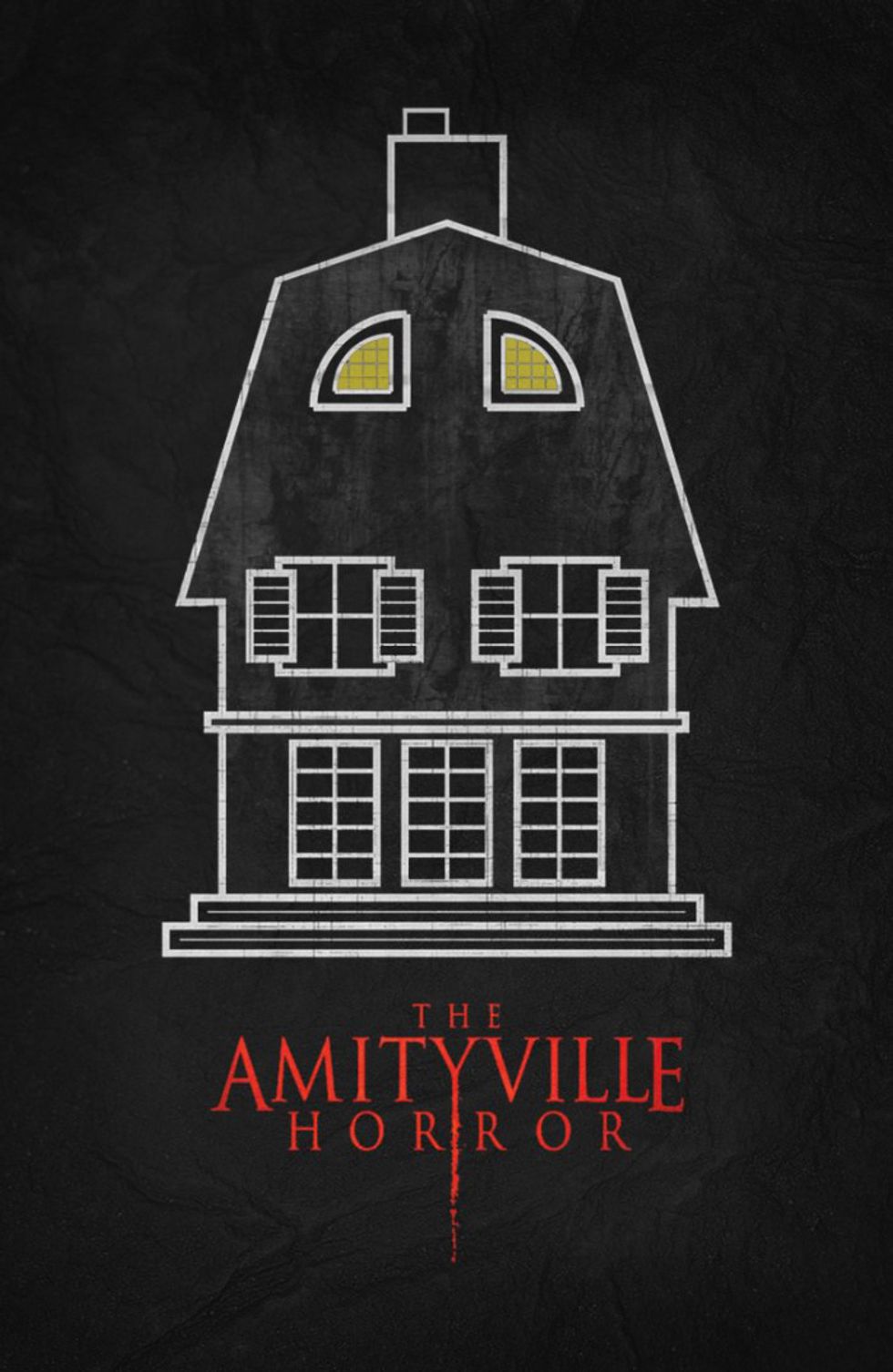 A good ole haunting with the added words of, "based on true events"—what could be better for a horror fan? With two movie adaptions, Jay Anson's book proves to be one of the more popular on the list simply because it truly is horrifying. "The Amityville Horror" follows the haunting of the Lutz family in a house where a horrendous murder took place the previous year. The reader gets to experience 28 days of supernatural occurrences through the eyes of the Lutz family. This book is definitely not for the faint-hearted, but horror fans are welcome!
6. "The Graveyard Book" by Neil Gaiman (2008)
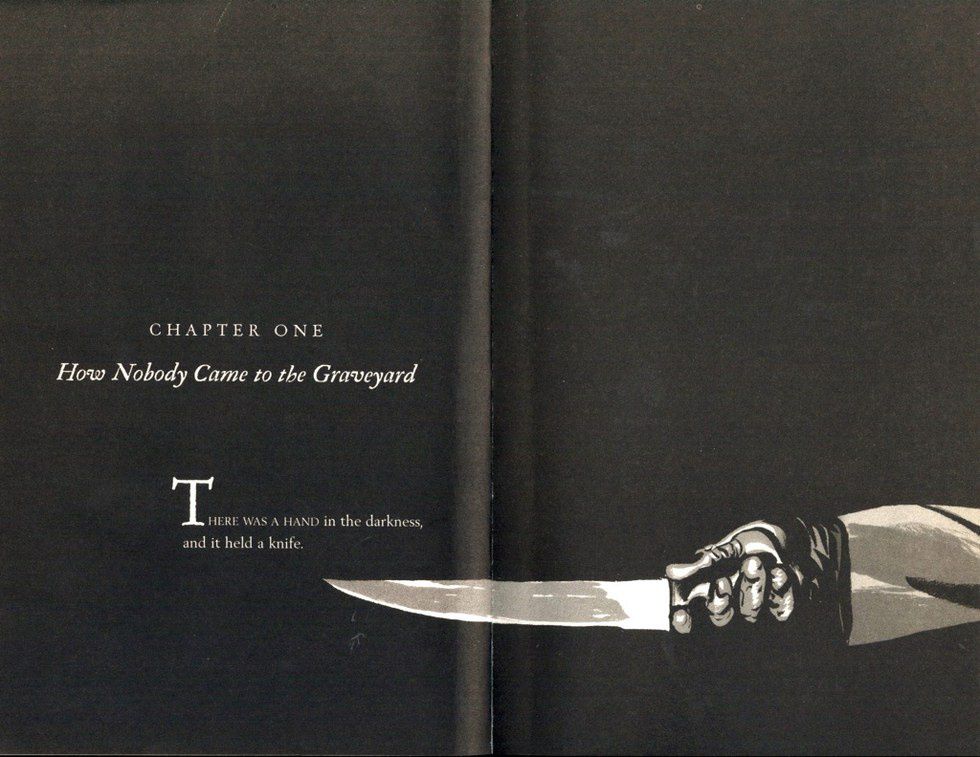
Above reads the opening lines of "The Graveyard Book." But despite the eerie title and twisted appearance, "The Graveyard Book" is a refreshing take on the horror genre and is actually considered a children's novel. The story introduces a young boy, Nobody Owens, who finds refuge among supernatural beings in a nearby cemetery after his family is brutally murdered. After years of living with ghosts, Bod must finally face his family's murderer. If you can't stomach serious gore or terrifying haunts, this book is right up your alley.
7. "Dracula" by Bram Stoker (1897)
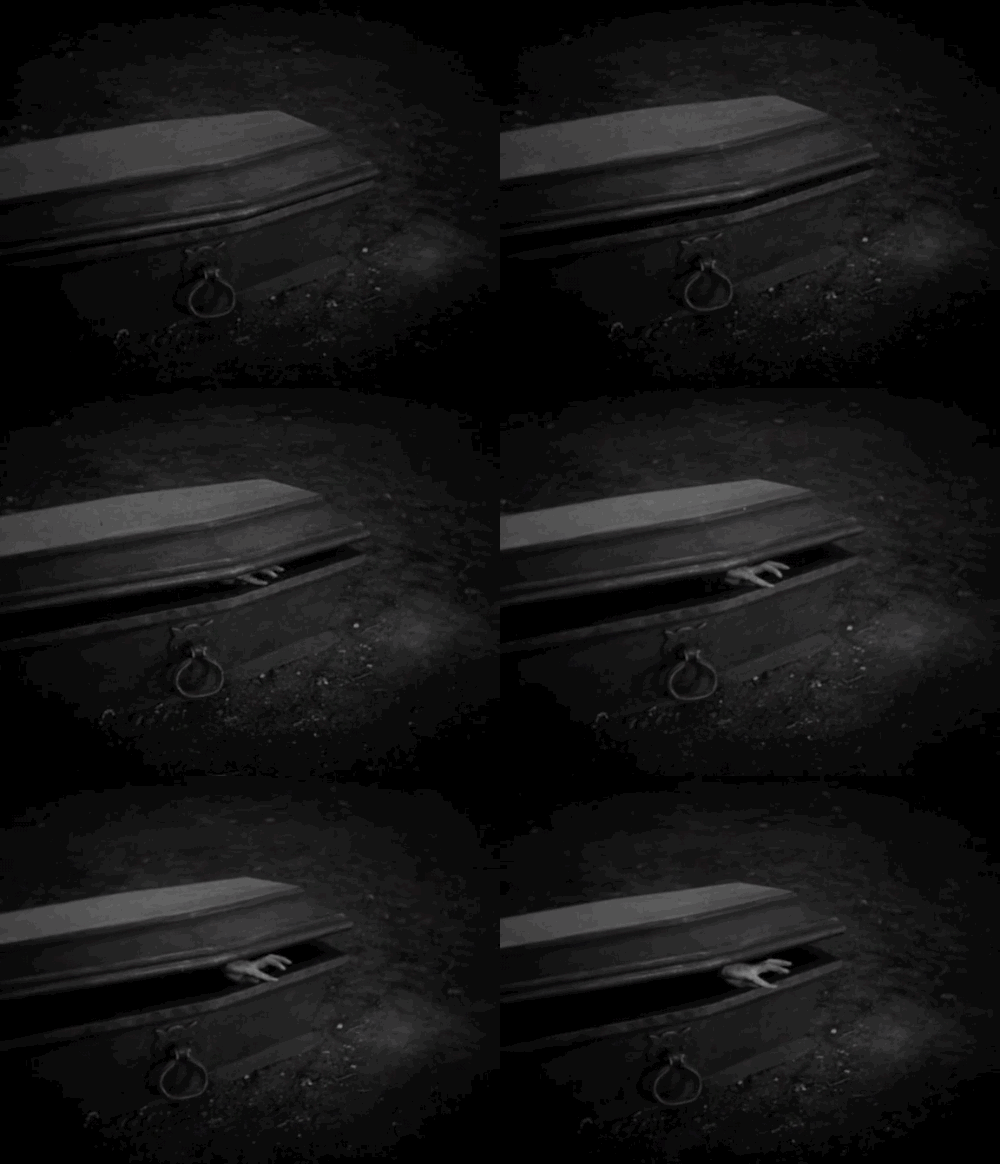 Before Edward Cullen, there was the original, less sparkly, Count Dracula. Yet another horror classic misunderstood in the modern world, the Dracula novel tells a much darker tale of disappearing women, an undead man and a monstrous curse. Written as a series of letters and news articles, Dracula will keep any horror fan on the edge of their seat.
8. "The Turn of the Screw" by Henry James (1898)
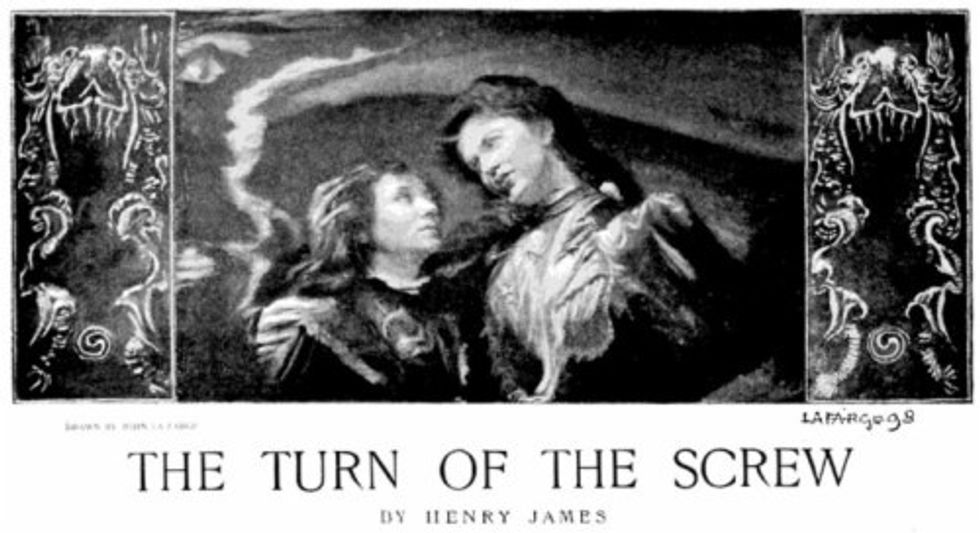 "The Turn of the Screw" is about as Gothic a ghost story as one could get. Set in a summer country house in Essex, England, a new family governess must care for two children as unsettling events start to occur. When the governess begins to see two figures throughout the grounds, she realizes that a supernatural presence has begun to manifest itself in the lives of the children. The hauntings themselves are not as horrifying as they are eerie, having a foothold in every day life causing both the governess and the reader to be unsure of the apparitions' true intent.
9. "The Woman in Black" by Susan Hill (1983)
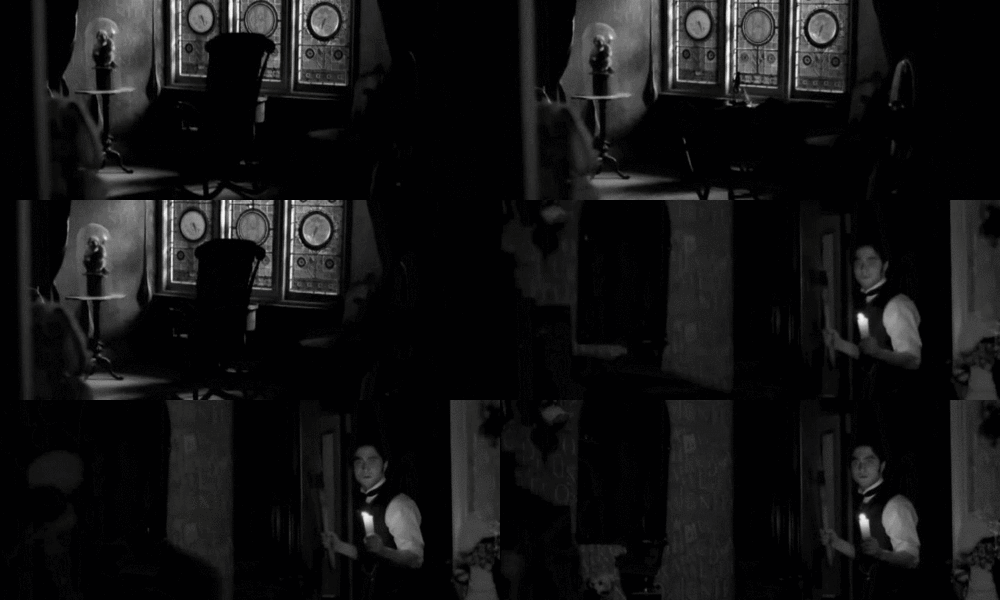 An abandoned manor, creepy dolls, even creepier cymbal-banging monkey toys and Daniel Radcliffe. What more could you want? While the most recent film adaption in 2012 depicts just how horrifying "The Woman in Black" is, the book leaves the spooky all to the imagination of the reader. The book follows Arthur Kipps to Eel Marsh Manor where he soon discovers that he is not alone. A woman in black begins to appear, and it isn't until later that Kipps realizes good things never follow when you see the woman in black.
10. "The Tell-Tale Heart" by Edgar Allen Poe (1843)
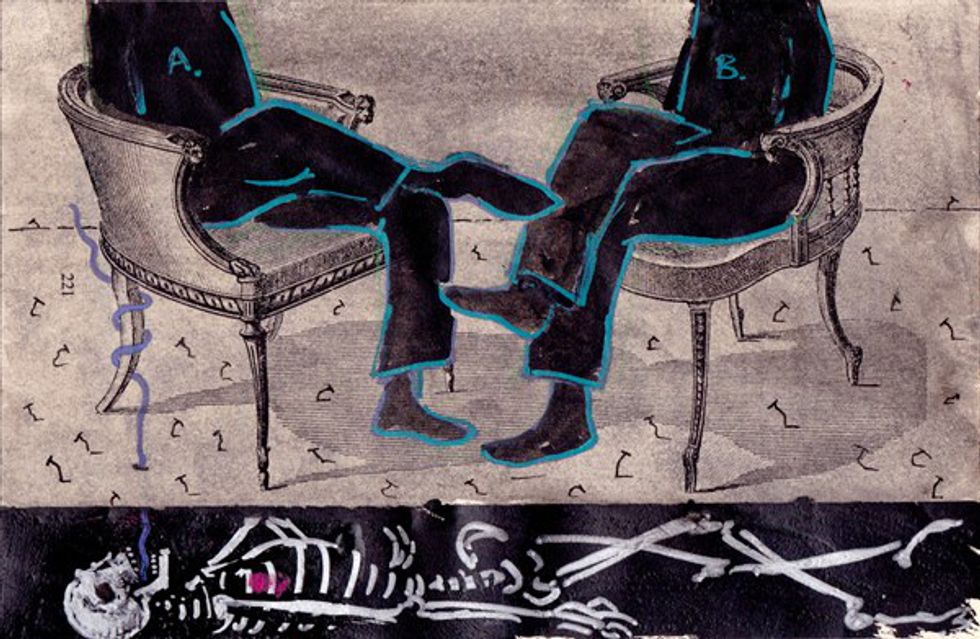 If you read this half-heartedly in high school because it was required and then never picked it up again, you are missing out. One of Poe's many short stories, "The Tell-Tale Heart" is narrated by a man who is trying to convince the reader that he is not insane despite murdering and dismembering his next door neighbor.
11. "Misery" by Stephen King (1987)
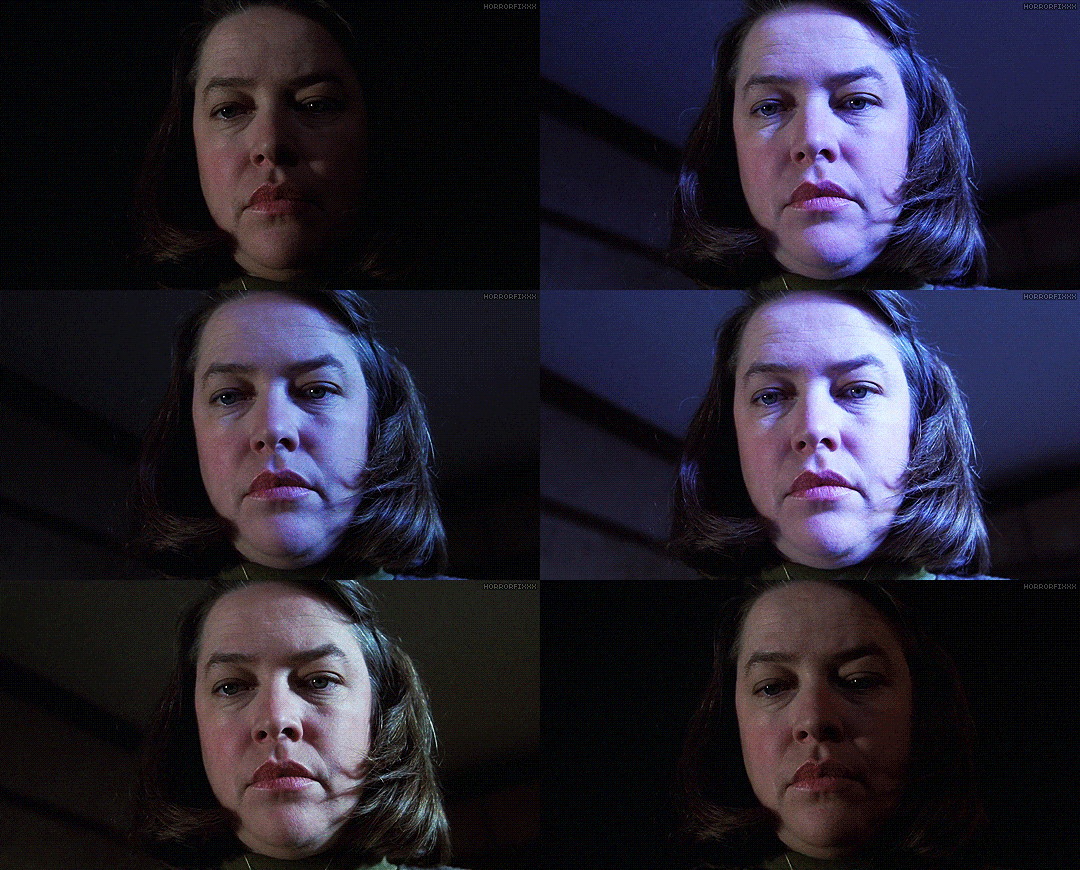
If we're being honest, the majority of this list could be comprised of Stephen King novels, so a second story of King's is only appropriate. This psychological horror introduces a successful author, Paul Sheldon, who finds himself in a predicament when his car crashes and a crazed, self-proclaimed number one fan, Annie Wilkes, finds him and begins to care for him in her home. It does not take long for Annie's disturbed nature to surface and with each flip of the page, the reader will feel as helpless as Paul Sheldon.
12. "Ghost Story" by Peter Straub (1979)
Considered one of the best supernatural stories ever written, this book follows five older men who meet periodically to swap ghost stories. It isn't until one of the men suddenly dies that they begin to suspect they are the victims of their own ghost story.
13. "The Yellow Wallpaper" by Charlotte Perkins Gilman (1892)

The human mind can be equally, if not more terrifying than any ghosts or supernatural being as demonstrated by the main character in this short story. Gilman introduces the reader to a woman who is slowly descending into madness. The woman seeks refuge in the yellow wallpaper surrounding her room, only to become engulfed in her paranoia and vivid hallucinations.

















