
Today the topics of health and nutrition are more talked about than ever. People everywhere are making all kinds of lifestyle changes such as going vegetarian, organic, gluten-free, et cetera, all in the name of getting healthy. But given the extensive array of options that we're constantly presented with every day, it can be difficult to distinguish between what is good for you and what is all hype. Whether your goal is to manage your weight, accommodate a fitness regimen, or just improve your health and better your body, there are some foods you might be eating that may actually be hurting your efforts more than helping them. Of course, almost any food is fine in moderation, but if you're really trying to make a change, these simple switches can make a big difference.
Fruit juice
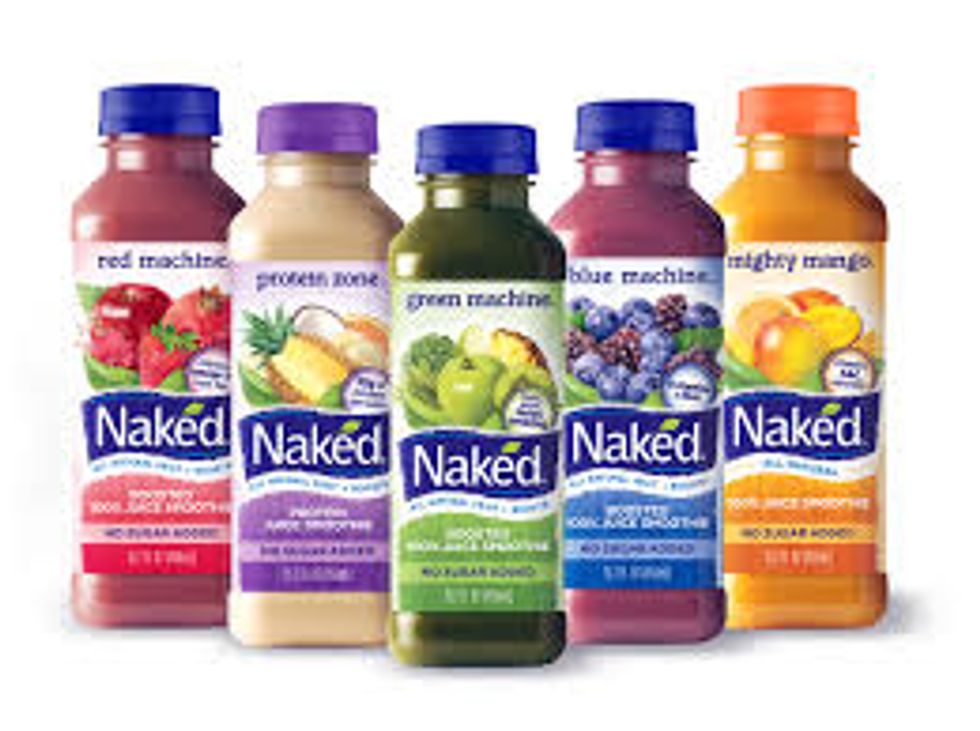
What you should be eating instead: whole fruit!
The main problem with fruit juice is that it removes the nutritious fiber from the fruit and leaves you with essentially pure sugar water. Most store-bought juice is also often processed so much and filled with so many additives and added sugars that it loses most of its healthy properties. If you make your own juice, you will be getting some antioxidants and minerals from the fruit and avoiding any additives, which is why it is still a slightly better choice than most other sugary drinks, but overall you're much better off avoiding the juice and just sticking with the whole fruit.
Wheat bread
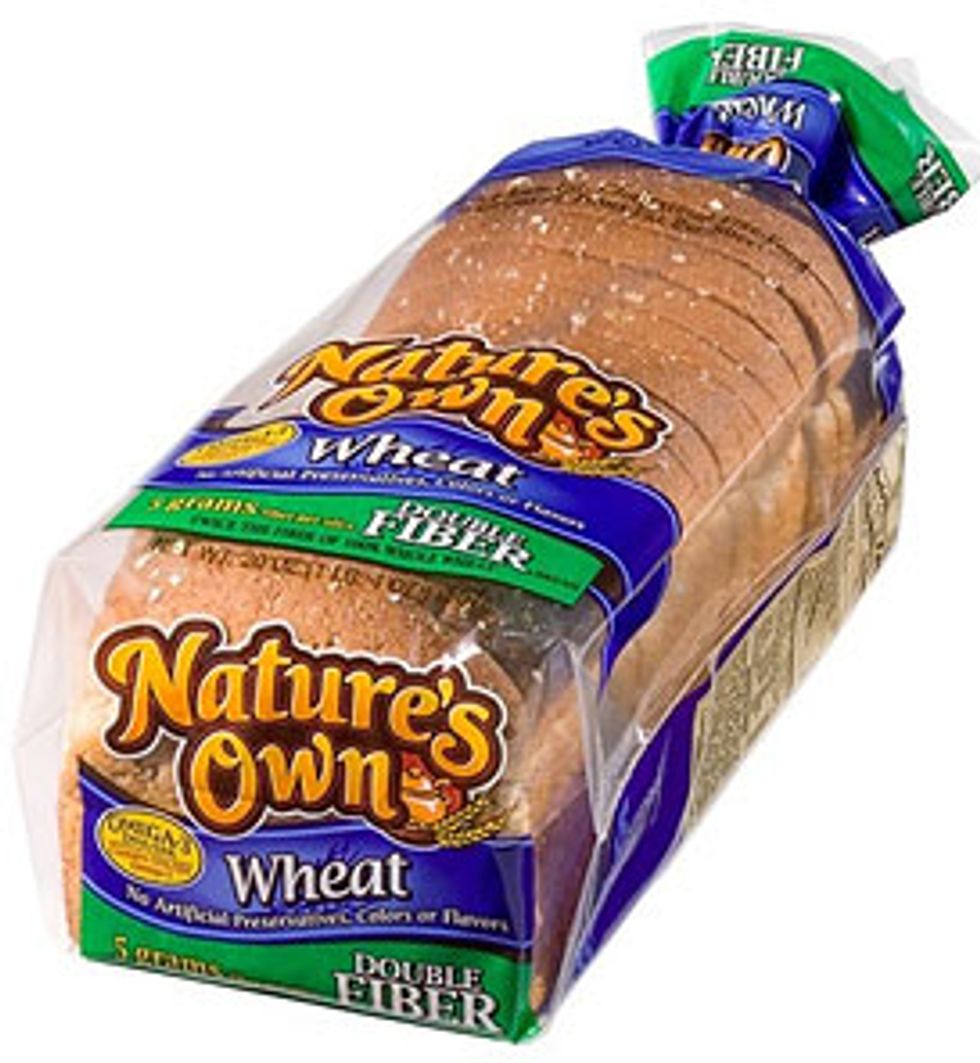
What you should be eating instead: 100 percent whole grain or sprouted grain bread.
Wheat is found in anything and everything, from bread to cereal and pasta, and can be considered a healthy option. Manufacturers can slap "wheat" and "fiber" on packaging and it appears much more nutritious than typical white bread. Just because something is labeled as whole wheat doesn't mean it isn't made with refined grains and added sugars. It is often over-processed and stripped of nutrients, thus not a healthier choice at all. Check the ingredients when buying wheat products, and make sure they are made with 100 percent whole grains and no added sugar. A great option is Ezekiel bread, which is made with sprouted grains and no added sugars.
Yogurt
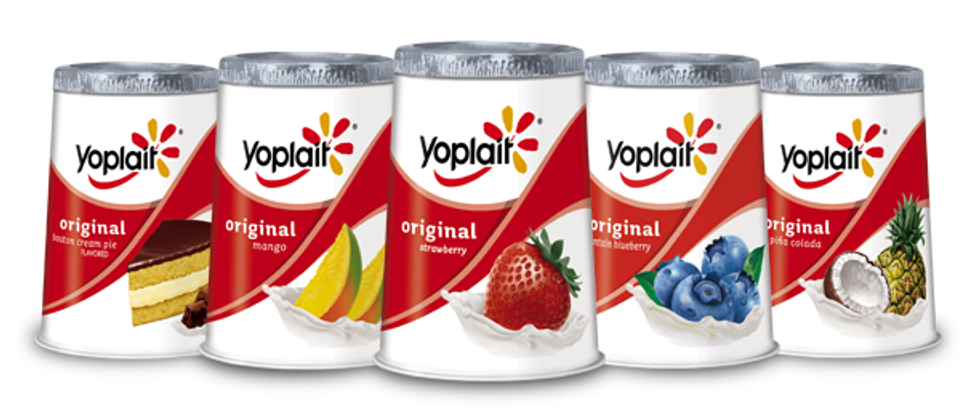
What you should be eating instead: plain Greek yogurt.
Most brands of Greek yogurt include lots of healthy probiotics and much less sugar, and a lot more protein, than typical yogurt. However, beware of flavored Greek yogurt as it is often loaded with extra sugars that detract from its health benefits. Buy the plain kind and you can always sweeten it with a little honey or fruit if it’s too plain for you!
Restaurant smoothies
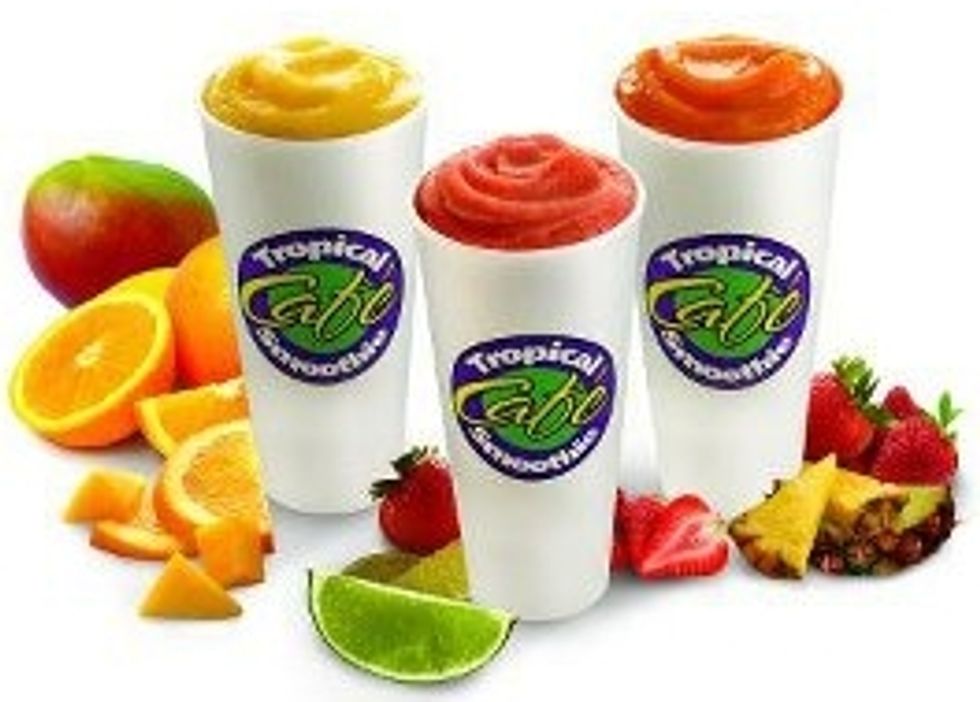
What you should be drinking instead: homemade smoothies.
Places such as Tropical Smoothie have a variety of options that appear to be very healthy—recently they've even added green smoothies that boast spinach, kale, carrots, avocado, celery, et cetera as their main ingredients--but there is actually a ton of added sugar hiding in these drinks. Save yourself a little money and make your own much more satisfying and healthy smoothies with simple ingredients such as whole fruits, vegetables, Greek yogurt--the options are literally endless. (Here are some great recipes!) If you can't skip your smoothie fix, ask for your drink to be unsweetened.
“Healthy” cereals

What you should be eating instead: actual healthy cereals.
I grew up with a pretty strict rule of no sugary breakfast cereals, meaning that my favorite cereal, Lucky Charms, was reserved as a special treat during visits to grandma's house. My parents were fine with plain Cheerios, Special K, Corn Flakes, and my personal favorite, Raisin Bran. Until the past few years my family, like many other people, were fooled into thinking the cereal was healthy because its main ingredients appeared to be raisins and bran, but one look at the nutrition facts shows that there are actually nine grams less of sugar in Lucky Charms than there are in Raisin Bran. Healthier brands of cereals such as Kashi are better choices that have become more widely available, but still always check the ingredients before you buy because they might actually shock you.
Frozen diet meals

What you should be eating instead: check the ingredients or cook ahead.
The main problems with frozen meals are that they are usually high in sodium, filled with preservatives, and often much more expensive than just cooking your own meal at home. While they help to control portion sizes, they don't usually have enough of the right calories that your body needs, such as an adequate amount of vegetables or fiber. If you want to make a healthy change while still saving time during the week, try to cook big batches of your own meals on Sundays and pre-portion them so you can freeze them, grab them and go, and still be sure that you're getting proper nutrition with less sodium and no preservatives. If you can't stop using store-bought frozen offerings, make sure you're checking ingredients and adding veggies or fruits to round out the meal.
Protein bars
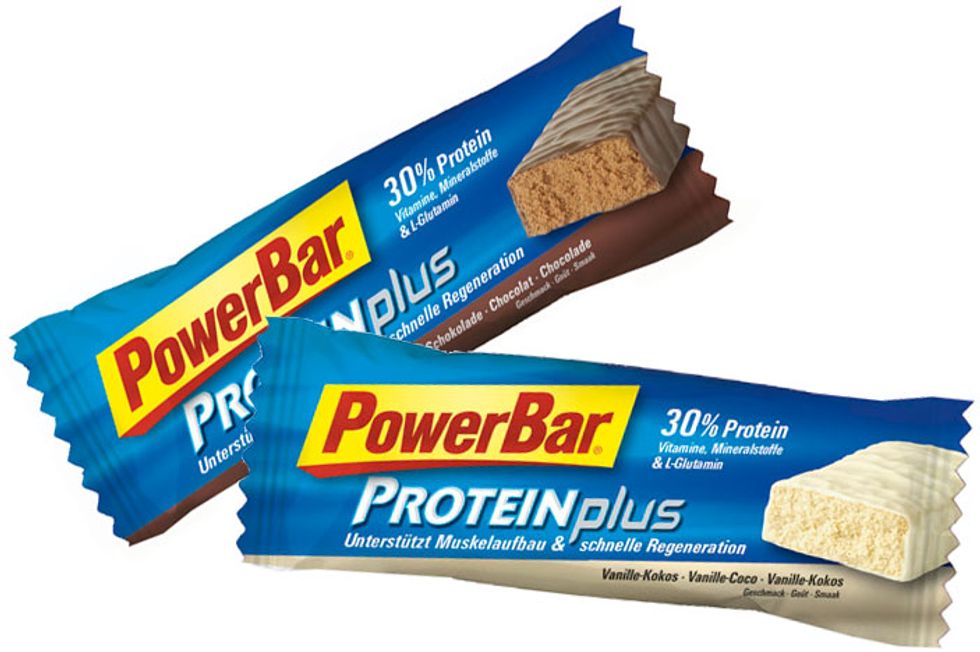
What you should be eating instead: real, protein-rich foods (eggs, chicken, fish, beans, tofu).
I can't stress this point enough-check the ingredients and don't think that just because something is called a Power Bar means it's overall good for you. Most protein bars literally equate to a candy bar with some extra protein, meaning that they are actually one of the least healthy ways to get an increased protein intake. They are extremely processed and loaded with sugars, and they often contain the calorie count of a full meal. If you're serious about your diet and nutrition and want to bulk up, leave the protein bars alone and eat real protein and nutrient-rich foods. If you just like the convenience of protein bars, snacks like nuts are extremely protein rich, super healthy, convenient, and easy to take on the go.
Reduced-fat/fat-free foods
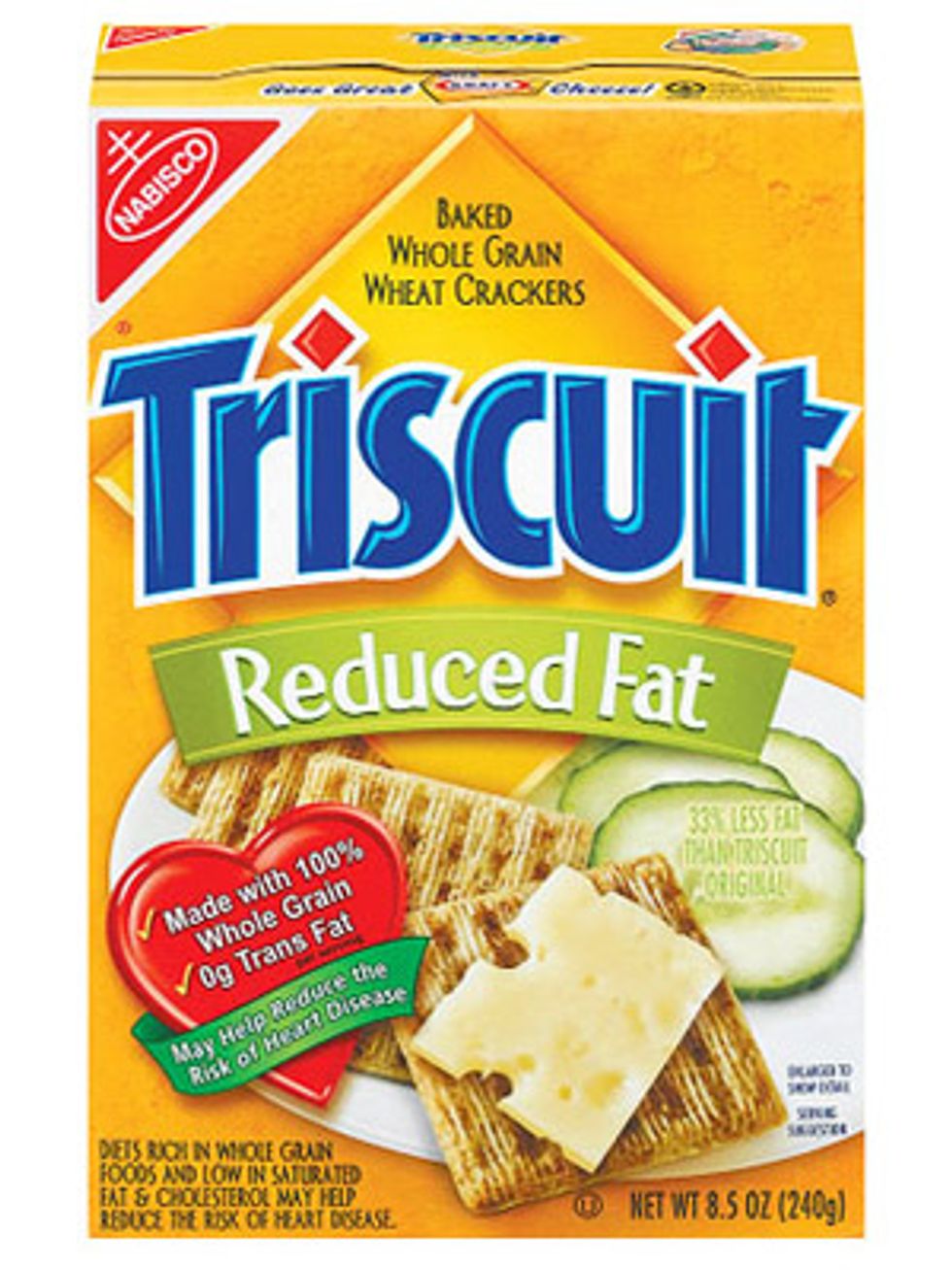
What you should be eating instead: full-fat versions that contain less added sugar.
When the fat is taken out of a food, manufacturers usually add in a lot of extra sugars in order to maintain a certain level of taste. Since fat and carbs are different macronutrients, a product can be labeled as low fat or fat free and still contain ridiculous amounts of sugar. Fat is really not the enemy; in fact, the right fats can and should be a part of a healthy diet. On the other hand, the average American eats about 40 more grams of sugar per day than they should, so if you're going to cut down on anything, make it sugar instead of fat.
Sports drinks
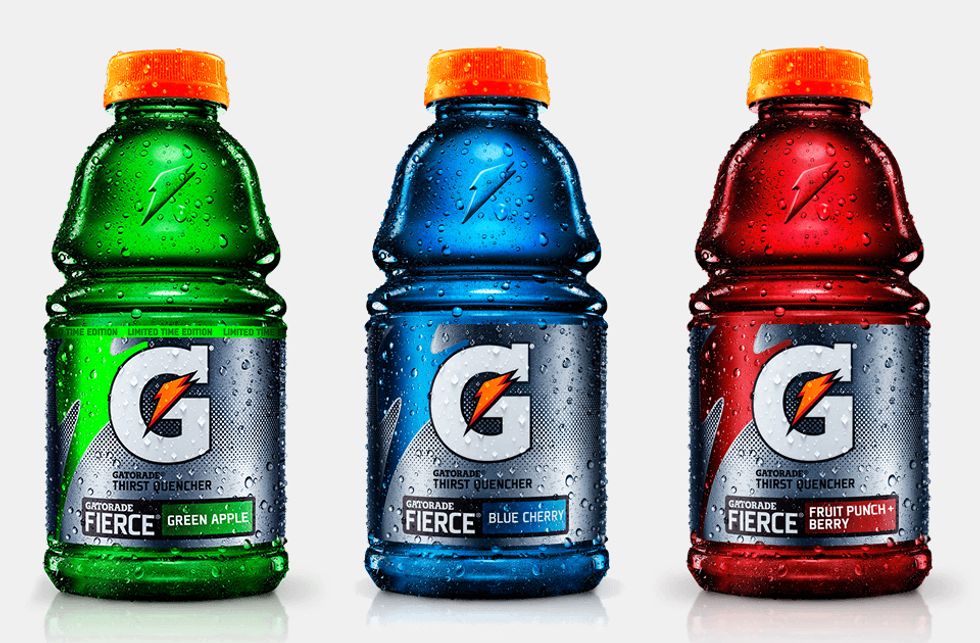
What you should be drinking instead: coconut water.
Unless you are an intense athlete, you probably don't need to drink a sports drink to stay hydrated. They are usually filled with lots of artificial ingredients and sugars that the average person really doesn't need, therefore they probably do more to inhibit your progress than help it. Water is always a good choice, but if you're looking for a hydrating drink that's a little less plain, pure coconut water is an all-natural option that contains electrolytes such as sodium, potassium, calcium, and magnesium without any added sugar or processed ingredients.
Frozen yogurt

What you should be eating instead: one-ingredient banana ice cream.
If you absolutely need a cold dessert fix, fro-yo is generally a better choice than ice-cream due to the fact that it contains healthy probiotics and usually boasts less fat. However, there seems to be a popular belief that frozen yogurt is a healthy snack, when in reality it can contain a large amount of sugar and fat, making it a huge calorie bomb. If you make homemade banana 'ice-cream' instead, you'll know that it contains no hidden additives or sugars and it will still satisfy your sweet tooth—plus, you can always add your own ingredients if you're feeling really indulgent!