
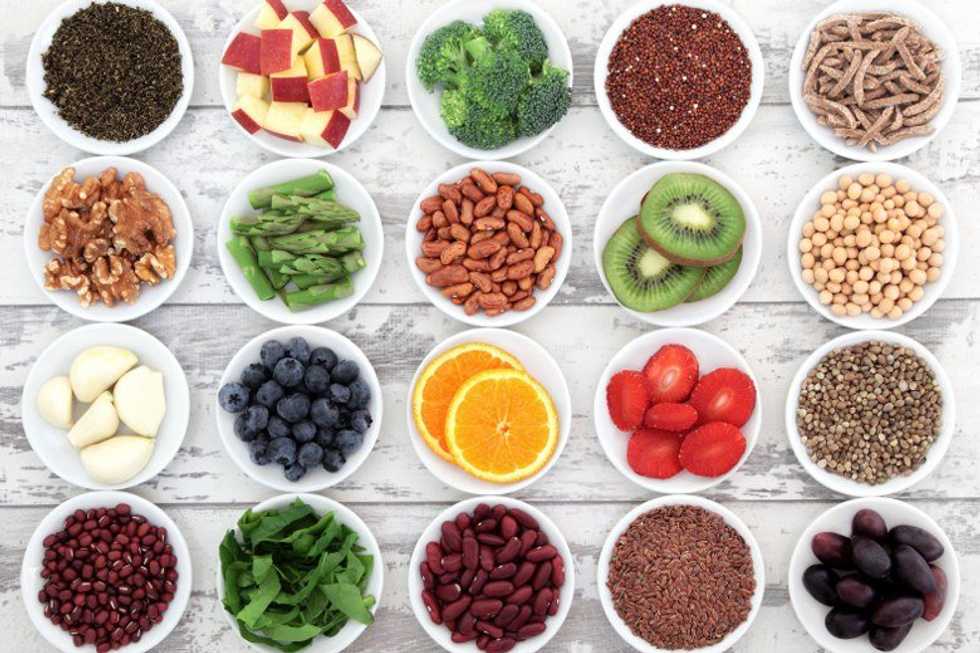
Recently I’ve embarked on a 30 day HCLF (high carb, low fat) vegan challenge. Essentially what that means is that I eat 100 percent plant based vegan foods that are high in carbs and low in fat. There are so many amazing foods that fit these standards, including sweet potatoes, rice, fruits and vegetables, and so many more. While I have never eaten a “standard” American diet consisting of lots of meat and processed foods, I still am adjusting to cutting out non-vegan foods for the month. Here are my tips for doing just that.
1. Get rid of your off-limit foods altogether
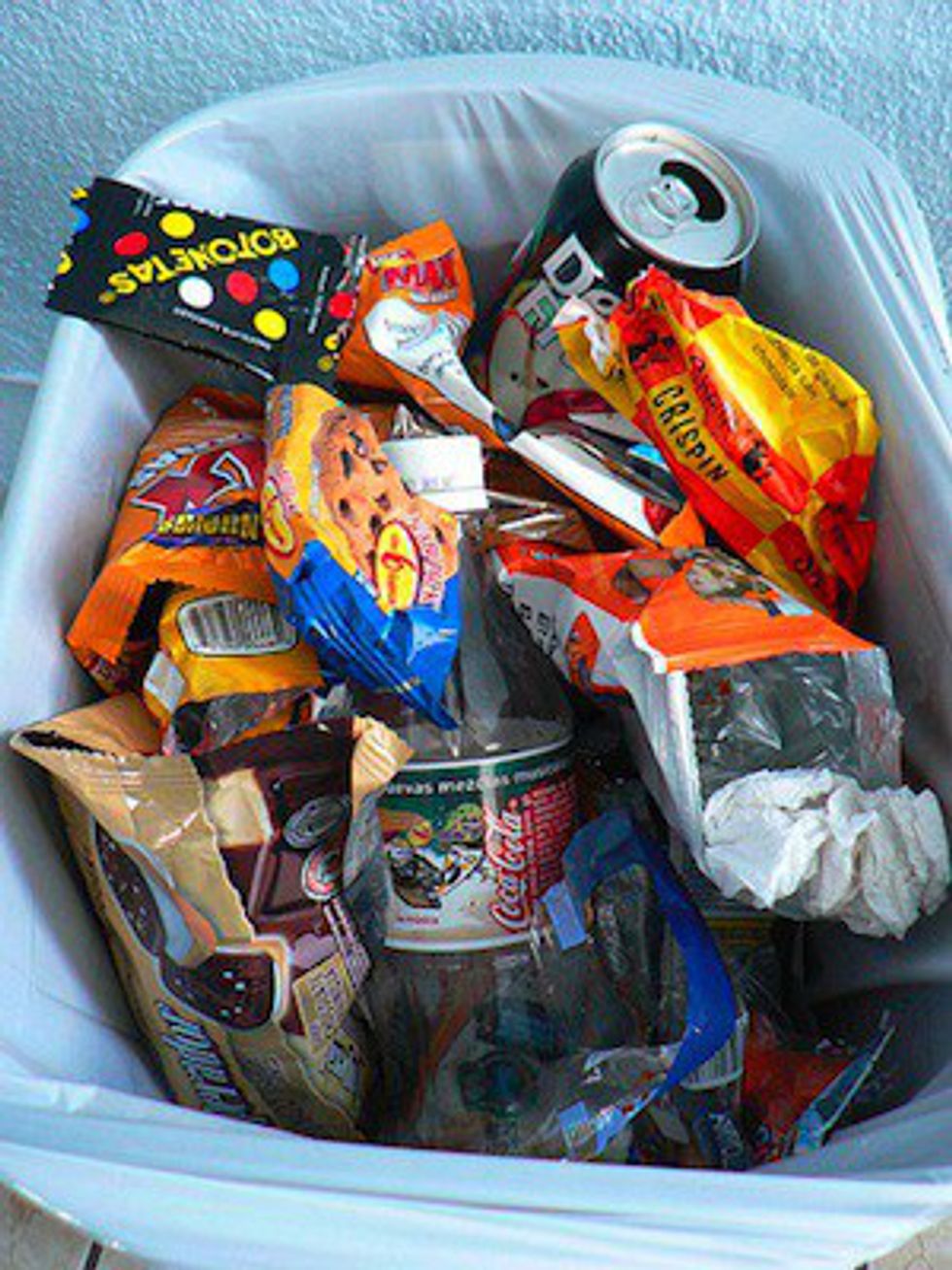
Generally speaking, will power alone is not enough to keep you on the wagon. Get rid of all your unhealthy, non-vegan foods completely so you only have vegan foods to snack on! This eliminates the element of temptation that is present when you have the option of eating junk foods.
2. Try so many recipes!
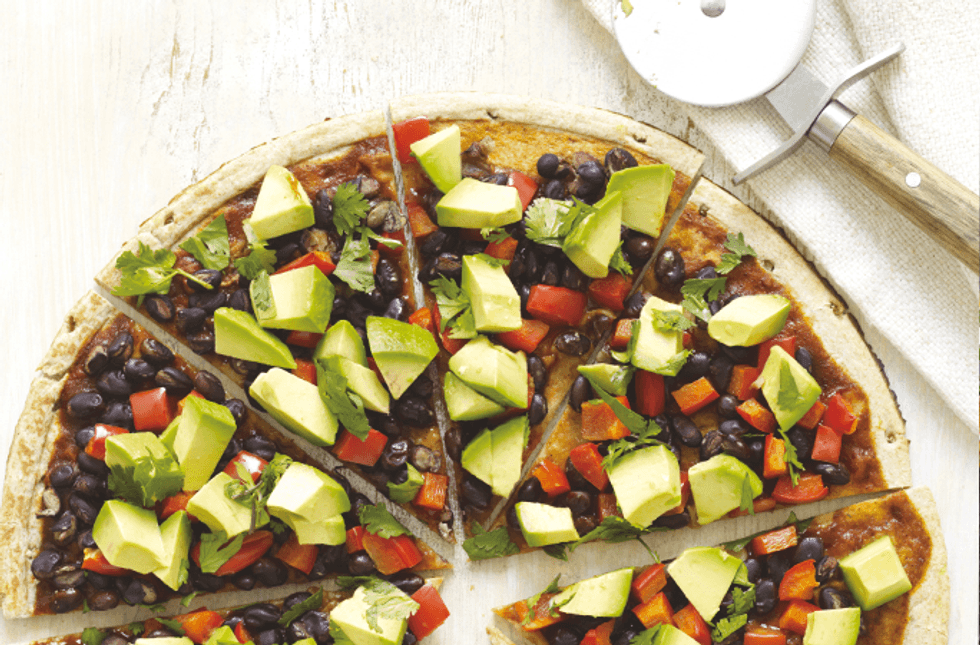
Trying new vegan recipes ranging from meat replacements to morning pancakes is half the fun of testing a vegan diet. I’ve found that since I’ve gone vegan I’ve spent so much more time in the kitchen getting to know recipes and food.
3. Carb up!
Everybody listen! The rumors are not true! Carbs are not bad for you! Carbs from natural and whole foods are the best source of energy for your body. That means sweet potatoes, beans, rice, sprouted grain bread, bananas, etc. Do not be afraid of carbs! As long as you’re filling your body up with natural and whole products, you have nothing to worry about. Plus, these foods will keep you satisfied and sustain your energy for hours.
4. Drink, drink, drink more water

This rumor is true. Water is so important for any diet. Drinking water not only keeps you hydrated, leading to so many benefits in and of itself, but it keeps you full. We often mistake hunger for thirst, so if you can’t tell what you’re feeling, drink a big glass of water and wait a few minutes, and if you’re still hungry, indulge in something healthy and delicious! Plus, water also decreases bloating!
(Note: I try to drink between 16 and 20 cups of water a day, which is a little over a gallon. At the very least you should be drinking 10 cups a day, but try to get in 15 or more if you can. However, don’t overdo it and drink too much, because that can result in diluted electrolytes.)
5. Don’t try to replace everything
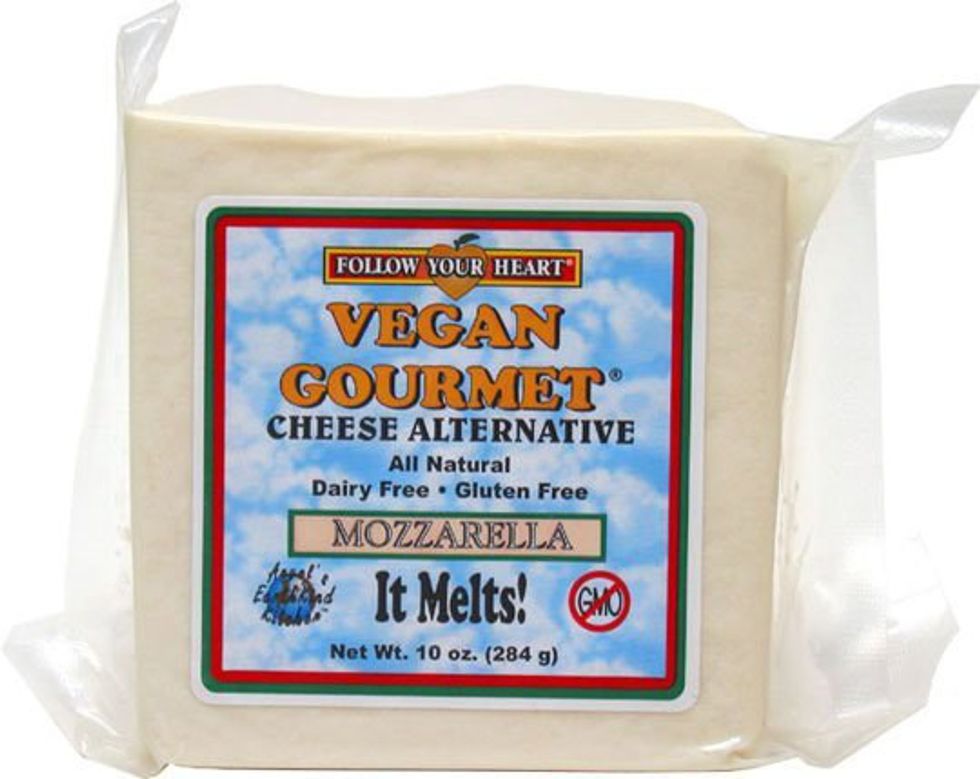
Don’t get me wrong, I’m all for trying vegan versions of regular foods. But don’t be discouraged if not all of it lives up to your expectations. For example, I love almond milk, vegan ice cream and vegan yogurt, but vegan cheese is not a hit for me. Instead of trying to find a perfect replacement for every single non-vegan food, branch out and get to know other types of foods that may be out of your comfort zone. Who knows, you may discover a new favorite.
6. Steer clear of added oils and fats
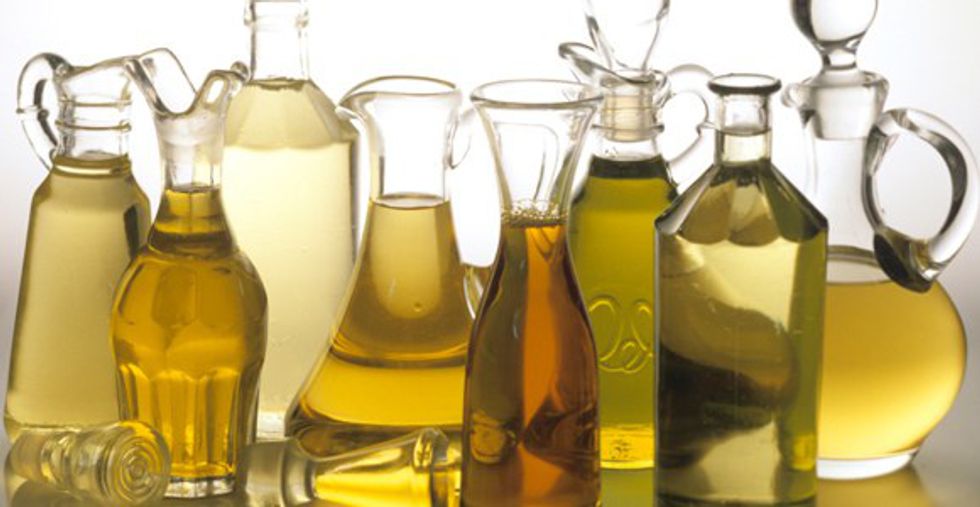
While oil is vegan, that does not mean it’s healthy. There’s a common misconception that oils such as olive oil and coconut oil are super foods that you should be consuming, and this is simply not true. Oils are just calorie-dense fat bombs, and any nutrients that they allegedly contain are nutrients that you probably get enough of in your normal diet. Try living on the edge and not cooking your food in oils for a while. You may think they’re necessary to coat the food and keep it moist, but water does the same job without costing your health!
7. Don’t stress about protein deficiency
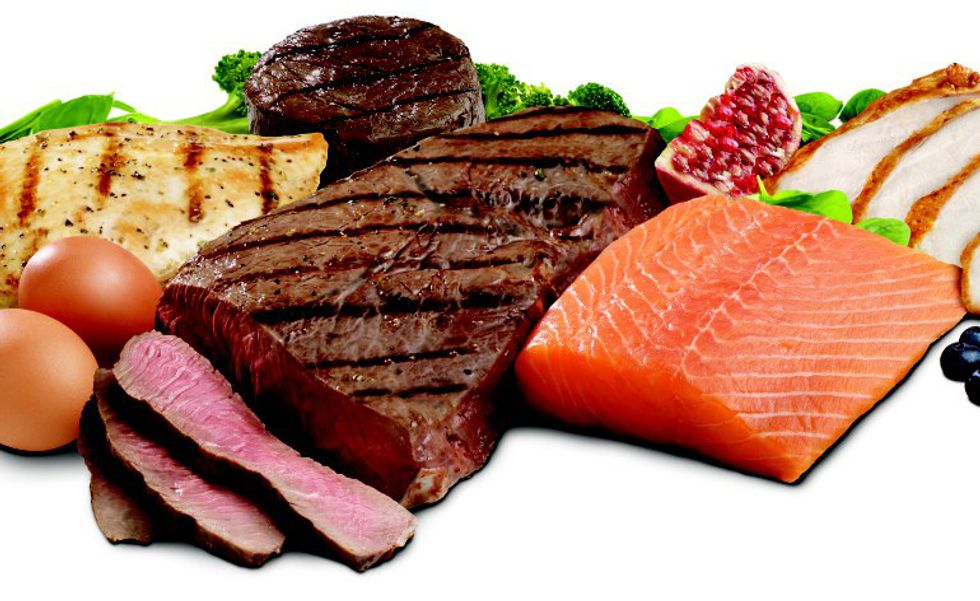
Yes, protein is important, but it is secondary to what our bodies need most: carbs! You diet should include a healthy balance of carbs, protein and fat, but don’t stress about not getting enough protein. Daily protein needed is between 46-56 grams. Two slices of whole wheat bread alone contains over 15 grams of protein, so chances are you’re not really protein deficient. Also remember, I’m following a high carb, low fat diet, so an excess protein is not my number one goal. People following the paleo diet would have something else to say, but 46-56 grams a day is all you definitely need.
8. Beware of soy!
While I’m half joking, soy products really aren’t as great as everyone thinks they are. Foods like tofu and soy milk (really anything created from soy beans) are highly processed and treated with all sorts of chemicals. They’re also super high in fat, so try to limit your intake of processed soy foods.
9. Let yourself have treats
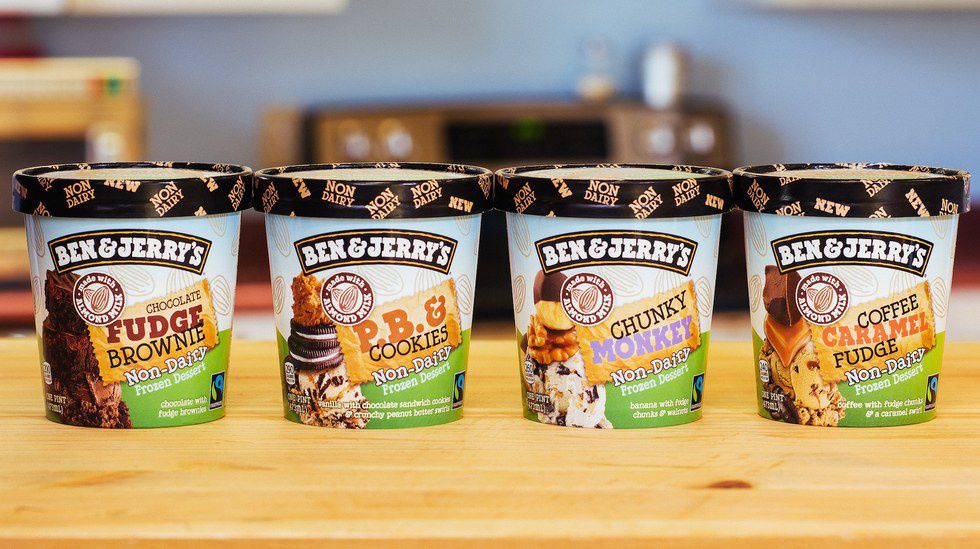
While it’s important to stay healthy and clean, treats are allowed in the vegan diet just like in any normal diet. Craving some chocolate? Indulge in Ben and Jerry’s creamy vegan ice cream. As long as you’re keeping these indulgences rare, don’t be afraid to eat something sweet!
10. Fruit and veggies are your friend. Get to know them, get to love them.
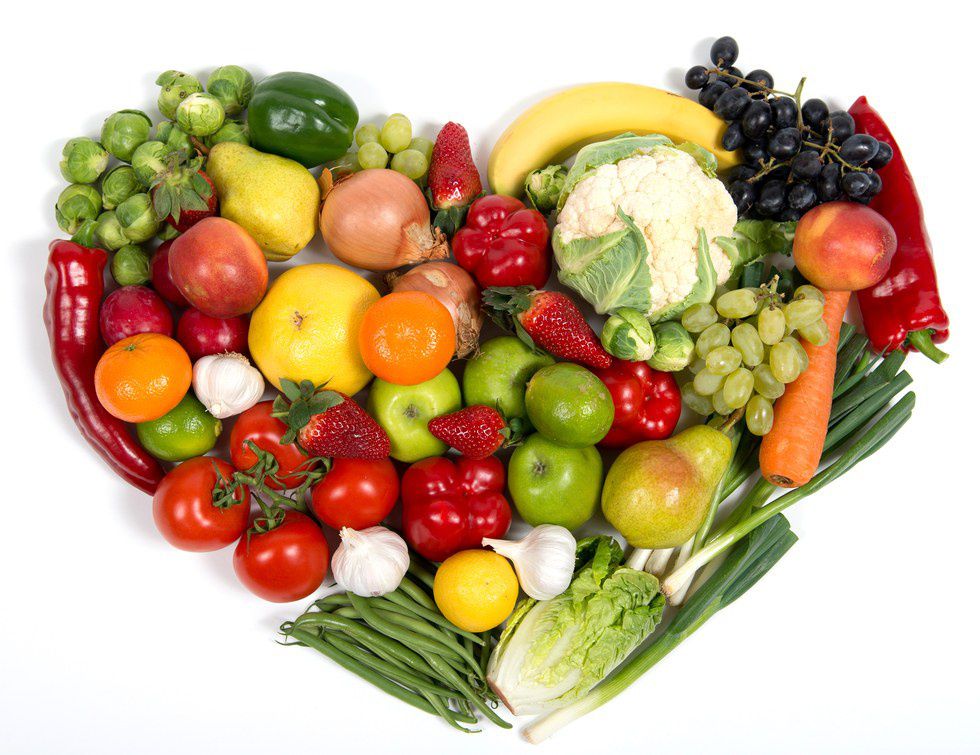
Fruits and veggies, man. Once you go vegan, you’ll find them in everything you eat. Building a strong emotional relationship with a banana is very important if you plan on being vegan long term.
11. Sweet potatoes!
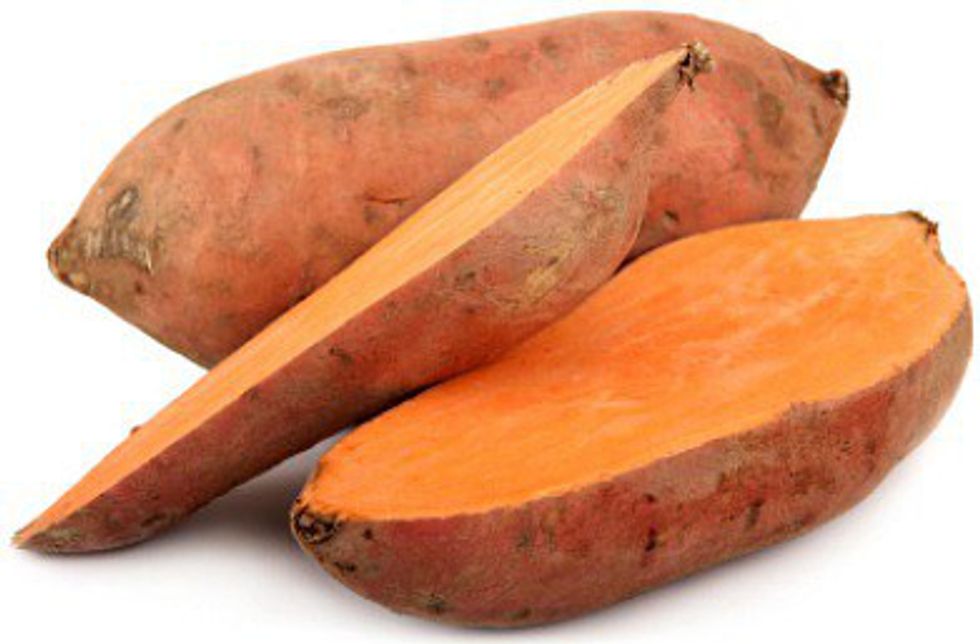
This may seem like a joke, but sweet potatoes are seriously great. They’re super high in healthy carbs and starches, and have no fat. Plus they’re delicious, and you can eat them in so many ways: sweet potato fries, mashed sweet potato, sweet potato with beans and rice and even an uncut sweet potato (because why not?). They’re just the best!
Hope this article helped. Now let's get cooking!