
You've done it, comrade. You decided, as I once did, to study Russian. Everyone was so surprised. "Russian?" They ask, "Why Russian?"
You, too, will ask yourself that question many, many times as you go through these stages, so strap yourself in and get a good Russian group. You'll need them.
1. The first cull: the alphabet.
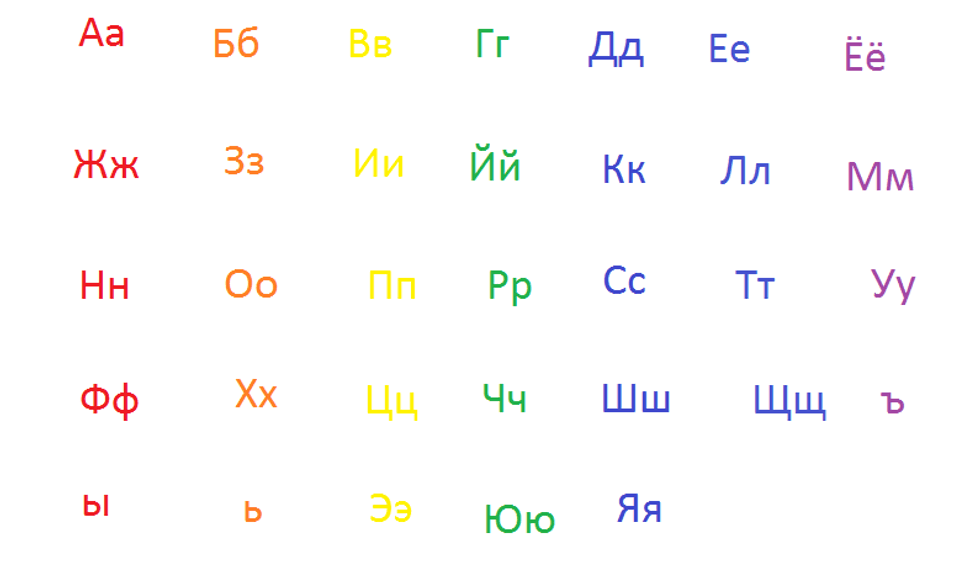
Of the 11 or so people who started out in my Russian class in my first year, we added and dropped several people within the first two or three weeks to get down to eight. The determinate factor: previous knowledge of the alphabet. Of those of us who kept on, at least five of us had prior experience with the Russian alphabet. Russian uses a Cyrillic alphabet that is a conglomeration of Latin, Greek, Hebrew and other symbols to form its 33 letter written language. Three letters are never capitalized and two of those don't actually make a sound. If you want to study Russian, learn the alphabet ahead of your first class; it takes a little while to get used to reading the false cognates. For those of us who did, it made the next bit much easier.
2. Yes, these are actually words and you are expected to be able to read them.
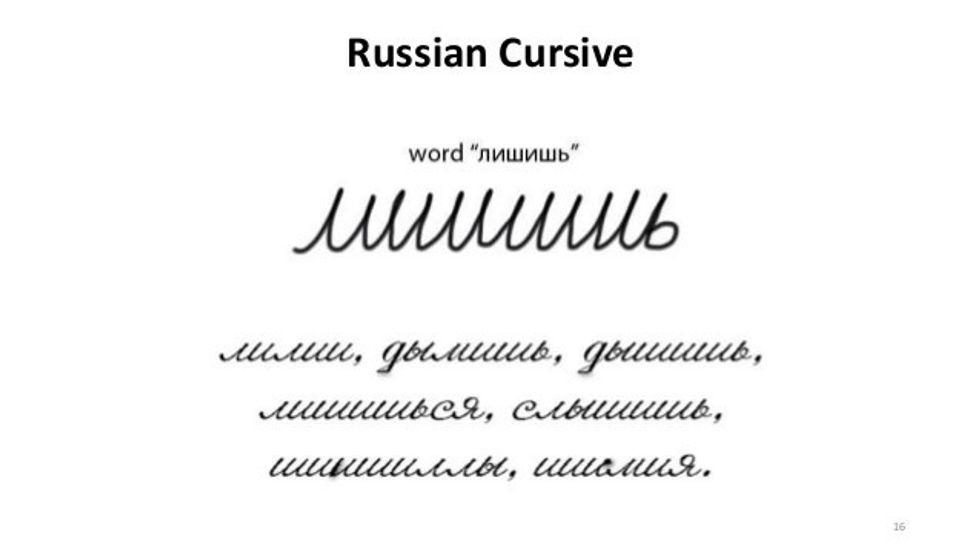
Perhaps the reason so many people dropped from my Russian class was because we introduced cursive simultaneously with learning the Cyrillic alphabet. Printing simply isn't done in Russian unless it's been typed on a computer, and even then italics are based on cursive in some instances. If you want to learn Russian and function in Russia, you do indeed need to learn to decipher cursive. Удачи.
3. Yay, no articles!

Russian quickly makes things nice and easy by not including articles. No need to memorize that it's 'un libre' or 'l'homme.' Of course, you later realize that you don't necessarily know if a book is on the table or the book is on the table. That might be a problem.
3. Verbs... not too bad.
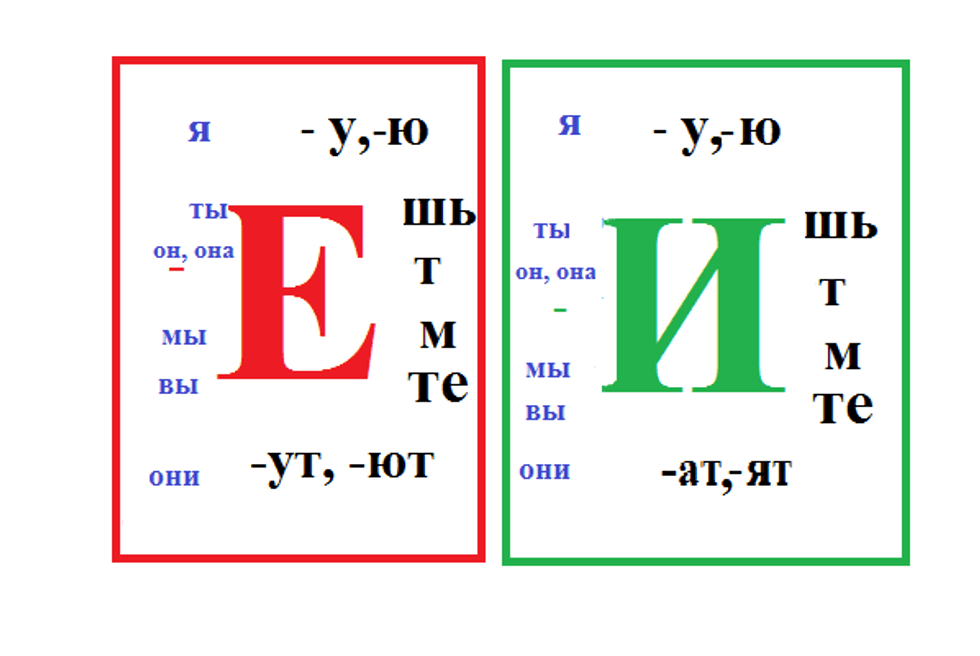
Finally, three chapters in, you learn how to conjugate a verb for yourself! Instead of just saying things with the present tense verb 'to be' (as it doesn't exist) and repeating "I'm a student" or "you are smart," you have options. Finally you can say you're reading or working, or writing and a whole world of communication is opened up to you.
4. What the heck is a case?
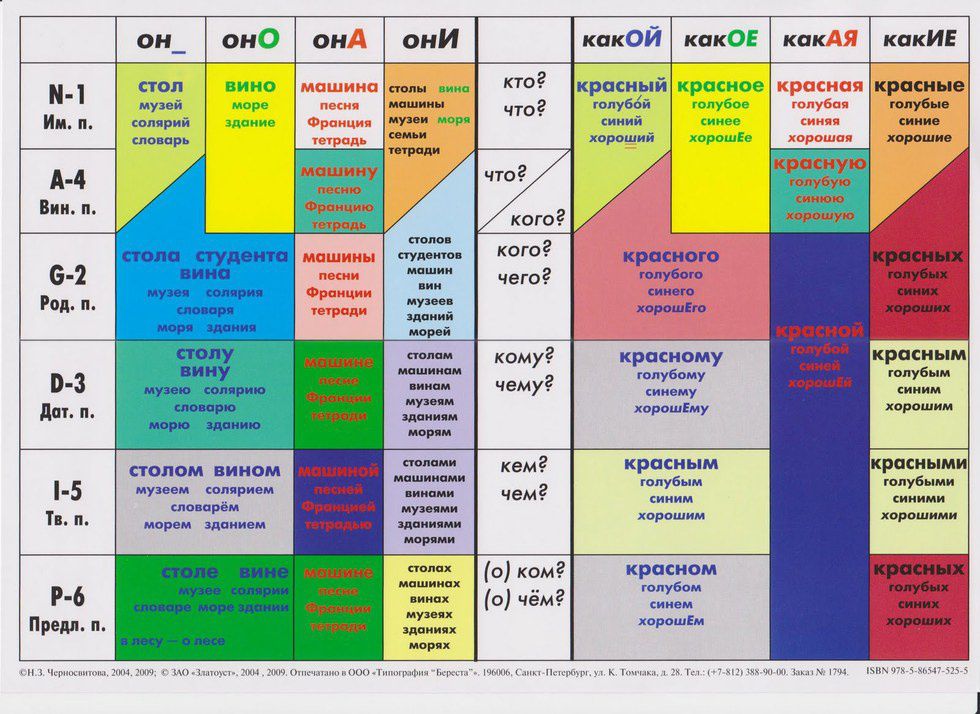
Finally you begin making more complicated sentences than "Я - студентка." You get your first verb; 'to study' perhaps. But what is it that you study? Do you study something that is grammatically inanimate feminine? Yes? Then you have to know the accusative case. Why? What are cases? Well, basically they govern everything you say and make your life a nightmare. You learn there are six of them and a shiver runs through you.
5. Okay, I can do accusative.

While this girl's face is pretty much representative of everyone who is faced with their first case (excitement tempered with a strong portion of 'what have I gotten myself into, can I still drop this class?'), one quickly begins to think that things will be OK. You can say "Я изучаю русский язык" and even "Я читаю книгу." Yet somehow when you try to tell your teacher you are seeing an elephant, they shake their heads and tell you no. Isn't the elephant the direct object in that sentence? Isn't it?
7. OK, I was wrong, verbs are a nightmare.
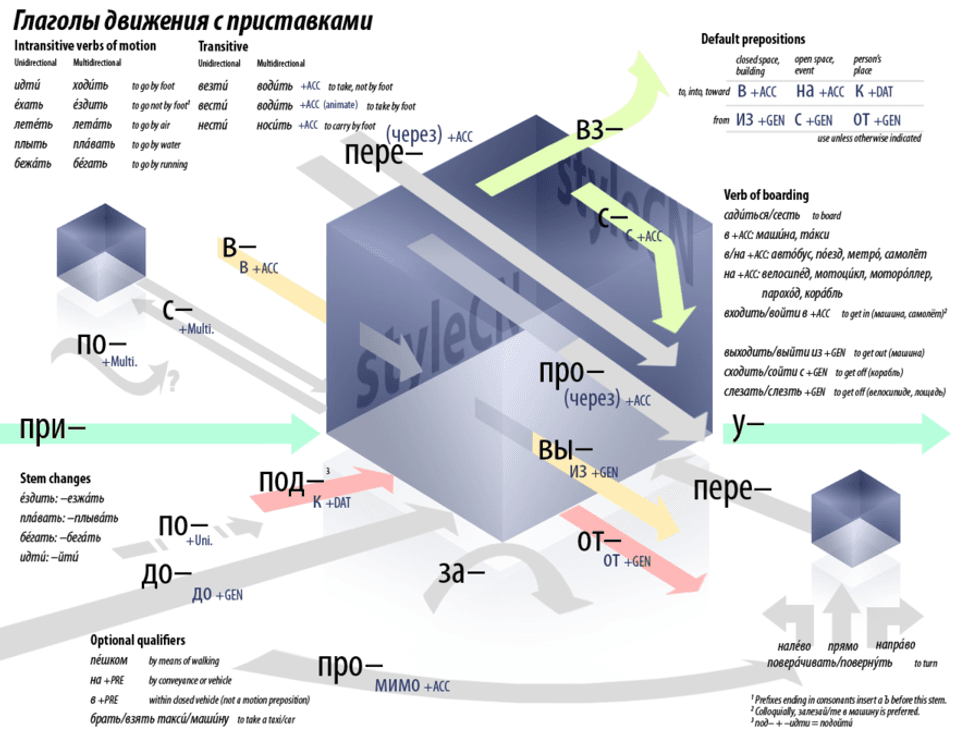
You get a break for a chapter or two but your teacher quickly lets you in on a secret: Russian verbs come in imperfective and perfective forms, so you need to memorize twice as many. Then you learn about verbs of motion. Then you learn about prefixed verbs of motion. Why can't you just go around saying "Я не говорю по-русски," for the rest of your life again? The struggle will be worth it you tell yourself. Я страдаю, но всё будет хорошо.
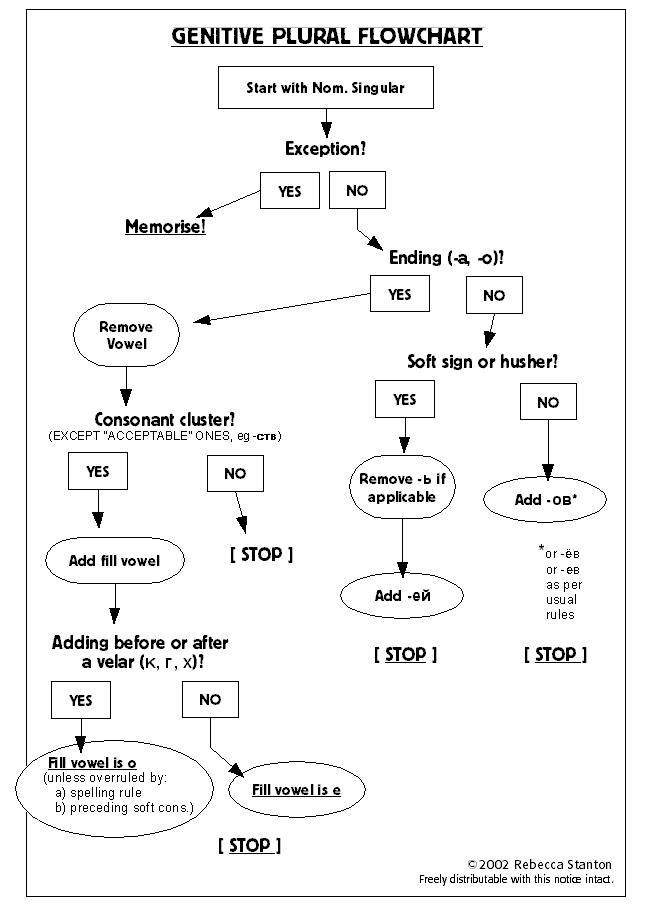
8. Who invented genitive plural and where can I find them?

9. I have all the cases! They are mine!

Like a baby dragon, there comes a day when all the cases are yours, hoarded one by one until you have all six shiny fun tables of how to change words to serve different functions in your sentences. There is such a feeling of jubilee when that last case is handed over that you want to dance. I still remember when instrumental was finally handed over to us and we could say we'd gone somewhere with someone. Glorious.
10. The participles are coming! The participles are coming!
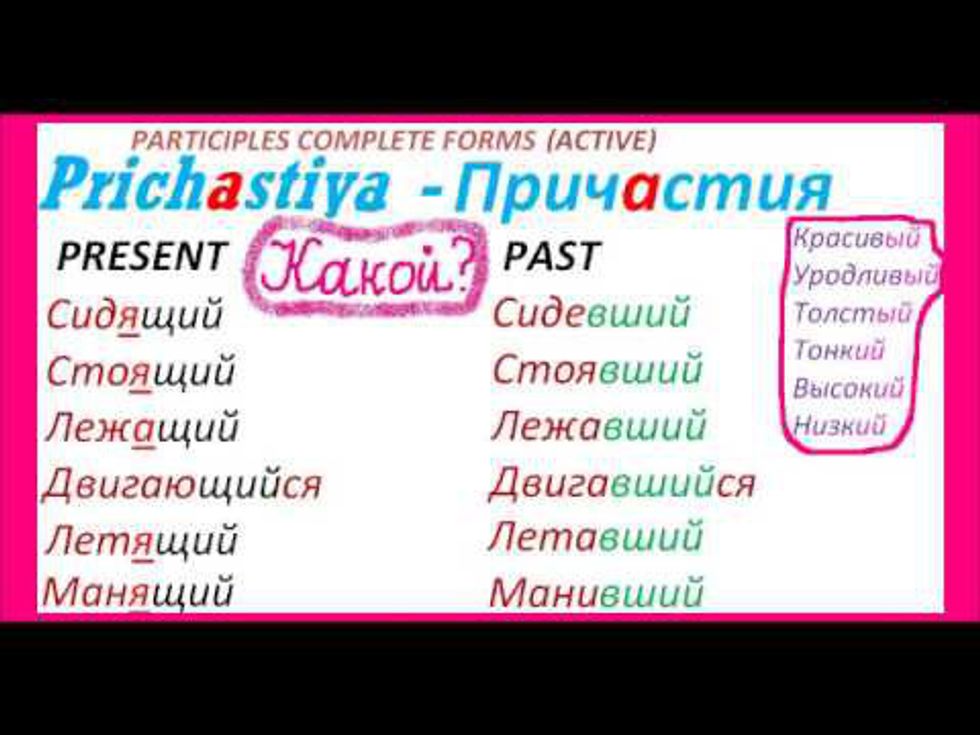
There comes a moment in every Russian student's schooling when a teacher attempts to explain what a participle is and why you need to know it. If you're unlucky enough, this explanation is given entirely in Russian and you stare at the board blankly until it makes sense or the period ends so you can go figure it out on your own. Participles are deceptively simple in how they're formed, but dastardly tricky to translate and use. The only thing known to help is constant and repeated drilling. Once they are mastered, you find that reading Russian text has become far easier.
11. You love this language.

Even after all of your struggles, somehow you still absolutely love this language. Your fight to conquer cases, vanquish verbal adjectives and internalize idioms has left you capable of holding your own in the Russian motherland. Or at least, you can order Subway. You'll never truly be done learning, but by now it's labor of love with a group of people you can trust to have your back linguistically.
Even if it did make your non-Russian-studying friend tell you that you sold your soul to the devil.