


With the weather suddenly clearing up these past few weeks and the temperatures rising like its already summer, I'm sure everyone has tried to take advantage of the beautiful days outside before Mother Nature decides to switch things up again. I see people going wearing shorts and tank tops, playing frisbee, and laying out on a blanket to read more and more often lately. However, with sunny, warm weather comes the most dreaded part of summer: sunburns.
What? Did you think that just because the calendar says its only the beginning of spring that you can't get sunburned? Well, you've got another thing comin', friend. I can tell you from personal experience that any prolonged exposure to the sun's UV rays can bring on a bright red lobster tan, and its always more painful than you remember.
It seems that people have a lot of misconceptions about sunburns, like how you get them, treat them, how harmful they are. Here is a list of 11 sunburn facts to help you folks out as we start coming out of winter and try to safely enjoy a summertime in the sun:
Sunburns can form in less than 15 minutes

You think you're safe just because you aren't going to be outside for hours at a time? Think again: if you have either fair or sensitive skin, you are likely to develop a sunburn incredibly quickly.
Sunscreens can expire
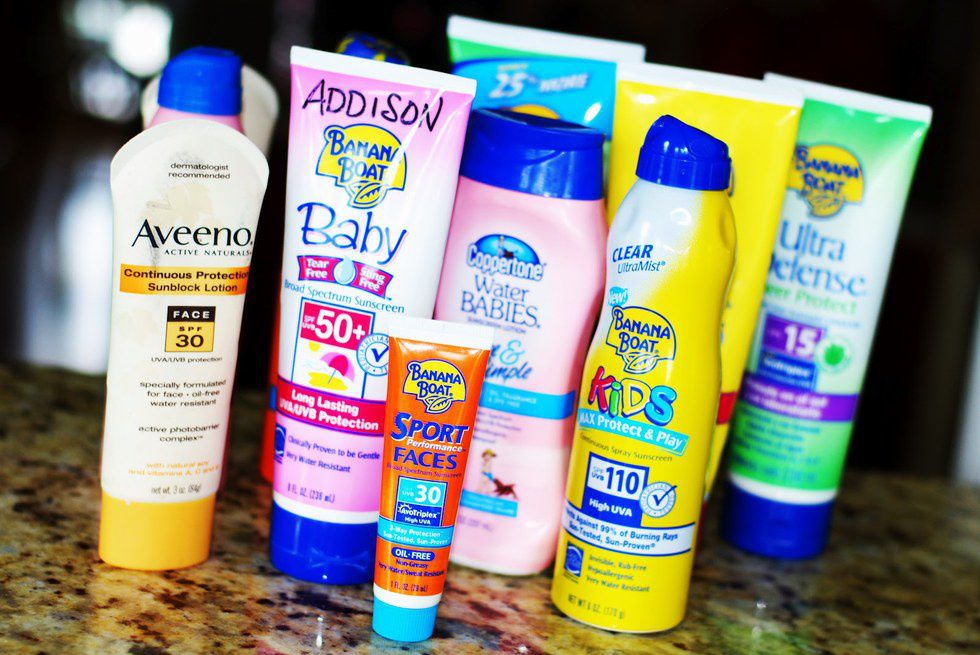
If you are anything like me, you end up forgetting to buy sunscreen for your first trip to the beach in the summer because you have some around the house from last year. Don't do that! Typically, sunscreens can last 10-12 months before they expire, so check the expiration dates when you buy them and be sure to throw them away afterwards.
You can sunburn on cloudy days

Clouds will not protect you from sunburn. They're just vaporized water, the UV rays go right through them and can still harm you.
You are more likely to get sunburn between 10 am-2 pm

This is the time when UV rays are strongest because the sun is directly overhead.
Sunscreen needs to be reapplied to be effective

The rule with sunscreen is that you should put it on 30 minutes before you go outside, an then again every two hours. Slathering it on once as soon as you get to the pool is not good enough protection! The water rinses it off of you before your skin can absorb it, so you are essentially unprotected if you don't reapply regularly.
Darker skin does not protect you
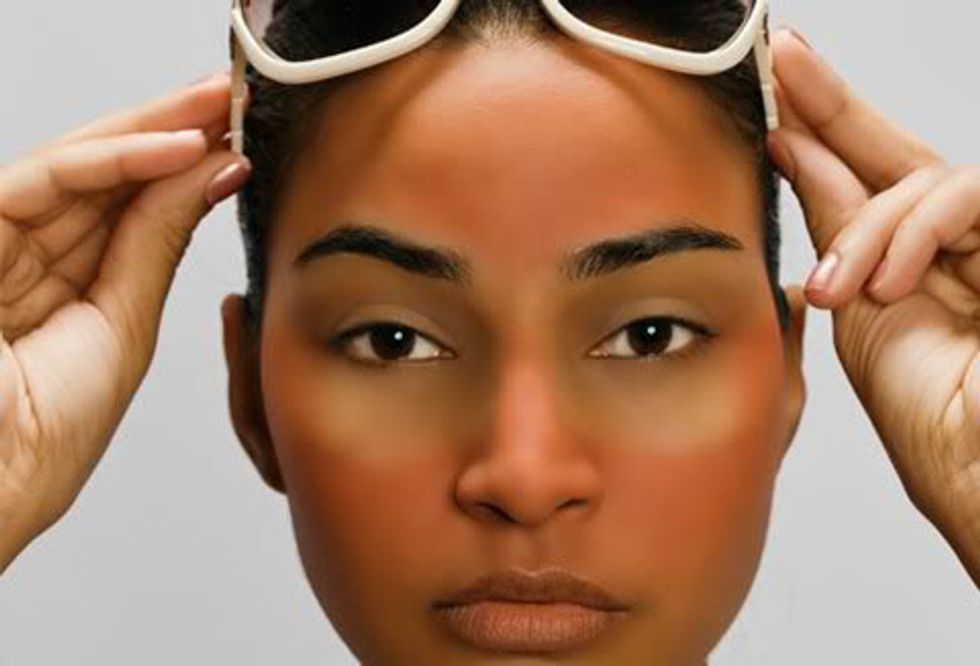
Because melanin is not effective at protecting you from UV rays, having naturally dark skin does not make you any less likely to get sunburned. Use sunscreen, no matter what color your skin is, folks!
And neither does tanning

Getting a tan will not act as a natural sunscreen--its evidence of the damage already done to our skin. Your skin produces melanin after its already suffered damage from sun exposure, and generally only offers protection from the sun at about SPF level four.
There are two kinds of UV rays, and you need protection from both

Ultraviolet A and ultraviolet B waves are both harmful to your skin. UV A rays can penetrate the skin deeply, which releases free radicals that could cause skin cancers; UV B rays impact the skin on the surface, causing tanning, skin burns, and wrinkles. Double check that the sunscreen you use protects you from both of them. If not, get new sunscreen to supplement or replace what you already use.
Sunscreen will not prevent you from producing vitamin D

Your body will produce vitamin D from slight, incidental exposure to the sun, so sunscreen will not put you at risk for vitamin D deficiency.
It can take years for skin to fully recover from sunburns

Sunburns feel hot to the touch because the skin is literally still burning even after you're out of the sun. The UV rays are destroying your skin cells from within, and it can take a long time before your skin is completely healthy again.
A single sunburn during childhood can increase the risk of melanoma
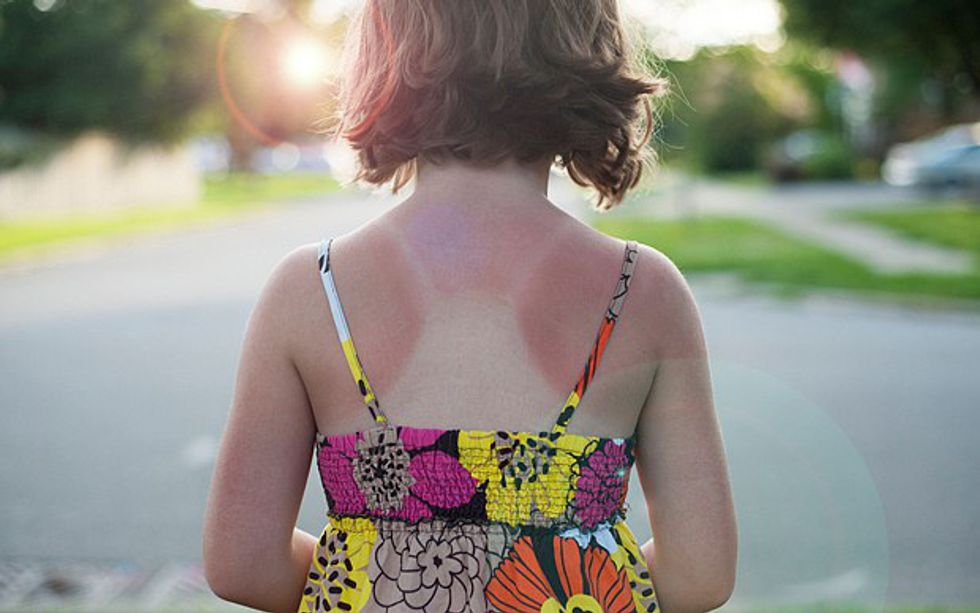
Sunburns are serious business, folks. Depending on the severity, sunburns from childhood can increase the risk of developing skin cancer at 25-29.
So the moral of the story is: use sunscreen, and use it correctly! Sunburns are a much bigger deal than we think, and you could be putting yourself at unnecessary risk. Just lather up before you go outside, and have safe, protected fun this summer.