


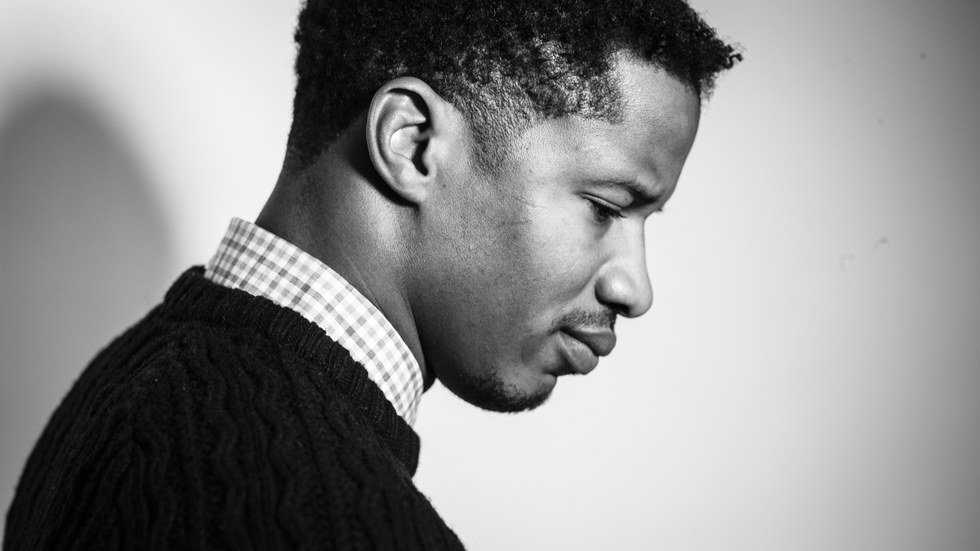
Recently, beloved and critically-acclaimed African American actor and director Nate Parker's past came to the forefront when news of him being charged for rape in 1999 was publicized. While Parker was a sophomore at Pennsylvania State University, he along with his wrestling teammate Jean McGianni Celestin (who remains friends with Parker today and even helped him with "The Birth of a Nation" movie) raped an intoxicated, unconscious girl whose name is still unknown. Sadly, the victim committed suicide in 2012. When the news broke, Parker's response in a Facebook statement did not include an apology, which angered many fans.

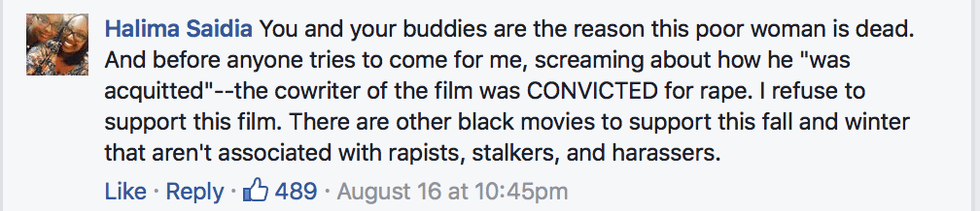

1. As a 19 year old, Parker wasn't as mindful of consent as he is now.
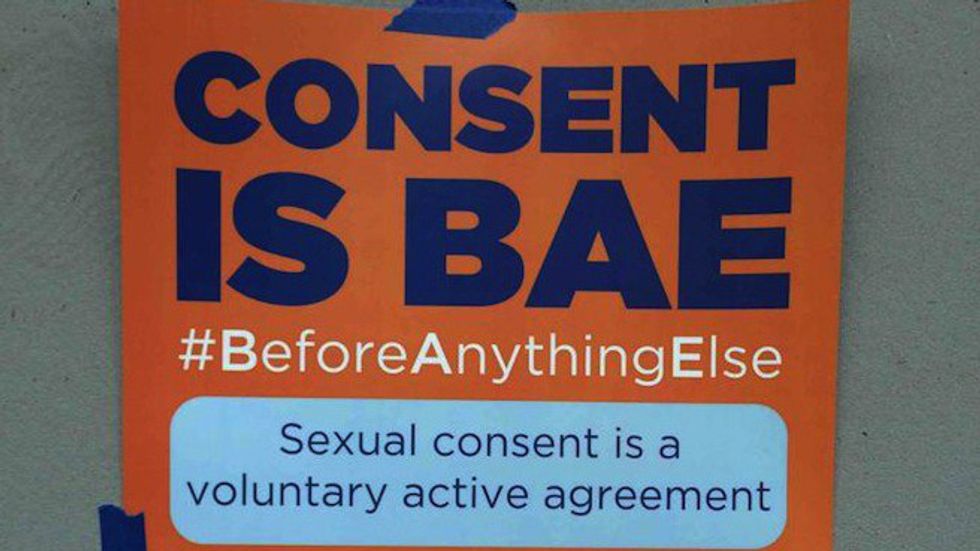
2. Consent for Parker was a "How Far Can I Go," game.

3. He asked, "What did I do wrong?" to understand why people were upset.

"I called a couple of sisters that know that are in the space that talk about the feminist movement and toxic masculinity, and just asked questions. What did I do wrong? Because I was thinking about myself. And what I realized is that I never took a moment to think about the woman. I didn’t think about her then, and I didn’t think about her when I was saying those statements, which was wrong and insensitive."
4. He recognizes his privilege.
"All I can do is seek the information that’ll make me stronger, that’ll help me overcome my toxic masculinity, my male privilege, because that’s something you never think about. You don’t think about other people. It’s the same thing with White Supremacy. Trying to convince someone that they are a racist or they have White Privilege — if it’s in the air they breathe and the culture supports them, sometimes they never have to think about it at all. I recognize as a man there’s a lot of things that I don’t have to think about. But I’m thinking about them now."
5. He didn't know much about consent in the '90s.
"So if I’m 36 and I have my 19-year-old self, I’m pulling him to the side, and saying, 'Listen bruh, throwing on your Timbs and your fitted hat and strolling campus trying to get a girl to say yes, or going to the club hoping you bring a girl home, that’s not the way to go about healthy relationships. You need to step back. You need to think about how that affects you, how it affects them, how it affects the women in your life.'”
6. He has already addressed the situation with his oldest daughter.

"I sat my daughter down and I talked about this specific situation. It wasn’t the first time because when she became a certain age, I talked about it to her anyway. But I said you know, I gotta look at the situation as an opportunity to grow and become more empathetic and more sensitive to issues to that are outside of my everyday, and I don’t want to send you to college and say, 'Be careful and watch out.'”
7. He's sorry.

"I’ll say this, this whole situation I’m approaching from a standpoint of humility. I’m sorry for all the women who are survivors who felt hurt by my words because they were insensitive and they were nonchalant."
8. He didn't pretend to be empathetic initially because he wasn't.

9. He hadn't thought about the situation in years.
"Listen to me when I say I’m understanding that I’m dealing with a problem, like an addiction. Just like you can be addicted to White Supremacy and all of the benefits, you can be addicted to male privilege and all of the benefits that comes from it. It’s like someone pointing at you and you have a stain on your shirt and you don’t even know it. I’m a work in progress. I’m trying to be better. "
10. He wants to be an ally.

"I feel remorse for all the women that are survivors that felt I was being insensitive, because I was. And I want to have a better understanding of how I can be more of an ally, if they’ll accept me. There will be people who won’t accept me, and that’s OK. All I can do is say that I stand for justice and really learn more about this issue so I can be a better ally of this issue."
11. Most importantly, he wants to be a leader.

"If I can use my platform to affect change in gender, as I can in race, then I think I can have an impact. This is not the end-all, it’s a work in progress. And I say that humbly as a person that has literally been humbled into really re-assessing his ideas and thoughts."

















