



The transition from high school to college is overwhelming. Academically, you'll be challenged and pushed to your fullest potential. Socially, you'll be submerged in a whole new group of people. All in all, college can be a lot to take in, and the adjustment definitely takes a toll on students during their first semester. So here are 11 habits that I think all high school students should adopt that will make their first semester in college just a bit easier.
1. Read/review the material before you go into class.

The main lesson I've taken from college so far is that when you sit in lecture, that shouldn't be the first time you hear the material. Read the material that you are going to cover in class. Even if you don't understand it at first. Familiarizing yourself with the material beforehand will make the material more accessible during the lecture.
2. Study more in advance.
Do not start studying starting the night before. Cramming might work in high school but I can promise you, it will not in college. It may seem silly to start studying a week or so in advance, but spacing out the material over time will make learning the material 10 times easier. Also, the main problem with cramming is that you'll most likely forget everything after the test is over. When you space out the material, you'll be more likely to remember the material long term. This is important because in college much of the material is cumulative, and you'll need to understand the concepts from the beginning to understand the future material.
3. Read critically.

I know one of the hardest adjustments I had to make from high school to college was the way I read. In high school, for most of my classes, I was simply reading for facts. I basically skimmed over everything that wasn't a bolded term or italicized phrase. Sure, I took effective notes and did well on tests. But college is different. Knowing all the random facts might've gotten you through high school, but college takes it to a whole new level.
4. Study even if you don't have homework.
 I can't stress enough how important it is to study even when you don't have homework. In college and even in high school, there is a lot of content to cover and sometimes the homework is not sufficient in covering all the material. Take 20-30 minutes to review the concepts from class or go through flashcards. You'll thank yourself later that you did.
5. For language classes, read/listen to the news in the foreign language.

Reading and listening to the news in a foreign language is one of the best ways to practice reading and listening comprehension. Not only will you strengthen your skills, you will also get the news.
6. Know the difference between understanding and memorizing.

In most of my high school classes, I could get away with simply memorizing definitions to get an A. In college, this is not the case. Memorizing the definition is not the same as understanding the concept. In college, you'll have to understand the concepts and be able to apply them. Memorization won't get you far.
7. Participate, participate, participate.

It may seem stupid for me to suggest you get into the habit of participating in high school before college, but I can't stress it enough. Get comfortable sharing your opinion with others and get practice with bouncing ideas off of other people and hearing their responses. In college, participation is key because it may be the tipping scale for your grade.
8. Limit mental health days.

Do not get into the habit of taking multiple mental health days. In college, missing one day can get you so behind. Don't get into the habit of missing class in high school either, but it will be truly detrimental to you in college.
9. Make downtime productive.
Yes it's important to relax and relish downtime, but try to make downtime productive. During commercials of TV shows, go through flashcards/Quizlet. While waiting in line, go through math formulas in your head. Don't let academics dominate your life, but recognize that every minute counts.
10. Be your own keeper.
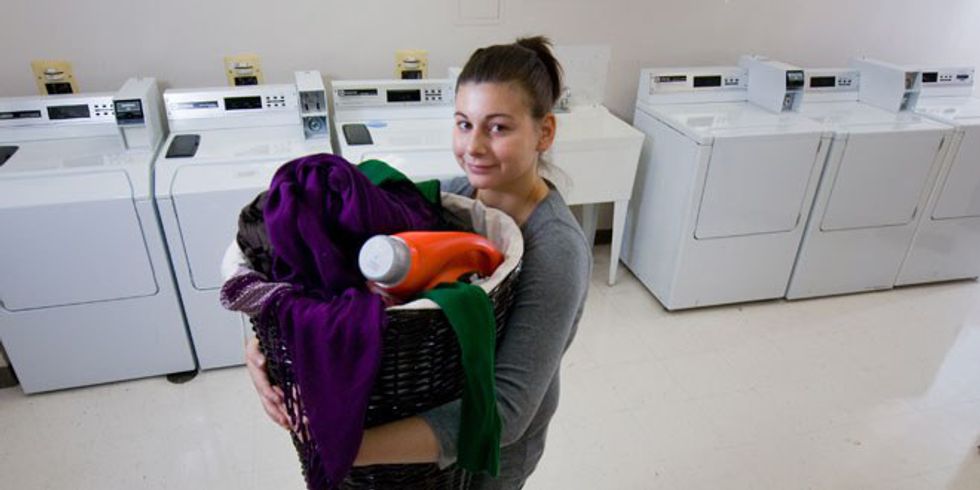
In college, you're your own keeper. You do your own laundry, you clean your own room, etc. It's important that you get into the habit of juggling these chores with your current schedules so that by the time college rolls around, the adjustment isn't too overwhelming.
11. Find a balance between academics and social life.

School is important, but so is spending time with friends and family. Make sure you give yourself study breaks and remember to have fun. Know when it's time to leave the house and go out with your friends, but also know when you have to stay in and study. Finding this balance early on makes juggling academics and your social life all the easier.
















