11 Beautiful Japanese Words That Don't Exist In English

11 Beautiful Japanese Words That Don't Exist In English

Untranslatable words from Japan, the polite and nature-loving country.
36721
views

Once, when I asked my friend from a small tribe in Burma how they would say “breakfast” there, she told me that they didn’t have a word for it because they only ate twice a day--lunch and dinner. I happen to have a lot of friends who speak English as their second language and that made me realize that a language has a lot to do with its culture’s uniqueness. Because of that, there are some untranslatable words.

In Japanese culture, people have a lot of appreciation towards nature and it is very important to be polite towards others. That politeness and the nature appreciation reflected on to its language and created some beautiful words that are not translatable to English.

SEE ALSO: 20 Things Everyone Who Leaves Japan Misses


いただきます Itadakimasu
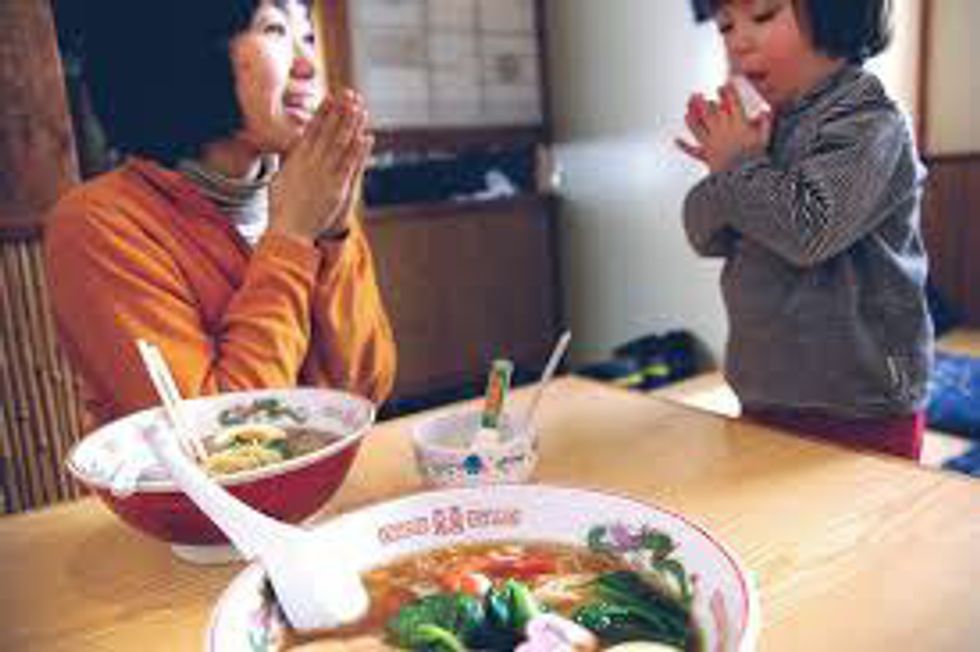
"Itadakimasu" means “I will have this.” It is used before eating any food to express appreciation and respect for life, nature, the person who prepared the food, the person who served the food, and everything else that is related to eating.


おつかれさま Otsukaresama

"Otsukaresama" means “you’re tired.” It is used to let someone know that you recognize his/her hard work and that you are thankful for it.


木漏れ日 Komorebi
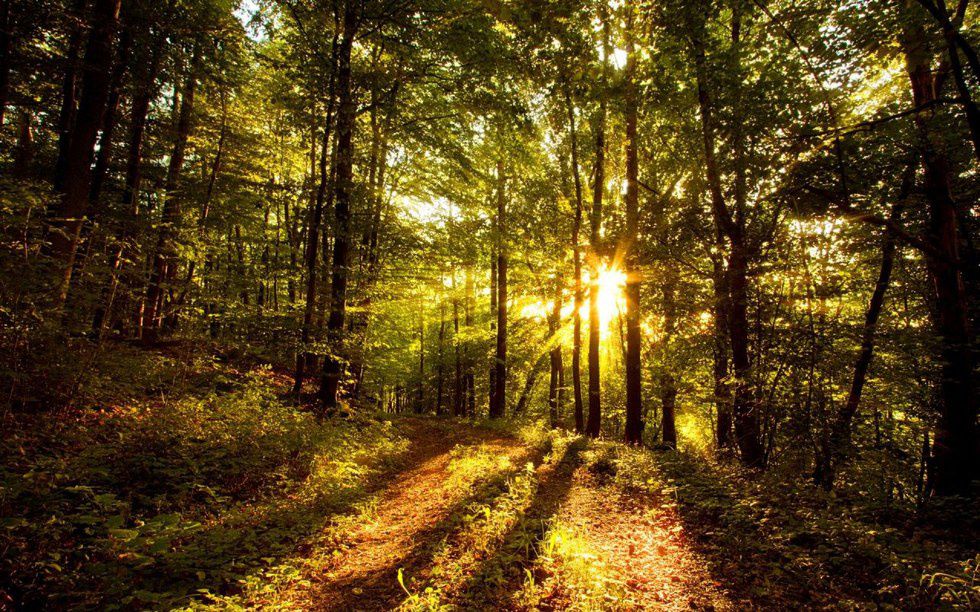
"Komorebi" refers to the sunlight that filters through the leaves of trees.


木枯らし Kogarashi
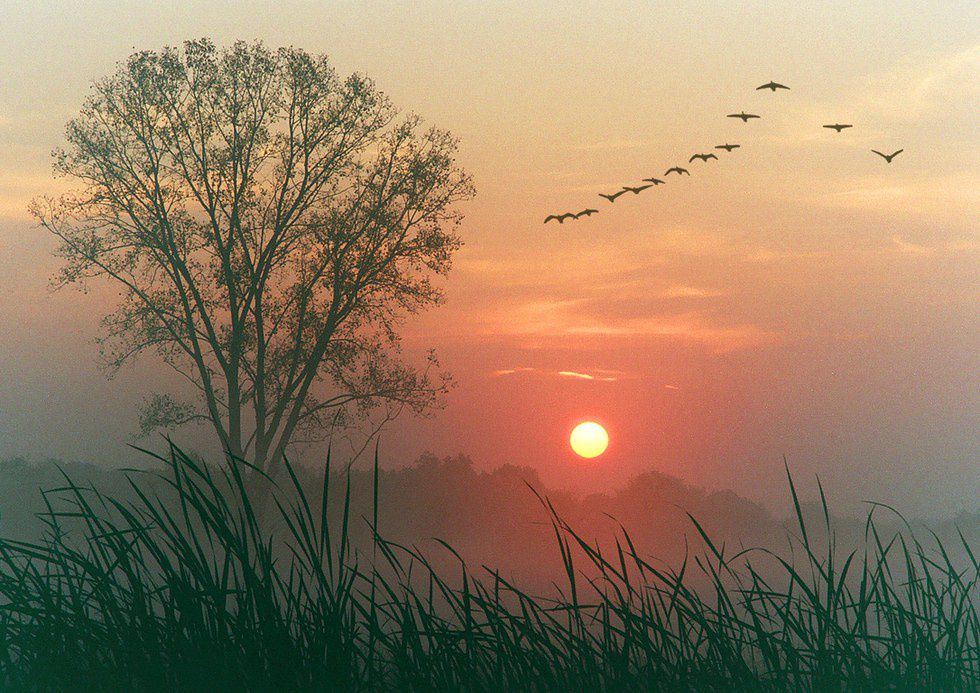
"Kogarashi" is the cold wind that lets us know of the arrival of winter.


物の哀れ Mononoaware
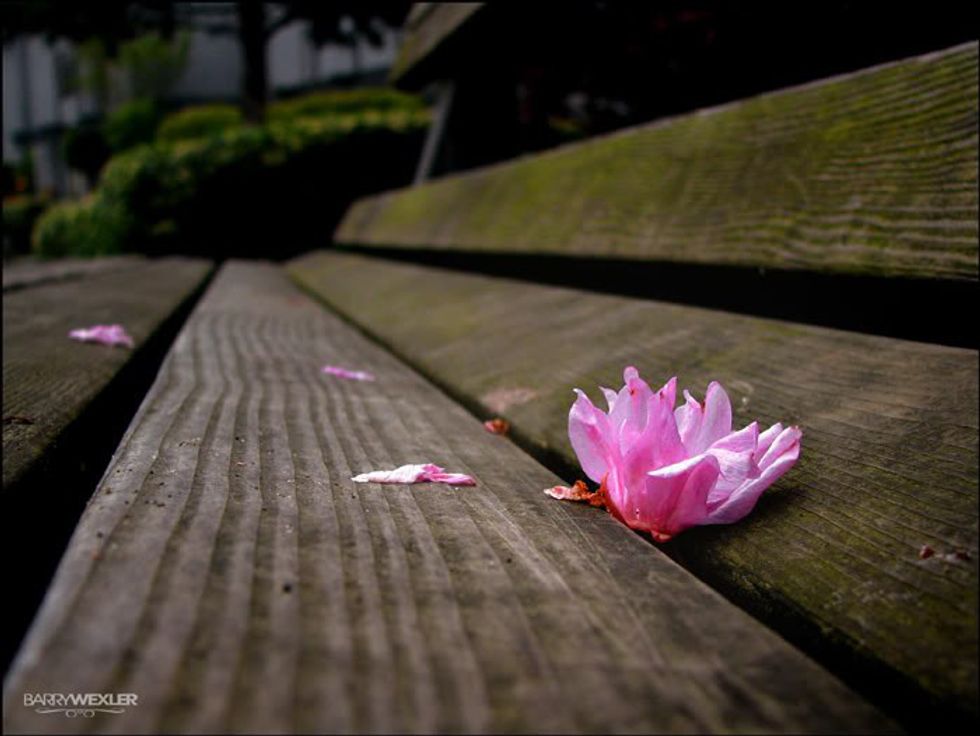
"Monoaware" is "the pathos of things." It is the awareness of the impermanence of all things and the gentle sadness and wistfulness at their passing.


森林浴 Shinrinyoku
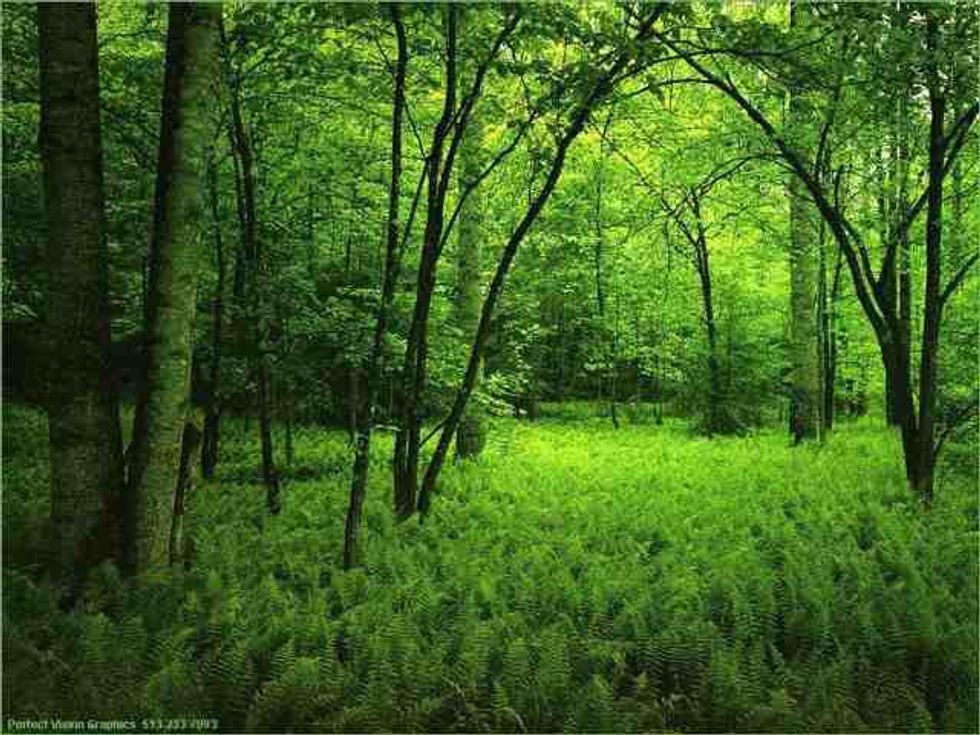
“Shinrinyoku” ("forest bathing") is to go deep into the woods where everything is silent and peaceful for a relaxation.


幽玄 Yuugen
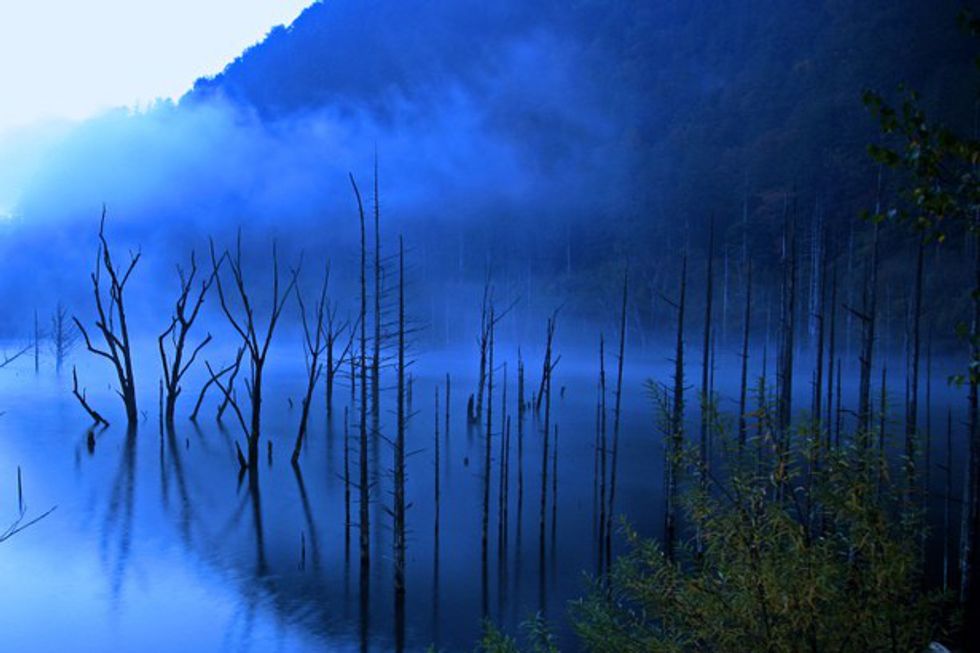
"Yuugen" is an awareness of the universe that triggers emotional responses that are too mysterious and deep for words.


しょうがない Shoganai

The literal meaning of "Shoganai" is “it cannot be helped.” However, it is not discouraging or despairing. It means to accept that something was out of your control. It encourages people to realize that it wasn’t their fault and to move on with no regret.


金継ぎ/金繕い kintsuki/kintsukuroi
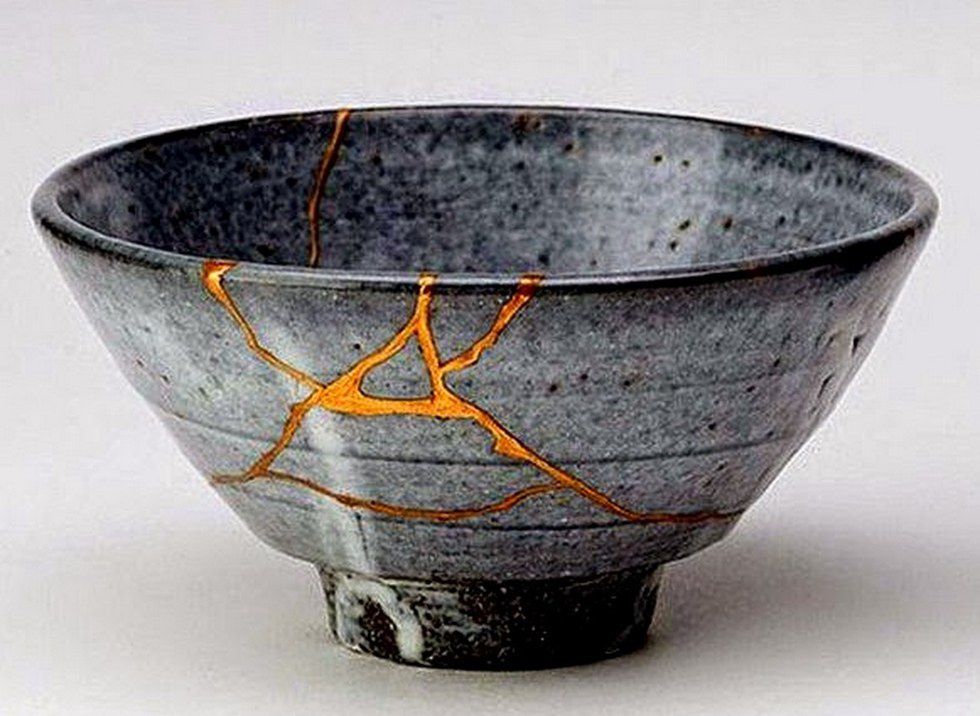
"Kintsukuroi" is the art of repairing pottery with gold or silver joining the pieces and understanding that the piece is more beautiful for having been broken.

わびさび Wabi-sabi
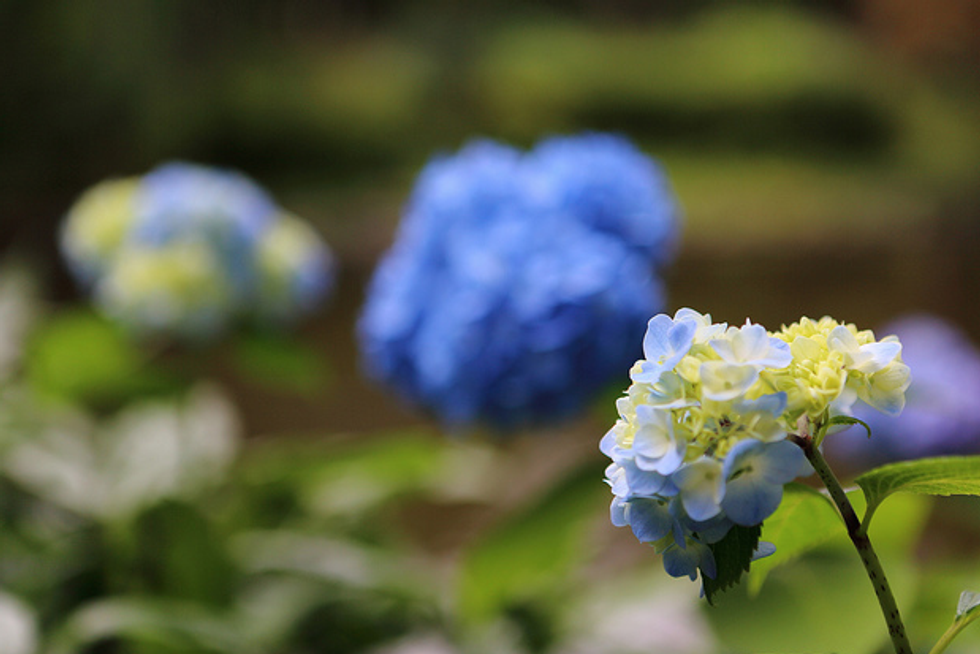
"Wabi-sabi" refers to a way of living that focuses on finding beauty within the imperfections of life and peacefully accepting the natural cycle of growth and decay.


擬音語 All the onomatopoeia
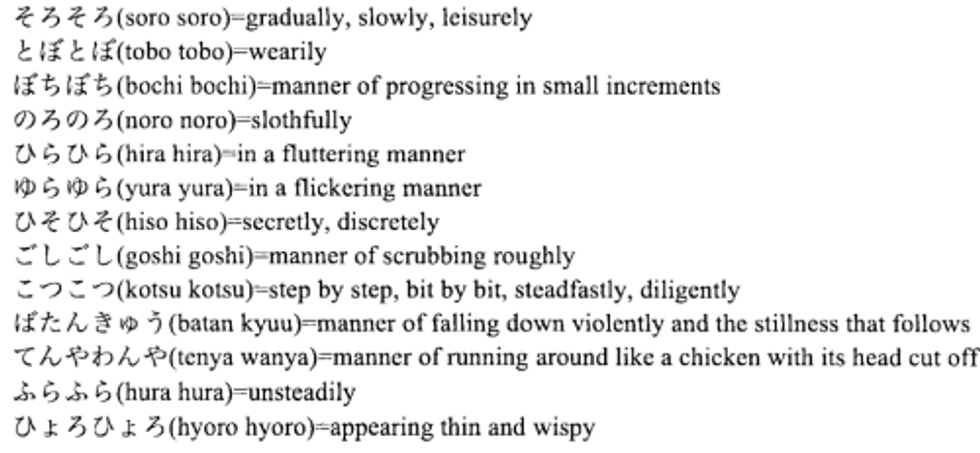
English has onomatopoeia, but Japanese has far more. For example, we have “om-nom-nom” for eating and they have “paku-paku” for eating normally, “baku-baku” for eating wildly, “gatsu-gatsu” for eating fast, “mogu-mogu” for chewing a lot, etc. Doesn’t it make your head spin? The onomatopoeia for that kind of dizziness is “kurukuru” by the way. The image above is showing some of those onomatopoeia. As you can see, Japanese onomatopoeia is usually a repetitive sound. Although it might be a very difficult concept to understand, it adds a melody and an emotional meaning to a word. Japanese sounds poetic because of the onomatopoeia.


Cover Image Credit: Wookmark.com

Popular Right Now

Find A Passion That Burns You

Like a fire that's been lit from within, burning you from the inside out.
13
views

Everyone's got a thing. I know that statement sounds obvious and exceedingly vague, but I think you'll understand exactly what I mean once I explain. This thing I'm talking about is important though. Really important, in my opinion, and I find that a lot of people would do well to hone this particular aspect of themselves to put their best foot forward.

I'm going to use a couple of my friends to illustrate my point. Take my good friend Steven for example. He's an interesting guy, and I'm really glad to have met him this semester. Steven has a lot of the good qualities one could ever ask for in a friend: he's funny, social, and loyal to a fault. Steven would be the type of guy to be on board with an impromptu road trip, and I think this spontaneity is a really great quality about him.

He's currently enlisted in the ROTC program here at UCONN, and I think it suits him. Military service overall just feels like it'd be a good fit for someone with his personality. This is what I was talking about earlier, about everyone having a thing. Something interesting happens when you learn something like that about someone, something core to who they are. It just makes everything else take on a whole different light. Once you learn this about Steven—the fact that he's in the military—it just seems to tie all of the things about him together. Steven becomes the military guy, and every stereotype you've ever thought you knew about soldiers starts to apply. The military is Steven's thing.

I'm not saying buy into the stereotypes and follow them, nor am I saying to resist them and try to show everyone that you are your own person. In fact, I'd recommend you forget all about them. They do nothing for you. Any energy spent even thinking about them would be better spent elsewhere.

For the most part, people that know their thing (or multiple things ) do well sticking to them. Athletes, artists, you name it. These are people who have found themselves.

This is more for the person who doesn't yet know what their thing is, doesn't know where to look, or maybe just doesn't know how to answer when other people ask them questions about themselves. Here's the thing: everyone's got something. You may not think so, but you do. There is something that you like to do that you're good at. You just may not know it yet, but it's there. Trust me.

And if you don't know it yet, start looking. Today, tomorrow, the day after that, and every day that follows. Keep an open eye on the world around you and find your thing. You'll know it when you find it because doing it will make you feel you feel alive, in a way that's near indescribable. Like a fire that's been lit from within, burning you from the inside out.

And once you find it, work at it. Perfect it. Work at it. Drive it into your personality so that it becomes a core part of who you are as a person. Be the absolute best at it you can be. You'll find that your confidence will soar.

But you're not done.

Add another thing. And then another. Rinse and repeat. That's how you become the best version of yourself. Get up and get out there, there's work to be done.

Cover Image Credit: Unsplash

Related Content

Connect with a generation
of new voices.

We are students, thinkers, influencers, and communities sharing our ideas with the world. Join our platform to create and discover content that actually matters to you.

Learn more Start Creating

I Didn't Wear Makeup For 365 Days And Faced The World With A Naked Face

So shine on, whether that's with a little mascara or your beautiful natural lashes.
194
views

For me, makeup was never something that I found to be overly important. When I was younger, probably in middle school, my days were full of electric blue eyeliner and a whole lot of teenage angst. As I grew, however, I didn't lean so much in makeup defining my looks and how I felt about myself as a person. I found that I had been allowing makeup to be a sense of worth for me.

I found myself thinking that I was less than when I didn't wear it, so just like that, I cut it off.

I stopped wearing it cold and really don't even remember many comments being made about it. During this point in time, I found myself receiving compliments that were exceedingly unique. I was complimented on things like the complexion of my skin of the arch of my eyebrows. The comments were a lot more specific to natural features I had.

Now, as an everyday makeup-wearer, I receive ones like "nice eyeliner! I like the wings you did today." The compliments I received while wearing makeup were about my makeup as opposed to the compliments I received on my actual features when I did not wear it.

When wearing makeup, I did feel different. I hear this said all the time by makeup wearers all around the world, however, after not wearing makeup for a year and a half, I had forgotten what the sensation of wearing it even was. I did not necessarily feel more confident when I wore makeup, I occasionally felt more awake or more put together, but overall the only thing I noticed feeling more of was more inconvenienced. "I want to be able to rub my eyes and not have dramatic black streaks across my face." I told my friend. I wanted to live a life that was a bit barer.

A life that is barer is quite different from one that is not. I did have boyfriends during this time and being a bisexual woman, I had girlfriends as well. As cheesy as this line has been given time and time again, who I was inside was truly what they felt attraction to. I never really got complimented on my looks by partners, but that never really bothered me.

Not wearing makeup often times was a lot bolder of a statement than actually wearing it. It would seem dramatic smokey eyes, thick black liner, and ruby red lips would be a much bigger statement than a bare face, however, I found my natural look to be something that people often took as a lot more of a shock. When someone saw my face and realized it was free of makeup things like, "Oh, it's because you're feminist" or "Wow, you're so brave."

This always baffled me. I didn't choose not to wear makeup because I am a feminist. It was because I could sleep in 20 extra minutes in the morning, because I could roll out of bed and go to class, and because I was simply comfortable in the person I was without it. The comments and compliments that I received during this period of time were a lot more backhanded. "You're so pretty, but I would love to give you a makeover," or "You've got great eyebrows, you should let me fill them in." I received comment after comment pretty much reassuring me that there was potential here if I just took the time to do it right.

It seemed to me like every person was telling me I wasn't hideous, but I could do a lot better and this suggestion of a makeover was there nice little nudge in telling me so. I never quite knew how to take this comment. I would always just sort of nod and say, "Oh...well thanks. We'll have to go and do that some time." I knew what the words behind their words were. I was capable of reading in between the lines. I wasn't ugly and there was certainly potential, but you can do better seemed to be the overarching theme of every comment.

The part I did find the funniest about all of this was that an a massive statement of feminism couldn't have be further from the reason from my bare face. Yes, I am a feminist, but I do not line my lower lashes in the name of feminism or refuse to do a smokey eye in order to smash the patriarchy. The reasons were all exceedingly practical. I liked to sleep and I liked to wipe my eyes without a gallon on liquid eyeliner coming off on my fingers. I want to be able to swim or cry without worry of my master piece being ruined.

I now wear makeup again. I started back a few months ago and though I swore I would never let it become such, it has transformed into a chore for me. I do it out of a sense of routine and obligation as opposed to any sort of artistic choice or confidence enhancer. My compliments have returned to ones that are based around my makeup as opposed to ones about specific, individual features of my face. I don't feel offended either way, but that doesn't mean I haven't realized the shift.

I believe that woman should do what makes them the most comfortable whether that is full face makeup, bare-faced, or somewhere in between. I do feel slightly different when I am wearing it to when I am not, however, the one thing I find to be the most important is that I am still me. I was Lizzie Bowen yesterday, Lizzie Bowen the day before that, and I will be her tomorrow. So shine on, whether that's with a little mascara or your beautiful natural lashes.

Cover Image Credit: littledebbie11 / Flickr

Related Content

Facebook Comments