
March is Women's History Month, aka Feminist Christmas. This is a month dedicated to celebrating the lives and accomplishments of women through the ages that have changed the way we live today. But the sad fact is that many women in history go unsung or unnoticed because men have taken credit for their work or for their fame, whether it be in science, art, music, or any other sector. Here are 10 times women in history have changed the world, but weren't given the credit they were due.
1. Sacagawea's essential slave labor for Lewis & Clark.
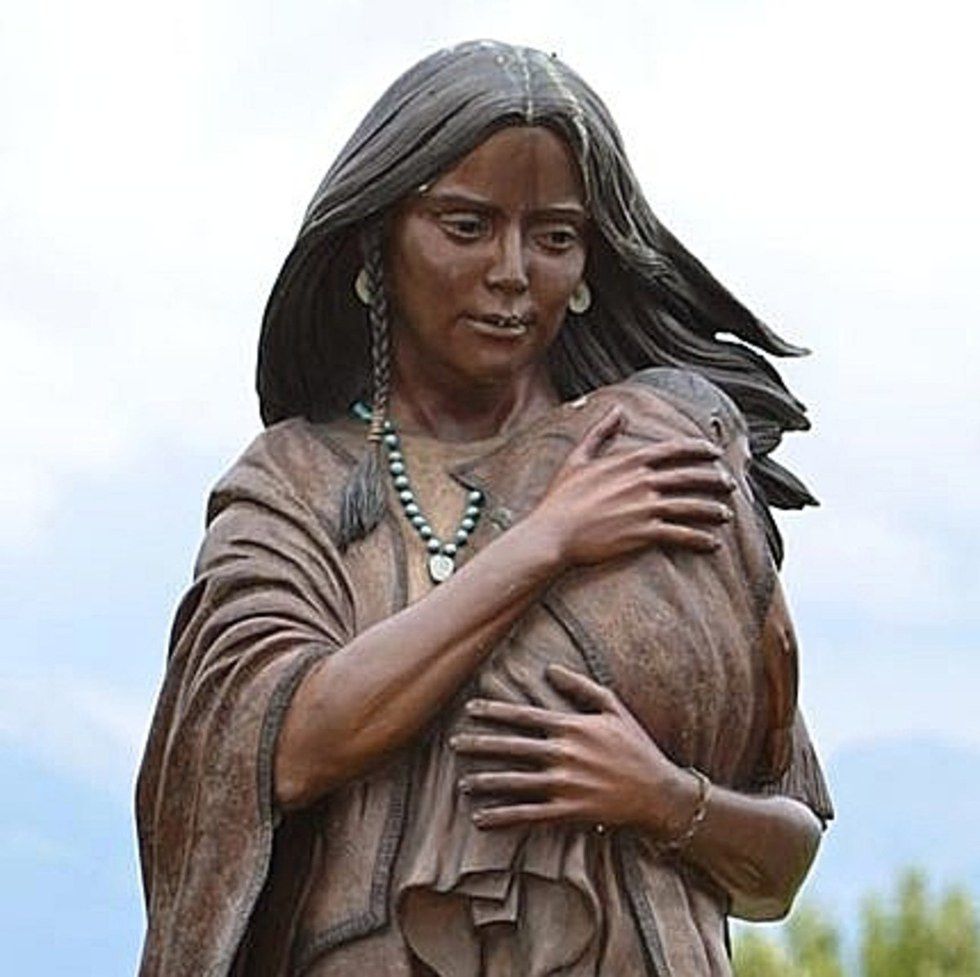
Sacagawea is known for her role in the Lewis & Clark expedition of the early 1800s. She was brought along for her knowledge of Shoshone, and because they thought a woman's presence would make them look less threatening. She had just given birth a few months before and then trekked halfway across the United States, all while carrying a baby on a cradleboard, and was not paid anything for her help. Her husband, a white trapper, was paid $500. Yes, she is known for her role in the expedition (her likeness appears on currency and she is a household name), but her disrespect at the time gives her a spot on this list.
2. Katherine Johnson and her fellow Hidden Figures.
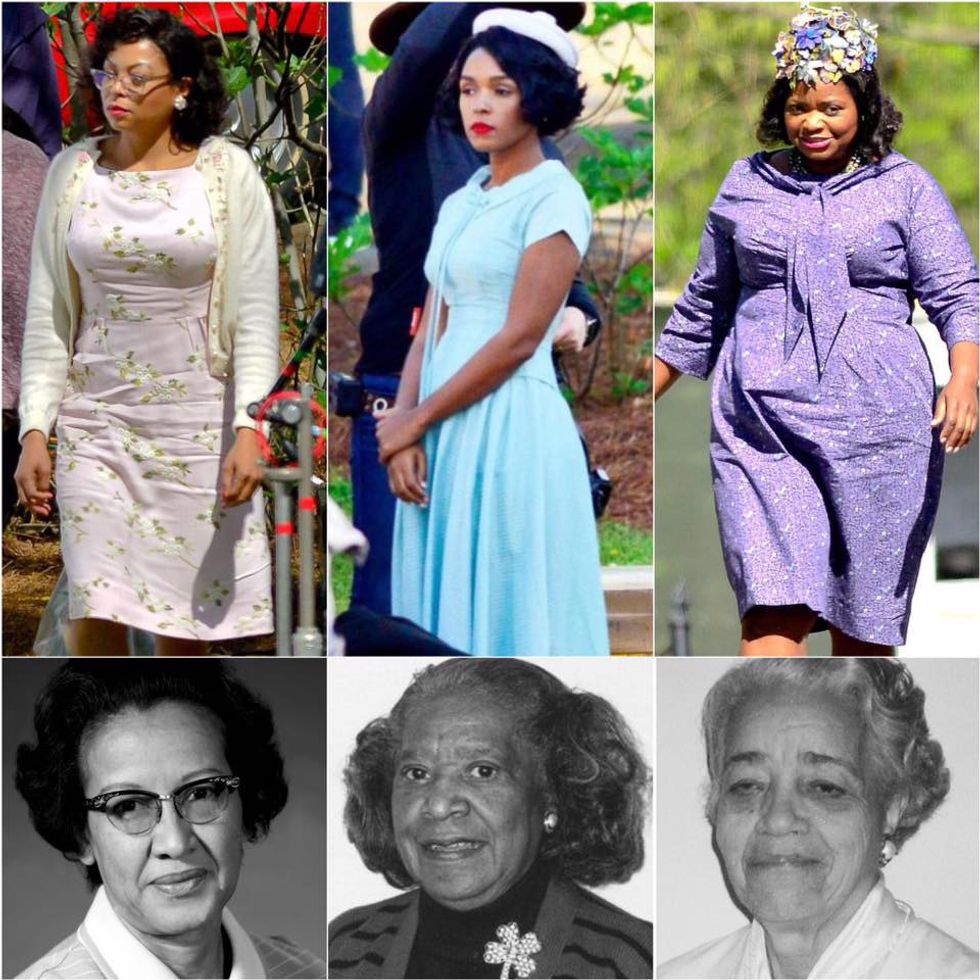
The real life women that inspired the book and movie Hidden Figures were Katherine Johnson, Dorothy Vaughn, and Mary Jackson. They were black "human computers" at NASA's Langley Research Center, based in the segregated West Computing Group. Katherine helped put John Glenn into orbit (later helping with the moon landing), Dorothy became a leader in fortran coding, and Mary became NASA's first female engineer. Katherine's calculations were often taken and credited to the male engineers working in her department. These women were geniuses by any standard - except by the white, male, mid-1960s standard.
3. Rosalind Franklin and DNA.
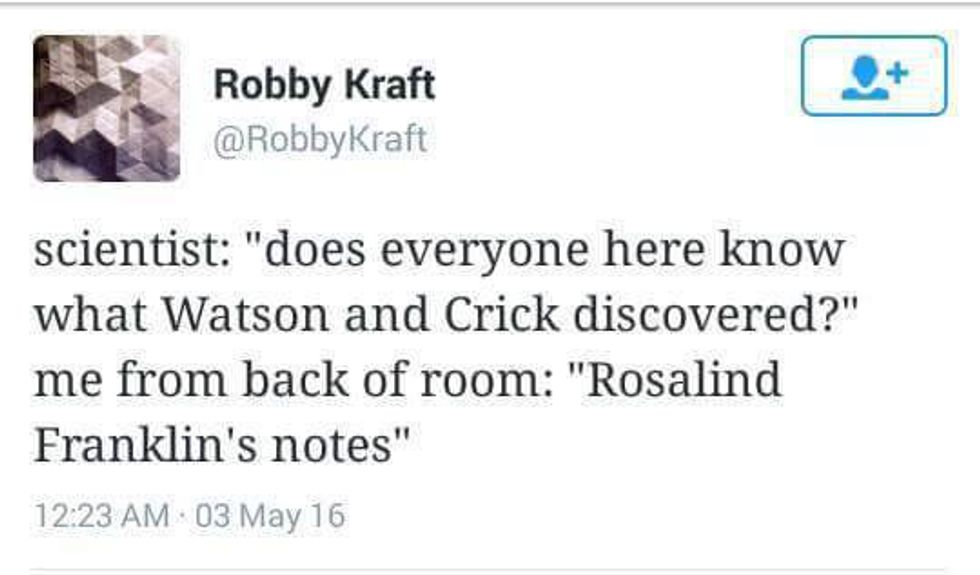
Rosalind Franklin studied X-ray diffraction that made Watson & Crick's discovery of DNA structures possible, but she was excluded from their paper about their findings. In his memoir, Watson says, "Rosy might have been quite stunning had she taken even a mild interest in clothes." Well, lucky for you, she took an interest in science instead.
4. Even the Nobel Prize committee doesn't give credit where credit is due.
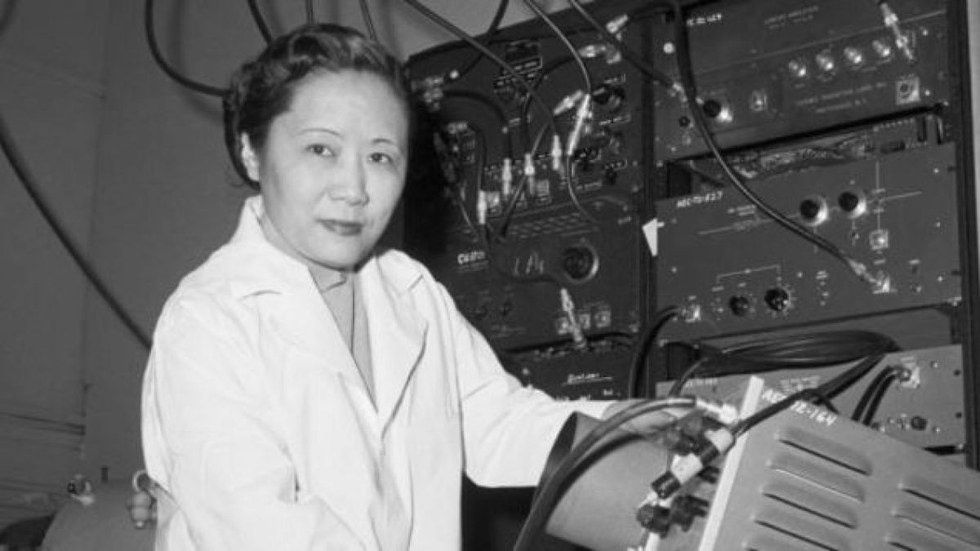 In 1956, the Nobel Committee for Physics passes over Chien-Shiung Wu (who worked on the Manhattan Project and designed an experiment that overturned the parity law of physics) in favor of - get this - the men that recruited her for the topic. They literally went out of their way to award the men that brought her onto the project instead of awarding her for her work.
5. Meet Lise Meitner, the mother of the atomic bomb.
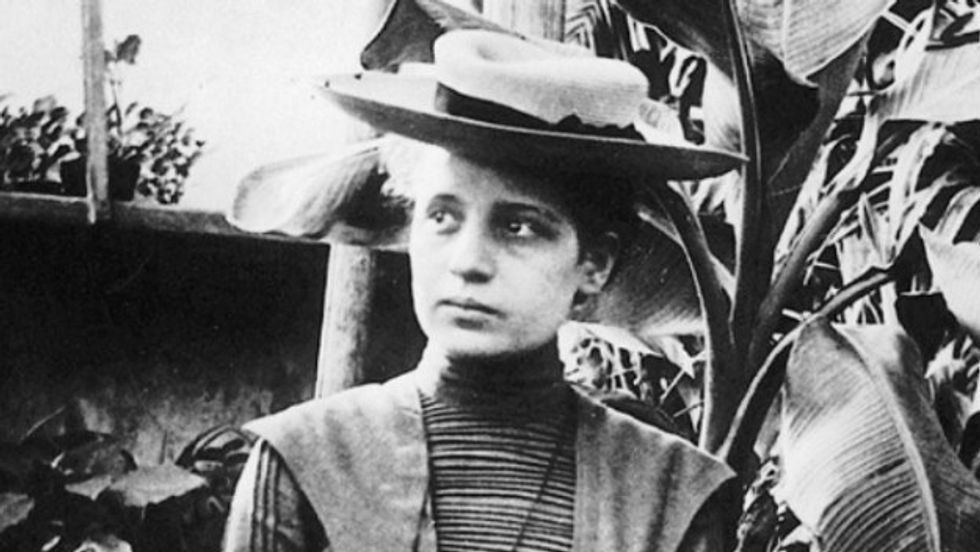
Based solely off of Otto Hahn's secondhand account of his experiments (Meitner was forced to leave Stockholm during the Anschluss), Lise Meitner works out the first model of nuclear fission as we know it. Hahn publishes the work and accepts the Nobel Prize while saying Meitner was merely an assistant. Sixty years later, Meitnerium is named in her honor, but it's too little too late. Meitner could have been the next Marie Curie had it not been for Otto Hahn.
6. The "Tiffany Lamp" should be the "Driscoll Lamp."
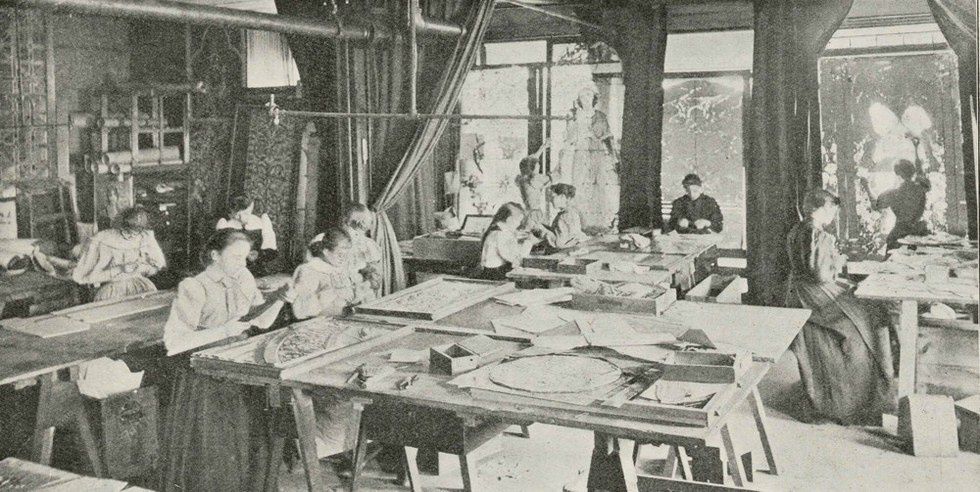 Louis Comfort Tiffany is generally credited as the creator of the famous Tiffany lamp. But this title should have been given to Clara Driscoll. Driscoll was the supervisor of the "Tiffany Girls," (generally called the glass cutting department) a group of talented women whose contributions were largely peripheral. But about ten years ago two historians combined independent research to conclude that Clara Driscoll and her girls had designed and executed some of the studio's most prized and valuable lamps.
7. Did you know "Hound Dog" is not an original Elvis tune? Me either.
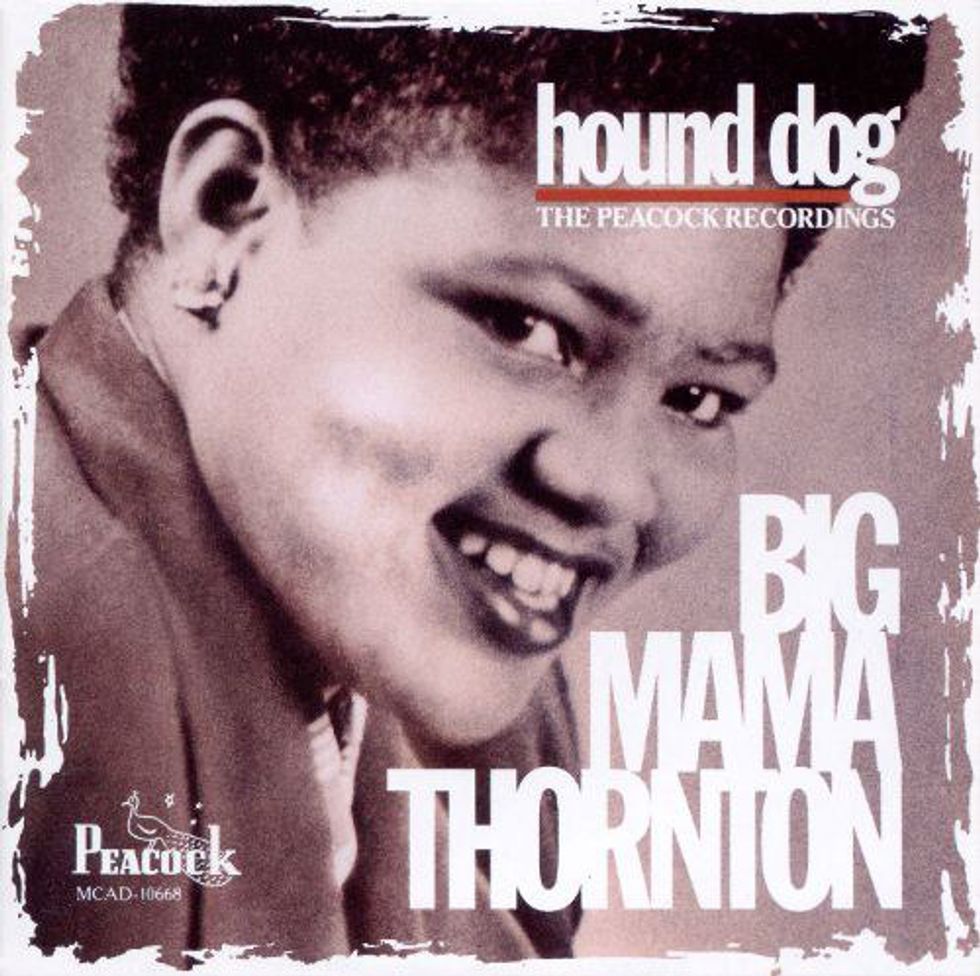
Willie Mae "Big Mama" Thornton originally records the sound "Hound Dog," which was written especially for her. Elvis Presley's more famous version is later featured in the Rock & Roll Hall of Fame as "the most illustrative example of the white appropriation of African-American music."
8. FDR is credited with the New Deal, but it wasn't his doing.
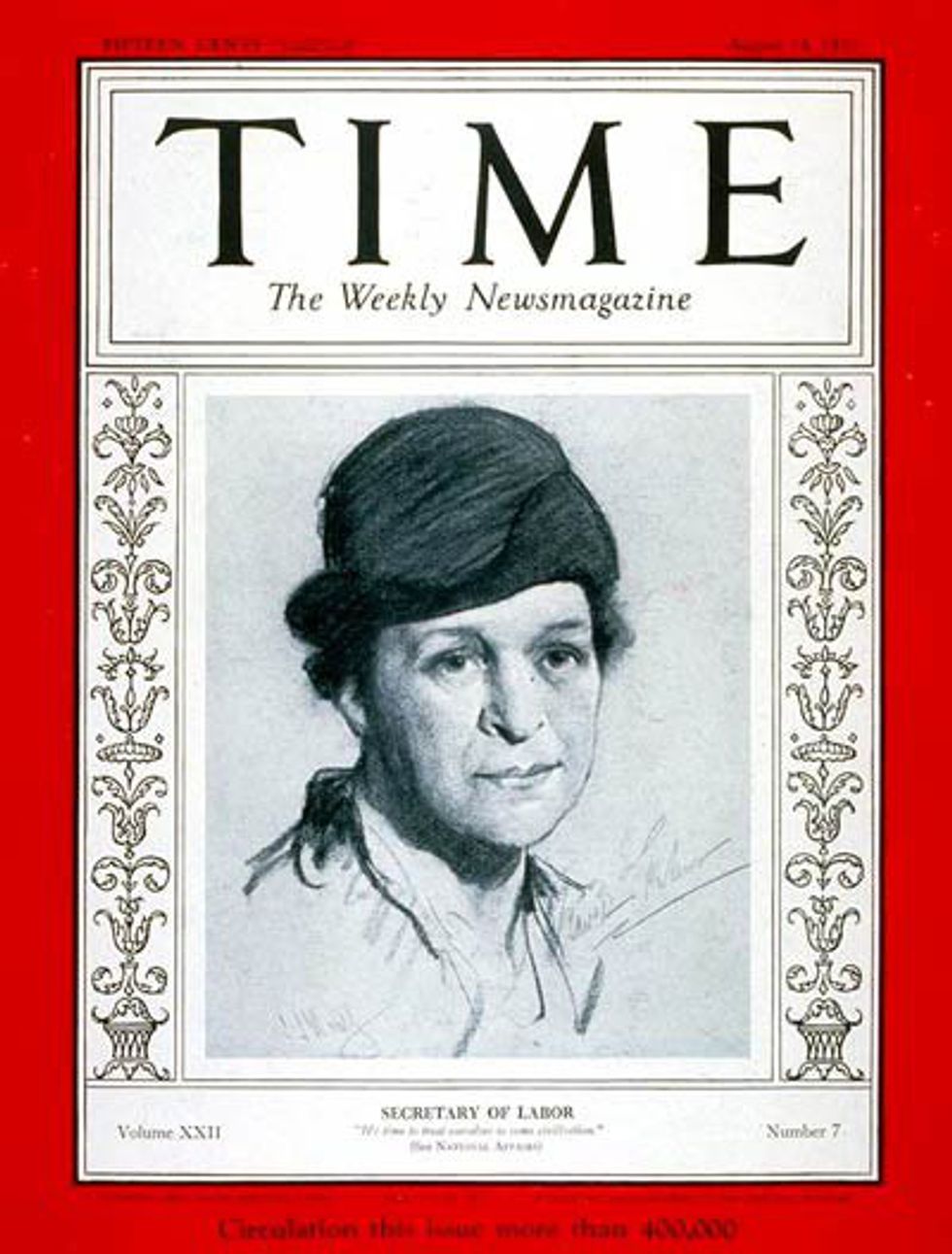
Frances Perkins, the Secretary of Labor during the FDR administration (and the only woman in his Cabinet), was behind the most instrumental New Deal programs like minimum wage, limitations on working hours, and the Social Security Act. If she had completely realized her vision, national healthcare would have been an American reality decades ago.
9. Ada Lovelace, the computer programmer who got no love for her work.
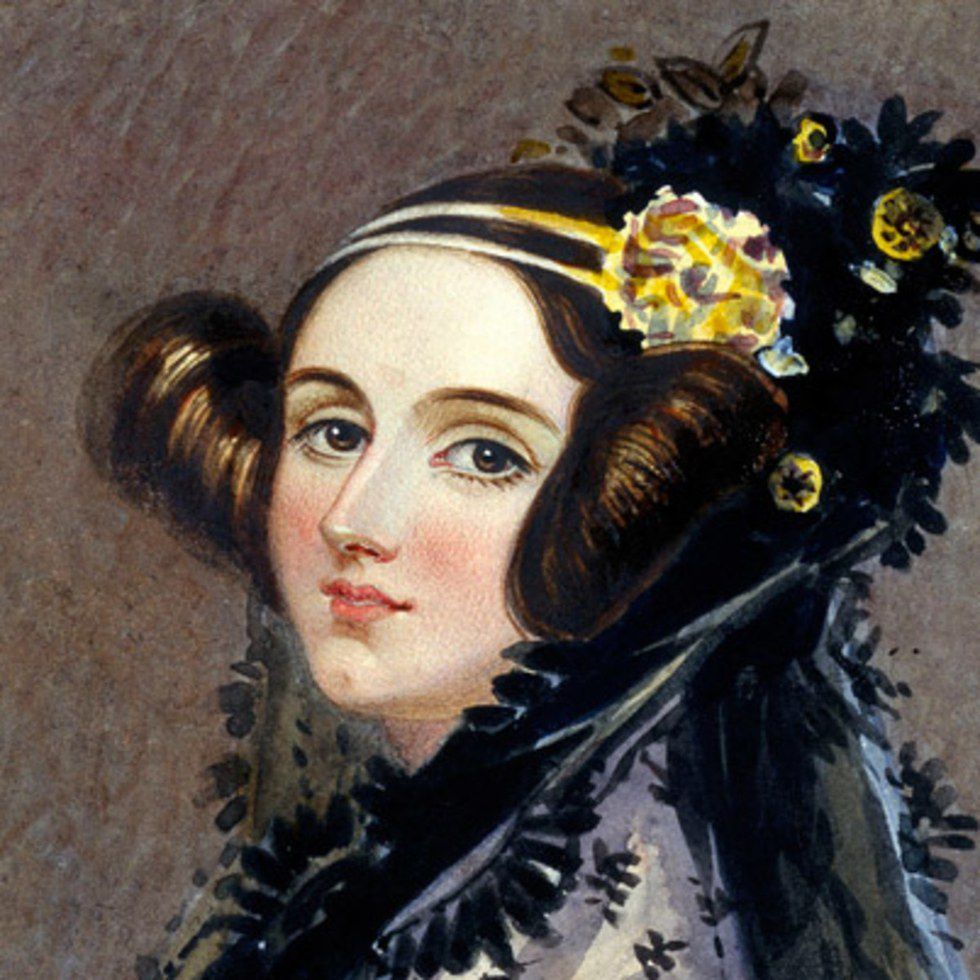
Ada Lovelace is now known as the first ever computer programmer, working with Charles Babbage in the 1800s on his "Analytical Machine," or the world's first "computer." Her addition's to Babbage's paper is considered the first program and algorithm, but she was often accused of being delusional and not being as intelligent as she thought she was, all while others stole her work and used it to improve their own. Today, Ada is a symbol of women in STEM, and October 15 is Ada Lovelace Day.
10. That Amy Adams movie with the big-eyed paintings is real.
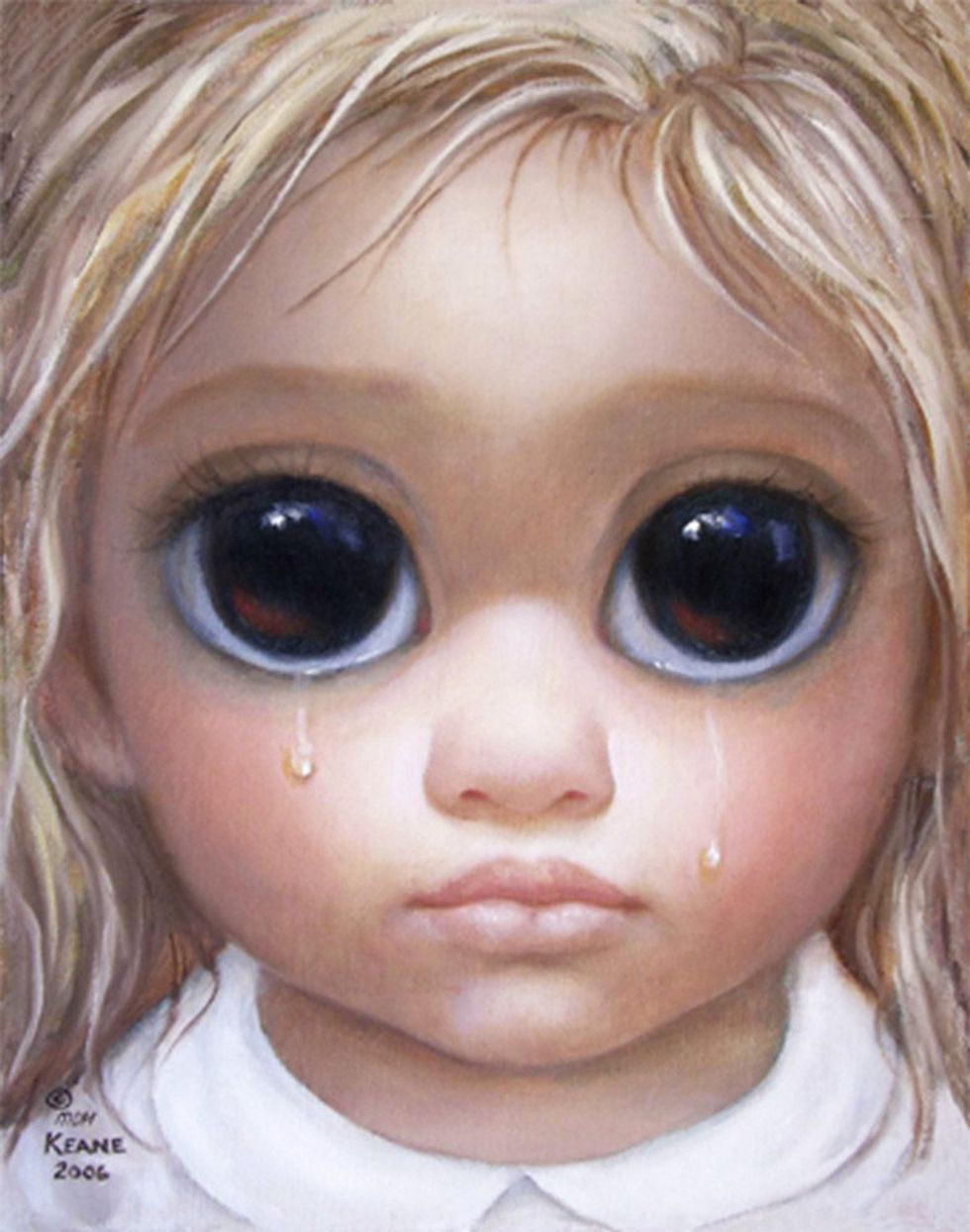
In the 80s, Margaret Keane sues her husband Walter after he takes credit for all of her work. After finally winning the case, Walter is too broke to pay her what is due.
With the advent of social media and feminism, it is harder in this day and age for men to do this to women anymore. It is easier for the woman to come forward and say that she is being wronged. But never forget these women and their contributions and their fights, because it is because of them that women today can do what we do.
Nevertheless, we must persist.
Happy Women's History Month.
Want to amplify your voice? Apply here to write for us: http://muse.theodysseyonline.com/apply