



Undertale is a seemingly simple video game that gave the world a surprise in its release in September 2015 with its charming humor, creative mechanics, and entertaining story. For an indie game with simple mechanics and retro graphics that don't hold up to the high-level action and graphics of more mainstream video games, its mass popularity led me to try the game out of curiosity. Not only did this video game give me more entertainment than any other game I've played in recent memory, but I gained some important life lessons on the way.
1. Fighting is never the only option.
The very basis of Undertale comes down to giving you the choice between violence and pacifism. From the beginning of the game, pacifism is encouraged and it's one of the more creative mechanics of the game. Each monster has different interactions in order to spare them, but figuring out how to end the battle peacefully shows how diplomacy, no matter how complex, is always worth it.
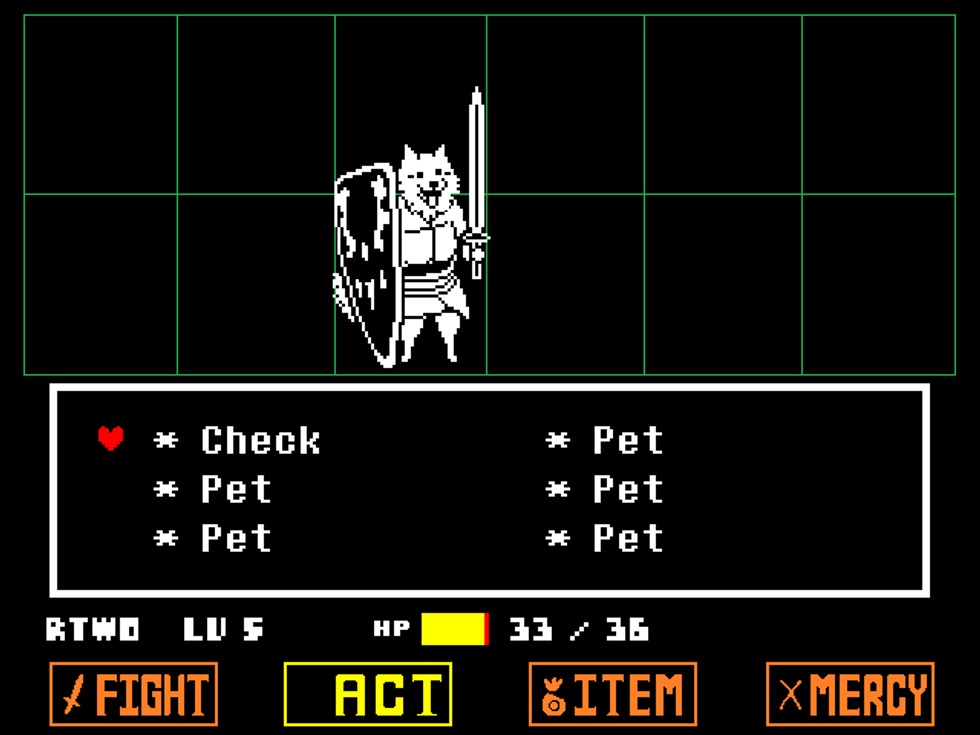
To pet or... to pet more, that is the question.
2. Give others a second chance.
Most of these monsters are out to kill you for justifiable reasons, but even giving the most relentless ones a second chance pays off. Indeed, without giving all of these monsters a second chance, I would have missed out on one real date, one fake date, and the most intense cooking lesson of my life.
3. It's important to keep a sense of humor.
Undertale does a great job of peppering a goodhearted sense of humor throughout the game. If the situation of being a lone child in a land where monsters want your soul for freedom can be relieved with some harmless puns and jokes, then some goodhearted humor can be used to make almost anything better.
4. There are Consequences for your actions.
The game always remembers your actions and it shows from just a single kill in a play through. In fact, the player gets called out if they reset the game right after an accidental kill of the first boss, which shows that this is not the average game that one could constantly save and restart for favorable results. Committing mass violence even taints the other playthroughs, even if the player never kills another monster again.
5. ... And the only way out is hacking.
Extreme completionists who don't like the permanent consequences must literally hack into the game and manually delete all evidence of their guilt. Perhaps one day life hacks will be able to get to this level, but for now I'll settle with how to dry laundry faster and how to keep wires from falling off the table.
6. Keep your head in the game.
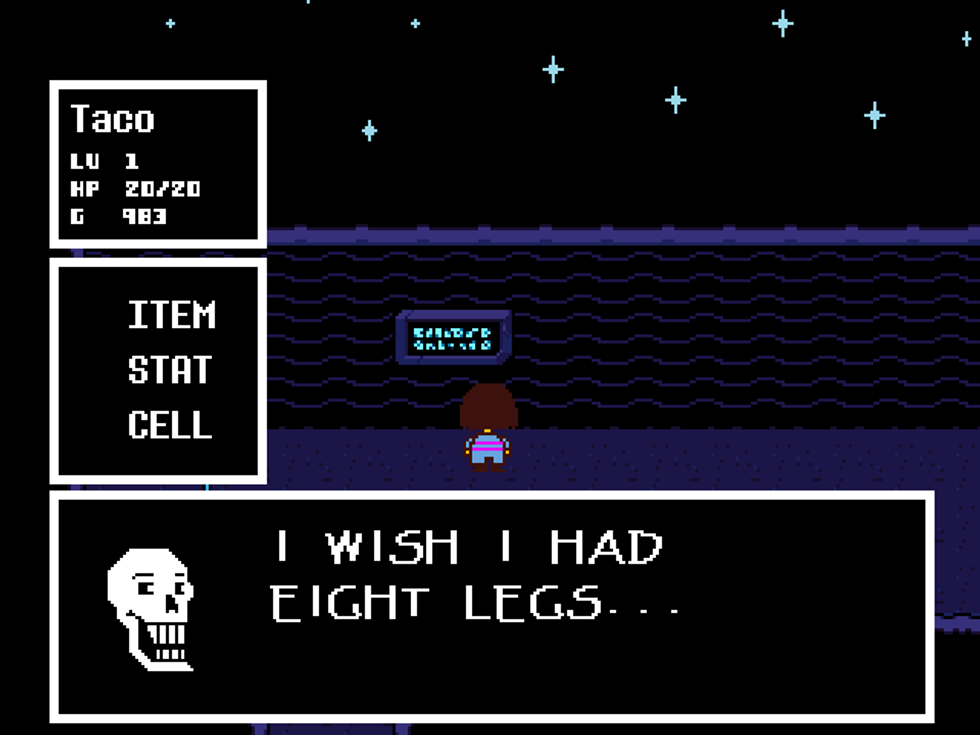
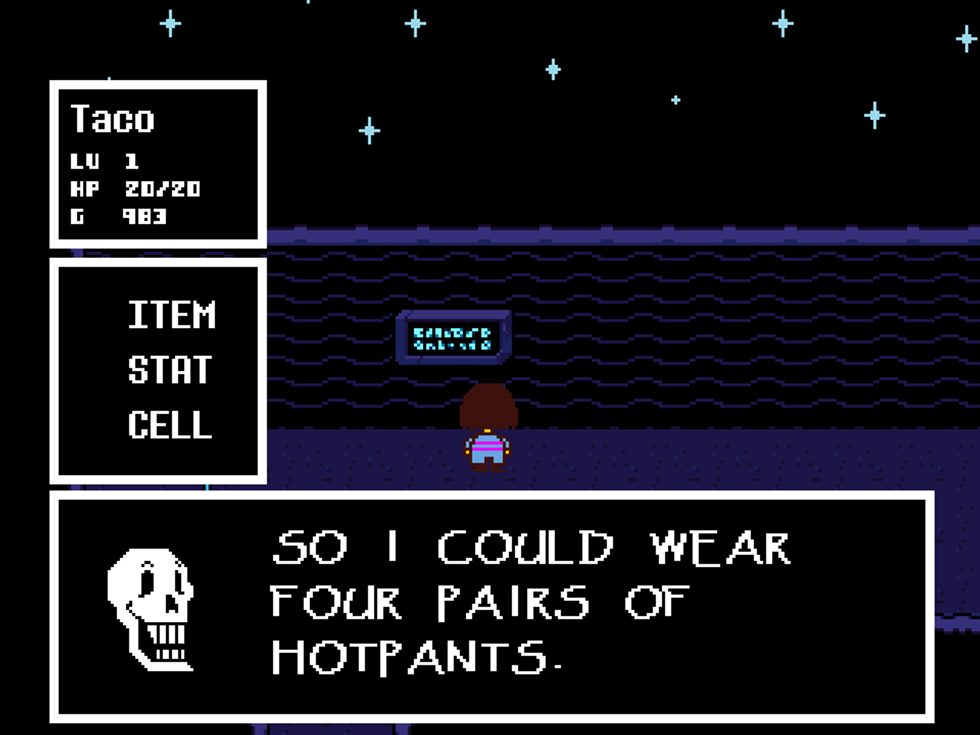
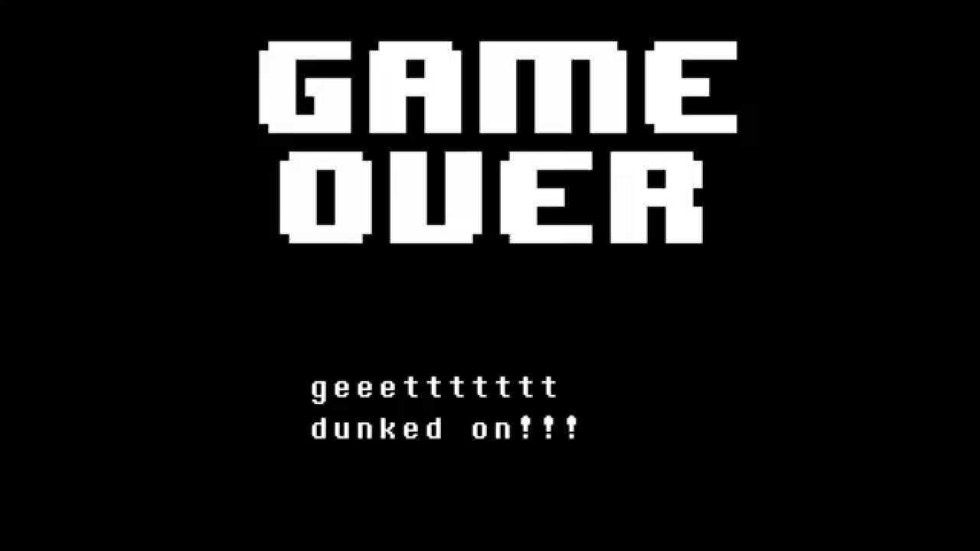
Always keep your head in the game, even until the very end. Not keeping your head in the game has unfortunately led to a high number of unfortunate slam dunks. Don't get dunked on, keep your head in the game.
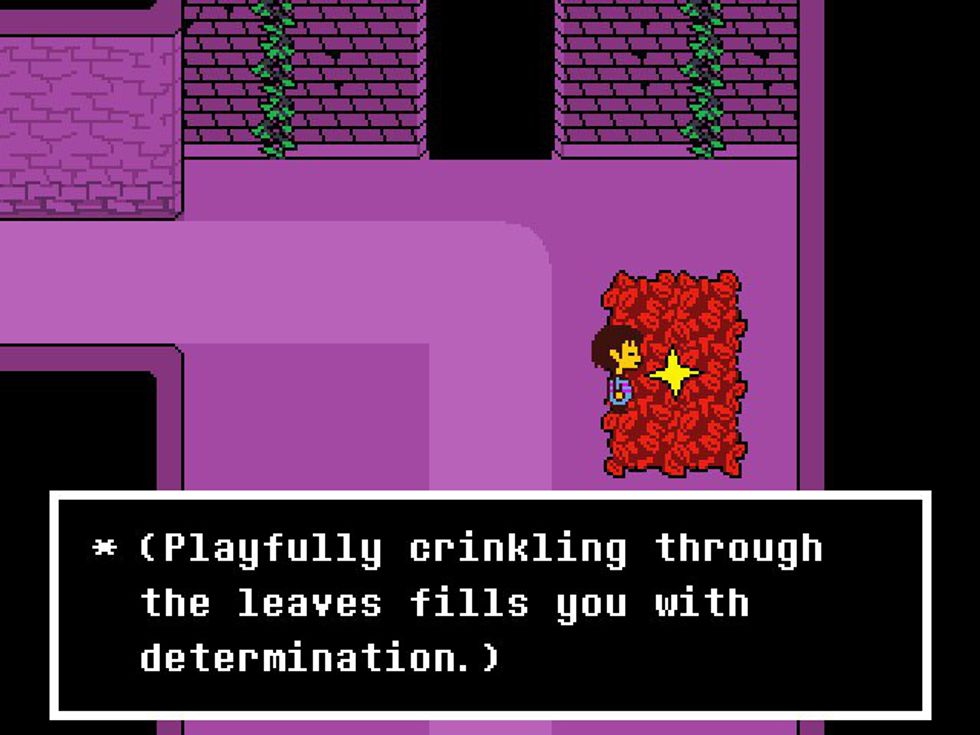
7. Stay determined.
Literally everything in the game gives the main character determination. Sometimes it's the sight of a nice, welcoming town. Sometimes it's the sight of a mouse attempting to get cheese that has been enveloped by a magic crystal. Other times it's the sight of a conveniently shaped lamp. If only determination could come so easily from homework.
8. The best way to defeat celebrities is by overwhelming them with popularity.
Getting through the underworld's prime robot celebrity by constantly increasing the number of viewers until he's overwhelmed with the fans and can't bear leaving them gives an important lesson on how to deal with these public figures in a society obsessed with celebrities. Based on this lesson, one can hypothesize if all else fails, overwhelming politicians with fans will keep them as an entertainment figure rather than an actual policymaker.
9. Spiders make horrible businessmen.
Basic economics teach that pricing should be determined by supply and demand. Elevating the price of a low-demand good does not make up for the lack of demand, nor does glaring at the customer as they hesitate to say no. Threatening to kill those who are not able to afford such good also does not make up for the lack of demand.
10. Kindness pays off... until the next reset
The happy ending leaves all of the characters satisfied without exception. But the next time the game is launched, the game asks if it's really worth resetting, to steal the happiness of the characters, even if the aim is to experience the happy end again. It asks if there is any point to the kindness if it's just going to be reset, if it can just be taken away to go through the violent path just for the sake of knowing what happens.
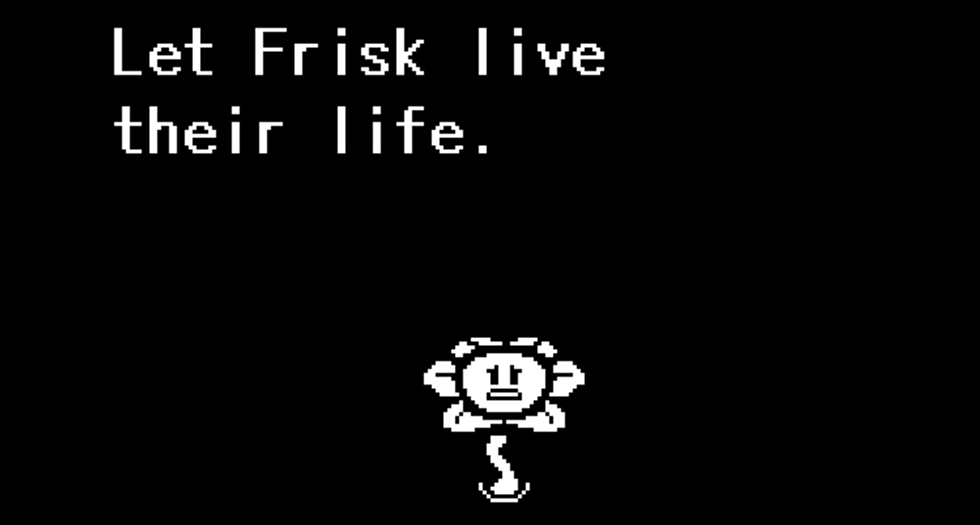
Despite the more humorous lessons, Undertale shows that sometimes it's best to live and let live, and that is one of the most meaningful lessons I've learned from a video game.
















