Here's a haphazard list of worthwhile books to read. Struggle, inspiration, science, a little pop-culture, success, and creativity, this list is has a bit of everything to cover all bases.
1. Like Water for Chocolate
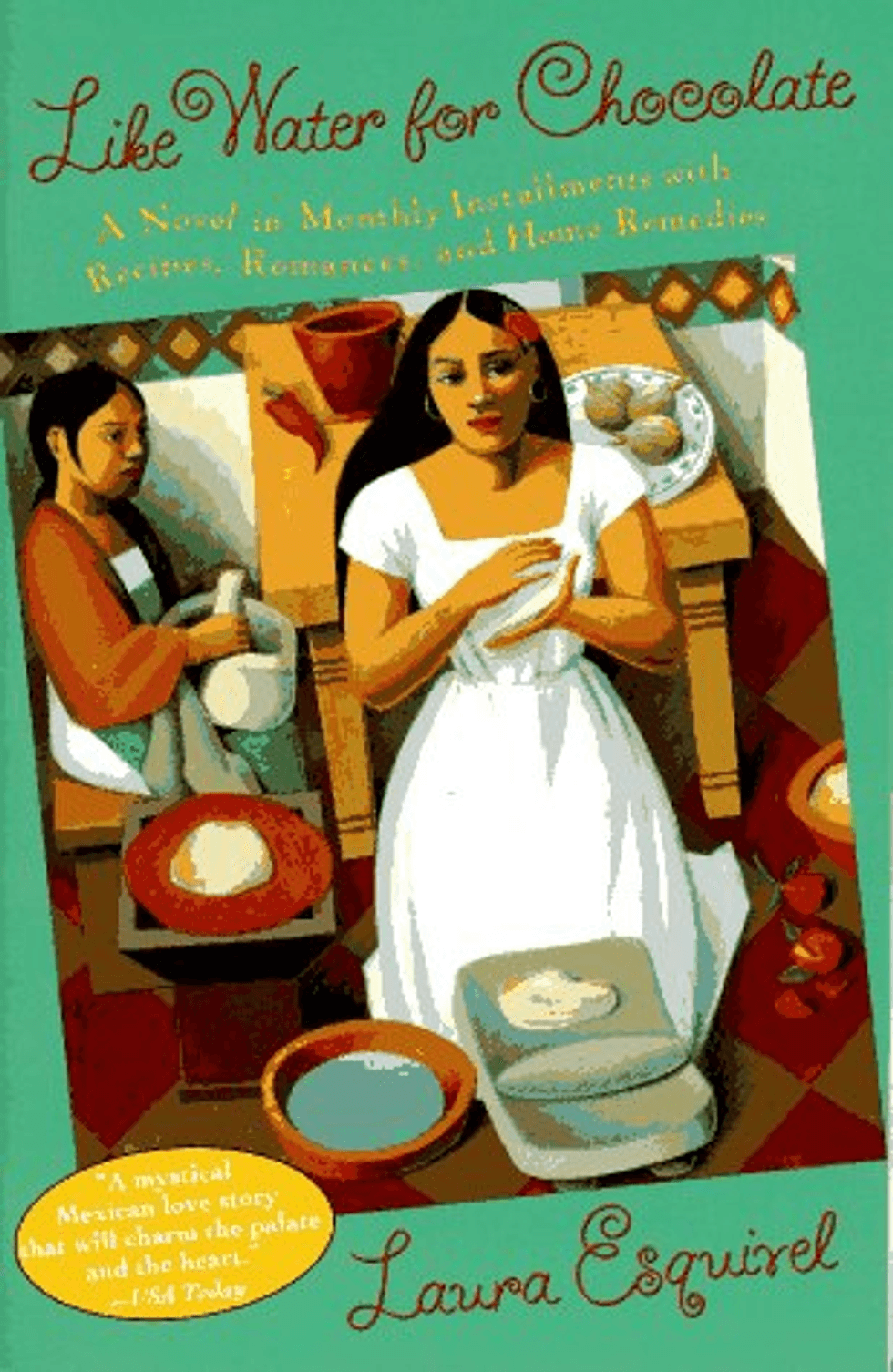
Set in turn-of-the-century Mexico, a revolutionary time, this novel covers everything from romantic love to family obligations and balancing self-sacrifice to household traditions with the need for self-expression. Magic and food, mothers and daughters, follow the experiences of "servant-hearted" Tita de la Garza as she translates her passions into cooking, as her way of handling the inability to be with the man she loves. Told in nine monthly installments, check out Like Water For Chocolate. Recipes included.
2. Is Everyone Hanging Out Without Me? by Mindy Kaling
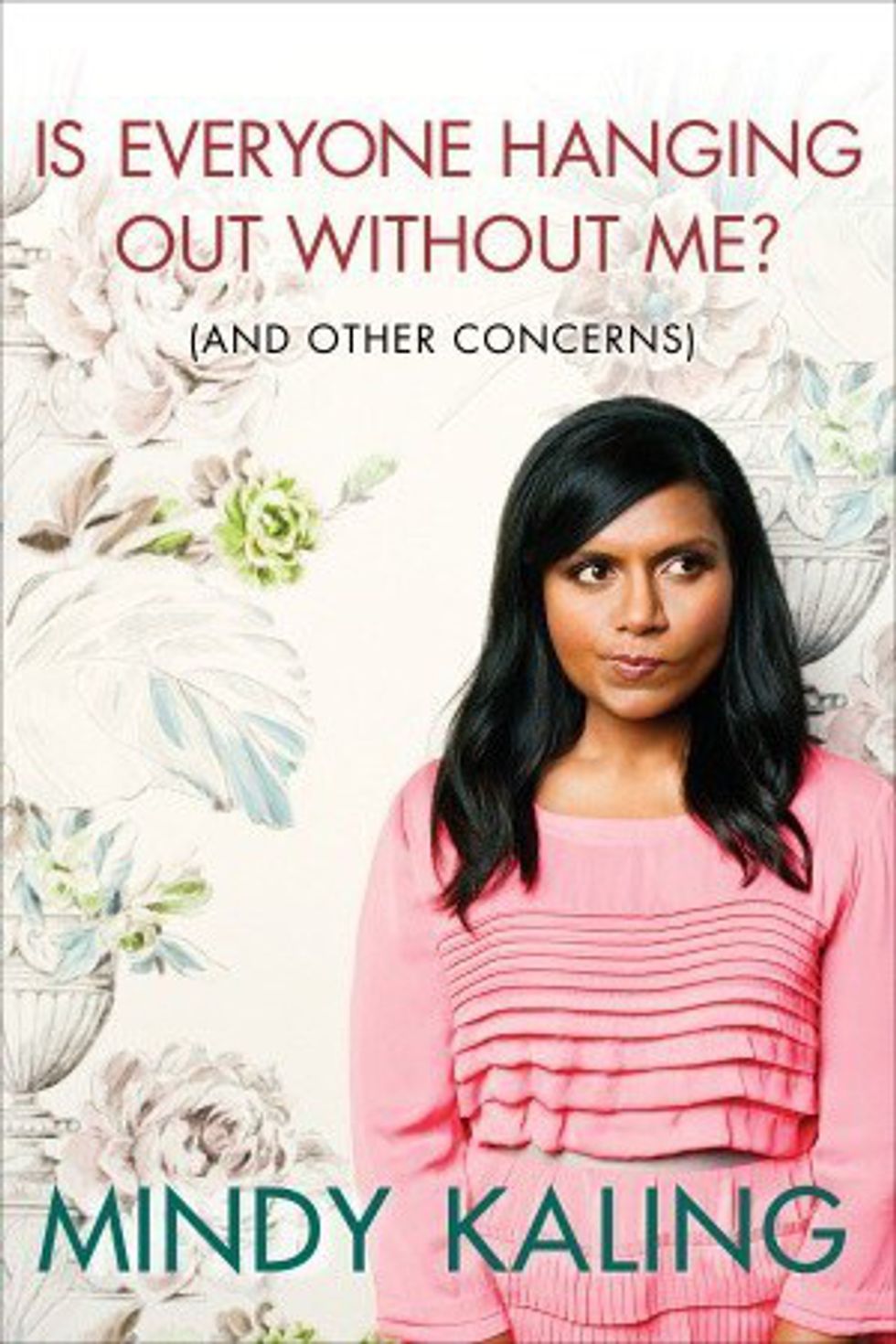
If you're in the mood for something light, conversational, and entertaining, then consider reading actress, comedian, and writer Mindy Kaling's personal memoir. Filled with witty essays, observations, and details about her transition into celebrity-dom, it's a book with a contemporary look at friendships, relationships, and some honestly embarrassing moments. Despite having a lot to do for classes, adding a little bit of Mindy Kaling's flair into your spare-time reading is always a good idea.
3.The 4-Hour Work Week: Escape 9-5, Live Anywhere, and Join the New Rich by Timothy Farris
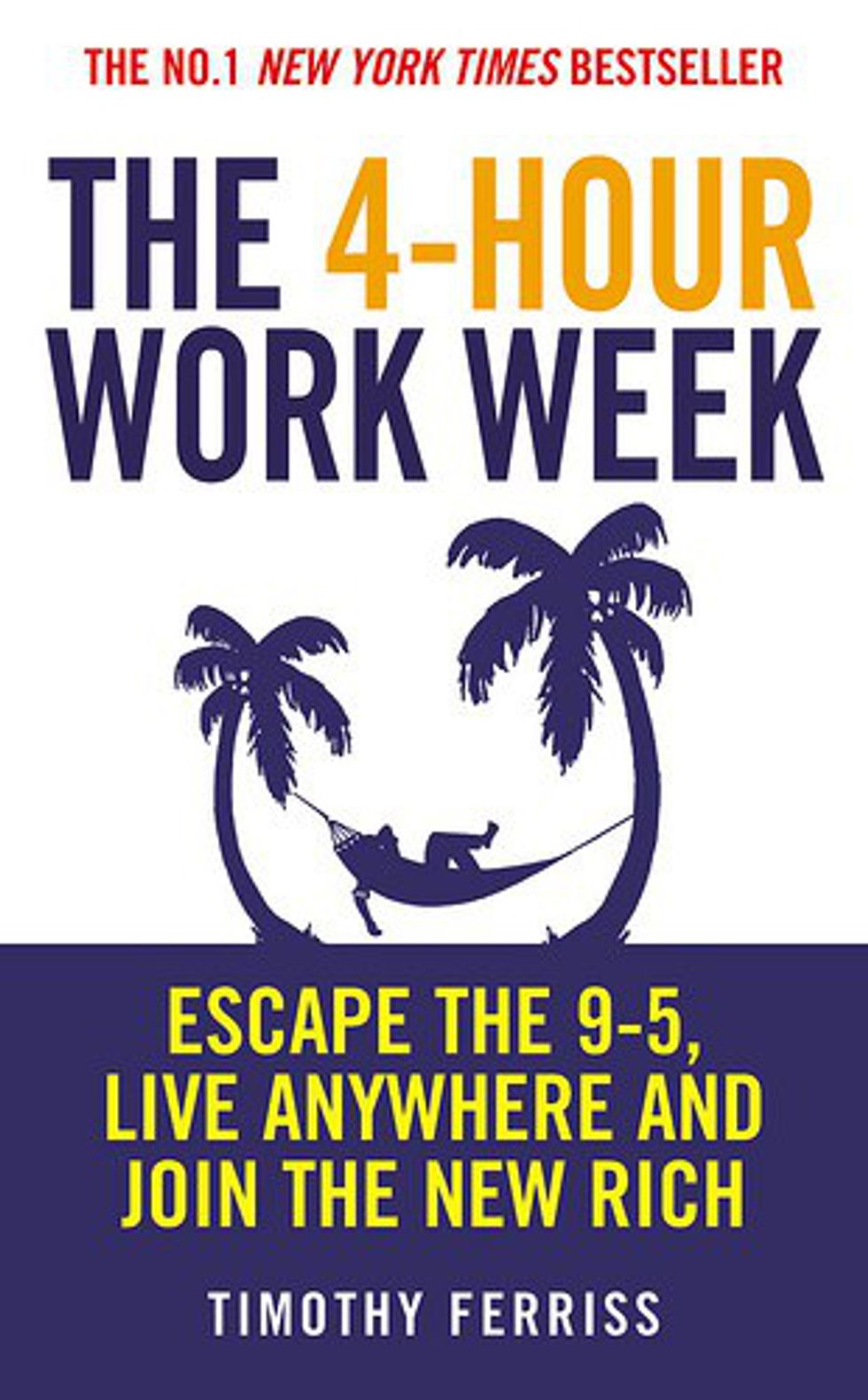
This is one of those really successful books that constantly makes Amazon best-seller lists and has a hefty amount of international sales (with over 1,000,000 copies sold). I'm usually a little skeptical of irrefutable claims as "#1", but The 4-Hour Work Week really is a must-read. A self-improvement book of sorts, not only does it draw attention to contemporary workaholic lifestyles, but it offers an approach to "lifestyle design" that rebukes our conceptions about work and creativity that is all-over refreshing.
4. The Defining Decade by Meg Jay
To give some background info, this book is written by a practicing clinical psychologist whose goal here is to defend the importance of your twenties from those who recently make claims about how "thirty is the new twenty". There are some mixed reviews about it. Some say its enlightening to listen to expert advice on how they should spend their time, but some of the author's assertions make others angry. Either way, this book stands as a conventional guide for those who do want to make more of this time after college ends.
5. Just Kids by Patti Smith
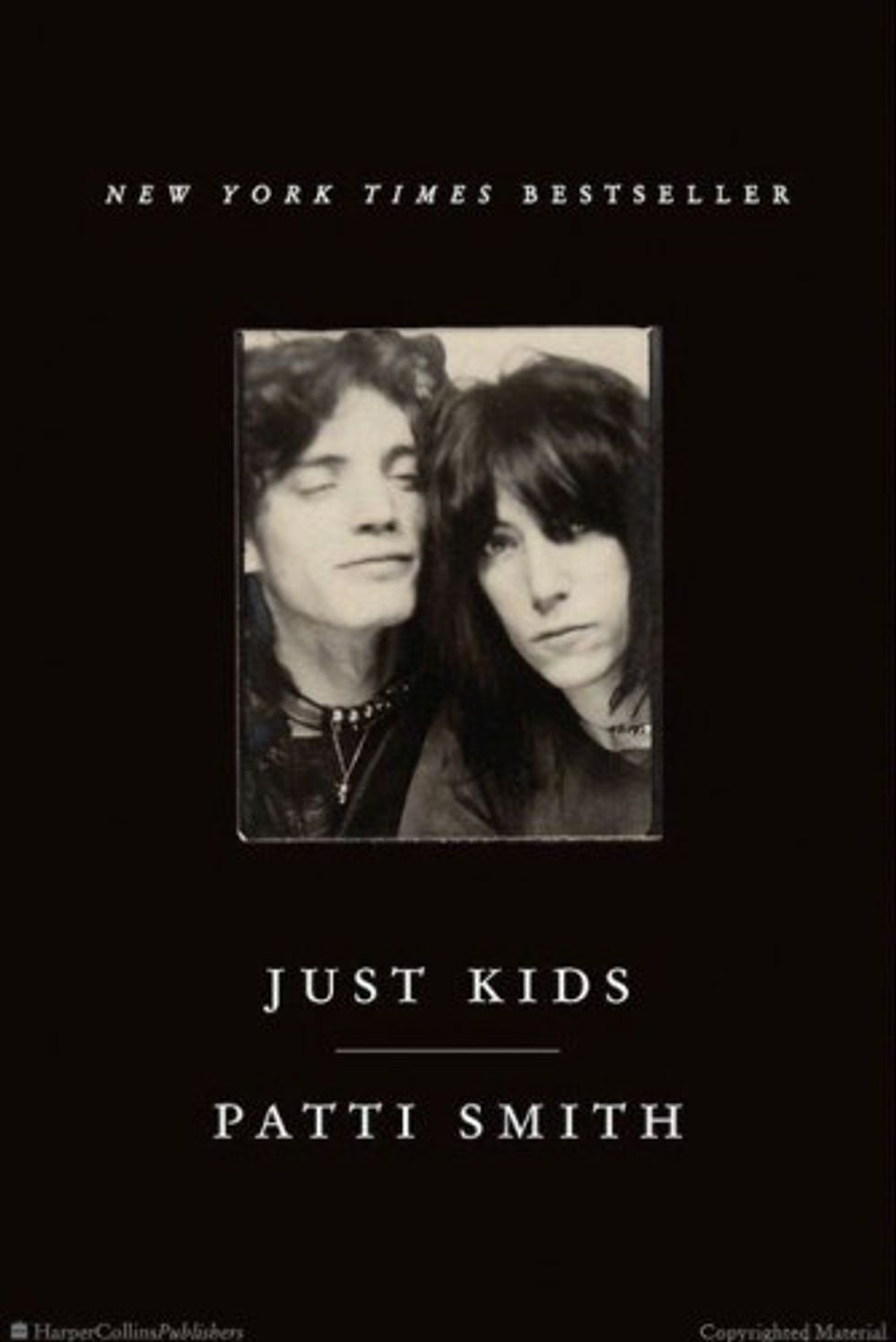
This is the memoir of punk/rock singer-songwriter Patti Smith. It's also her first work of prose, reflecting on her life prior to launching her career as a musician. Leaving her earlier life behind, she moves to New York City in the late '60s into the early 70s, where she spends her 20s as a young artist, I guess you could say, finding herself. She's exploring love, art, music, and poetry. The memoir focuses on descriptions of her past relationship with artist Robert Mapplethorpe and her early influences living in the city. (Guest appearances grace corners of this novel, marking this unique time period, as she encounters names like Andy Warhol and Alan Ginsberg.)
6. The Street by Ann Petry
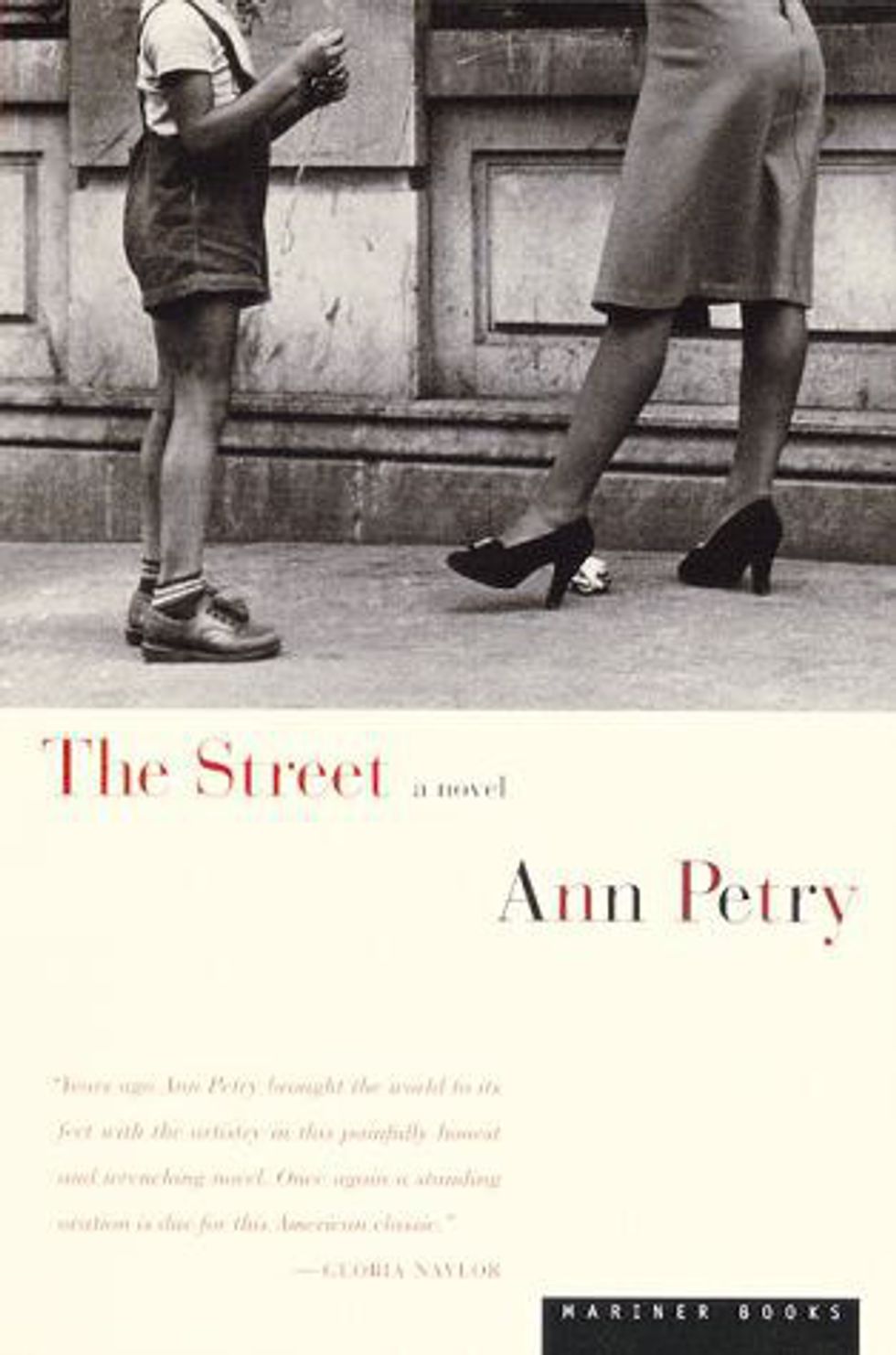
Some fictional stories evoke sentimental emotions, leaving echoes of feel-good insight about life. Well, expect instead from this story themes that are difficult to resonate with so softly. The Street's narrative follows the journey of a strong woman, an African-American single-mother; she battles the forces of everyday societal limitations set against her hopes of giving her son a better life off "the street". Published in 1946, these messages still prevail today, and are worth thinking about within the heart-breaking context of protagonist Lutie Johnson's story.
7. Native Son by Richard Wright
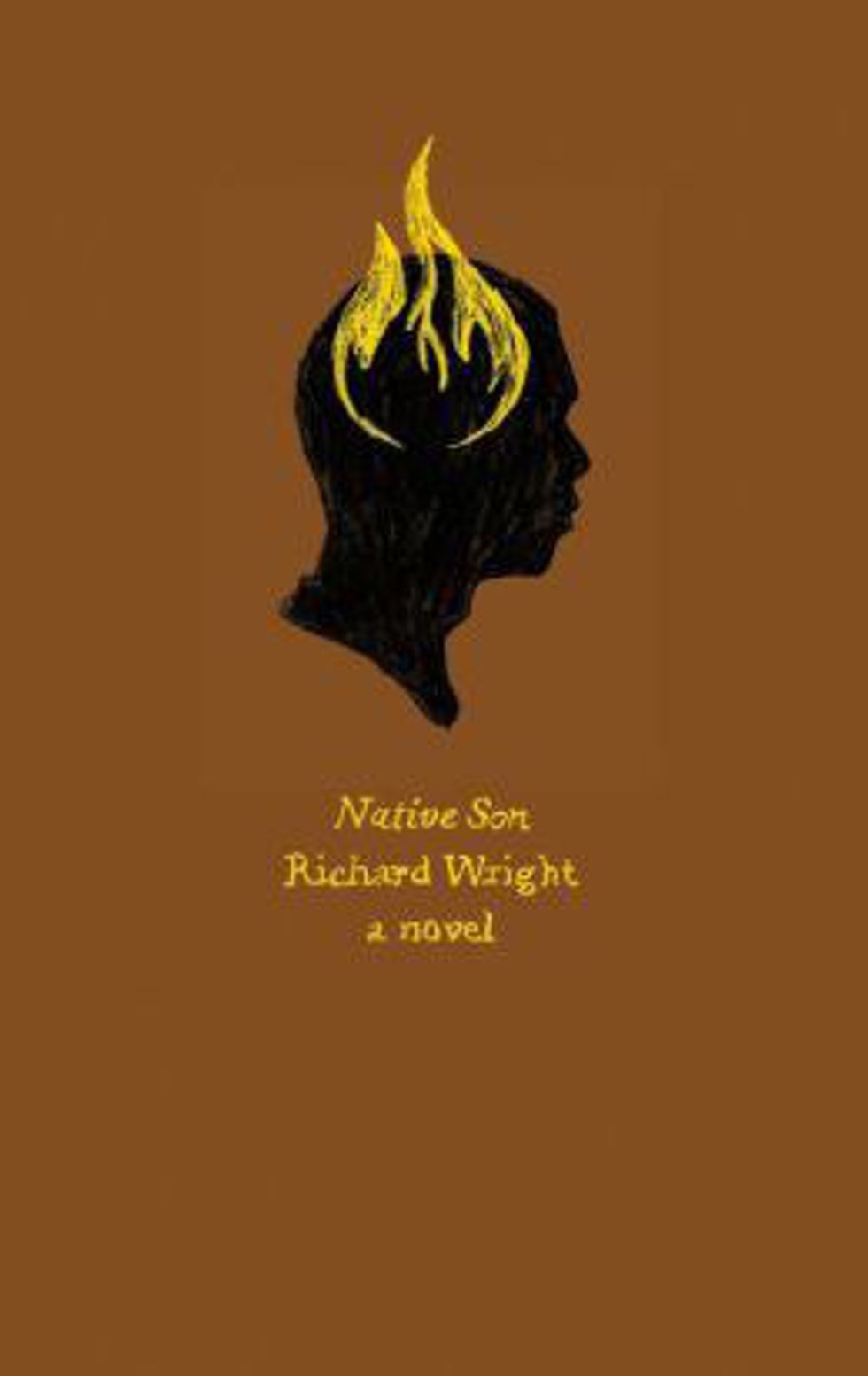
This book historically has changed things—and it's impact has not disappeared. Published in 1940, this narrative is roughly about African-American Bigger Thomson and his struggles with living in poverty. Crime, violence, and murder only graze some of the issues covered in the novel that launched author Richard Wright into fame. As a leading black American author (considered the father of the genre), his novels changed American perspective on racial tensions existing at the time (which are still relevant today), particularly between poor African-Americans and the wealthy white.
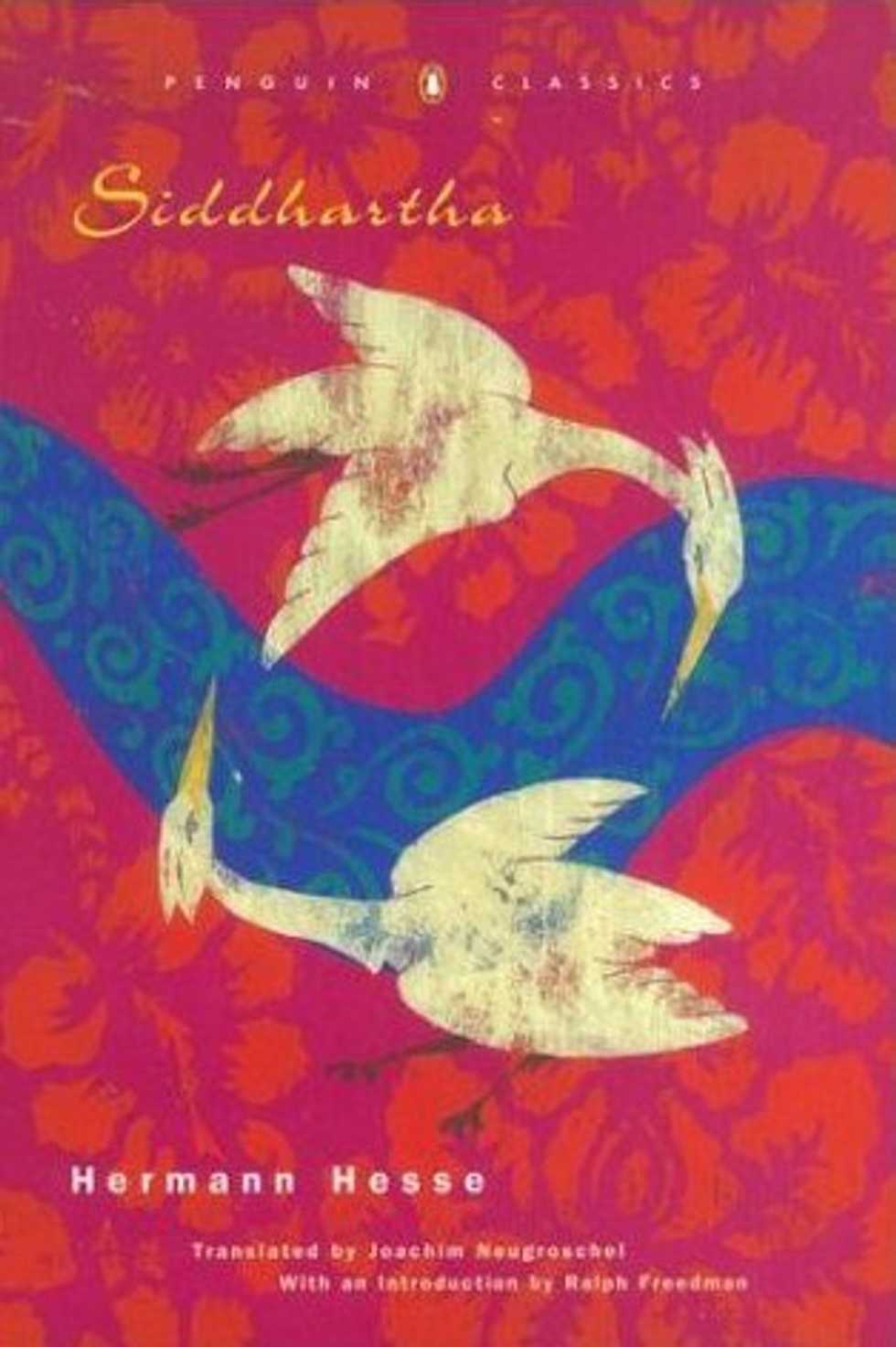
8. Siddartha by Herman Hesse
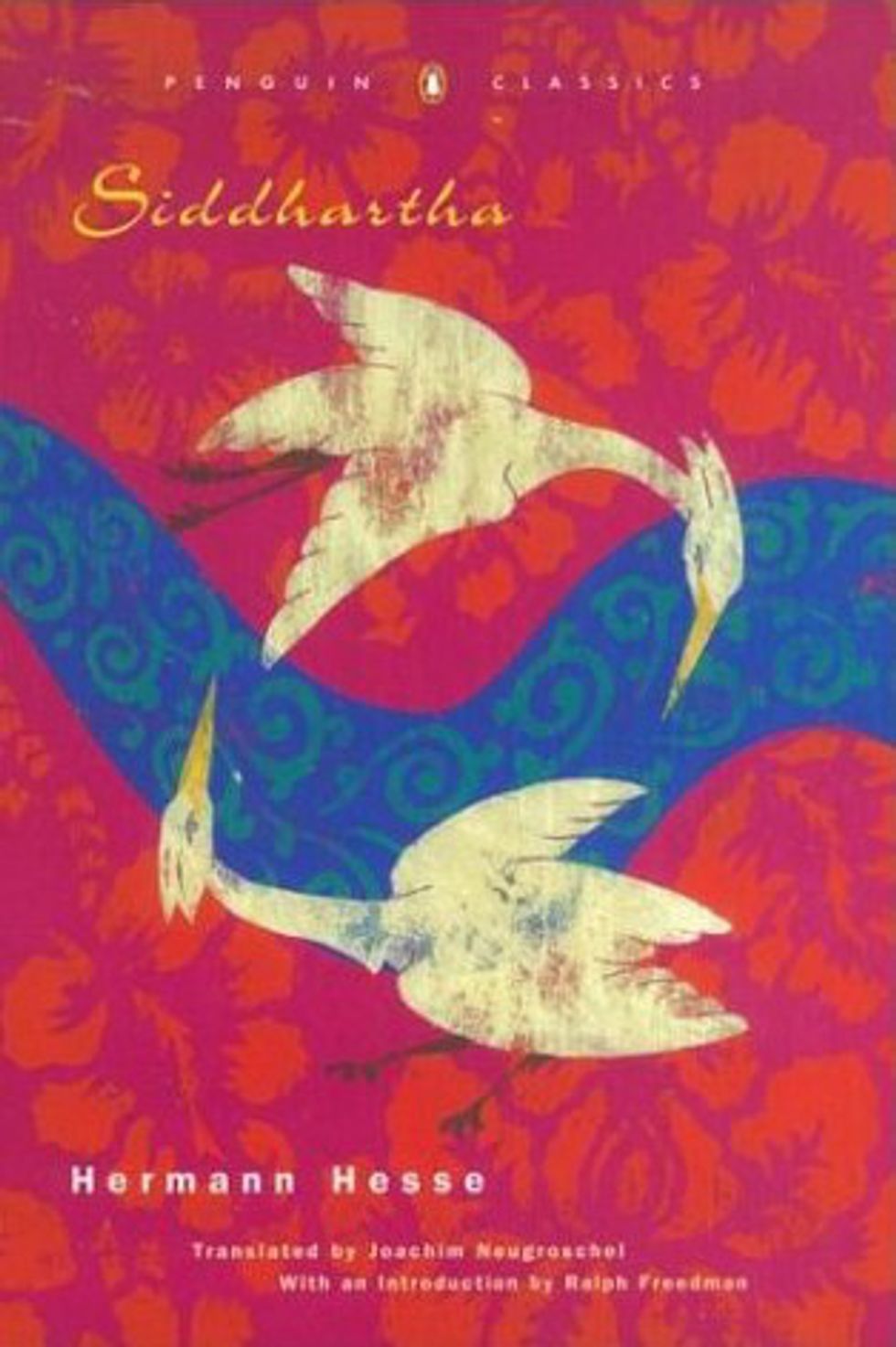
In brief (minus revealing details), this is a story of self-discovery. Written in 1922 in Germany, then published in the US in 1951, Herman Hesse's Siddhartha follows the protagonist's journey in ancient India. Journey to what? For what? Well, with themes of spirituality, society, and the self, Siddhartha reaches many stages in his life—always he is searching and questioning—which reflect profoundly on being. It's about experience and a seeking for enlightenment, making this a read worth reflecting on.
9. Wouldn't Take Nothing For My Journey Now by Maya Angelou
Really anything by Maya Angelou is an encouraged read--I Know Why the Caged Bird Sings is Angelou's critically-acclaimed classic, which stands out among her series of autobiographical words. But this book, Wouldn't Take Nothing For My Journey Now, is the first of her three published book of essays. Sometimes called her "wisdom-book", it shares her personal experiences as simply being a woman enduring life. This one is a short and motivational.
10. A Short History of Nearly Everything by Bill Bryson
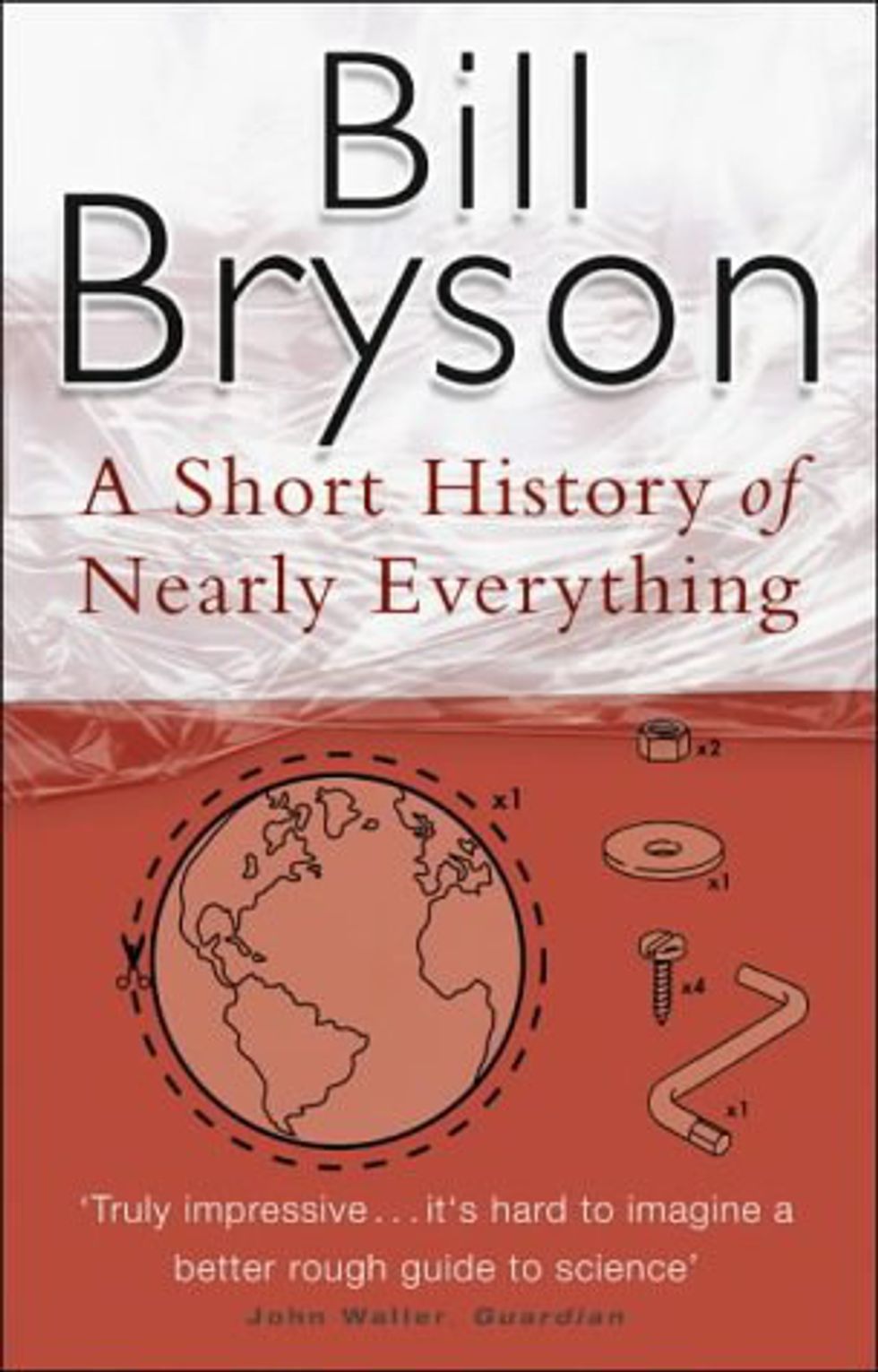
And lastly, A Short History of Nearly Everything covers as much as it's name entails: exploring how scientific discoveries were made, recognizing the amount of knowledge we have currently, and revealing facts about everything from atoms to the universe at large. Neatly packed into one nonfiction book, Bill Bryson balances the technical stuff in a way that can appeal to an array of readers—so it's ideal for the specialized scientist who might want a surmise of the big picture, or as an introduction for those curious ones who want to think about science with a sharpened perspective.