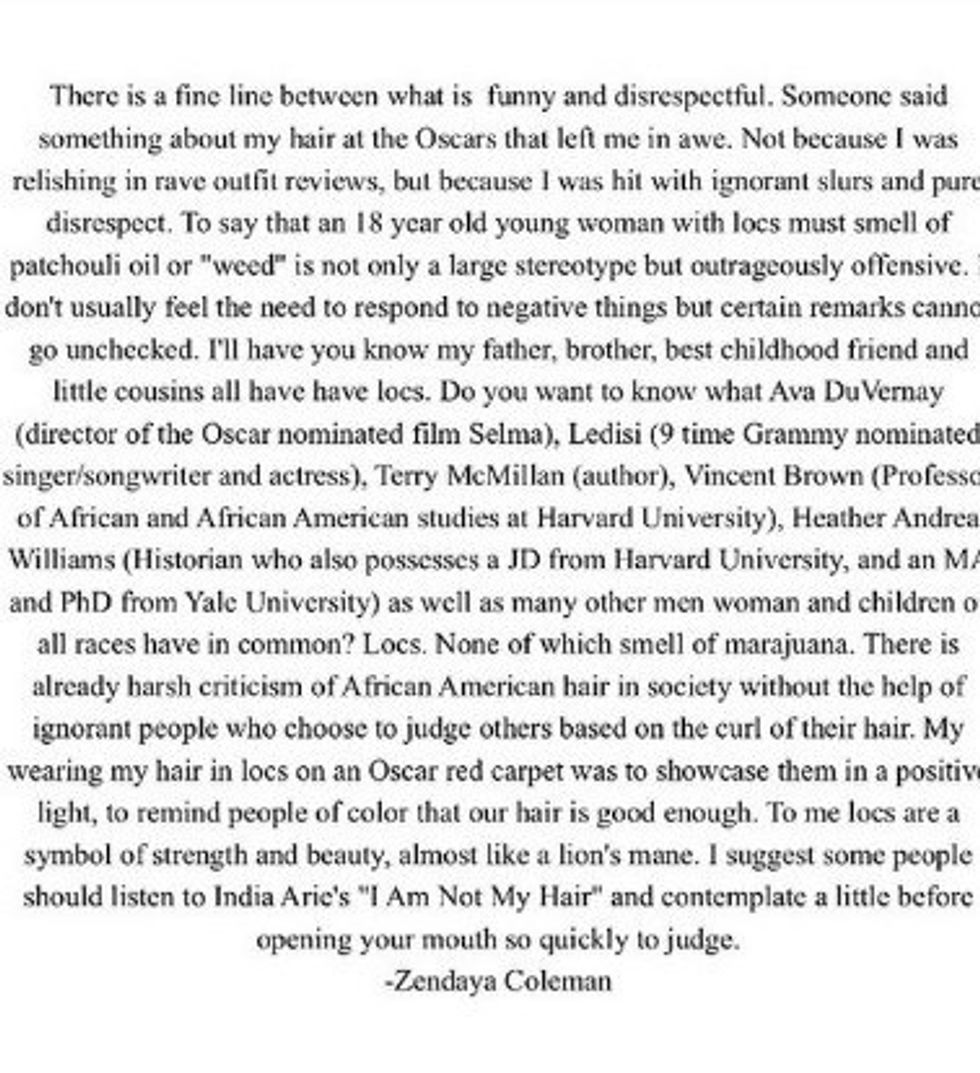
Back in February 2015, on a special Oscars episode of Fashion Police, Zendaya Coleman’s hair was said to have probably “smelled like weed and patchouli oil.” Although the circumstances around the comment are not definite, it opened a conversation on African-American hair. In a response, Coleman addressed the criticism of black hair “in society without the help of ignorant people who choose to judge others on the curl of their hair.”
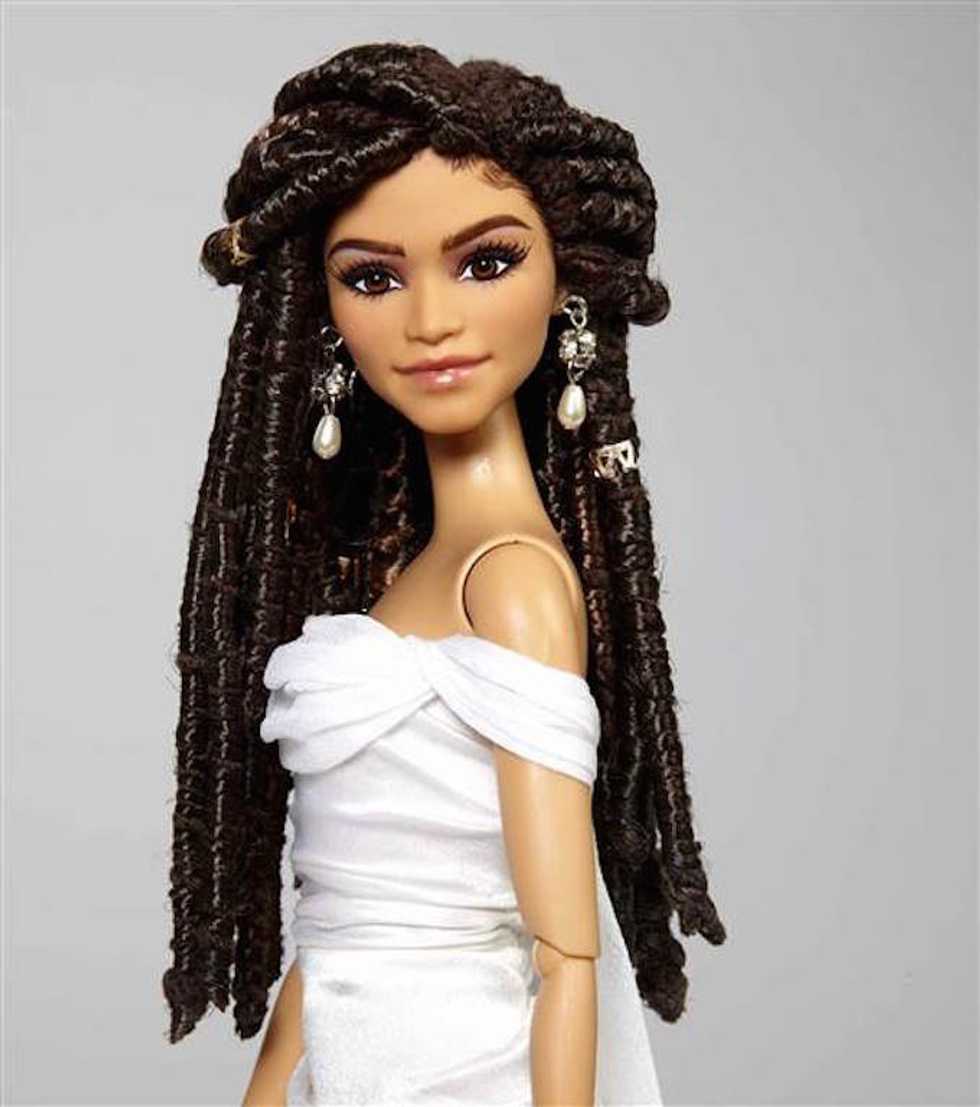
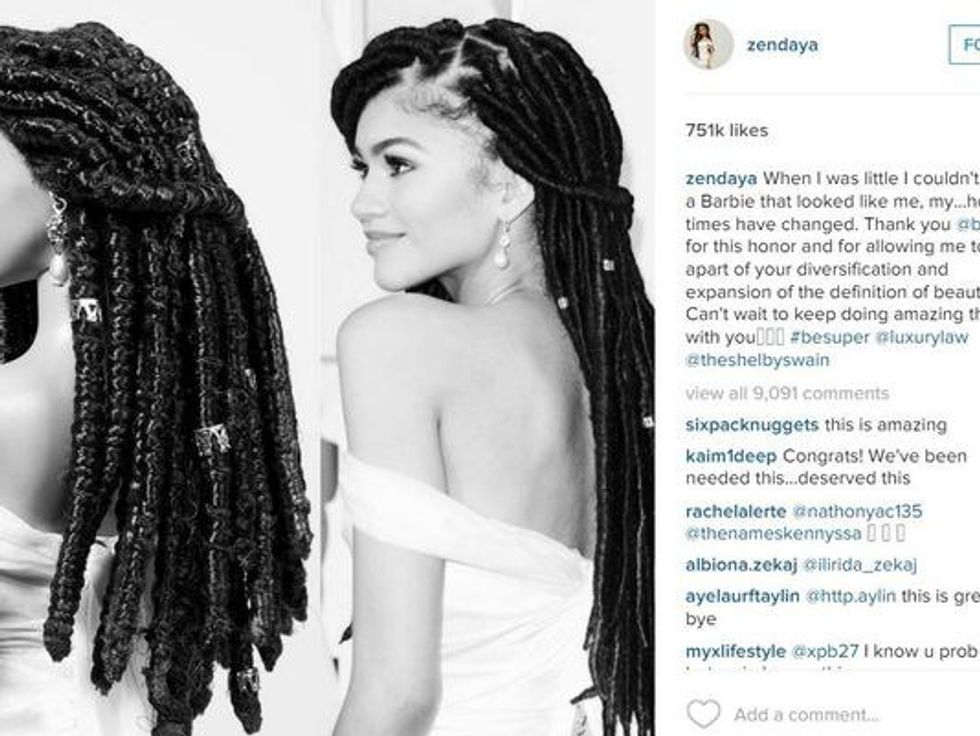
Seven months later, Barbie announced that it would create a specialty doll modeled by Zendaya’s Oscar look. Coleman, in a press release, responded by saying, “I’m excited to be a part of the new direction the Barbie brand is headed, specifically how they are celebrating diversity in the line and encouraging kids to raise their voices. It’s a positive message to send to my fans, including my nieces who are coming with me to the concert.”
In an interview with TODAY.com, the spokesperson for Mattel, the brand that owns Barbie, tells the website they chose Zendaya because “she’s a role model who is focused on standing up for yourself, your culture, and for what you believe in – that’s very relevant for girls. She gives a lot of inspiring words to her fans on social media, and she’s really grounded.”
The releasing of the doll brought praises around social media. Most notably from singer/rapper/songwriter Onika Maraj, better known by her stage name, Nicki Minaj. Minaj had a doll dedicated to her in 2011. In a post on her Instagram, Minaj acknowledged “what it means for other little girls who will identify with it and be empowered.” Minaj also took to Instagram with a collage of the dolls, saying that “they should have matching bff Barbie cars with the dreamhouse to match.” Zendaya also responded on Twitter, reminding everyone that “representation is so important.”
Twitter user @tyriquex expresses emotion in the moment. “This made me tear up,” tyriquex tweeted, “The fact that we have a BLACK doll with LOCKS in her head, this is going to change the game.”
The making of a Zendaya doll shows the importance of representation. The doll also comes following Viola Davis’ iconic Emmy win. Davis won the award for Best Actress in a Drama and is the first African-American woman to do so. Davis opened her speech with a quote from Harriet Tubman. In emotional speech, Davis made a statement that resonated with women of color around the globe: “The only thing that separates women of color from anyone else is opportunity.” She also showed support to fellow actresses Taraji P. Henson, Kerry Washington, Halle Berry, Nicole Beharie, Meagan Good, and Gabrielle Union. Washington can be seen crying in videos of the speech, showing its importance.
Needless to say, while there were black Barbie dolls before, none of them fully represented what it meant to be a young, black girl in America. The dreadlocks, something that many may consider a small detail, are an important part of growing up black. Barbies did not include the pigtails, plats, or anything such that represented black girls. This is a step in the right direction.