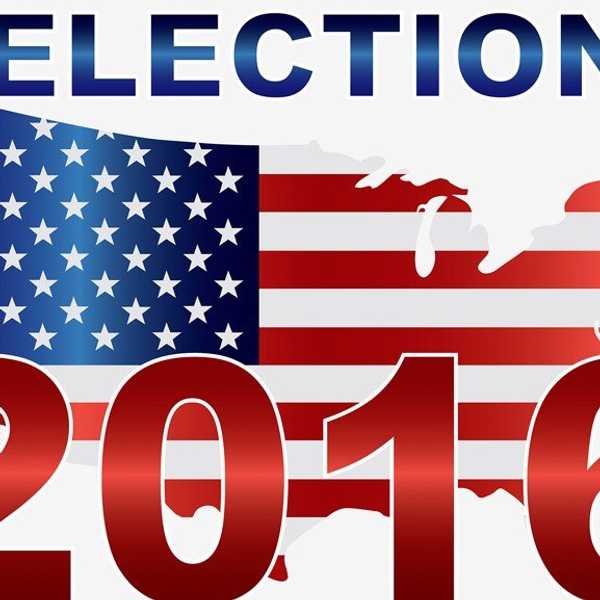
It's that time again, when we all saddle up and prepare ourselves to stand in a three hour line just so we can check a little box next to a name. With the constant media coverage over the various campaigns and what seems like the non-stop heated discussion between conservative relatives and liberal cousins, it's easy to become disillusioned with the act of voting. It's easy to feel as if your personal vote does not matter- especially if the person you rooted for and supported so passionately does not win.
First off, it's easy to feel overwhelmed by the election process itself. The US has considerably more elections than many European countries that are similar to our own system. Along with that, money raised from campaigns are usually the biggest indicator of who will win the elections. In 2012, 94 percent of those who spent more than their opponents won House seats. In the same year, 82 percent of Senate seats were won by those who raised more. Since 1980, almost every presidential race has been won by the individual who raised the most money (Clinton being the exception). Although some of the budgets were relatively close, (they were still a couple million dollars’ difference at least), many were several million apart.
Many feel that all their vote counts as is a lesser of two (or more) evils. It seems with each race the divide between Democrats and Republicans becomes wider and wider. Just look at (Donald) Trump and (Bernie) Sanders; one is a Democratic Socialist, and the other is whatever Americans are angriest about at the moment. That also leaves a lot of room for people who do not fall into those two parities, or prefer to not fall into any at all, out of mind. That leaves many Libertarians, Independents, Green Party, and many other voices out of the equation.
Despite all this in mind, and many other philosophical and personal reasons, everyone with the ability to really should vote. According to the Census Bureau, millennials out number baby boomers by almost 8 million people. Despite that, in the 2012 election only 45 percent of the population under the age of 29 actually voted, and that varies greatly to the 66 percent of people over 30 year olds that showed up. If even 50 percent of millennials turned out to the polls, imagine what a difference that could make.
Although it seems as if it happens with every race, one vote could actually make the difference in a close race. Look at the 2000 Florida Presidential election. To this day, we still debate over who actually won. Even if you just know who you want to vote for has no chance in your state or district, a closer race will incentivize those who didn’t vote to vote in the future.
Finally, as cheesy and perhaps weak of an argument some say it is, everyone should vote because it is a right. Americans had to march, protest, and fight for years just to have the right to enter the voting booth. Many didn’t fully gain the right until 1960, only 50 years ago. Voting matters because despite how little one voice may seem, it is the power of the whole that makes a difference.
What will make our country actually great is equal participation in politics among all citizens. So please, if you have the resources to do so, please vote.