
Reality shows. We’ve all seen them on TV. Whether it's "Keeping up with the Kardashians," "Big Brother," or any show on TLC, we’ve all grown used to the terrible antics of wealthy, snobby 20-year old's parading around in their luxurious homes and starting up drama for no reason whatsoever. (Seriously—there’s a show that’s literally called "Rich Kids of Beverly Hills." Thanks, E!) It’s shows like these that call into the question the future of our current generation.
When I was watching a show like the ones mentioned with my grandmother, she turned to me and said, “These kids have it all—a nice house, nice clothes, plenty of money. And they go around doing things like this. They think they’re entitled to everything that they want.” Entitled. A buzzword that’s been rearing its head within the past couple of years. As the current group of young celebrities, Internet sensations, and fashion trendsetters take the stage, it is those who were born before the dawn of never-ending smartphones and social media frenzy that challenge exactly how we got here. The parents of those kids had to work tirelessly to get to where they are, working nine to five jobs in a cubicle for years on end. They realize that the world we live in is full of adolescents—kids, even—who don’t understand the privilege that they have, but instead capitalize on their inherent advantage and use it for the most trivial things. The drive and determination that once existed in working-class citizens have devolved into a sort of generational slump of idleness and scatterbrained mentality. More and more millennials are taking the path less traveled, venturing into artistic and creative fields that expand their passions but hold no value in the reality of the workforce, leaving elders to wonder what exactly is left for the society that they’ll leave behind.
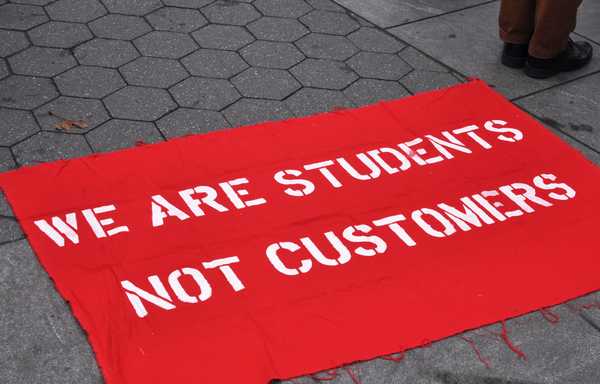
However, our youth sees it in a different way. They’re more inclined to pursue an “alternative” path in life because traditional methods just haven’t worked out. The “work-sleep-eat” cycle that has been instilled in our society has not proven as effective as once thought. Our current generation of college graduates have more mountains to climb than ever before: Unemployment plagues the vast majority of blue-collar workers, tuition debt proves to be an almost insurmountable anchor on financial prospects post-academia, and sustaining oneself in a sea of competitive applicants who have identical credentials for so few spots is like trying to swim against a riptide. Millennials are still haunted by the crises left by the baby boomer generation, thus causing them to question, “How do we overcome problems that weren’t ours to begin with? How do we make the best of what we have?”
The answer? Straying from the standard and working in fields that aren’t considered as esteemed as traditional areas of study—in particular, the digital medium. Young adults are now stepping into the unknown and embracing it wholeheartedly, uploading YouTube videos to share with the world, creating blogs to express interest, and even writing articles online for a nationwide platform. Today’s society accepts the fact that life is not a linear process; it is one conglomerate of mistakes and successes that we are all just trying to navigate through.
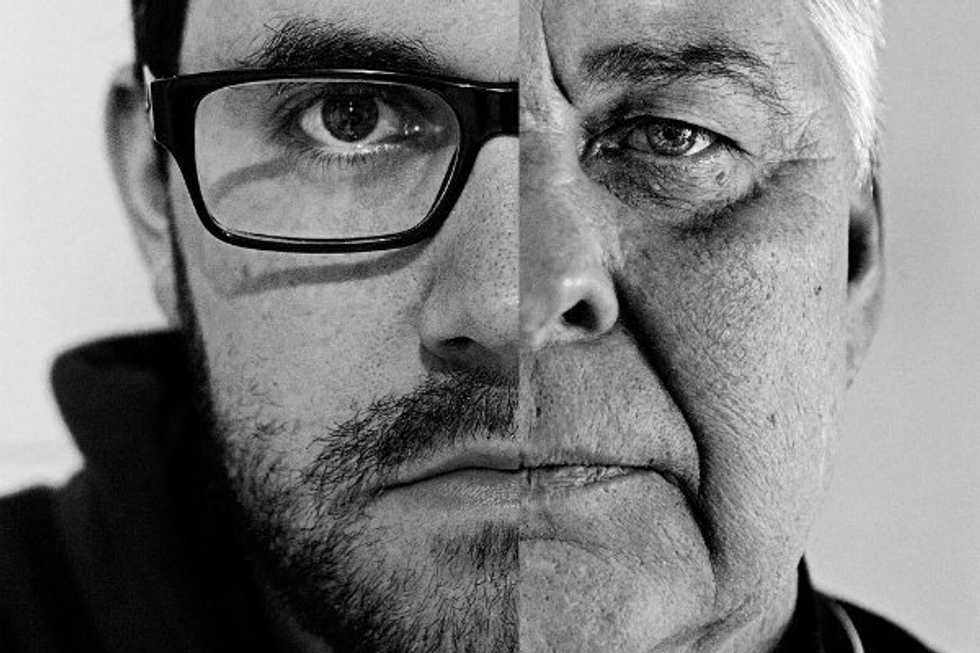
Two generations, two voices. Each with their own set of values and ideals and judgments on how to live the best life possible. In the end, there isn’t a right or wrong way to live. There just is.