

There are some things that people just never really stop to think about: the development of writing, the complexity of human language, and the origin of certain words. The English language has no qualms about snatching what it sees fit from other languages to benefit itself. In an interesting quote from James D. Nicoll, he says that it doesn't "Just barrow words; on occasion, English has pursued other languages down alleyways to beat them unconscious and rifle their pockets for new vocabulary." Various words take their roots from other languages, or are just taken entirely from the source directly. The words fiancé and fiancée are the masculine and feminine versions of the word respectively, and hold their roots in the French language. Some words have stranger origins than this. The days of the week are a good example.
Sunday and Monday are the days that have the most mundane origins. In a time when polytheistic religions were more prevalent, the sun and moon played crucial roles in most societies. They were often gods in their own right, and as such were meant to be honored. Thus, each received their own day of the week. Sunday was day of the sun, and Monday was day of the moon. The other five days of the week were reserved for gods that generally received more recognition.
The Greeks and Romans labeled these days after the five planets known to them. Ares, Hermes, Zeus, Aphrodite, and Cronos all received days, though their Roman names are attributed to the planets. Tuesday became the day of Mars. Wednesday became known as Mercury's day. Thursday belonged to Jupiter. Friday went to the fairest of the land: Venus. Saturday became the only day to retain its Roman heritage of belonging to Saturn. The other four days preceding his went through a few changes in the north before becoming what we are familiar with.
The Old English, Germanic, and Norse gods played a role in the current names used for the remaining days of the week. Tuesday, while still associated with a god of war, became the day of Tiu. He is the English/Germanic version of the Norse god Tyr. From Tiu, it is made easier to see how the word Tuesday came about.
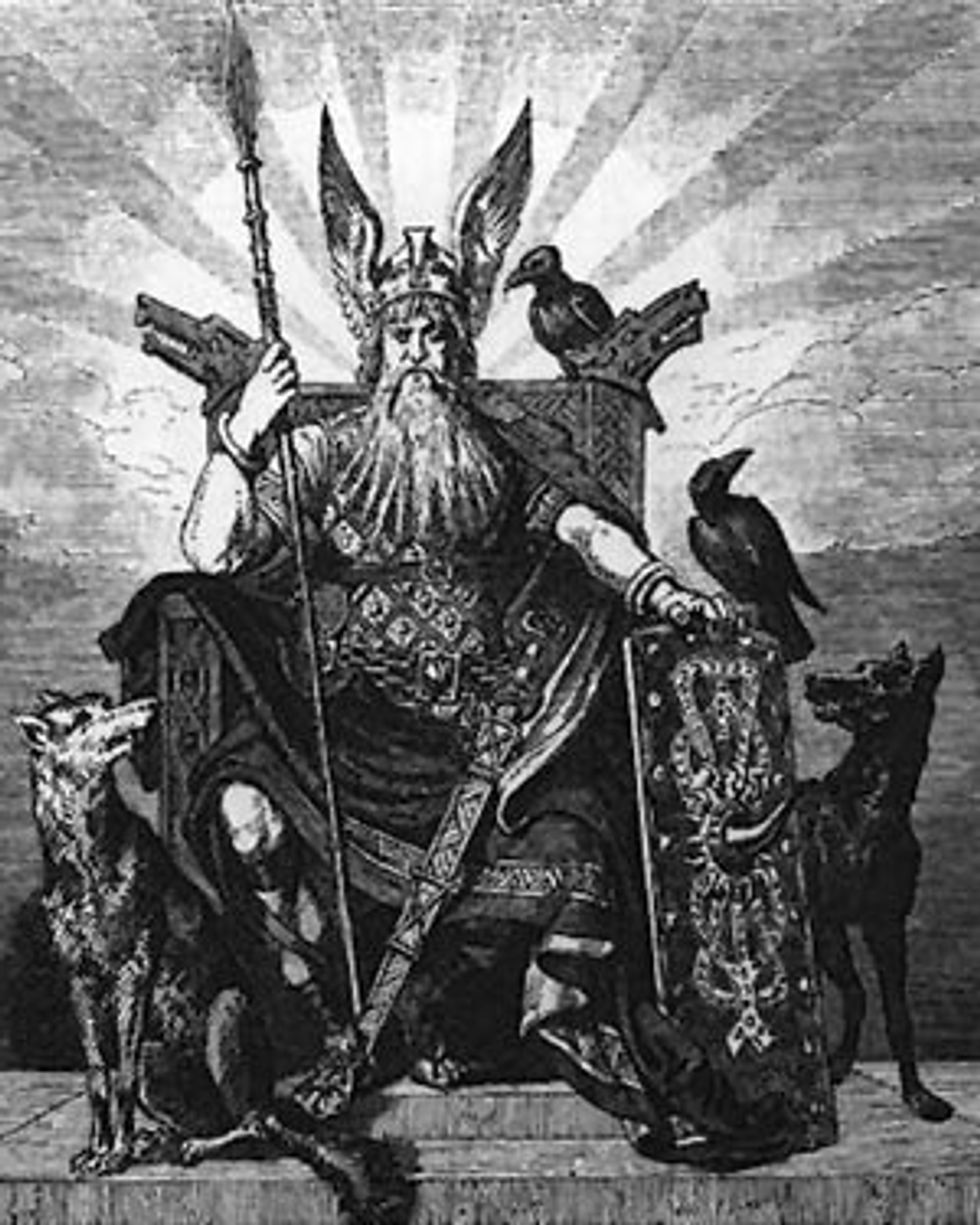
Wednesday becomes a day which visually shows similarities to its origins more than some others. The god Woden, or Odin as the names are sometimes interchangeable, is a leader in the Norse pantheon. He can be known as cunning, though the day is no longer associated with a messenger. Woden's day resides in the middle of the week. That seems like a fitting place for a leader.
Thursday, of course, belongs to Thor. This day remains in the hands of those that delight in creating thunder. In German, the word for Thursday is Donnerstag. Broken apart this word actually means thunder day. Of the days named after gods besides the sun and moon, this day probably undergoes the least change in spelling.
Friday remains for lovers-beginning with Aphrodite and ending with the Norse goddess Frigg. It is easy to see how easy it would have been two drop the two "g's" and add "day" to the end.
It's a sad thing that most don't bother to remember the origins of these words. There could be any number of reasons for this, but a likely one could be monotheistic religion's attempts to suppress polytheistic influence. It would be difficult to change the days of the week, but conveniently forgetting where they come from may have been easy enough to do. How soon we forget why we name certain things as we do. It would seem completely bizarre to think of Wednesday as the Day of Hermes, now wouldn't it. Think about where that word may have originated before setting it in paper. What you find, may be surprising.
















