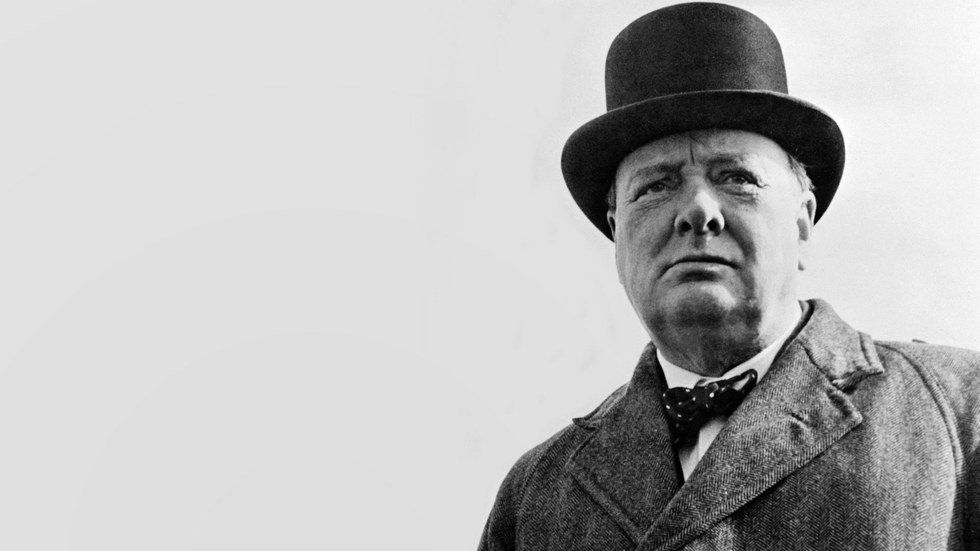
When anyone mentions Winston Churchill the first thought that comes to mind is the older, stocky man that courageously lead through the second World War. His steadfast nature and powerful oration skills were enough to unite a country against a common enemy even through the intense German aggression towards England. As a result, almost everyone, especially people from Britain, think of him as the face of the nation and as one of their biggest heroes. However his strength and heroic status make some crucial details blurred which might make him seem a like less noble.
Primarily, many people seem to forget that at the time of Churchill's power, Britain was still a vast imperial force, who only really used the colonies they had left for economic gains. As a result, many of Churchill's and Britain in general's decisions saw the impacts of their actions in the territories they occupied as largely inconsequential. For example, Churchill's attitude towards India when he was in power was at times racist, but mostly just that it was a place that the British could exploit for their own gains. One example of these attitudes leading to serious and fatal consequences was the Bengal Famine of 1943, which resulted in the death of at least three million people as a result of famine. Churchill was in the midst of a bloody and resource-exhausting conflict, which he needed to win, and although India was already struggling for food, he ensured that wheat was diverted from Australia to go straight to British soldiers around the world, leaving the Bengal people even more food-deprived. The colony also went on to deny Canadian and American attempts to give aid, with Churchill even claiming that it was the Indian's fault for giving birth to too many children and having too high of a population.
With that in mind, it was also apparent that Churchill was a blatant racist, a fact few people are willing to accept. Churchill's imperialist tendencies only lead to his viewing of other races as lesser, especially if they were in countries that the British had imperial control of. Churchill went as far as to say that he believed that there was no wrongdoing done the Natives in America and the Aborigines in Australia. Furthermore, he was also had no qualms about using deadly gas during war, especially against those he saw as "uncivilized tribes".
Ultimately, it is important to recognize Churchill as an important figure in displaying the strength of Britain in times of adversity, but it would be ignorant to pretend that he was a perfect leader. In fact he was far from it, as his imperialistic policies dictated his views on the the economy, society, and race, he became less like the exemplary leader he is seen as.