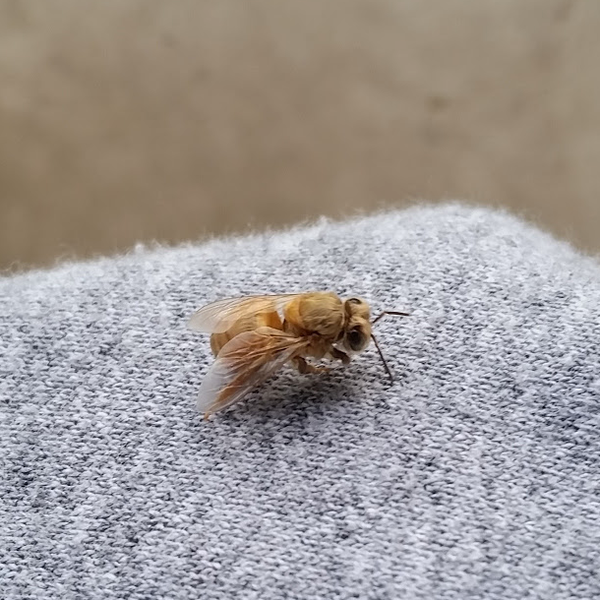
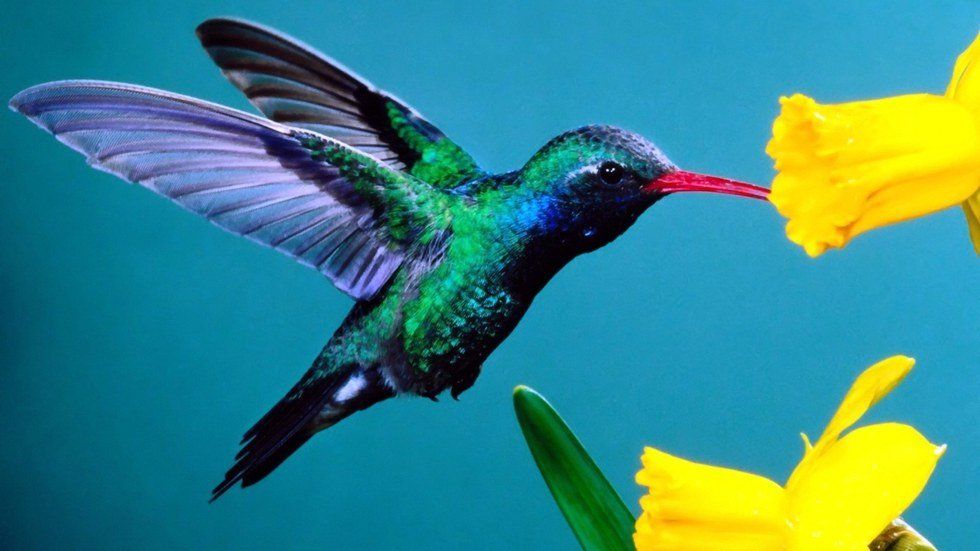
Modern angiosperms compromise on an estimate of animal-plant pollination relationships globally, most of which are comprised on insects. This comprises bees, flies, butterflies and moths, beetles, and other animals many times as large as birds. It is estimated that the total number of flower-visiting species is upwards of 300,000. Both wild and domesticated pollinators are vital to crop production in many places globally. About a third of global agricultural output depends on pollinator species, with an estimated economic value of $200 billion dollars worldwide! Bee-pollinated forage and hay crops provide food for animals in animal agriculture also. Meanwhile, there are growing concerns with the common practice of beekeeping in its economic value. Domestication of bees is noted to be susceptible to epidemic disease, does not improve on the growing issue of biodiversity, and omits potential for pollination services from local ecosystems.
The National Research Council notes that there is increasing concern about the decline of some wild pollinator populations over the past decade, namely bumble bees, some butterflies, bats, and hummingbirds. The elimination of these species is costly ecologically and economically. The decline of wild pollinators is a global issue that affects agricultural entities of many types for a multitude of agricultural purposes, including seed production (alfalfa, clover), increase seed quality (sunflower), number (caraway), for fruit production and quality (orchard fruits, melons, tomatoes), and more. A multitude of important crops around the world like coffee and alfalfa benefit from pollination services from nearby forests and other natural habitats, which provide forage and nesting space. Disruption in pollination systems has negatively affected wild pollinator populations in every continent except Antarctica. It is assumed that disruption is widespread across continents because the phenomena associated with wild pollinator decline is widespread. So, we need to research more into how to increase populations of wild pollinators.
What causes pollinator decline? To understand how human behavior should change to improve conditions for pollinator species for the purpose of improving crop production, one must understand the drivers that affect wild pollinator populations. Research suggests that pollinator abundance and pollination yields is affected by large-scale conversion of landscapes to agricultural and other human land uses. Longer-term climate change is now known as a key contributor as well. Better management of wild pollinator populations needs to be spatially expansive and dependent on the individual species of study, as it is a global issue.
Best way to solve this issue? Conservation can protect land from human-induced change. “Blanket” conservation efforts can especially benefit pollinators for a number of reasons, including that many pollination species are not identified, many are not aesthetically pleasing to humans, and pollinations systems rely on a web of interaction that link many plant species to pollinators. Ideally, conservation land would include areas with suitable forage plants and be located within miles of agricultural fields that use pesticides and other chemicals. Some pollinators require quite expansive habitats that will require international cooperation, such as in the sphigid moth in Costa Rica, which migrates around the country every year. Hummingbirds and butterflies are also known to migrate long distances of up to thousands of kilometers. All categories listed of global governance are capable of attaining and maintaining land for conservation.