


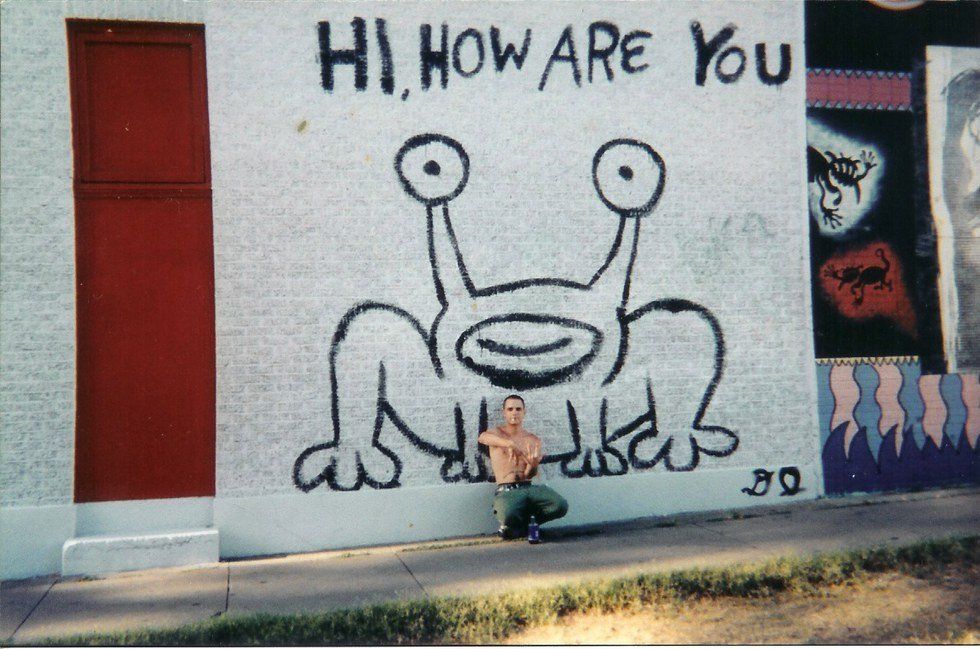
Throughout the duration of my first month on campus, there have been numerous nicknames and slang words used around campus regarding typical things like buildings, restaurants, dorms, etc. I remember running around campus the first week of classes not knowing what the hell the UTC, ETC, and the GDC were, let alone where they were located. After the first week or so I soon became adjusted to campus and started to pick up on common campus names and the places to hang out, and I ended up spending a lot of time on the Drag.
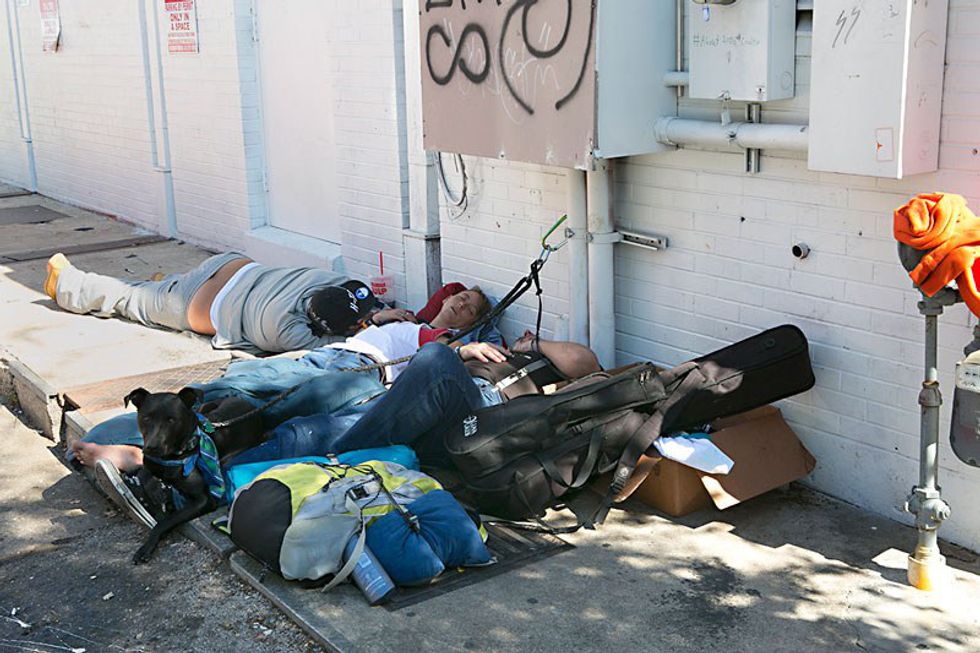
The Drag refers to Guadalupe street, a street that runs down the edge of West Campus and features many popular restaurants, shops, and the Co-Op. The Drag is a crazy popular hangout spot for students, but it didn't take me long to figure out that the Drag is also known for being a common hang out spot for the Austin homeless population.The majority of homeless people around UT Austin accumulate on the Drag, laying down on blankets, or sitting shirtless against the wall asking for money.
People would walk down the street saying “Watch out for the Drag Rats” or “Don’t look at the Drag Rats they might get you if you make eye contact with them.” At first, I thought that this was just a normal term that some students would use as a joke, but I soon realized that majority of students on campus, along with some faculty as well used this term without even taking a second to think about what they were actually implying. I strongly believe that this phrase should be eliminated from campus vocabulary.
Homeless People are in fact still PEOPLE.
This is the first and most obvious critique, that the simple slang word, “drag rats”, is dehumanizing. Are we really that cruel that we refer to those less fortunate than us as rats? Sure many homeless people on the drag do not have clothes to cover them, and they don’t have proper hygiene products to make themselves smell nice, but that does not give us the right to belittle them into the comparison of an animal.
While it is true many homeless people suffer from mental illness and are not always safe to be around, homeless people are not always “crazy.” The other night I was walking home from Young Life with a couple of my friends, and we stopped outside of the 7/11 on The Drag to drink our slushies and finish up our conversation before heading back to our dorms. Out of the corner of my eye I saw a man who appeared to be homeless, a quite popular one actually who I had seen many times throughout my first few weeks at school. He didn’t have a shirt on, and his bones were popping out of his sunburned, leathery skin. He seemed to be around fifty or sixty maybe, but it was hard to tell because his body was obviously worn down and malnourished. My first instinct was to avoid this man, because of the usual stigma that homeless people are not safe to be around, and because it was dark, making things a little more sketchy as well.
After about ten minutes of conversing with my friends, we were saying our goodbyes when the shirtless man walks up to us and asks if we can open up his bottled water. “My nails are too frail I can’t get a good enough grip”, he roughly said, as my guy friend Nico twisted off the cap and handed it back to him. “Thanks”, the man snarled, “My name’s Bo”, he says to us with a slight smile. I thought that that would be the end of it, until he started to talk to us again. He began telling us stories about his time at UT as a student during the Vietnam War, and how different it was back then. He rambled on about how he used to work for a band that played at all the frat parties, as he named a few of his favorite houses and laughed about the fun of it all. We eventually head back to our dorms and I got to thinking about what it meant to suffer like that. Although it's probably never safe to talk to complete strangers at night, I came to realize that maybe sometimes people like Bo just need someone to talk to.
I got to thinking about Bo and what had happened to him to make him end up the way he did. If he went to UT that long ago he was obviously from a pretty well-off family, because not everyone got that kind of opportunity back then. He was most likely a really smart guy, with a future and an encouraging family. So what went wrong? Drugs, maybe alcohol? Maybe he just started going down the wrong path? It bothered me that a man with such high potential could end up half naked on the streets, with nothing to eat but what he can scrummage out of the trash.
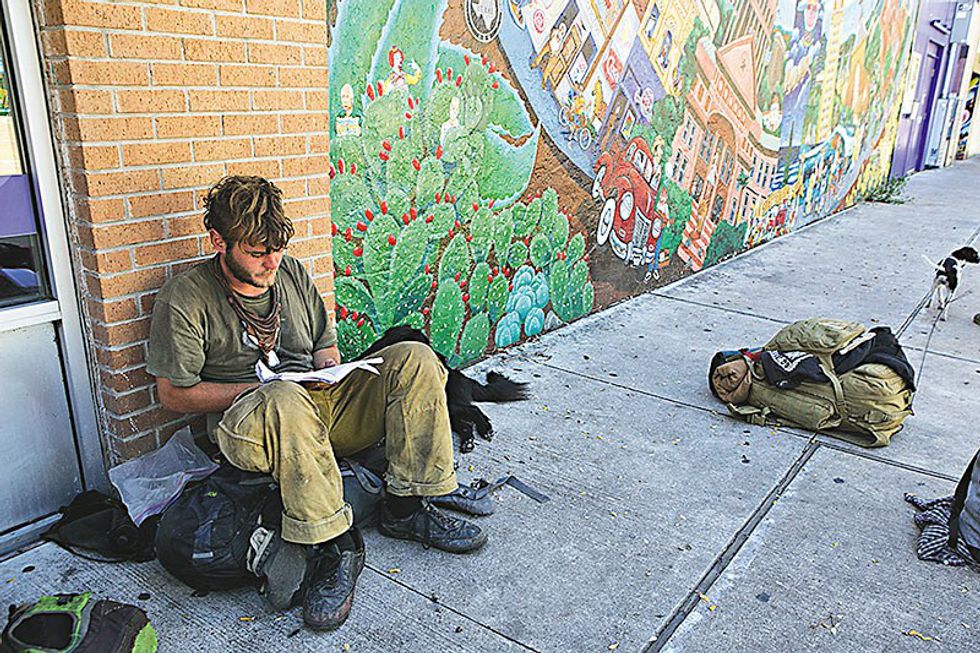
So what can we do about it? Can we fix all of the poverty and sad stories in the world? Probably not. Yes, I agree that there should be more pathways to lead struggling people upwards, and we should work on that. However, the least we can do as busy full time students is show compassion. We can be kind, and help where we can, and we can sure as hell not call suffering people “drag rats.” We can work together to serve at places that help these people, like local homeless shelters and kitchens for the underprivileged. I don’t really know the answers or the solutions. I don’t know how to solve the crisis of poverty, and I don’t know how to go about helping those in need. I may not know where to begin the revolution, but I do know that one small but mighty step can come with being compassionate toward others. Just because someone was born into a different situation, or lead down the wrong path of life than you were, doesn’t mean that their life isn’t as valuable. Everyone has equal worth, and every person has value. We should treat people as people, and not as “rats.”















