
In a modern world dominated by the usage of online TV show streaming entities, such as Netflix, pretty much any show can be watched. HBO has been one of the greatest enablers to our generation’s desires to watch the next great show. From "Game of Thrones" to "True Detective," "Entourage" to "Sex And The City" and "The Sopranos" to "Last Week Tonight," HBO has never failed to provide some of the most entertaining and highly renowned series in broadcast history. There's one HBO show, however, that our generation has most likely passed over when choosing a new show to thoroughly binge-watch.
In 2002, way before online streaming was a thing and long before the major success of the network’s best shows, HBO premiered the crime drama, “The Wire." The show lasted five seasons that spanned over six years. In its time, “The Wire” was considered one of the best shows on TV despite never having won any major awards during its run.
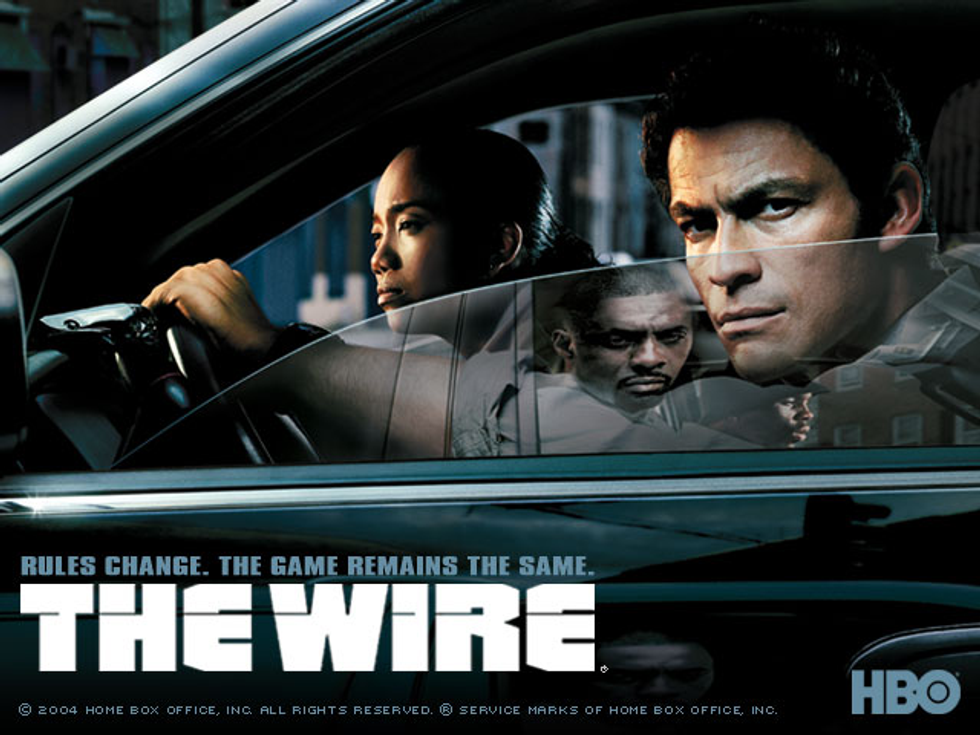
“The Wire," named after a device typically used to record and communicate evidence, takes place throughout various parts of Baltimore, Maryland, emphasizing different sectors of the city and the evils that are buried beneath them. The show covers five separate aspects in the city, split up between each season individually.
In order, the show covers the illegal drug trades on the streets of Baltimore, the dirty work within the seaports and docks of the city, the bureaucracy of Baltimore’s jaded government, the flaws and adjustments of the city’s school system and the impact and schemes of the Baltimore Sun through print media.
“The Wire” was known for its extremely large ensemble cast of practically little-to-no-name character actors and actresses. While the show drastically propelled the career of one known actor, Idris Elba, many of the members of the cast did not have any true prior success aside from Elba, who, to this day, is still mainly recognized for his role as street kingpin Stringer Bell in the show.
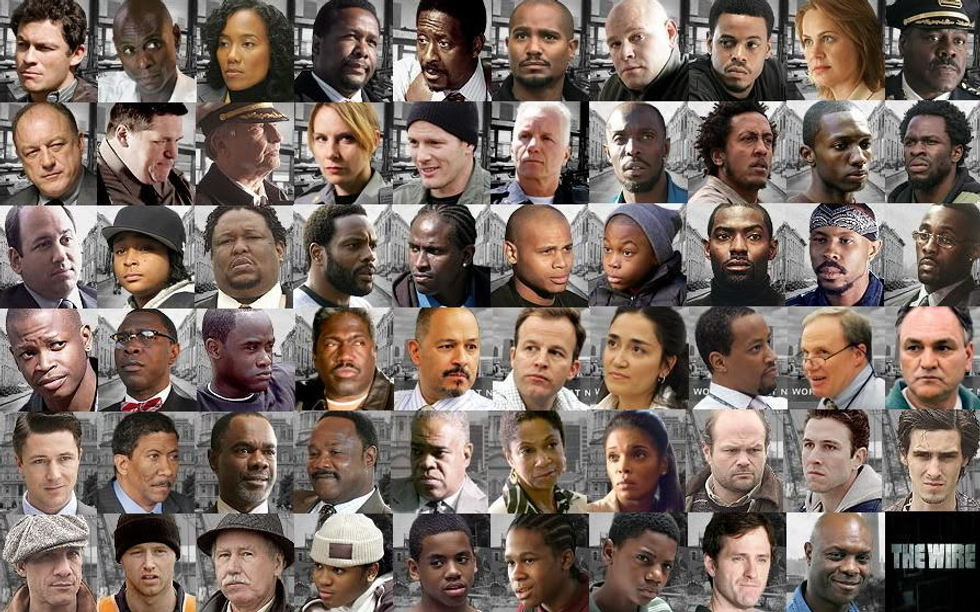
If you were to watch the series, however, many of these lesser-known actors and actresses have gone on to much success since "The Wire" and now have that “I’ve seen them somewhere before" aspect. The list is practically endless. Some of the series' most pivotal actors include Aidan Gillen (Littlefinger from "Game of Thrones"), Amy Ryan (Holly Flax from "The Office"), Wood Harris (Julius Campbell from "Remember the Titans"), Michael K. Williams (Chalky White from "Boardwalk Empire"), Michael B. Jordon ("That Awkward Moment," "Fruitvale Station" and "Fantastic Four") Larry Gillard Jr., Seth Gilliam, and Chad L. Coleman (Bob, Father Gabriel, and Tyreese from "The Walking Dead," respectively).
I know at this point the show does not seem all that tantalizing; It seems easy to argue that is show is a the run-of-the-mill cop drama about the good guys chasing the bad guys that is very outdated and has no true stars or celebrities in it. But what separates “The Wire” from most shows and what pulls in its true audience is the show’s sense of authenticity and its portrayal of the dark, shady world we live in.
The first true sign of the genuineness of “The Wire” is its inception and its writing. The show’s creator and main writer was David Simon, who was an ex-journalist and police reporter for the Baltimore Sun prior to his time as a writer. Simon had the credibility as a writer as he is a man who has seen how the cogs of the corrupted machine that is Baltimore work in order to maintain the city’s order. Simon also wrote a vivid book in 1991 titled “Homicide: A Year on the Killing Streets”, which depicts his one-year stint working with the Baltimore Police Department’s homicide unit. While the novel helped created a fictional series of a similar title on HBO in 1993, the concept is considered a grand inspiration and many characters were translated from the book to the series.
With the freedom that HBO provides, “The Wire” dives deep into dark concepts and does not refrain from the suggestive and mature aspects that are normally restricted. The show thrives from its excessive use of common slangs, both on the streets and in the workplace and has produced several culturally recognized references throughout the series’ run. The clip above is a video (containing scenes of violence and extremely vulgar language) that compiles some of the more impactful (and some comical) quotes pertaining to the show’s concept of streets, the police and life of Baltimore.
One of the overrunning themes of the show is the idea of “the game” and how it affects how people — whether drug dealers, detectives or government officials — in their efforts to seek their respective end games. “The game” is considered apart of the everyday life and the actions made by those who try to change “the game” are done with the intent of proving their point and asserting their dominance.
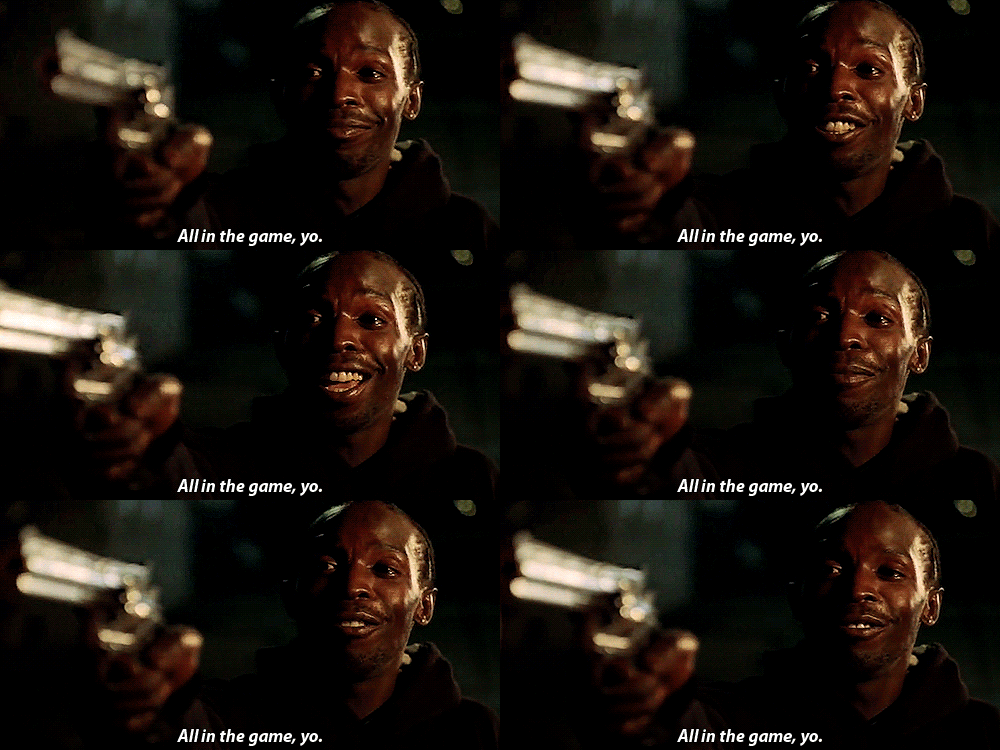
The character that always described the significance of the game, from both his words and his actions, was Omar Little, who is considered one of the greatest characters in television history. Played by the aforementioned Michael K. Williams, Omar lived on the streets as Robin Hood-esque character, who commonly manipulated and stole from some of the biggest players in the drug dealing circuits as a means of survival. Embedded in the storyline, Omar, working as an partial insider with the show’s criminal detail group, explained that “the game is out there and it is either play or get played.”
Another aspect that defines “The Wire" and its sophistication revolves not only around the character of Omar, but also of Detective Kima Greggs (portrayed by Sonja Sohn). In their respective worlds, where the tough and powerful gangsters survive and the unfazed and dedicated detectives rise, both characters are homosexual. Kima’s relationship with her spouse and Omar’s gay tendencies tend to underlie their character's nature, providing their flaws while still grasping onto the concept during a relatively sensitive time for the LGBT community.
In the working world, Gregg’s relations with her significant other are accepted, especially as she is the primary female character of the policing spectrum of the series. The acceptance shows the promise of homosexuality, an aspect our society has been trying to comprehend and establish over the course of the past years.
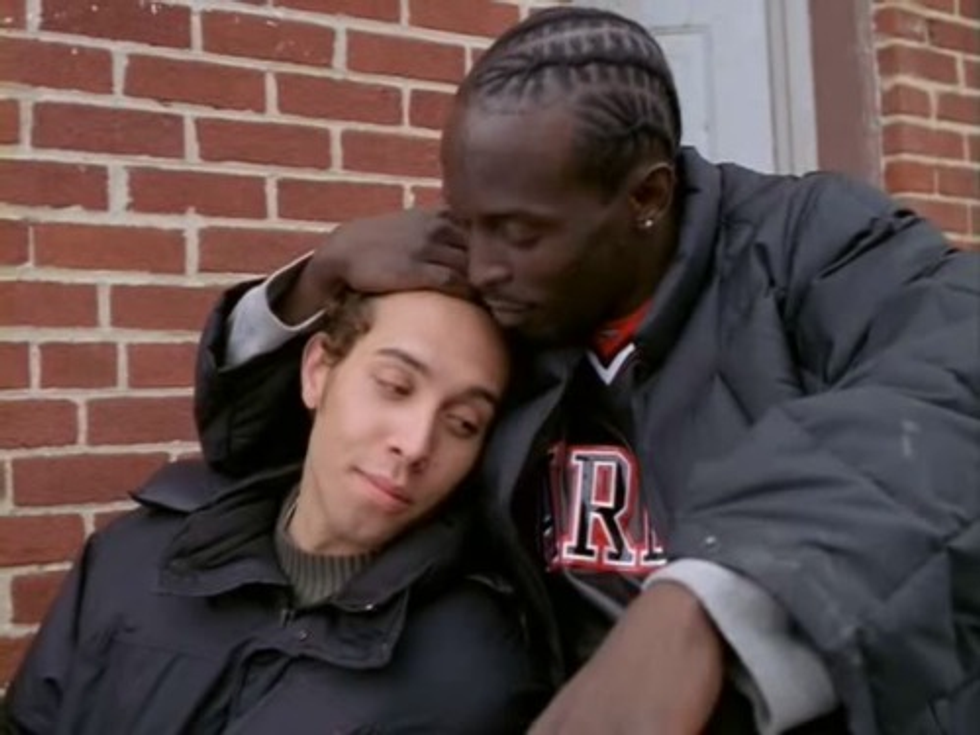
On the other hand, Omar’s relations with other males tends to interfere with his line of duty and course of actions. As a criminal who knows the dangers, he cannot help but let his emotions regarding his love life influence some of his retaliations on many of the show’s street fiends. His orientation shows the hypocrisy of the gay persona, that has been typically stereotyped as weak and flamboyant. While his part of society details the dark depths of rejecting homosexuality, Omar’s character proves that sexuality and mentality can be separated at a seam.
The series has also been critically acclaimed for its accurate portrayals of all sectors of the show, citing how a society filled with larger populations of impoverished African Americans usually clashes, but somehow coincides with the aggressive and corrupt political and governing systems. The depictions and the mindsets of the street are rightly personified as the cruel and relatively unethical representation of the police help balance the scale of injustice in society.
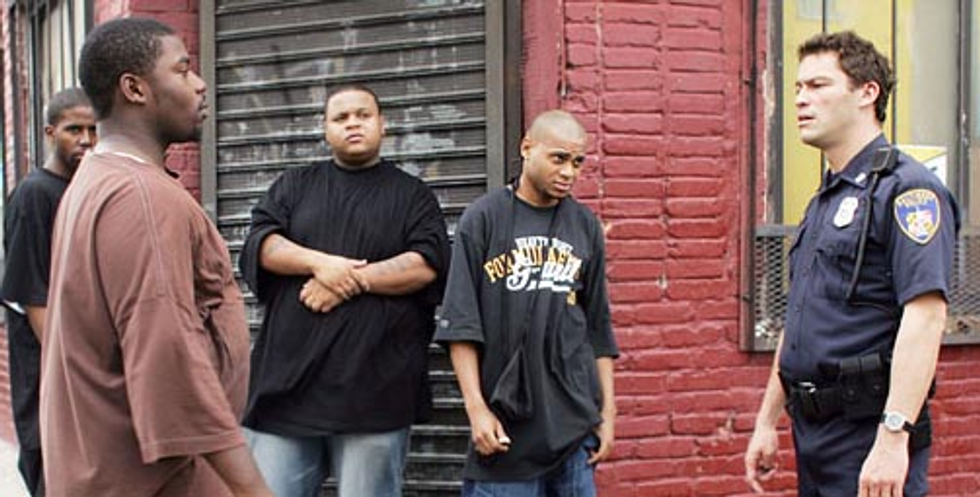
For those who derive from the streets, the criminal life of dealing drugs has been the only choice young children could make. In the fourth season, Baltimore’s public schools are highlighted, covering the extreme flaws of the learning systems and gaping loopholes utilized to assure that the school can push kids out of the system simply by giving them passing grades and only requiring minimal mandatory days of attendance. The cruel society has set them up to place themselves into the dark; when the schools do not teach them properly and the education goes to waste, the world on the streets welcomes those who have fallen victim.
The show largely covers the perspectives of the detectives working on the criminal investigations against the true fiends of the world. Yet, despite being the symbol of justice and righteousness to the city, the policing forces, themselves, carry out unprofessional and deceitful actions in order to protect the city and to satisfy their superiors. From season to season, the special force group of detectives commonly struggle to not only obtain the titular wire-tap, but also promote unprincipled actions in order to reach themselves ever more closer to catching their criminals.
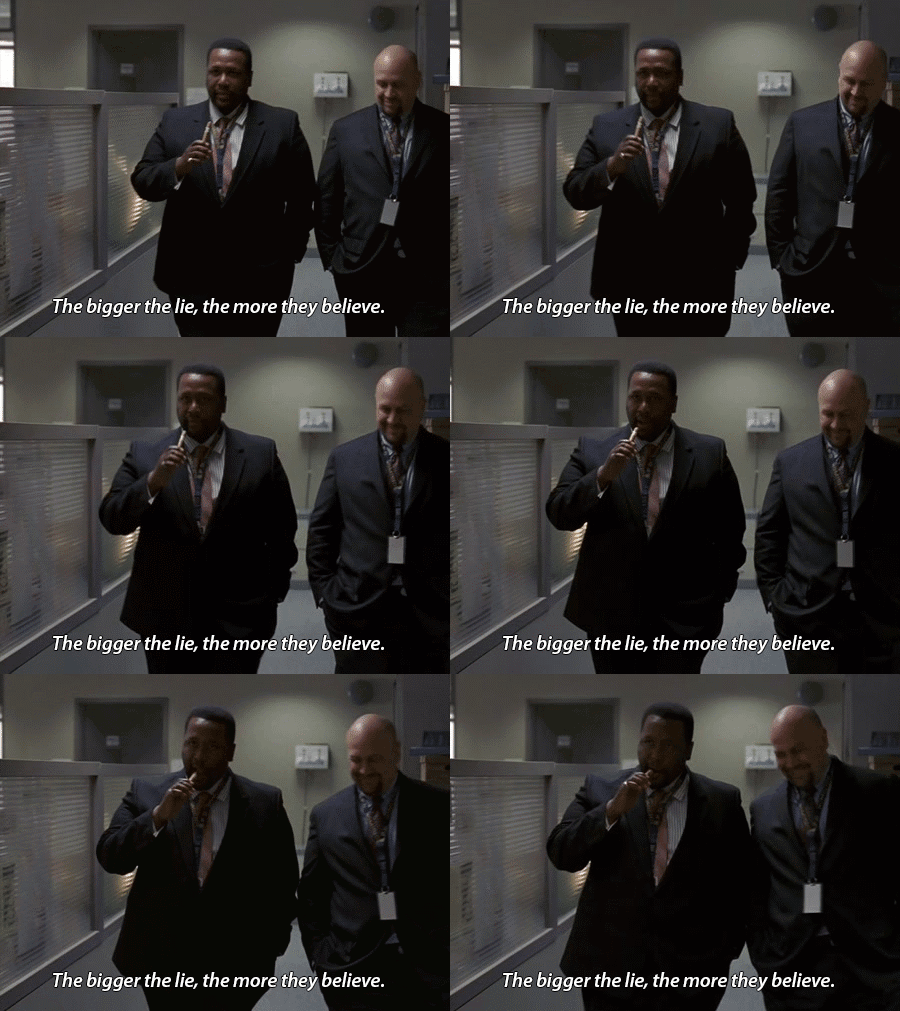
As previously said, the detectives often conflict with their higher-ranked superiors, who set practically unattainable goals for districts to achieve (in terms of crime rates). One situation that dictated the clash between the higher power and those who regulate it comes from the third season, when Major Howard “Bunny” Colvin (played by Robert Wisdom) orders his Western District officers to clear out the popular drug dealing corners and, instead of arresting the perpetrators, relocates the drug dealing to an abandoned area where the police would “look the other way.” In essence, crime (specifically drug dealing) was made legal in order to clean the streets and lower crime rates in the designated residential areas of downtown Baltimore. When it takes police neglecting criminal activity to meet crime goals, it shows the chaos that can ensue.
Yet, despite all of the depictions of the iniquitous seen in “The Wire,” what truly and vividly described the significance of the series were the events that occurred in April 2015, following the death of Baltimore native Freddie Gray. While the show never detailed any such riots, what the world saw was the unfortunate and unappealing side of Baltimore that “The Wire” emphasized.
Both sides of the incident had their true colors revealed and tarnished by media outlets. The police were ridiculed for their aggressive and unprofessional behavior towards the victim and have face serious consequences ever since the death occurred. The populous that felt violated by the death were critically condemned for their continually violent riots throughout the city.
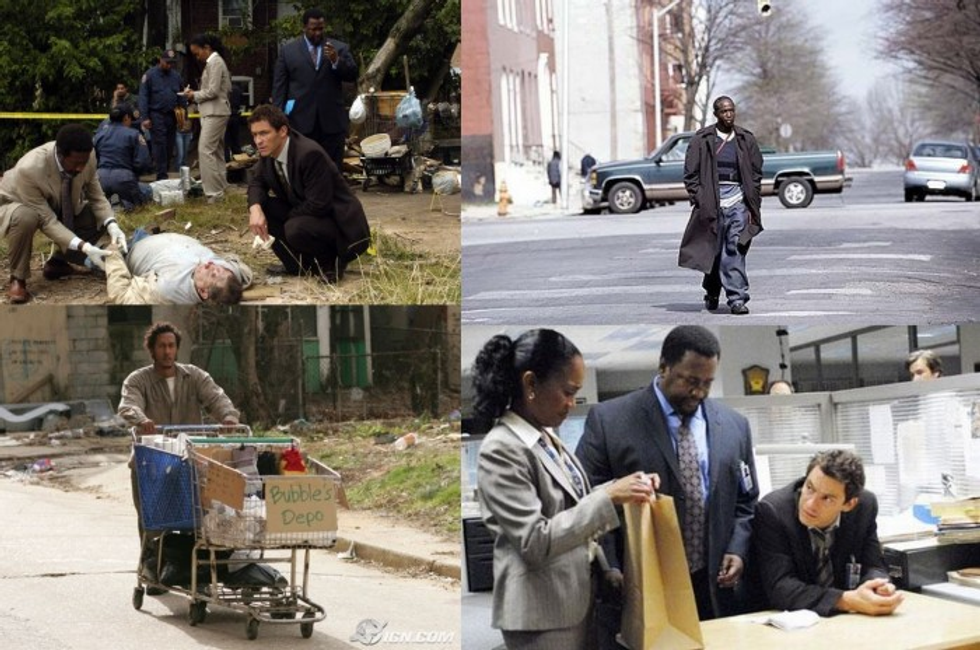
While the show did not provide an answer or a warning regarding what had occurred, “The Wire” left its impact to the world that Baltimore, a city that annually ranked amongst the most dangerous cities in America, and showed the damaged its people could potentially cause.
“The Wire” is a reality check to society and towards our generation, explaining how the world we all live in is not perfect whatsoever. As morbid as it sounds, what our generation needs to comprehend, and what the series explains vividly, is that every day has its night and every light has its shadow. As next generation of people taking control of our society, we must understand that morals will clash, crime will remain existent, and justice is only what can be made of the situation.
The next time you decide to start watching a show, do consider “The Wire”. It will open your eyes to world beyond your front door, and it will entertain you throughout its entirety.














