There are laws against animal cruelty and abuse, and anyone in their right mind knows that inflicting pain upon another living creature is just plain awful. But what comes to mind when you read or hear the words "animal cruelty"? Personally, I imagine a puppy being kicked and whimpering. While this example is straightforward, unfortunately this matter isn't always so black and white.
All my life, I have been a lover of animals. I cherish the company of dogs (as well as cats); I've owned various pet beta fish (and one turtle); I adore visiting zoos and aquariums to watch giraffes stretch their long necks to reach leaves on trees and beluga whales slide up against the viewing glass in a playful manner. However, I've had a bit of an internal conflict for a while on the concept of zoos and aquariums in general: while I relish in wandering from one exhibit to the next, each a home to animals I'd never see otherwise, I can't help but think that these animals would be better off in their natural habitats in the wild. Though this isn't the case for all animals (some animals in zoos are endangered species and have a higher survival rate when taken out of the wild, for instance), most of the time zoos are unable to provide animals with enough space and authentic experiences. For instance, elephants tend to travel long distances with packs of dozens of their kind; yet in zoos, significantly fewer elephants are kept in a much smaller habitat than they should (and would typically) have access to.
This controversy has been around for years and definitely falls into that gray area I mentioned earlier. Yet somehow, the line for unethical behavior seems to be much clearer for SeaWorld -- and they've definitely crossed it.
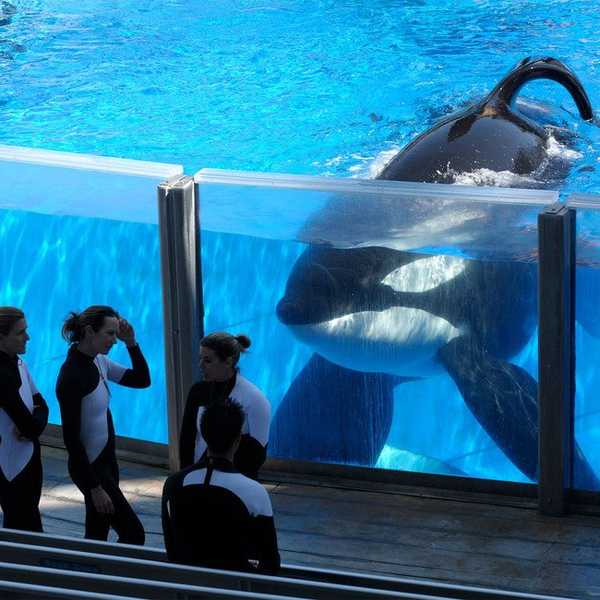
I had heard of SeaWorld from friends who had visited the amusement park, but I had never really stopped to think about the nature of training these animals -- animals that belong in large bodies of water (not a tank that is the size of a bathtub relative to their massive selves) -- for the entertainment of families on vacation. The idea of this seems intuitively wrong and unnatural, but it wasn't until I became more educated on the cruelty of keeping these sea creatures confined that I realized the awful reality of SeaWorld.
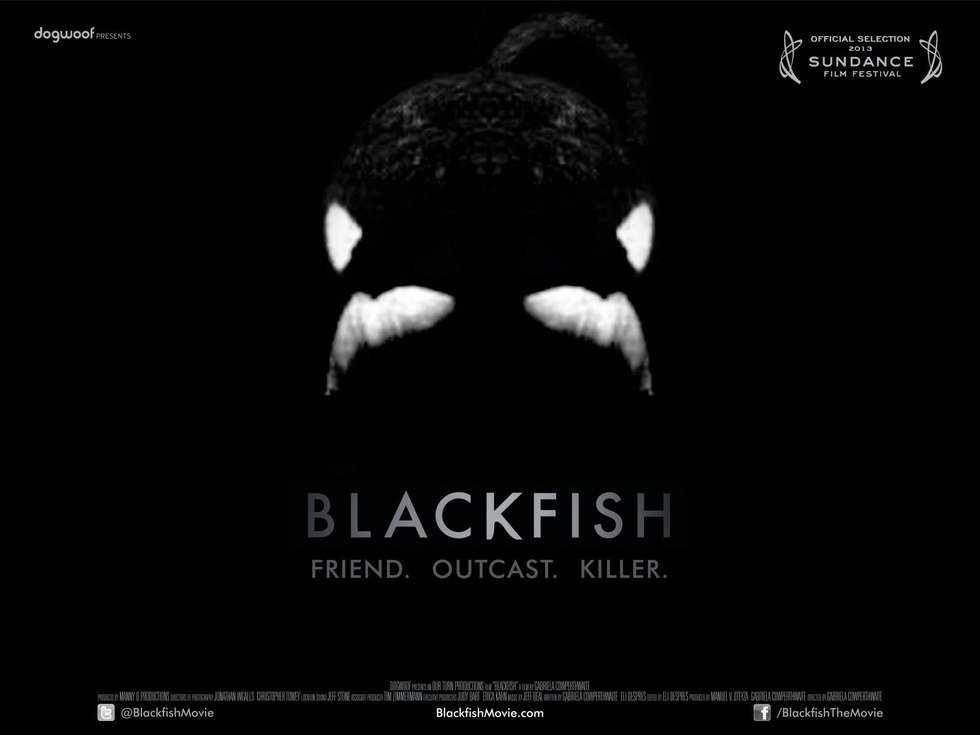
Last year, I watched Blackfish, a documentary released in 2013 about the issues within the sea-park industry as told through the story of Tilikum. A performing killer whale kept in captivity and isolation for over two decades, Tilikum suffered from maltreatment and lack of intellectual stimulation that ultimately resulted in aggressive behavior and the deaths of three individuals. The documentary (inspired by this article) does a fantastic job pointing out the problems that Tilikum's case highlights about the industry and SeaWorld in particular. For starters, orcas (a synonym for killer whales) have an average lifespan of about 35 years for males and an additional 10 years for females; in captivity, these animals rarely live to half of their life expectancies. Additionally, despite SeaWorld's claims that collapsed dorsal fins are common, wild killer whales with this feature tend to be unhealthy or injured. The documentary also discusses the problematic nature of breeding Tilikum with other orcas due to his temperament; the filmmakers claim that good breeding practice with other animals does not involve "injecting questionable genes into a gene pool", yet SeaWorld continues to deny that there is any risk of aggression being passed down to Tilikum's offspring.
When Blackfish began gaining a lot of attention about a year or two ago, my Facebook feed flooded with passionate statuses about people's anger and shock concerning the situation. Though the heat died down quite a bit over time (as do all waves of social media attentiveness to a specific cause), our voices were eventually heard. In an article released on their website recently, SeaWorld informed the world that they are no longer breeding orcas, and thus the current generation of orcas in their possession will be the last. This news does not come without controversy, however. While for some, such as myself, it is clear that SeaWorld's time has come, many others have expressed their discontent and surprise at the news on social media platforms such as Facebook, where SeaWorld posted the announcement in video form. Many claim that SeaWorld's educational value is priceless, and without the institution, killer whales wouldn't be as appreciated as they are today. While these thoughts may be true, the negative impact SeaWorld has had on its animals now outweighs the remnants of positive experiences that once dominated the industry.
I highly recommend watching Blackfish, especially if you're interested in learning more about Tilikum's case and the specific trauma he endured throughout his time in captivity as well as more of the specific claims the documentary makes against SeaWorld and similar industries.