


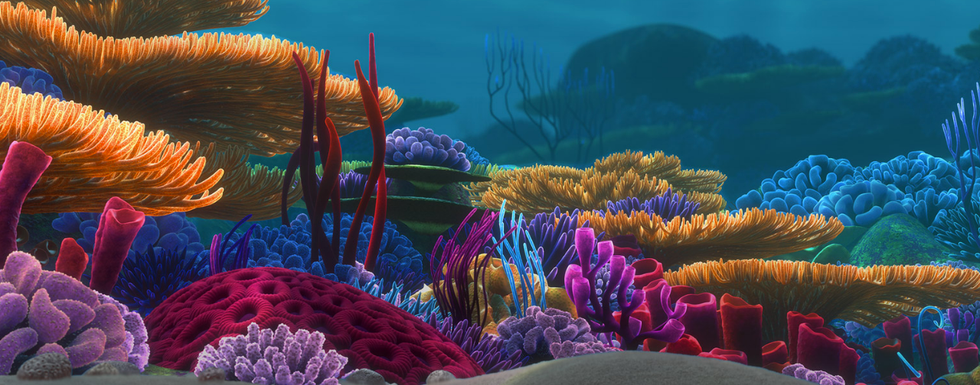
This summer, without a doubt, you are bound to see some photos of your Facebook friends' vacations. And it will go beyond question that you will see countless pictures of beaches. As much as I hope you get to see a beach in person this summer, I also hope you go knowing what is happening in places you may not be able to see while on the beach.
Recently, the topic of coral reefs have been discussed in the news, more specifically the Great Barrier Reef in Australia. This is because, sadly, of the 1,400 mile long reef 35 percent of it is either dead or dying. According to Vox, the reef is dying due to a mass bleaching event. If reading "bleach" brought the idea of the colors in your laundry being destroyed, you are sort of right.
Coral bleaching occurs due to the temperature changes in the ocean water, which can occur due to El Niño and global warming, which then leads to a certain type of algae, zooxanthellae, to stop producing nutrients for the coral. When this happens, coral looks like this:
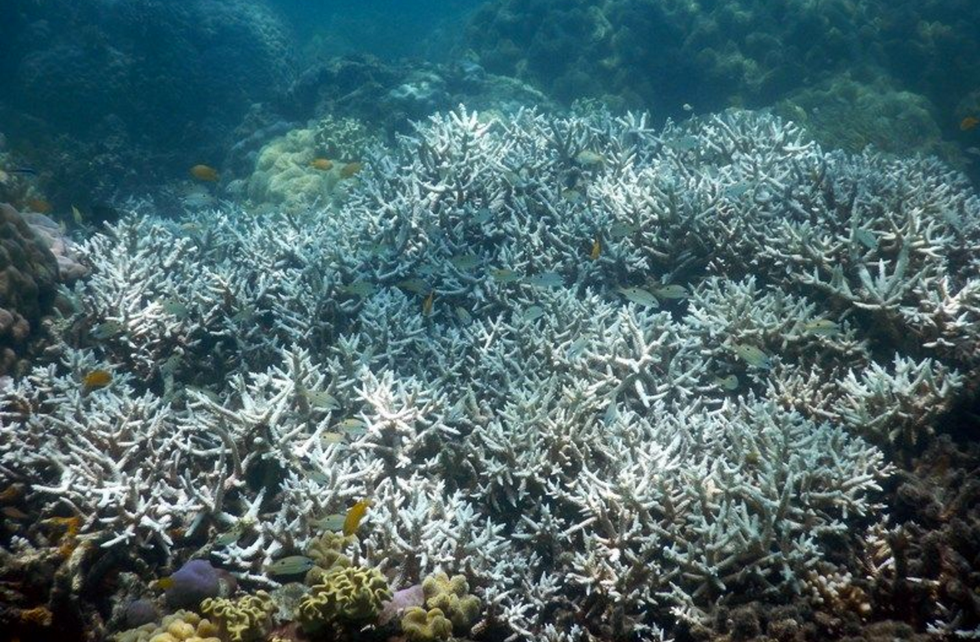 If the water has been too warm for too long, the zooxanthellae will release toxins that end up stripping the coral of its beautiful and vibrant colors. At this point, the effect of coral bleaching can be reversed, only if the temperature of the water changes, which can be done once the effects of El Niño diminish later in the year or if the right procedures are taken by us, the human population, to reverse the effects of global warming. However, if the temperatures do not drop, then the coral will die of malnutrition and end up looking like this:
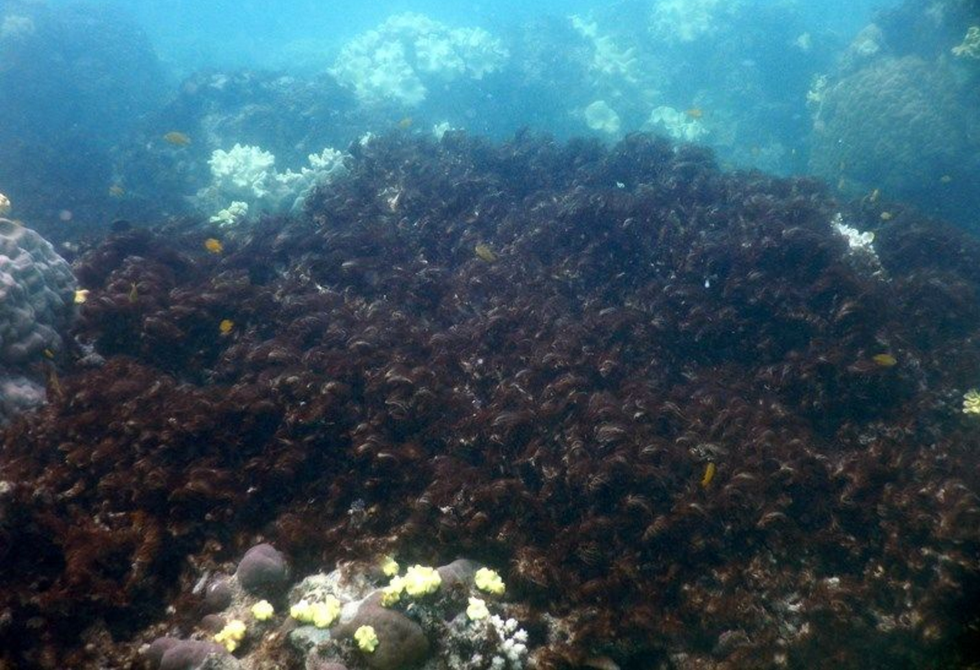
This should be considered an issue to us, as humans, because this will cause the end to numerous ecosystems around the world that will cause other. Like I said, there are other coral reefs that are being effected.
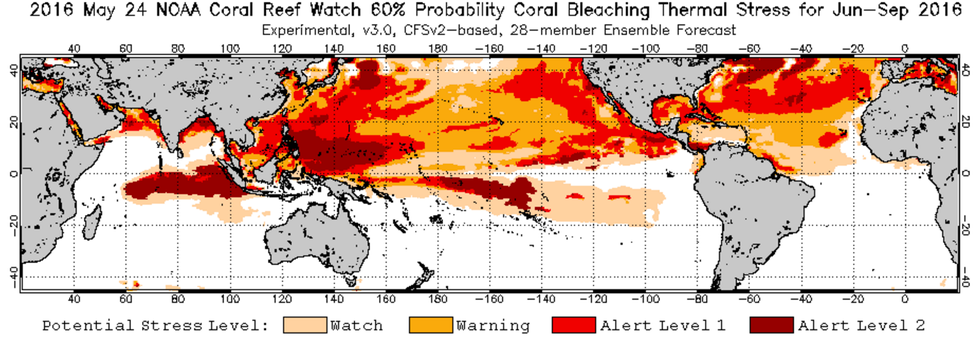
This map shows which areas in the world most affected by this. As you can see, mostly islands are surrounded by the darker color, suggesting that the possibility of coral bleaching is highly likely there. This is an issue because many fish call coral reefs home; most famously, Pixar's little fish Nemo. If coral reefs die out, how are we ever going to be able to find Nemo ever again? If this does happen, an ecosystem will be knocked out, which will lead to the people living on these islands to loose part of their diet and possibly some jobs.
As a population, if we eliminate our CO2 emissions, we can turnaround the effects of global warming on coral reefs. To do this, maybe walk, bike or board to places more than drive. Or even carpool and take public transportation more often. Make sure you throw away trash and recycle what needs to be recycled, like plastic water bottles and bags.
This summer, on whatever adventure you and your friends get yourselves into, whether it be a scuba diving excursion, a snorkeling expedition, or just laying on a beach somewhere, remember that as a human, you have a responsibility to the earth, the place you call home. Take care of it the way it takes care of you.

















