


"I like to form my own opinions. I don't just roll over when I'm told to. Sad to say, most Americans just roll over on command. Not me...I don't believe anything the government tells me...and I don't take very seriously the media or press...who most of the time function kind of as an unofficial public relations agency for the United States government." - George Carlin
Carlin is referring to the illusion of choice we constantly face in America. This illusion can not be better illustrated than in our choice of news sources. The reality is that main stream news outlets are predominantly used as distractions and political weapons by powerful, wealthy people with an agenda that discourages good reporting. According to Business Insider, 90 percent of what we listen to, read and watch is controlled by just six major corporations. Those six corporations make efforts to control how and what journalists report. Important political issues often go uncovered or the media coverage is nowhere near appropriate to the situation. For example, we should be hearing about the disaster in Louisiana and the lack of action, not immature Olympic swimmers who lied to avoid taking responsibility for their actions.
Some of my friends have asked me where to find a reliable, unbiased news source. The easy answer is: there isn't one. News comes from people. People and bias go hand in hand. What you can find are journalists, comic-journalists and radio hosts who mostly do their best to set aside their bias and present the facts in their format and let the audience make its own decisions. Below are just a few of the unsung heroes of modern journalism. By no means are they faultless, but on the whole they stand out in an otherwise bleak era of news.
1. Jake Tapper:
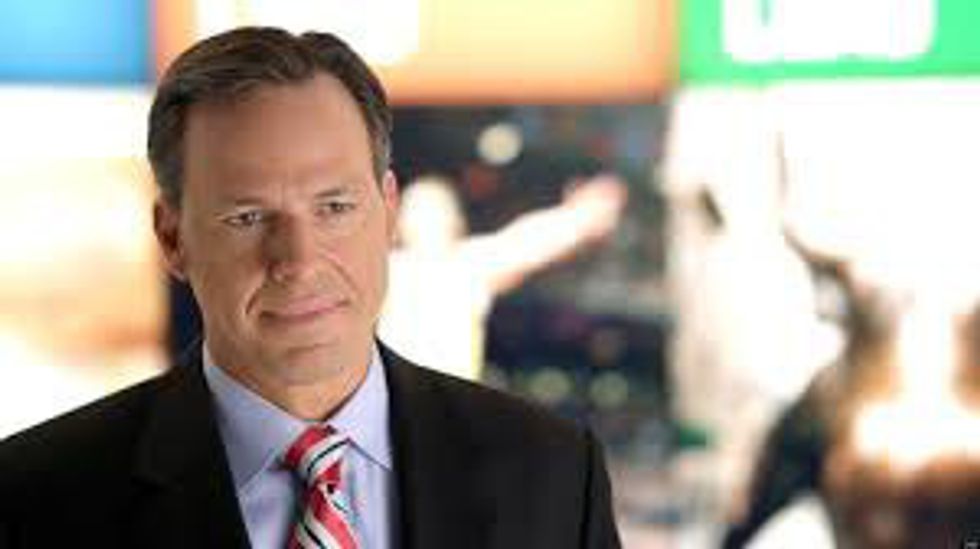
Tapper hosts CNN's "State of the Union" and "The Lead." CNN is known for its bias, but Tapper stands out. With most of CNN's cast of characters, they try to stick to a theme. What I like about Tapper is he asks questions that the other hosts will not. When the media was still going soft on Trump, Tapper pressed him 23 times on his racist comments about Judge Gonzalo Curiel's "heritage." While Tapper leans left, during CNN's coverage of the Democratic National Convention, he was the only skeptical voice about the Democratic party's theme of unity. Dana Bash and Wolf Blitzer seemed distressed any time Tapper mentioned the DNC leaks, the unrest among the Sanders delegates or the protesters marching outside of the convention building.
2. John Oliver:
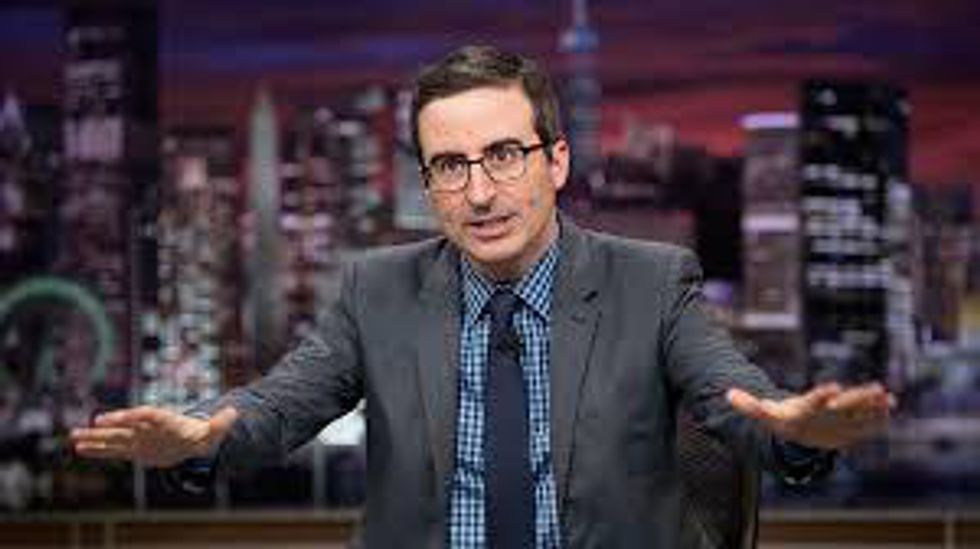
John Oliver picked up his own show, "Last Week Tonight with John Oliver" on HBO after filling in on the "The Daily Show," during Jon Stewart's hiatus. On his new show, Oliver recaps some of the last week's events and then takes an important current issue or topic and dissects it for the remainder of the show. Since the show began in 2014, it has covered issues such as sub-prime auto loans, net neutrality and the improprieties of megachurches. Oliver brings a mix of investigative journalism and biting wit that makes his segments resonate with his audience. His pieces have affected change in legislation and state elections. His segment on net neutrality was instrumental in introducing people to the subject in a way they could understand.
3. NPR:

National Public Radio is a good source for balanced news facts. There are a lot of different shows on NPR that cover a wide variety of topics, but the morning news coverage spends more time on facts and less on speculation and fluff than any television news station. The depth of their coverage of important events far surpasses the likes of MSNBC and Fox News. Hearing interviews with Secretary of Labor Tom Perez, Senator Bernie Sanders and a story about the corruption in the Brazilian government is a welcome change to hearing the same song over and over on my morning commute.
4. Bill Maher:
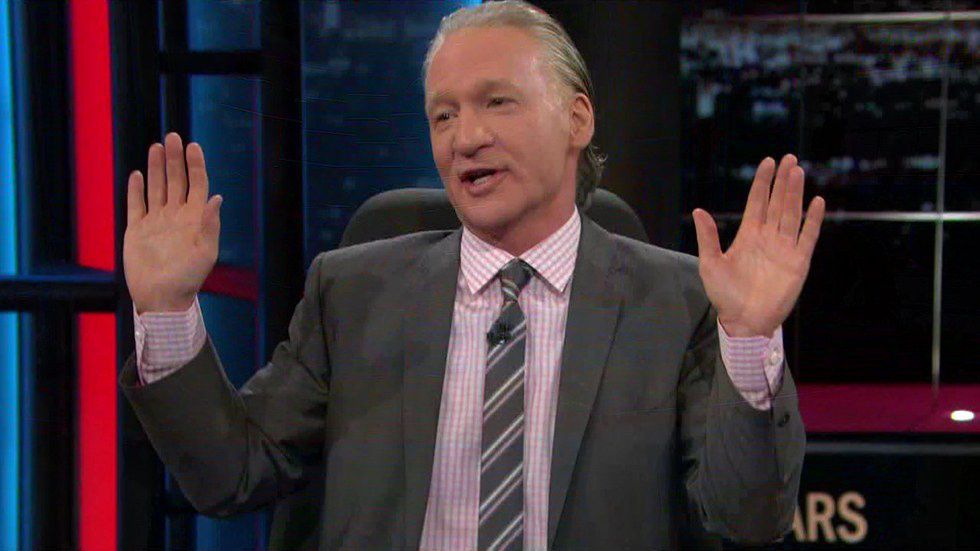
"Real Time with Bill Maher" has been an HBO mainstay for 14 seasons. His show covers political issues along with current events. Maher's liberal bias and satiric outlook are a part of who he is. He welcomes conservatives as guests to defend their point of view as interviewees and members of the panel portion of the show. In his most recent episode, he was confronted by Julian Assange, editor of Wikileaks, for a one million dollar donation he made to an organization in favor of Hillary Clinton. When questioned, Maher was skittish and denied the claim. It was silly to deny something and hopefully he will "get real" on the subject soon.
5. Jon Stewart:
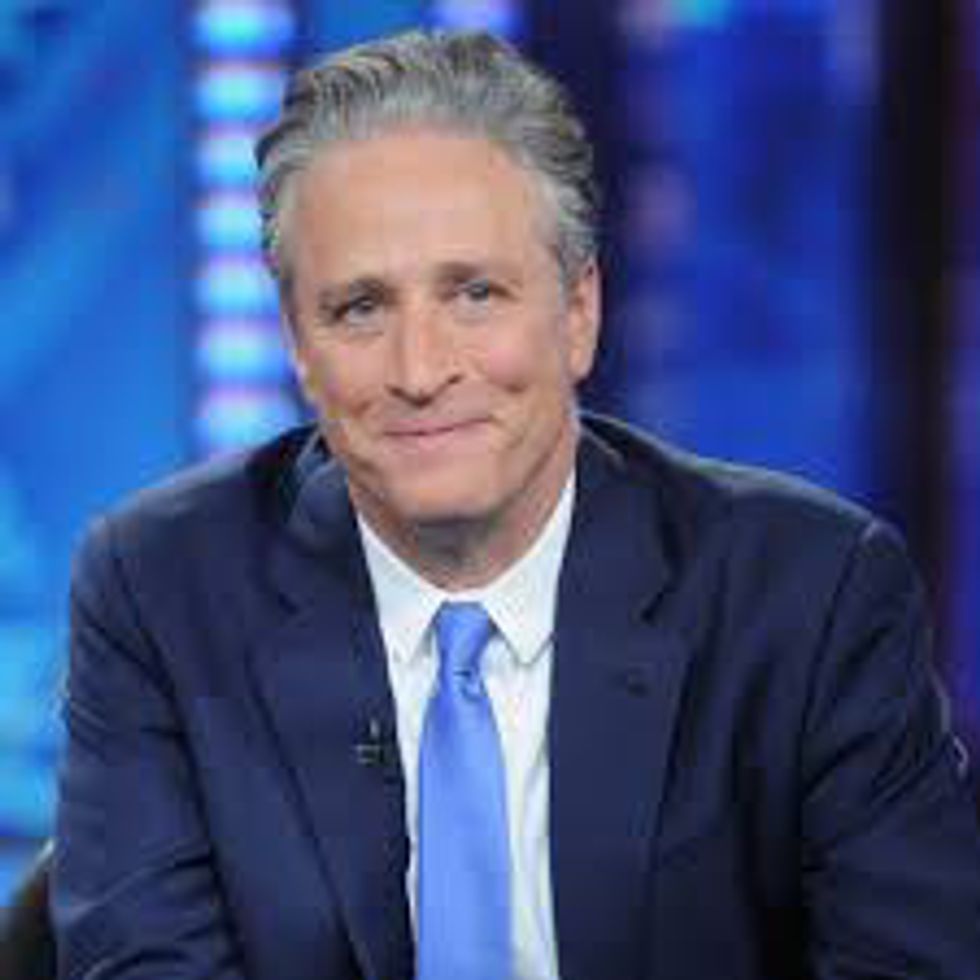
Jon Stewart's "The Daily Show" won several awards during his 16 year run as its host. He was lauded for his investigative journalism and writing. Throughout his career, he has always been a critic of mainstream media. In one instance, he went on the CNN show "Crossfire" and asked the shows' hosts Paul Begala and Tucker Carlson to stop "hurting America." Stewart's criticism was that Begala and Carlson engaged in "partisan hackery" and failed to honor their duty to inform the American people. Since leaving "The Daily Show" in 2015, he pressed congressmen who had opposed the James Zadroga Health and Compensation Act that offered assistance to first responders on 9/11. The publicity he received on the issue forced many to change their positions on the bill. On November 2015, Stewart signed a four year contract with HBO, but said on David Axelrod's "The Axe Files" that he wouldn't be the focus of the show but that it will be a series of animations.
Some honorable mentions include USUncut.com, The Hill, The Young Turks, Shaun King, Democracy Now!, The Intercept, Russia Today, Common Dreams, Truthdig, Truth-out and CounterPunch.
Even in this list, there is bias. I enjoy liberal leaning comedic takes on current events and political issues. However, each of these news sources have a sense of journalistic integrity that is hard to find in mainstream liberal or conservative media. Don't rely on just one outlet for all of your news. Be critical of any new source you find. There are thousands of fake news sites out there that perpetuate liberal and conservative agendas. Find the sources you like, but understand that you need to draw your own conclusions.

















