Congress shall make no law respecting an establishment of religion, or prohibiting the free exercise thereof; or abridging the freedom of speech, or of the press; or the right of the people peaceably to assemble, and to petition the Government for a redress of grievances.
Abridge: to lessen the strength or effect of, according to Merriam-Webster Dictionary. It’s an interesting thought, to lessen the strength of effect of speech. Our founders, the writer’s of the Constitution, the federal law of the land, explicitly included that the government shall make no law abridging the freedom of speech, or of the press. Ergo, as an American, I have the right to free speech.
I can say stupid things, smart things, kind things and offensive things. I cannot say things that physically endanger the people around me, like yelling “fire!” in a crowded movie theater. I cannot slander and lie about you in a public forum like the media. Beyond that however, there are very few limitations. That is how the Founders intended it.
Because when you start creating limitations on free speech, where does it end? That is the current problem facing our culture. In many European countries, hate speech is a crime. In Australia, the goal of hate speech laws in prevent victimization based on race. In Germany, some hate speech offenses are punishable by up to five years in prison. Currently, most forms of legislation specify protection based on race, ethnicity, sexual orientation, religion, age, disability or nationality. Some include more, some less.
Many of these countries, however, have free speech protected by their constitutions or other major legal documents. As a result, the general public is often entangled in the constant debate: where does free speech stop, and hate speech start?
In the United States, the Supreme Court has ruled on a number of cases protecting hate speech, outside of those where certain exceptions applied. One of those exceptions being the concept of “fighting words.” Fighting words apply to speech that incites immediate violence. In these cases, the speech is not protected. Freedom, according to our Founders, is you expressing your rights until you infringe on the rights of others.
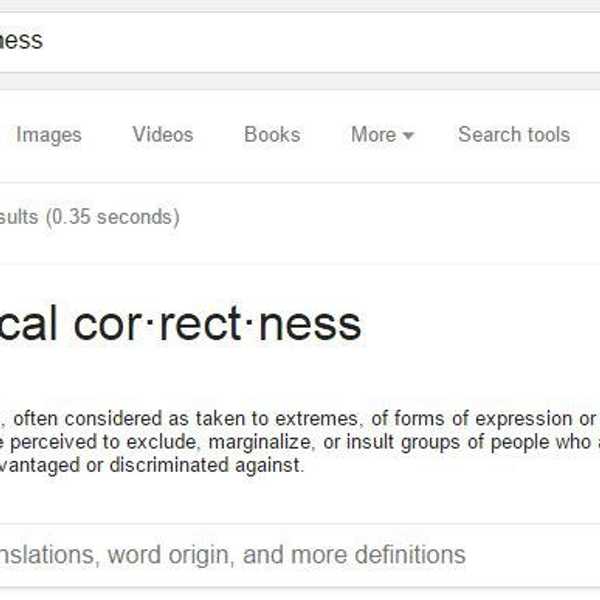
Sorry to burst your bubble, young college students and millennials, but the right to not be offended is not included in the Constitution. Colleges and universities are supposed to be the knockout arena for theories and ideas. They exist as the premiere academic platform for young people to study, learn and express themselves. But a cultural shift towards political correctness is threatening that standard of free ideas.
That is what’s so frustrating about colleges, today. They preach diversity -- until your thoughts and ideas are at odds with theirs. As soon as you begin making more and more exceptions for free speech, because it may offend somebody, the more and more you disregard the American experiment.
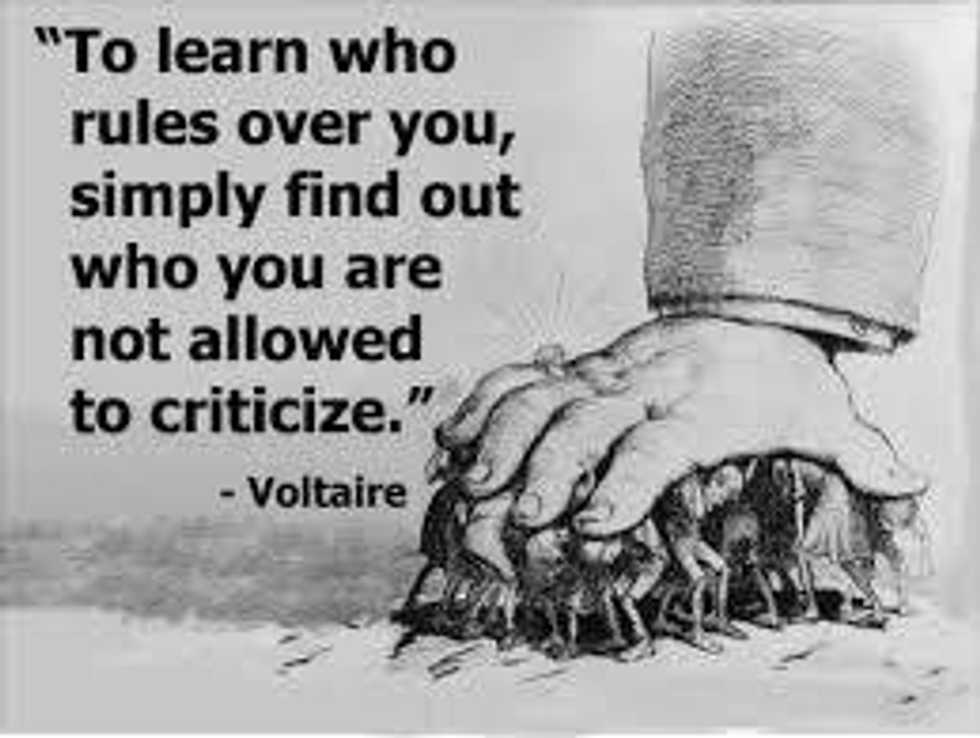
Students, educators and the American public, alike, need a new backbone. The more power you give legislators to limit free speech, the more power you give to the federal government to regulate the flow of ideas and information.
Right to free speech means the right to offend, and be offended. If the American public cannot handle that, then Americans cannot handle the freedom the Founders intended.